
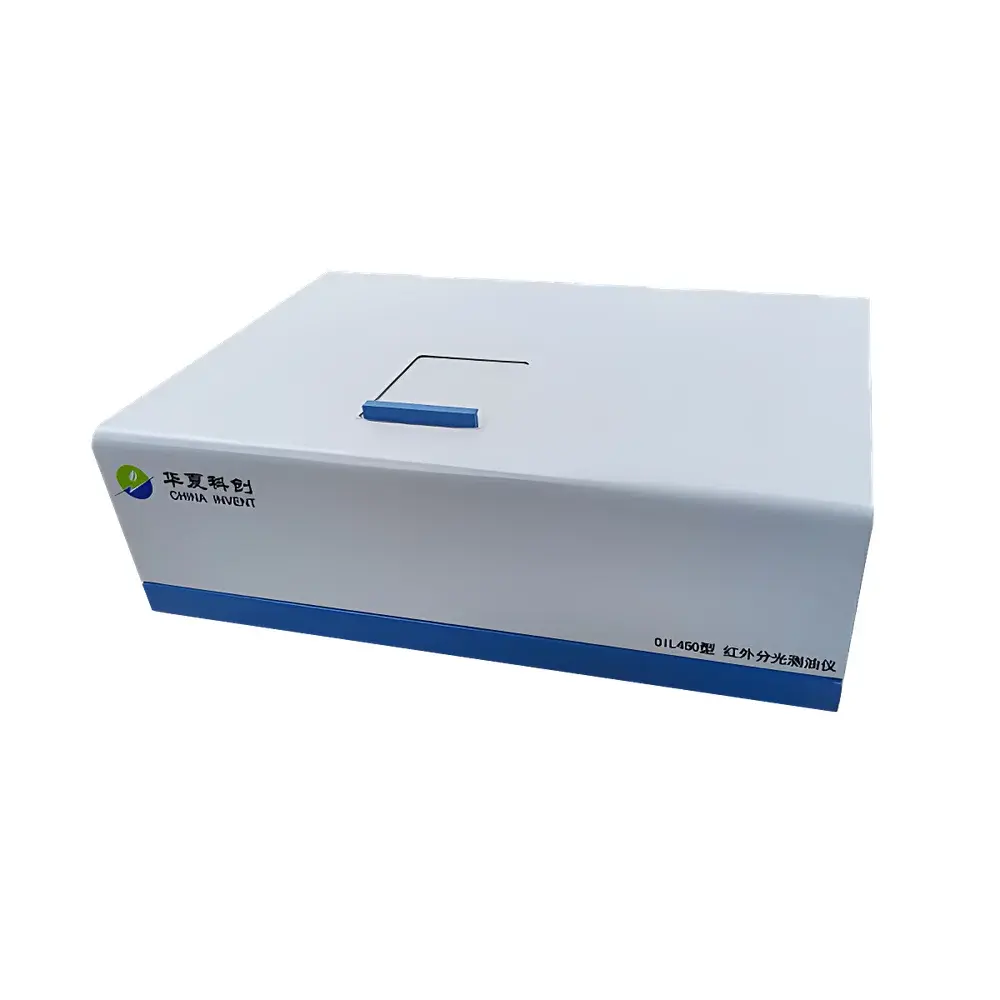
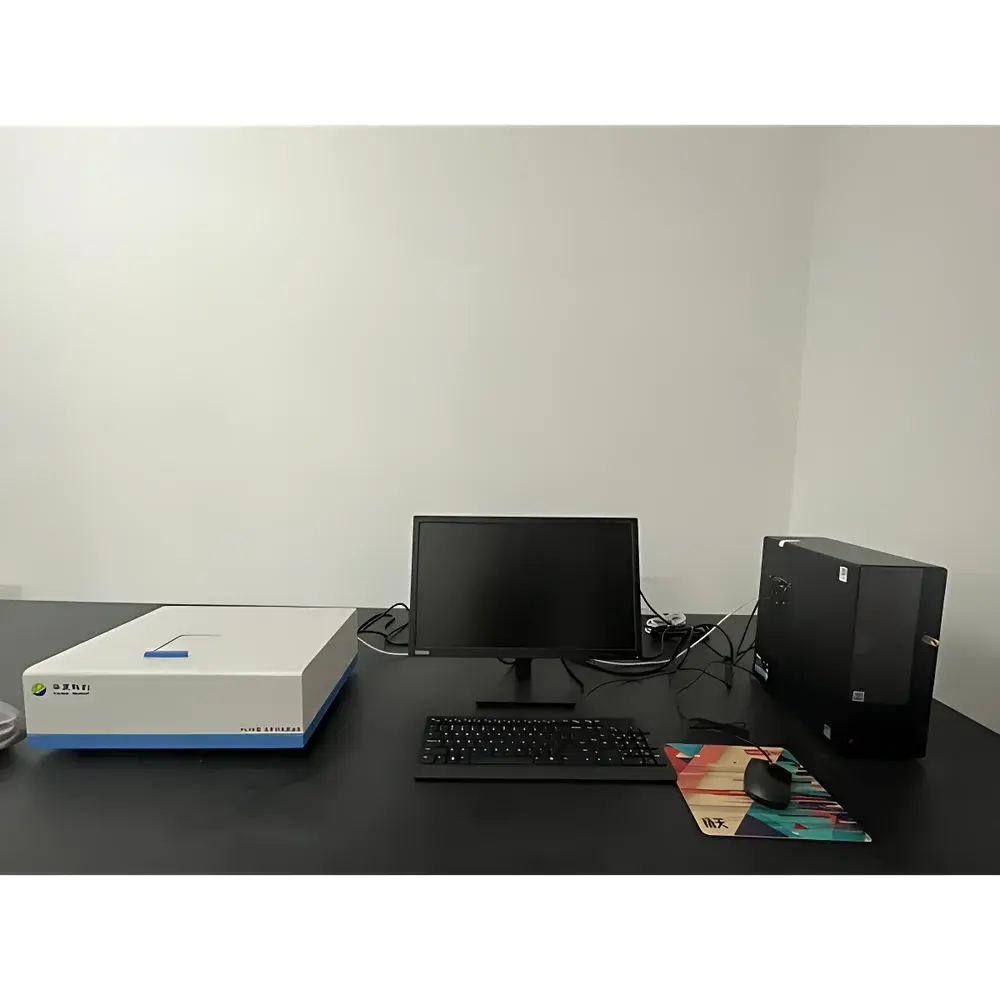
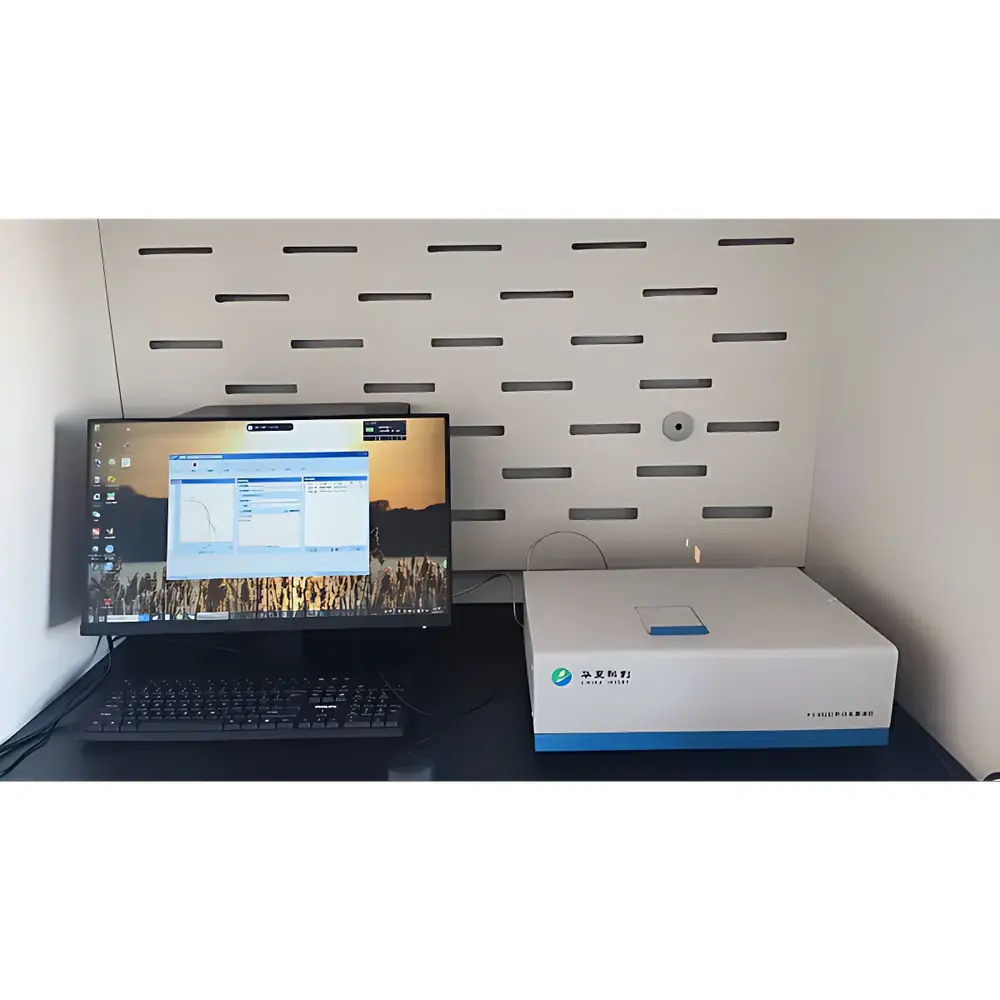
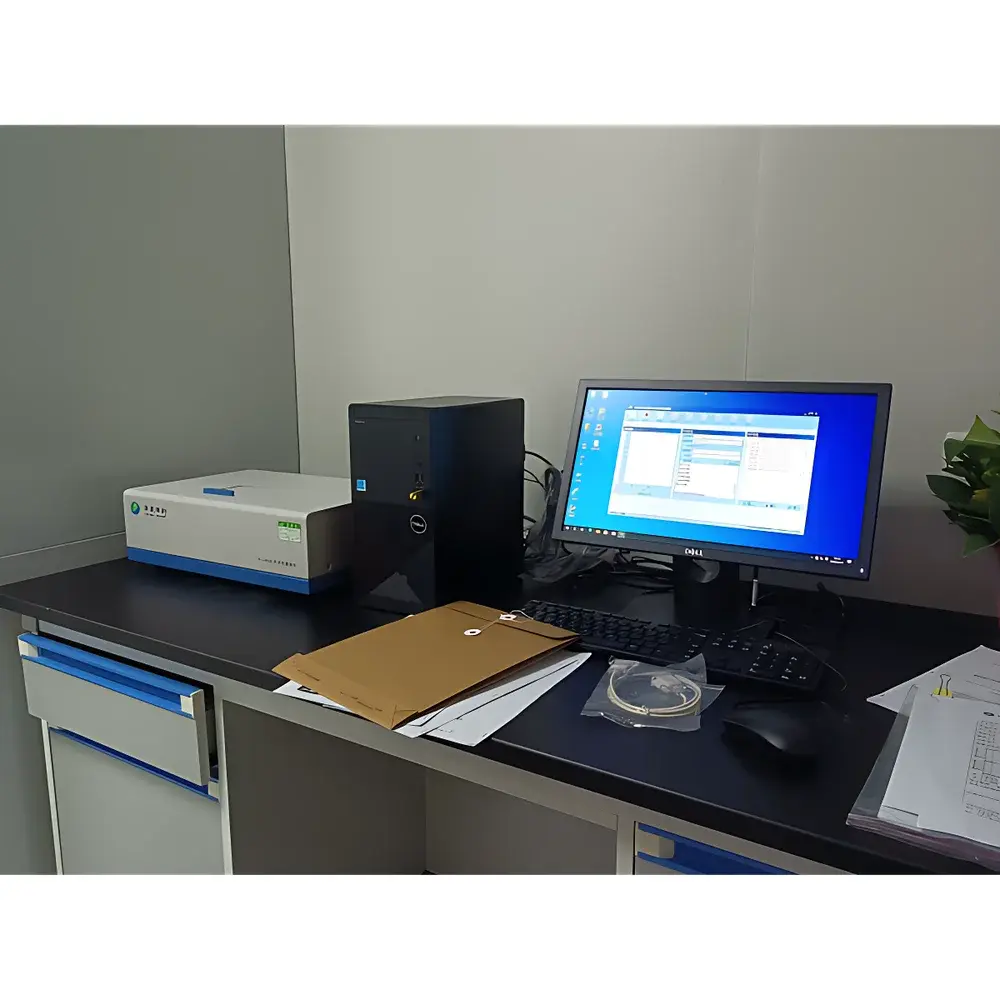
Spectra Invent OIL-450 Infrared Spectrophotometric Oil Analyzer
| Brand | Spectra Invent |
|---|---|
| Origin | Beijing, China |
| Manufacturer Type | Authorized Distributor |
| Origin Category | Domestic (China-manufactured) |
| Model | OIL-450 |
| Instrument Type | Benchtop Laboratory Analyzer |
| Measurement Principle | Infrared Absorption Spectrophotometry (C–H Stretching Band at 2930 cm⁻¹, 2960 cm⁻¹, and 2850 cm⁻¹) |
| Detection Limit | DL ≤ 0.06 mg/L (based on 11 replicate measurements of tetrachloroethylene blank |
| Accuracy | ±2% RSD for concentrations between 30–50 mg/L |
| Regulatory Compliance | HJ 637–2018, HJ 1051–2019, HJ 1077–2019 |
Overview
The Spectra Invent OIL-450 Infrared Spectrophotometric Oil Analyzer is a dedicated benchtop instrument engineered for quantitative determination of total petroleum hydrocarbons (TPH), mineral oil, and edible oil content in aqueous, soil, and gaseous matrices. It operates on the principle of mid-infrared absorption spectrophotometry, specifically targeting the asymmetric and symmetric C–H stretching vibrations of aliphatic hydrocarbons at 2960 cm⁻¹ (CH₃), 2930 cm⁻¹ (CH₂), and 2850 cm⁻¹ (CH₂). By applying the “three-wavelength correction method” defined in HJ 637–2018, the analyzer eliminates interference from aromatic C–H, C=O, and O–H absorptions—enabling selective quantification of extractable petroleum hydrocarbons without chromatographic separation. Designed for routine environmental laboratories, wastewater treatment facilities, and regulatory testing centers, the OIL-450 delivers trace-level sensitivity and analytical reproducibility aligned with national standard protocols for water, soil, and stack emission monitoring.
Key Features
- Triple-wavelength IR detection system optimized for compliance with HJ 637–2018, HJ 1051–2019, and HJ 1077–2019
- Integrated spectral baseline correction algorithm to compensate for solvent absorbance drift and matrix scattering effects
- Pre-calibrated optical path with fixed 4 cm quartz flow cell for aqueous extracts and 1 cm pathlength for solvent-based extractions
- Automated zero-point calibration using tetrachloroethylene (C₂Cl₄) or alternative non-polar extraction solvents (e.g., n-hexane, perfluorohexane)
- Thermally stabilized detector and light source ensuring <0.5% photometric repeatability over 8-hour continuous operation
- Modular design supporting field-deployable validation via external reference standards traceable to NIM (National Institute of Metrology, China)
Sample Compatibility & Compliance
The OIL-450 accommodates liquid-phase samples prepared by liquid–liquid extraction (e.g., water samples extracted with C₂Cl₄ per HJ 637–2018), solid-phase extraction (soil/sediment leachates per HJ 1051–2019), and condensate collection from flue gas (oil mist and fume per HJ 1077–2019). All measurement workflows adhere to GLP-aligned documentation requirements, including electronic audit trails for calibration events, operator ID logging, and timestamped spectral acquisition records. While not certified under FDA 21 CFR Part 11, the instrument supports export of raw absorbance spectra (.csv), calibration reports (.pdf), and QC summary logs compatible with LIMS integration and internal QA/QC review per ISO/IEC 17025:2017 clause 7.7.
Software & Data Management
The embedded SpectraView™ Analysis Suite provides intuitive control of measurement parameters—including wavelength selection, background subtraction mode, and concentration calculation algorithms (single-point, multi-point, or curve-fitting). Spectral data are stored with metadata (sample ID, date/time, operator, extraction solvent, pathlength) and support batch processing for up to 96 samples. Export formats include ASCII .csv for third-party statistical analysis (e.g., JMP, Minitab), PDF-certified reports with digital signature fields, and XML files compliant with China’s Environmental Monitoring Information Platform (EMIP) data submission schema. Software updates are delivered via secure HTTPS firmware portal with version-controlled changelogs and rollback capability.
Applications
- Regulatory monitoring of petroleum hydrocarbon discharge limits in municipal and industrial wastewater effluents
- Soil contamination assessment at brownfield sites and petroleum storage facilities (per GB 36600–2018 supplement)
- Stack emission compliance verification for food processing plants, metalworking operations, and thermal power stations
- Method validation and interlaboratory comparison studies conducted under CNAS-accredited environmental testing programs
- Research applications in biodegradation kinetics of hydrocarbons in aquatic microcosms and sediment columns
FAQ
What extraction solvents are compatible with the OIL-450?
Tetrachloroethylene is the primary solvent specified in HJ 637–2018; however, n-hexane, cyclohexane, and perfluorohexane may be used with instrument-specific recalibration.
Does the OIL-450 require annual factory recalibration?
No—users perform daily zero-point verification and monthly performance checks using certified reference materials (CRM-TPH-01 series); full optical recalibration is recommended every 24 months or after physical shock/misalignment.
Can the instrument differentiate between mineral oil and vegetable oil?
Not inherently—the OIL-450 reports total extractable hydrocarbons based on C–H bond density; differentiation requires complementary GC-FID or FTIR spectral deconvolution.
Is remote diagnostics supported?
Yes—via optional Ethernet module enabling secure SSH access for firmware troubleshooting and spectral log retrieval by authorized service engineers.
How is data integrity ensured during power interruption?
All active measurements are auto-saved to non-volatile memory at 5-second intervals; unsaved spectral buffers recover fully upon reboot without loss of acquisition continuity.







