
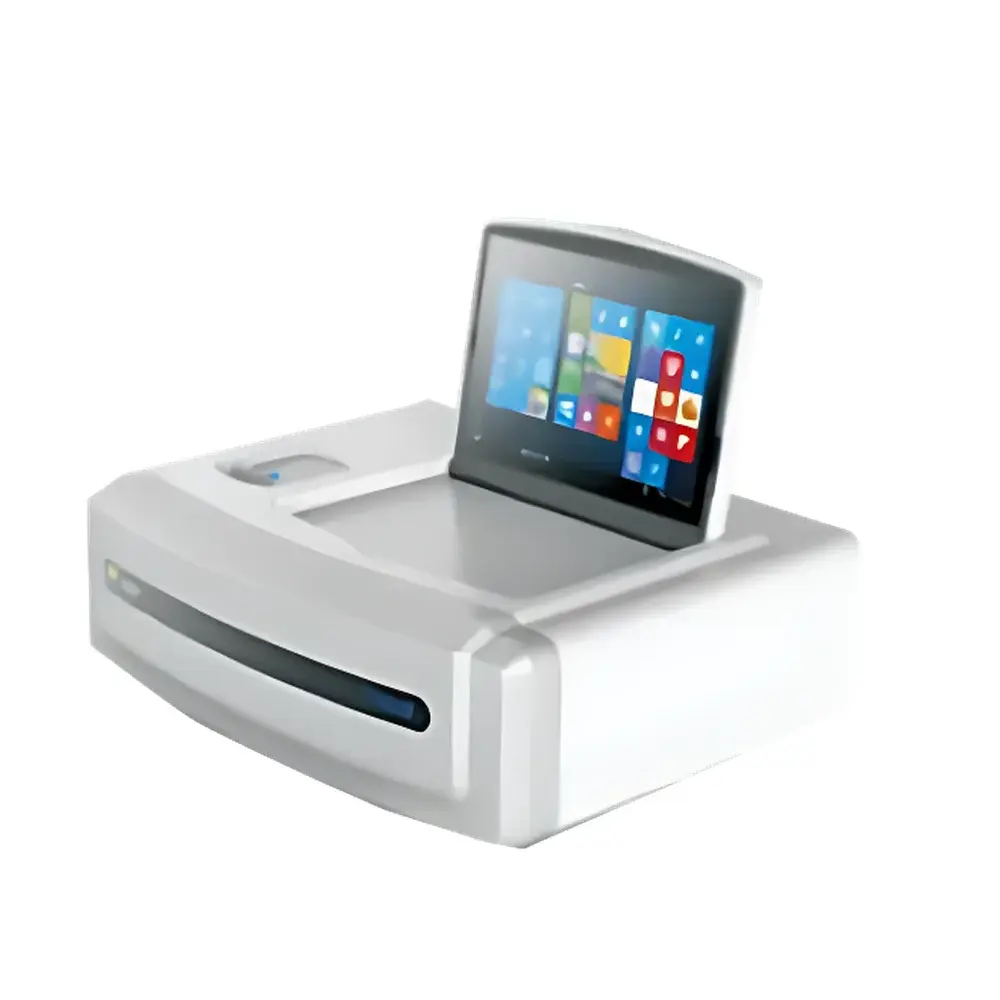
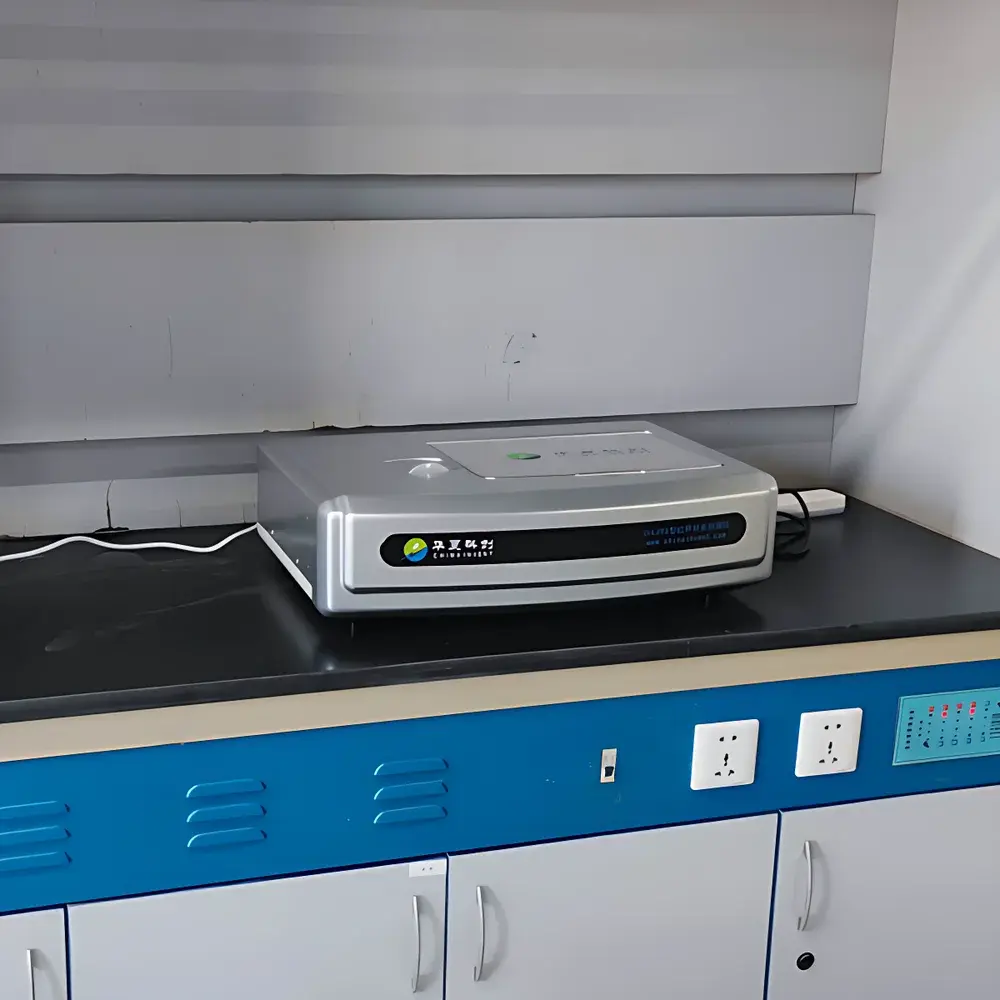
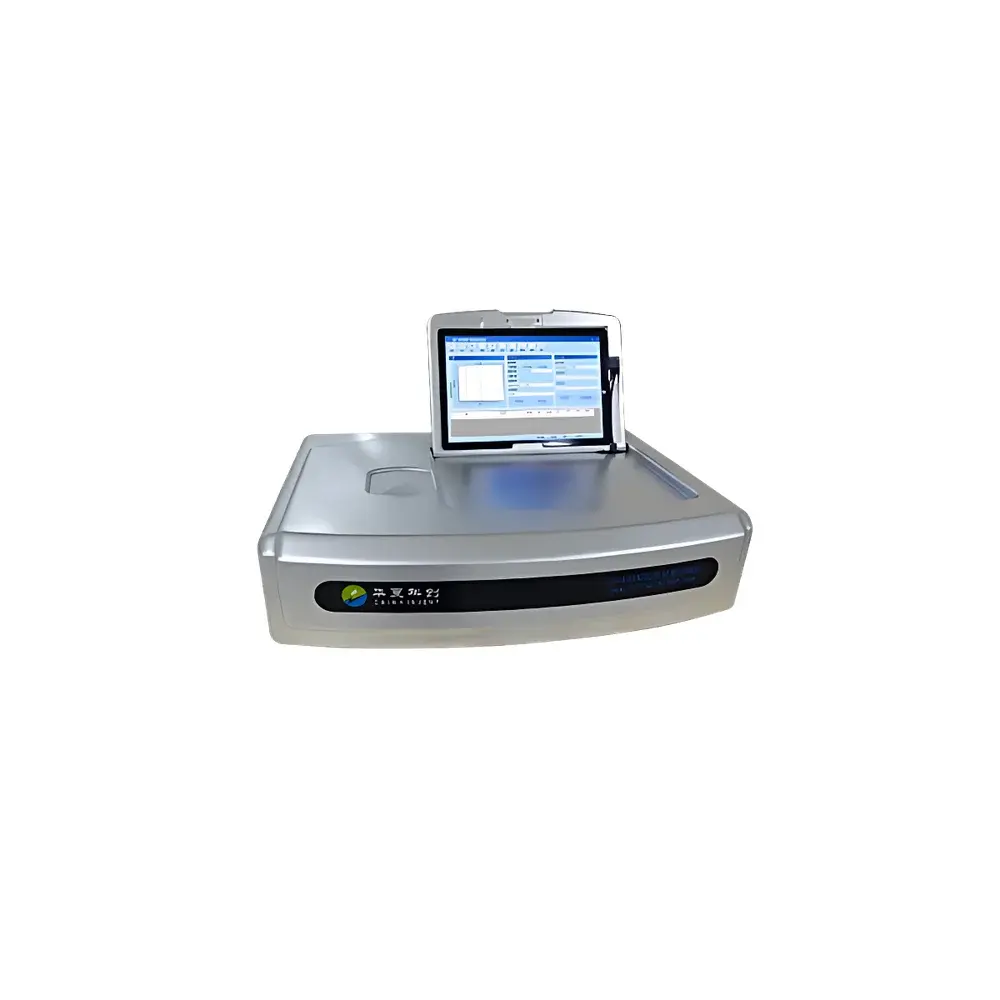
Spectra Invent OIL-490 Infrared Spectrophotometric Oil Analyzer
| Brand | Spectra Invent |
|---|---|
| Origin | Beijing, China |
| Model | OIL-490 |
| Instrument Type | Laboratory Benchtop Analyzer |
| Measurement Principle | Infrared Absorption Spectrophotometry (C–H Stretching Band at 2941 cm⁻¹, 2960 cm⁻¹, and 2853 cm⁻¹) |
| Detection Limit | 0.06 mg/L |
| Accuracy | ±1% relative error (within 30–50 mg/L range) |
| Wavenumber Range | 3400–2400 cm⁻¹ (equivalent to 2941–4167 nm) |
| Linearity Coefficient | r > 0.999 |
| Compliance | HJ 637–2018, HJ 1051–2019, HJ 1077–2019 |
| Connectivity | Bluetooth 5.0, Wi-Fi 802.11 b/g/n, GPRS module for remote data upload to cloud database |
Overview
The Spectra Invent OIL-490 Infrared Spectrophotometric Oil Analyzer is a dedicated laboratory instrument engineered for the quantitative determination of total petroleum hydrocarbons (TPH), mineral oil, and edible oil content in aqueous, soil, and gaseous matrices. It operates on the principle of mid-infrared absorption spectrophotometry—specifically targeting the asymmetric and symmetric C–H stretching vibrations of aliphatic hydrocarbons near 2960 cm⁻¹, 2941 cm⁻¹, and 2853 cm⁻¹. This spectral signature enables selective quantification without interference from aromatic or oxygenated organics, provided sample extraction and cleanup follow standardized protocols. The OIL-490 is designed to meet the rigorous analytical requirements of environmental laboratories performing routine regulatory monitoring under Chinese national standards, including HJ 637–2018 (water), HJ 1051–2019 (soil), and HJ 1077–2019 (stack emissions). Its optical architecture features a stable tungsten-halogen source, precision grating monochromator, and thermoelectrically cooled PbSe detector, ensuring high signal-to-noise ratio and long-term photometric stability.
Key Features
- Triple-wavelength measurement capability (2960 cm⁻¹, 2941 cm⁻¹, 2853 cm⁻¹) with automatic baseline correction and spectral subtraction for enhanced selectivity against interfering carbonyl or aromatic absorptions
- Calibration traceability to NIST-traceable mineral oil reference standards; built-in validation checks for zero drift and photometric linearity
- Integrated solvent recovery mode supporting CCl₄, C₂Cl₄, or non-chlorinated alternatives (e.g., cyclohexane) per method flexibility
- Embedded ARM Cortex-A9 processor with real-time spectral acquisition and on-board calculation of oil concentration using ASTM D7066–19–aligned algorithms
- Rugged aluminum alloy chassis with EMI-shielded optics compartment; operating temperature range: 10–35 °C, humidity: ≤80% RH non-condensing
- Self-diagnostic firmware with event logging, lamp usage hours counter, and optical path contamination alert
Sample Compatibility & Compliance
The OIL-490 supports analysis of liquid-phase extracts (water, leachates), acid-digested soil/sediment filtrates, and condensed stack gas condensates. Sample introduction is performed via matched 4-cm pathlength quartz cuvettes with sealed Teflon caps to prevent solvent evaporation and cross-contamination. All operational procedures align with GLP principles: audit trails record operator ID, calibration date, standard lot number, and raw absorbance values. Data output complies with ISO/IEC 17025:2017 clause 7.7 (results reporting) and includes uncertainty estimation per GUM (Guide to the Expression of Uncertainty in Measurement). Method validation documentation—including LOD/LOQ verification, spike recovery (85–115%), and inter-laboratory reproducibility (RSD < 4.2%)—is supplied with each unit.
Software & Data Management
OIL-490 Control Suite v3.2 is a Windows-based application supporting local operation, remote diagnostics, and secure cloud synchronization. It enforces role-based access control (RBAC) with configurable user permissions (analyst, supervisor, administrator). All measurement sessions generate timestamped .CSV and .PDF reports compliant with FDA 21 CFR Part 11 requirements—including electronic signatures, immutable audit logs, and version-controlled method files. Raw interferograms and processed spectra are archived in HDF5 format for retrospective reprocessing. Cloud integration enables automated backup to AWS S3-compatible storage with TLS 1.2 encryption and configurable retention policies (default: 7 years).
Applications
- Regulatory compliance testing of wastewater effluents from petrochemical plants, refineries, and metalworking facilities
- Soil screening at brownfield sites prior to remediation and post-treatment verification per GB/T 32722–2016
- Monitoring of oil-water separator efficiency in municipal treatment plants
- Quality control of industrial cooling lubricants and hydraulic fluids for oxidation-induced hydrocarbon degradation
- Research-grade quantification of bio-oil fractions in pyrolysis condensates (with appropriate calibration matrix matching)
FAQ
Does the OIL-490 require annual factory recalibration?
No. The instrument incorporates an internal reference standard and auto-zero routine that maintains photometric accuracy between scheduled performance verifications. Annual verification by an ISO/IEC 17025-accredited service provider is recommended but not mandatory for routine use.
Can it quantify polycyclic aromatic hydrocarbons (PAHs) separately?
No. The OIL-490 measures total extractable hydrocarbons exhibiting aliphatic C–H absorption. PAH quantification requires GC-MS or HPLC-UV analysis per EPA Method 8270 or ISO 18857–1.
Is the software compatible with LIMS integration?
Yes. OIL-490 Control Suite supports ASTM E1482–22-compliant HL7 v2.5.1 messaging and direct SQL Server/Oracle database write-through via ODBC drivers.
What solvent alternatives are validated for chlorinated solvent replacement?
Cyclohexane and n-hexane have been verified per HJ 637–2018 Annex B; recovery rates exceed 92% for C₁₀–C₄₀ n-alkanes when using optimized extraction parameters.
How is measurement uncertainty calculated in the report?
Uncertainty is propagated from repeatability (n=7), calibration curve fit (r² weighting), reference standard certificate uncertainty, and cuvette pathlength tolerance (±0.02 mm), following JCGM 100:2008 guidelines.







