
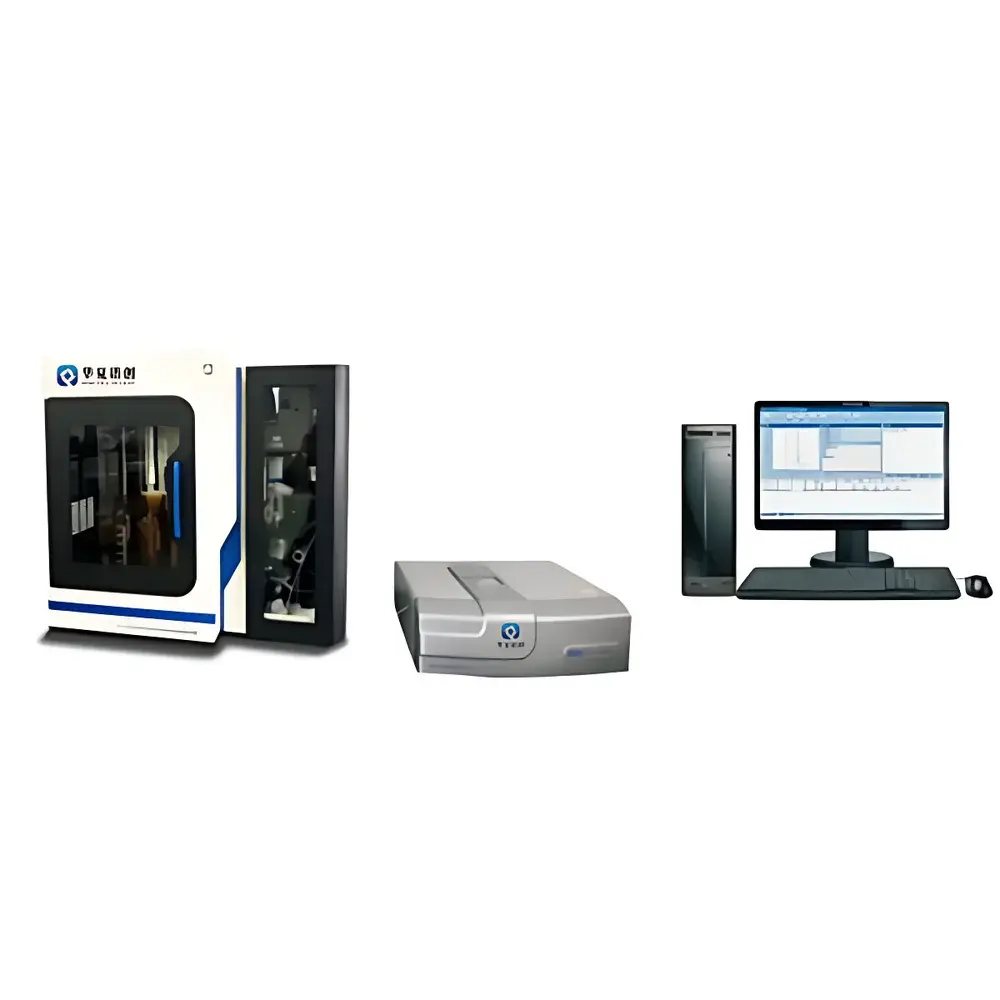
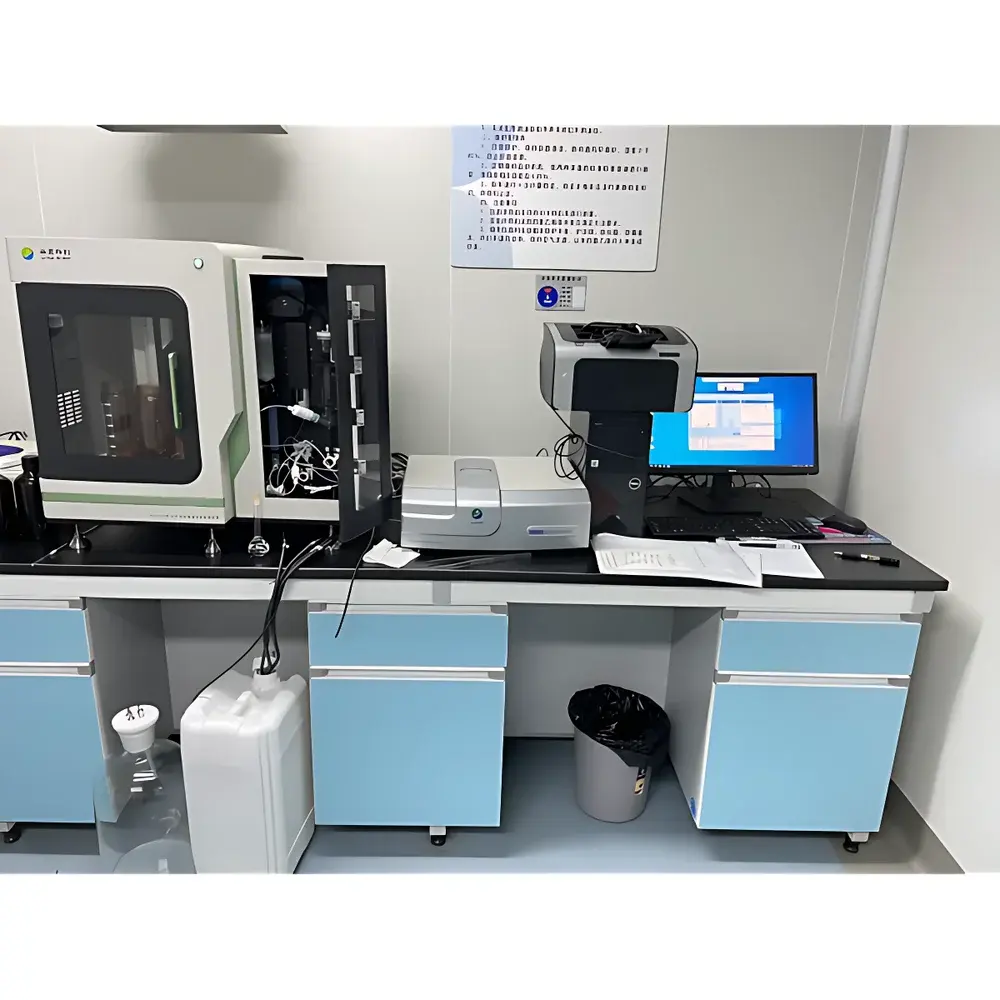
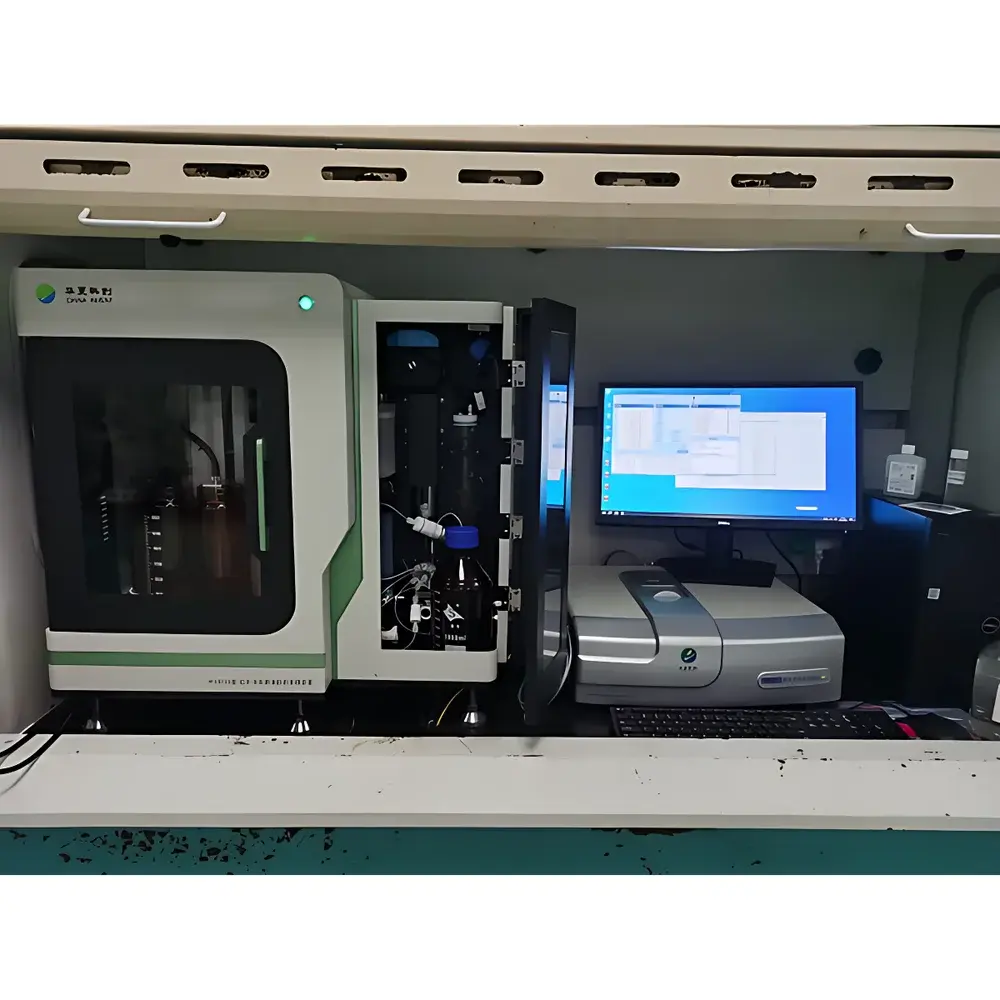
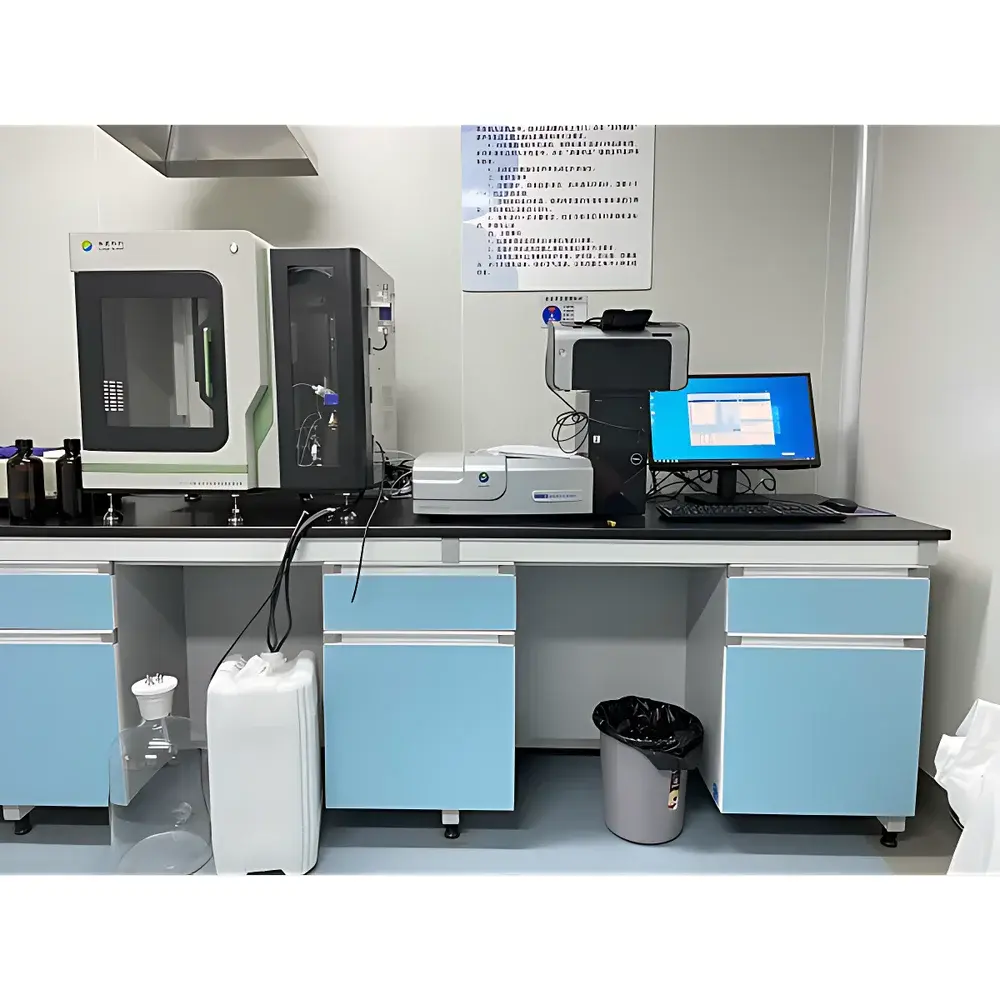
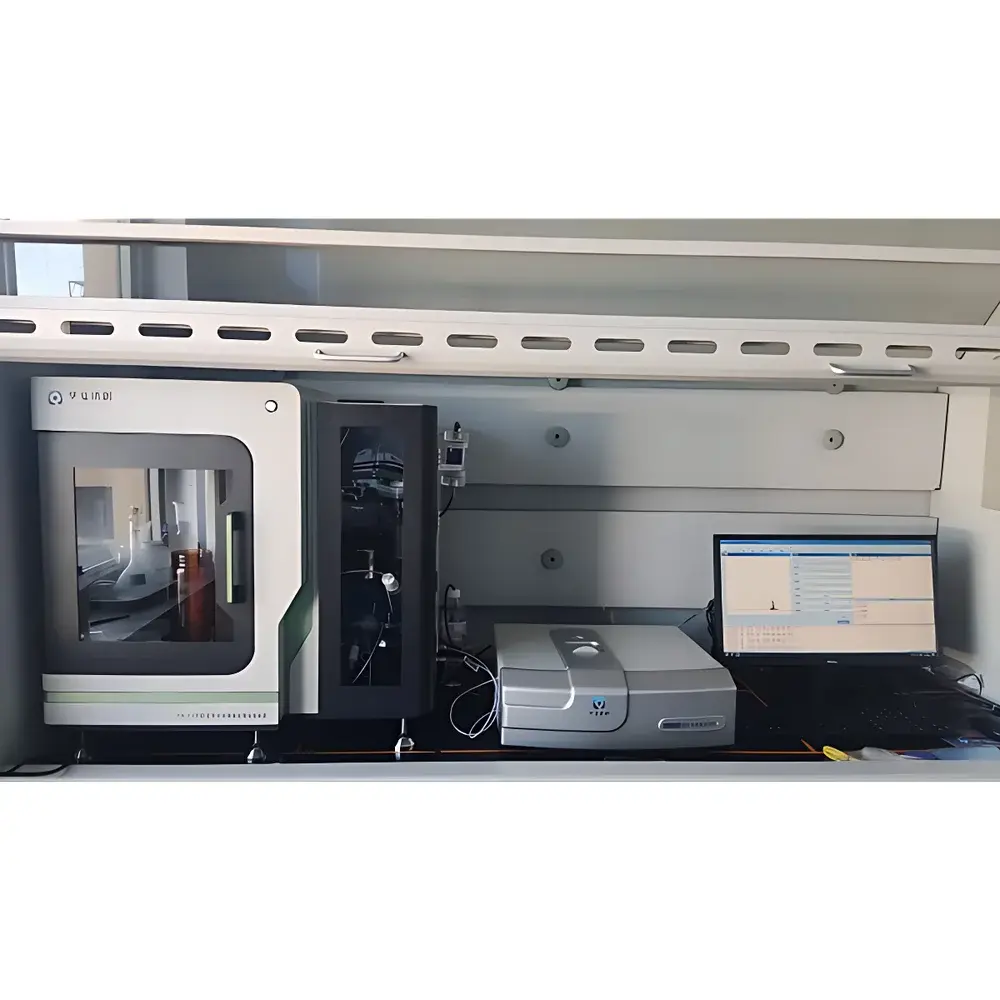
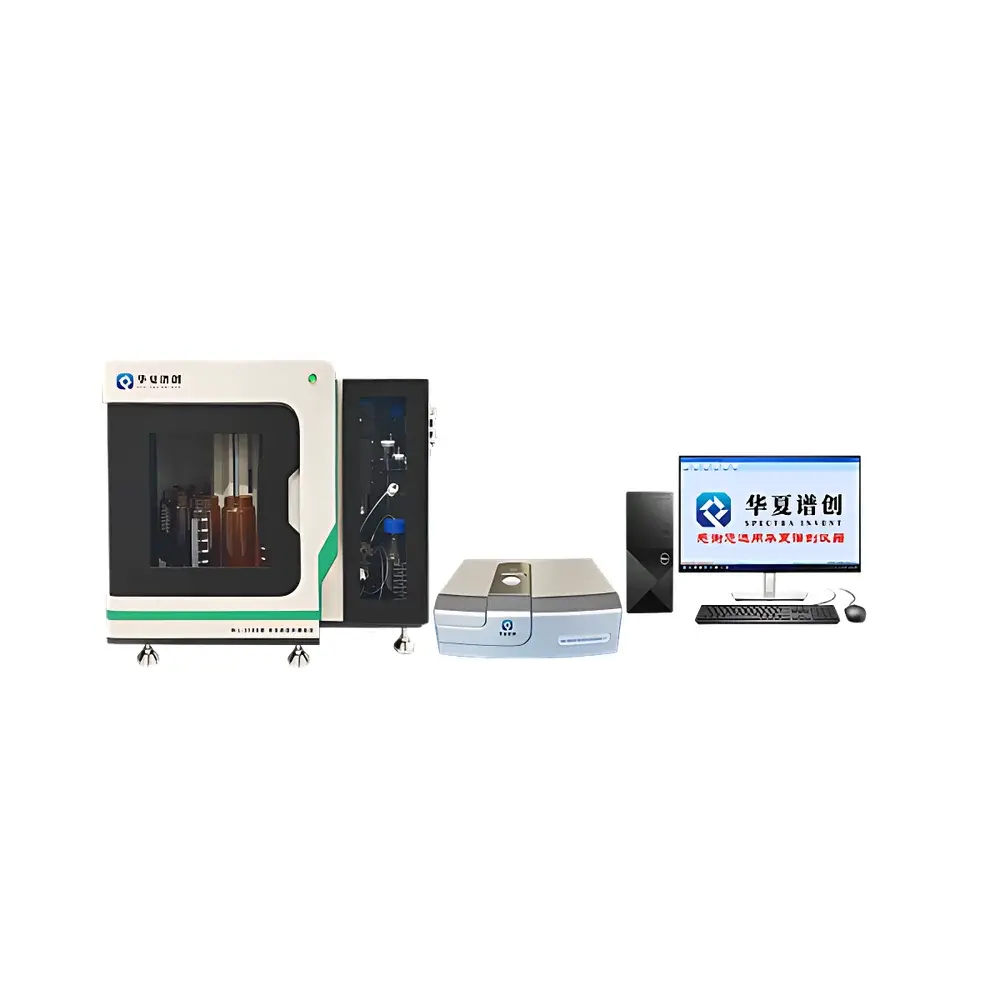
Spectra Invent OIL-510D Fully Automated Infrared Spectrophotometric Oil Analyzer
| Brand | Spectra Invent |
|---|---|
| Origin | Beijing, China |
| Model | OIL-510D |
| Instrument Type | Laboratory Benchtop Analyzer |
| Principle | Infrared Spectrophotometry (C–H Stretch Absorption at 2930 cm⁻¹, 2960 cm⁻¹, and 2850 cm⁻¹) |
| Measurement Range | 0–64,000 mg/L |
| Detection Limit | 0.06 mg/L |
| Accuracy | ≤ ±1% RSD (at 30–50 mg/L) |
| Resolution | 0.0005 mg/L |
Overview
The Spectra Invent OIL-510D is a fully automated infrared spectrophotometric oil analyzer engineered for regulatory-compliant total petroleum hydrocarbon (TPH) quantification in aqueous environmental matrices. It implements the standardized Fourier-transform infrared (FTIR) absorption methodology aligned with EPA Method 1664A, ISO 9377-2, and HJ 637-2018 — measuring absorbance of aliphatic C–H bonds at three characteristic wavenumbers (2960 cm⁻¹, 2930 cm⁻¹, and 2850 cm⁻¹) to calculate extractable petroleum hydrocarbons (EPH) concentration. Unlike manual or semi-automated systems, the OIL-510D integrates sample preparation and spectral analysis into a single, unattended workflow — eliminating operator-induced variability in solvent handling, phase separation, adsorption, and cell conditioning. Its optical architecture employs a high-stability tungsten-halogen source, precision CaF₂ beam splitter, and thermoelectrically cooled DTGS detector, ensuring long-term photometric stability and inter-laboratory reproducibility.
Key Features
- End-to-end automation: Full sequence control covering volumetric sampling (ultrasonic non-contact volume detection), reagent dispensing (high-precision syringe pump), liquid–liquid extraction (high-speed rotational mixing, ≥95% extraction efficiency), water–oil phase separation (hydrophobic membrane filtration), magnesium silicate adsorption (rotary dosing with pre-calibrated quantitative trough), IR cell filling, spectral acquisition, and post-run cleaning (pressurized air purge + solvent rinse).
- Modular inlet design: Independent analytical module decoupled from pretreatment hardware — supports both robotic auto-sampling (via optional 60-position carousel) and direct manual injection without hardware reconfiguration.
- Continuous batch operation: Real-time queue management enables mid-run addition of new samples; instrument dynamically reallocates processing slots without interrupting ongoing extractions or measurements.
- Integrated safety & diagnostics: Dual redundant infrared door sensors confirm chamber closure before solvent handling; real-time monitoring of n-hexane level, MgSiO₃ cartridge saturation, system pressure, and flow integrity — all triggering audible/visual alerts and graceful shutdown on anomaly detection.
- Self-calibrating fluidics: Onboard standard solution preparation (auto-dilution across 1:2 to 1:1000 range), automatic calibration curve generation (6-point linear or quadratic fit), and matrix-matched QC spike recovery validation per ASTM D7066-18.
- Dry-path assurance: Integrated desiccant air-drying circuit removes residual moisture from flow paths and IR transmission cells prior to measurement — critical for minimizing water vapor interference at 3400 cm⁻¹ and preserving baseline flatness.
Sample Compatibility & Compliance
The OIL-510D is validated for use with surface water, groundwater, wastewater effluents, leachates, and seawater (with salinity compensation). Sample volumes range from 10 mL to 1000 mL; turbid or suspended solids are accommodated via integrated inline filtration (5 µm PTFE). All wetted components comply with USP Class VI biocompatibility standards. The system meets GLP data integrity requirements: full electronic audit trail (user ID, timestamp, parameter changes, result overrides), 21 CFR Part 11–compliant digital signatures (optional PKI module), and immutable raw interferogram storage. Calibration and performance verification follow ISO/IEC 17025 traceability protocols using NIST-traceable mineral oil standards (SRM 2781).
Software & Data Management
Control and analysis are executed via SpectraSoft v4.2 — a Windows-based platform supporting method templates, multi-user role permissions (admin/operator/auditor), and LIMS integration via ASTM E1384-compliant HL7 or CSV export. Raw spectra undergo automated atmospheric correction (water vapor/CO₂ subtraction), baseline flattening (asymmetric least squares), and peak integration using third-derivative zero-crossing algorithms. Reports include chromatographic-style spectral overlays, calibration statistics (R², LOD/LOQ, % recovery), and EPA-compliant QA/QC summaries (blanks, duplicates, spikes, continuing calibration checks). Data archives are encrypted and support automated offsite backup to NAS or cloud S3-compatible repositories.
Applications
- Regulatory compliance testing under Clean Water Act (CWA) discharge permits and NPDES monitoring programs
- Environmental site assessment (ESA) and remediation verification at brownfield sites
- Oil spill response quantification and fate-and-transport modeling input
- Wastewater treatment plant influent/effluent TPH tracking per ISO 11348
- Drinking water source protection and early-warning detection of hydrocarbon intrusion
- Research-grade hydrocarbon speciation studies (aliphatic vs. aromatic contribution estimation via band ratio analysis)
FAQ
What extraction solvent is required, and is it compatible with EPA Method 1664?
The OIL-510D uses n-hexane as the primary extraction solvent, fully compliant with EPA Method 1664A specifications. Alternative solvents (e.g., cyclohexane) may be configured via method editor but require re-validation.
Can the system handle high-turbidity or saline samples without manual pretreatment?
Yes — integrated 5 µm inline filtration handles suspended solids up to 500 mg/L; salinity compensation is applied automatically during spectral deconvolution for samples up to 3.5% NaCl.
How is magnesium silicate replenishment managed?
The rotary dosing module delivers precise, gravimetrically verified MgSiO₃ charges per analysis; spent adsorbent is pneumatically evacuated into sealed waste cartridges, preventing cross-contamination and eliminating manual column packing.
Is raw spectral data export supported for third-party reprocessing?
Yes — interferograms (.IFG) and processed absorbance spectra (.CSV/.TXT) are exportable with full metadata (wavenumber axis, apodization function, phase correction status, and instrument configuration log).
What maintenance intervals are recommended for optimal long-term performance?
Daily: Solvent reservoir check, waste container emptying, and visual inspection of membrane integrity.
Weekly: Flow path leak test, IR cell cleaning with spectroscopic-grade ethanol, and MgSiO₃ dosing calibration verification.
Annually: Detector responsivity validation, source intensity profiling, and full optical alignment certification by factory-trained service engineer.
Related Products







