
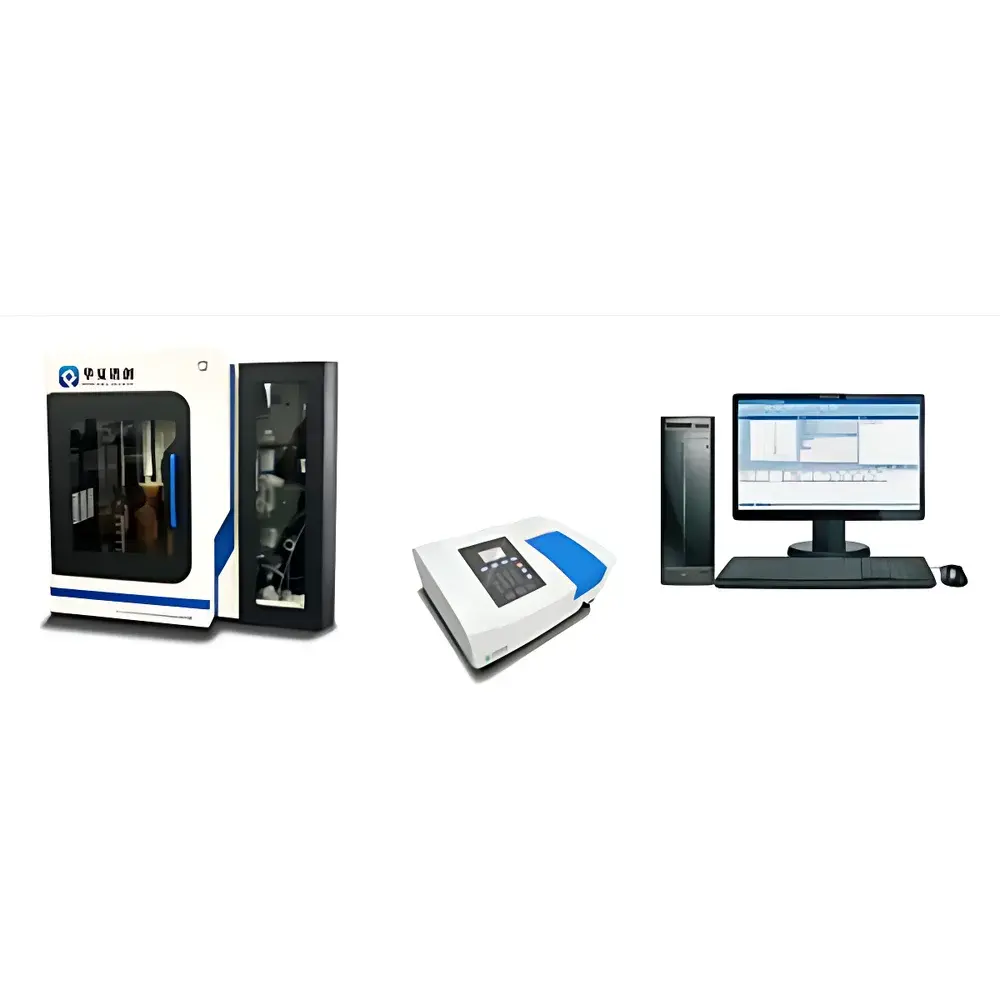
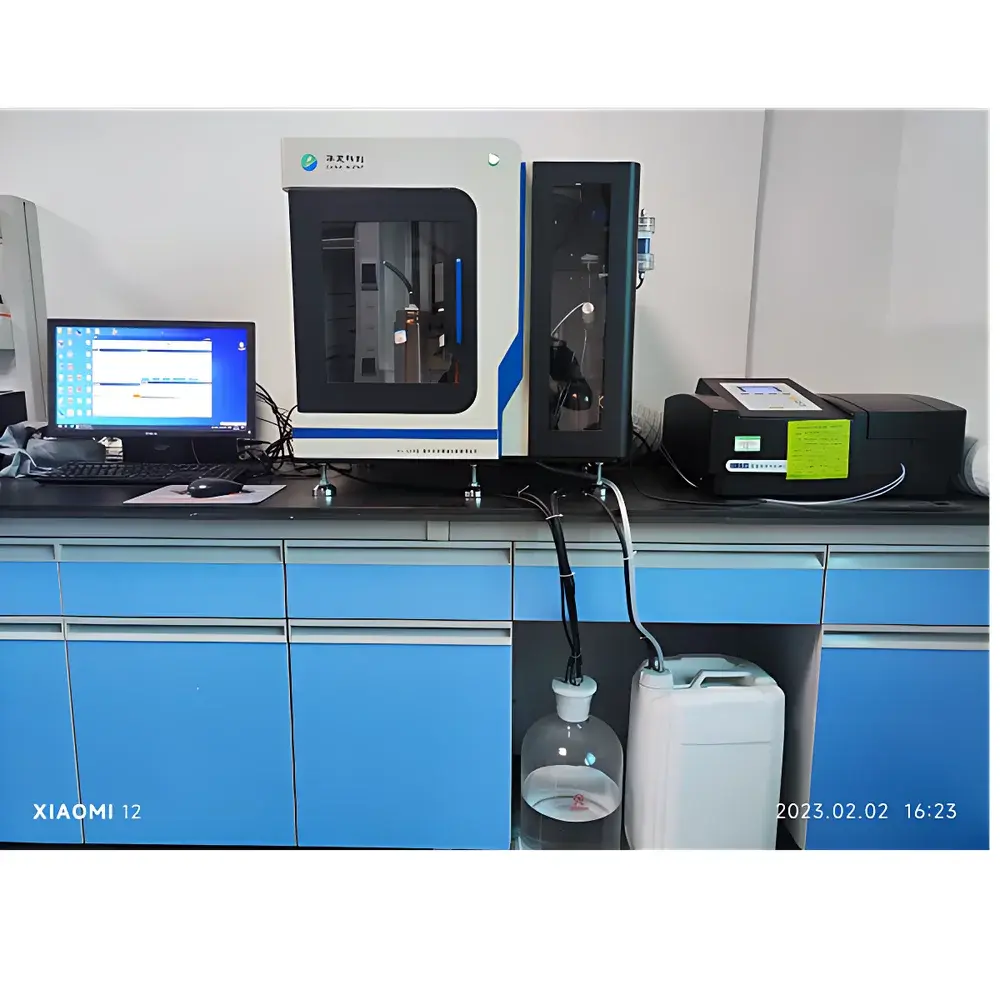
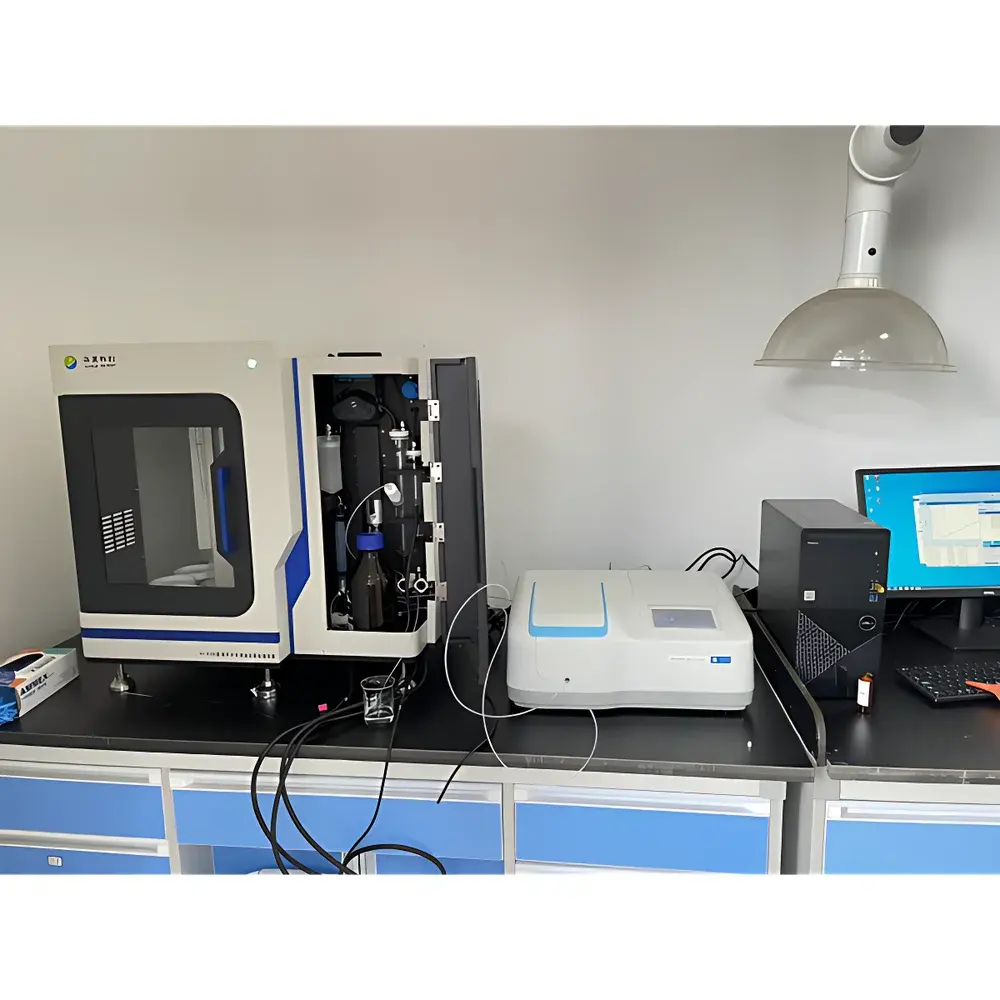
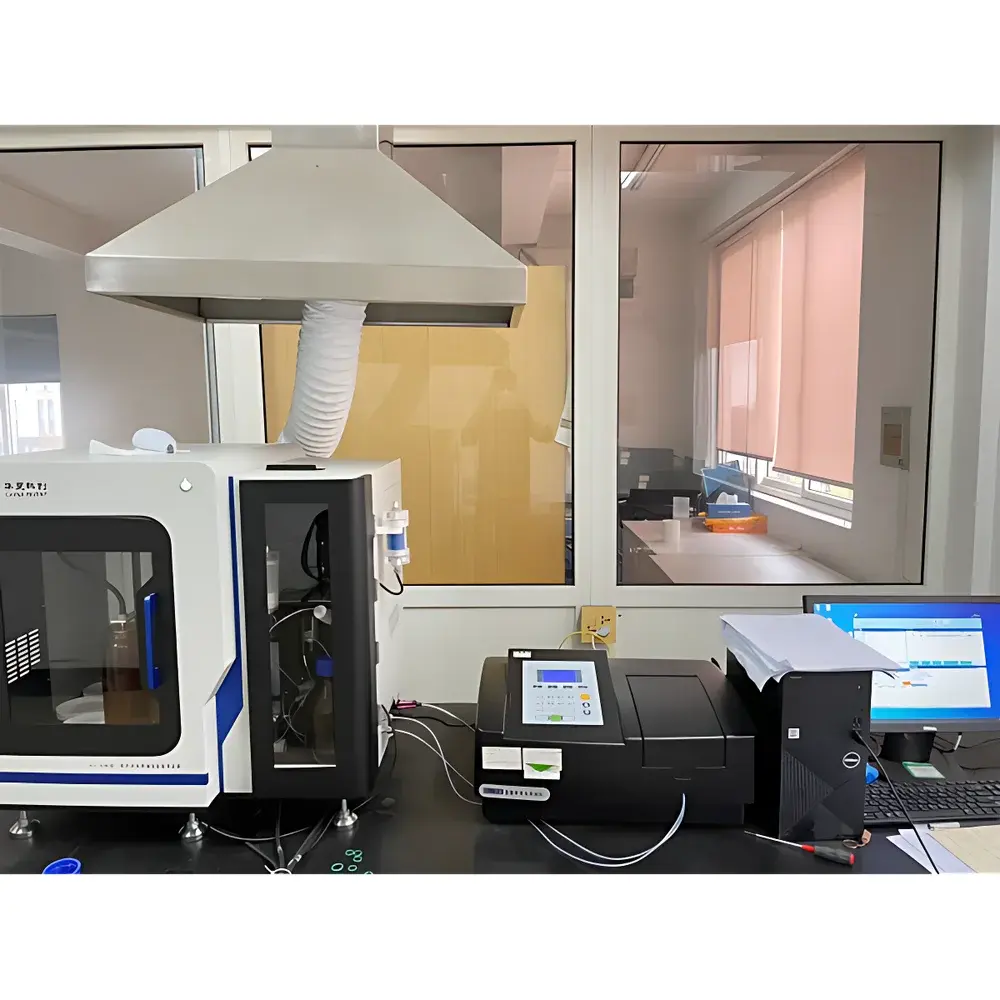
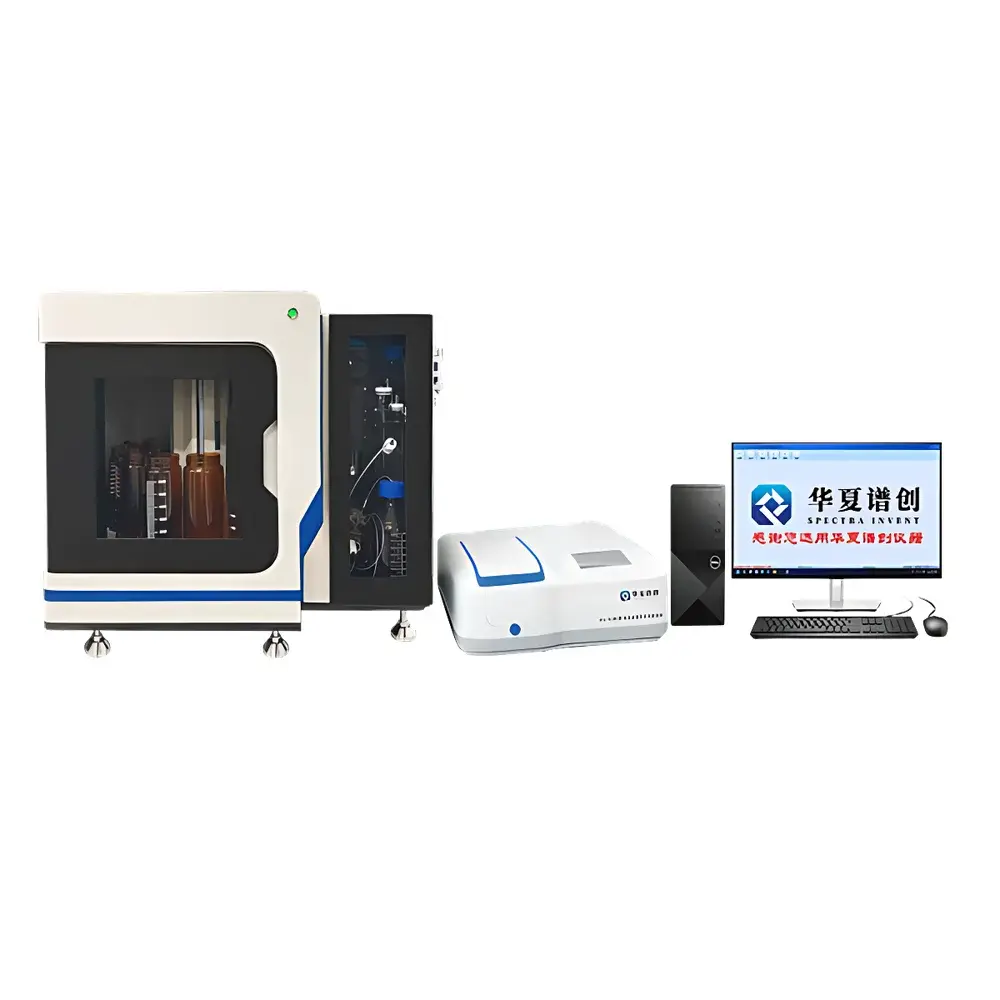
Spectra Invent OIL-520A Automated UV Spectrophotometric Oil Content Analyzer
| Brand | Spectra Invent |
|---|---|
| Origin | Beijing, China |
| Model | OIL-520A |
| Instrument Type | Laboratory Benchtop Analyzer |
| Measurement Principle | Ultraviolet (UV) Absorption Spectrophotometry (225 nm) |
| Detection Limit | 0.01 mg/L |
| Accuracy | ±2.0% (relative error vs. certified reference standards) |
| Sample Capacity | 10–14 positions on 360° motorized carousel |
| Sample Introduction | Dual-mode (fully automated + manual) |
| Volume Detection Method | Non-contact ultrasonic volumetric sensing |
| Sample Processing Architecture | Parallelized liquid handling (aspiration, extraction, volume measurement) |
Overview
The Spectra Invent OIL-520A is a laboratory-grade, fully automated UV spectrophotometric oil content analyzer engineered for precise quantification of total petroleum hydrocarbons (TPH) and mineral oil in aqueous environmental samples. It operates in strict accordance with the core optical principle defined in China’s HJ 970–2018 standard—ultraviolet absorption at 225 nm—and is functionally aligned with internationally recognized methodologies including ASTM D7066-04 (Standard Test Method for Determination of Oil and Grease in Water by Solvent Extraction and Infrared or UV-Vis Spectrophotometry). The system integrates dual-path sample introduction, non-contact ultrasonic volume measurement, and parallelized fluidic processing to deliver high reproducibility (<2.0% RSD across replicate analyses), trace-level detection (LOD = 0.01 mg/L), and compliance-ready operation in regulated water quality laboratories.
Key Features
- Dual-Mode Sample Introduction: Switch seamlessly between fully automated batch analysis (when integrated with optional solid-phase extraction or liquid-liquid extraction modules) and standalone manual operation—ideal for field-deployed labs or method validation workflows.
- 360° Motorized Sample Carousel: Accommodates 10–14 standardized amber glass sample vials (compliant with HJ 970–2018 specifications); supports mid-sequence sample addition without interrupting ongoing assays.
- Non-Contact Ultrasonic Volume Sensing: Measures sample volume prior to extraction without physical probe immersion; eliminates cross-contamination risk and ensures consistent pathlength normalization for Beer–Lambert law calculations.
- Parallelized Fluid Handling Architecture: Independent aspiration, extraction, and volumetric sensing axes enable concurrent processing—for example, while Sample #1 undergoes solvent aspiration, Sample #2 proceeds with phase separation, and Sample #3 completes ultrasonic volume confirmation.
- Intelligent Dilution Management: High-precision syringe pump detects absorbance saturation during calibration or unknown analysis and initiates user-defined dilution sequences (1:2 to 1:100); all dilution factors are auto-recorded and applied in final concentration calculation.
- Trace-Level Sensitivity & Stability: Optimized optical path design with stabilized deuterium lamp source and thermally regulated photodiode detector ensures long-term baseline stability and repeatability at sub-0.05 mg/L levels.
Sample Compatibility & Compliance
The OIL-520A accepts aqueous matrices including surface water, groundwater, wastewater effluent, and leachate—provided samples are pre-filtered (≤0.45 µm) and free of suspended solids that could interfere with UV transparency. All wetted components comply with USP Class VI biocompatibility requirements. The instrument meets essential regulatory expectations for environmental testing laboratories, including alignment with ISO/IEC 17025:2017 documentation controls, audit-trail-enabled data integrity (per FDA 21 CFR Part 11 principles), and full traceability of calibration history, reagent lot numbers, and operator IDs. Certificate of Conformance (CoC) and factory calibration report are supplied with each unit.
Software & Data Management
Controlled via SpectraLink™ v4.2 analytical software (Windows 10/11 compatible), the OIL-520A provides GLP-compliant data acquisition with time-stamped, immutable audit logs—including method parameters, raw absorbance spectra (190–400 nm), calibration curve statistics (R² ≥ 0.999), and QC flagging for out-of-spec results. Data export formats include CSV, PDF analytical reports, and XML for LIMS integration. Optional 21 CFR Part 11 module enables electronic signatures, role-based access control, and secure user authentication.
Applications
- Regulatory monitoring of oil content in municipal and industrial wastewater discharges (per GB 8978–1996 and local discharge permits)
- Groundwater remediation site assessment and long-term trend analysis
- Environmental impact assessments (EIA) for petrochemical facilities and port operations
- Quality control of treated effluent prior to environmental release
- Method validation and interlaboratory comparison studies under CNAS-accredited programs
FAQ
What wavelength does the OIL-520A use for quantification, and why?
The instrument operates at 225 nm—the primary absorption maximum for aliphatic and aromatic hydrocarbons in the UV region—ensuring optimal sensitivity and selectivity for total petroleum hydrocarbon measurement per HJ 970–2018.
Can the OIL-520A be used with alternative solvents such as n-hexane or cyclohexane?
Yes; the system supports method customization for solvent selection, provided the chosen extractant exhibits low UV background absorbance at 225 nm and complies with local hazardous material handling regulations.
Is third-party verification available for accuracy and linearity performance?
Each unit ships with NIST-traceable calibration verification using certified oil-in-water reference standards (0.1–10 mg/L range); optional annual performance qualification (PQ) services are available through authorized Spectra Invent service centers.
Does the software support automatic report generation compliant with Chinese EPA submission templates?
Yes—SpectraLink™ includes customizable report templates aligned with HJ 970–2018 reporting requirements, including mandatory fields for sampling date, analyst ID, instrument serial number, and uncertainty estimation.
What maintenance intervals are recommended for routine operation?
Optical path cleaning and lamp intensity verification every 200 hours; syringe pump calibration and ultrasonic sensor validation every 6 months; full system PQ annually or after major component replacement.
Related Products







