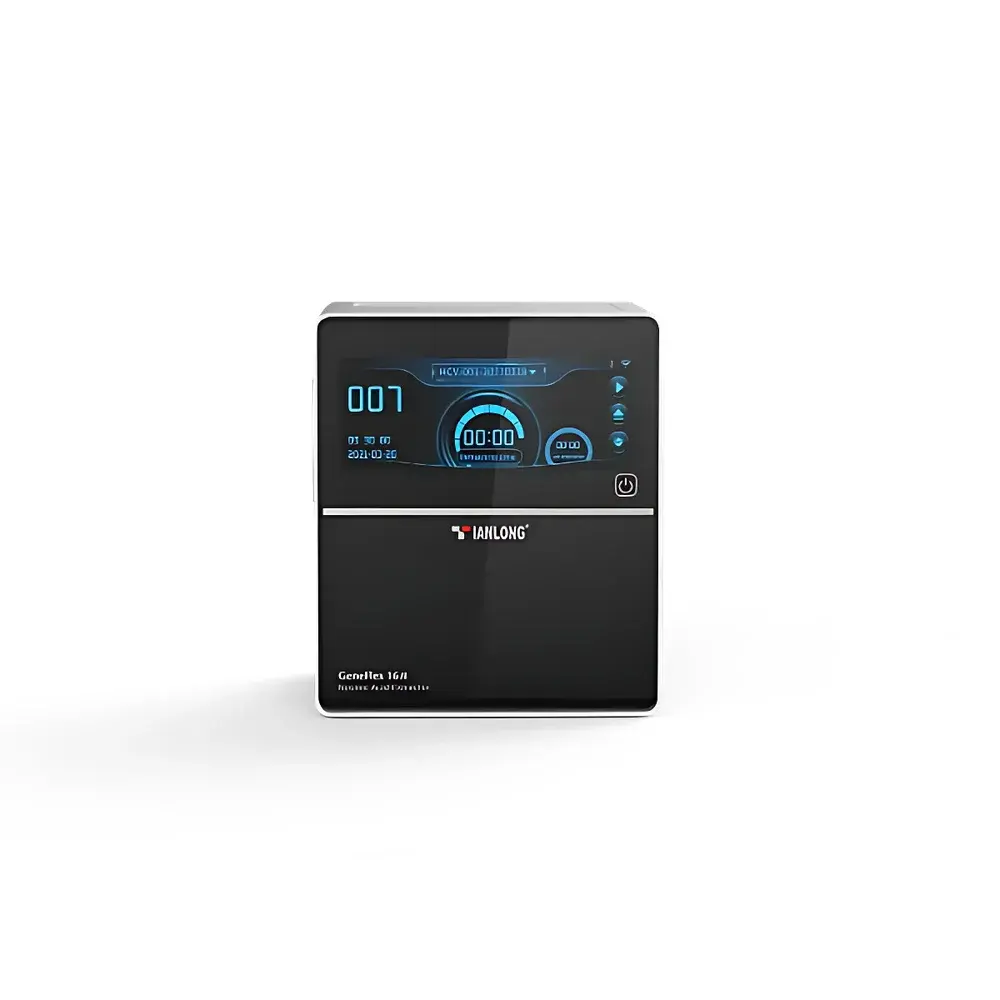
TIANLONG GeneFlex 16 Automated Nucleic Acid Extraction System
| Brand | TIANLONG |
|---|---|
| Origin | Shaanxi, China |
| Manufacturer Type | Original Equipment Manufacturer (OEM) |
| Product Category | Domestic |
| Model | GeneFlex 16 |
| Instrument Type | Magnetic Bead-Based Extraction |
| Automation Level | Dedicated Fully Automatic |
| Throughput per Run | 16 samples |
| Sample Volume Range | 20 µL – 1700 µL |
| Consumables | TIANLONG 96-well Deep-Well Plates, 6-tube Strips, and Compatible Stirring Sleeves |
| Cycle Time | 10–60 minutes per run |
| Third-Party Reagent Compatibility | Yes — supports all magnetic bead-based nucleic acid extraction kits |
| Regulatory Compliance | Compliant with Chinese Medical Device Class II registration requirements (No. 2022-3400087), adheres to ISO 13485:2016 quality management system standards for in vitro diagnostic devices |
Overview
The TIANLONG GeneFlex 16 Automated Nucleic Acid Extraction System is an engineered solution for high-integrity, low-footprint magnetic bead-based nucleic acid isolation in molecular diagnostics, clinical microbiology, and field-deployable testing environments. Built upon TIANLONG’s patented rotary mixing technology (CN Patent No. ZL201710435931.8), the GeneFlex 16 employs a precise dual-zone thermal control architecture—enabling independent temperature regulation for lysis (30–120°C) and elution steps—with ±1°C accuracy and ≤1°C uniformity across the heating block. Its core operational principle relies on controlled magnetic separation, sequential buffer exchange, and programmable rotational agitation (100–3000 rpm) to maximize binding efficiency, minimize carryover, and ensure reproducible yield recovery from diverse biological matrices—including whole blood, saliva, swabs, tissue homogenates, and environmental samples. Designed for compliance-critical workflows, the system integrates hardware-level contamination mitigation—HEPA-filtered negative-pressure exhaust, ozone generation, UV-C irradiation (254 nm), and real-time stirring sleeve presence detection—to support GLP-aligned sample processing in CLIA-certified labs and mobile biosafety units.
Key Features
- Dual-function thermal control module with rapid heating rate (4°C/s) and independent lysis/elution zone programming
- Rotary mixing mechanism optimized for uniform bead suspension and reduced shear-induced nucleic acid fragmentation
- Integrated stirring sleeve detection—prevents run initiation if sleeve is absent or misaligned
- Automated post-cycle UV-ozone decontamination followed by power-down sequence
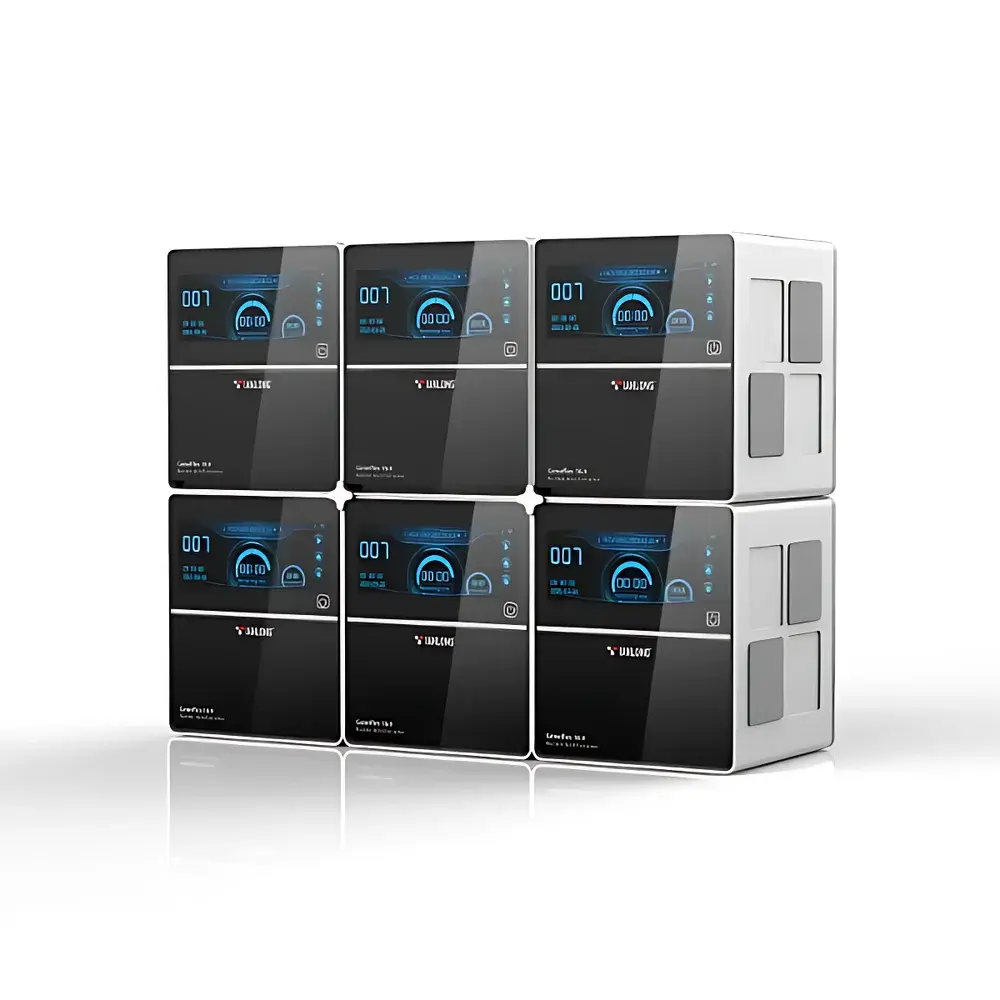
- Modular throughput design: scalable to 16×n configurations via synchronized multi-unit deployment without cross-run interference
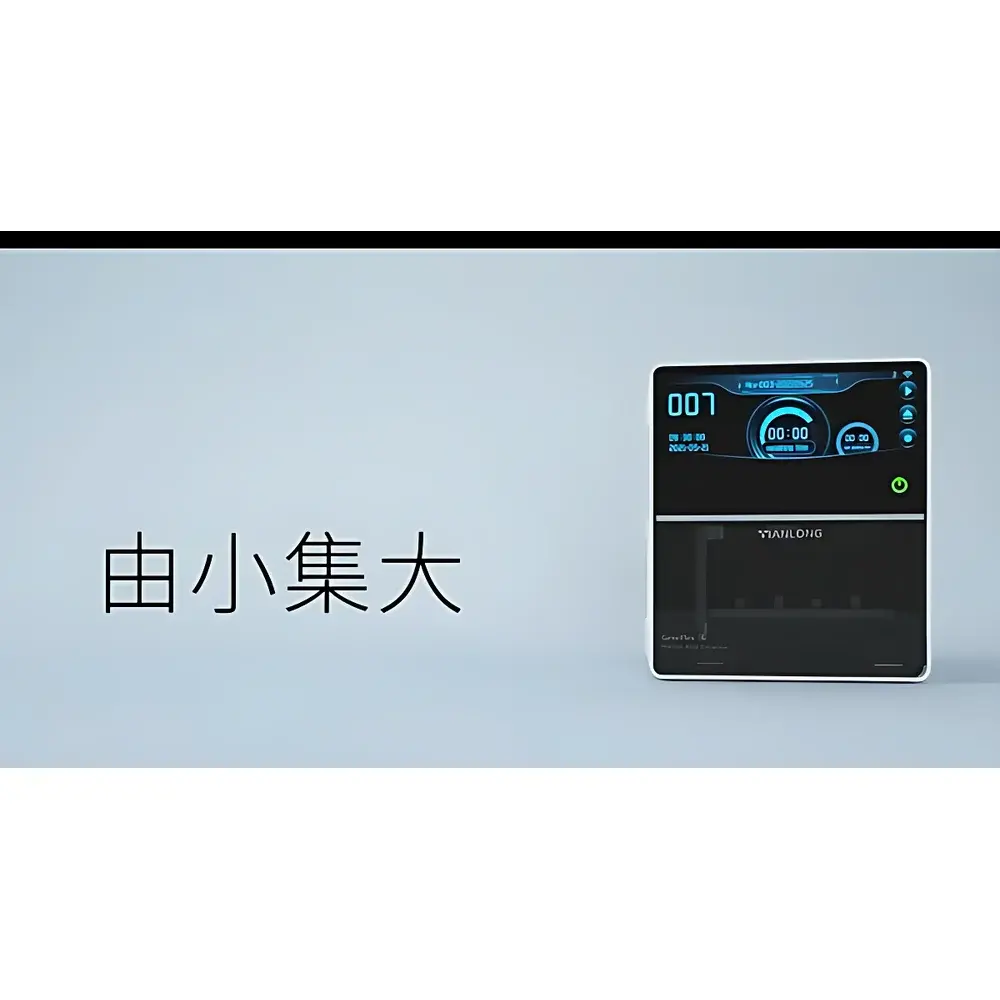
- Embedded dual-language UI (English/Chinese) with 6.86-inch capacitive touchscreen and optional Android-based remote control via local Wi-Fi
- Built-in power-fail recovery: resumes interrupted protocols upon AC restoration with user-selectable restart logic
Sample Compatibility & Compliance
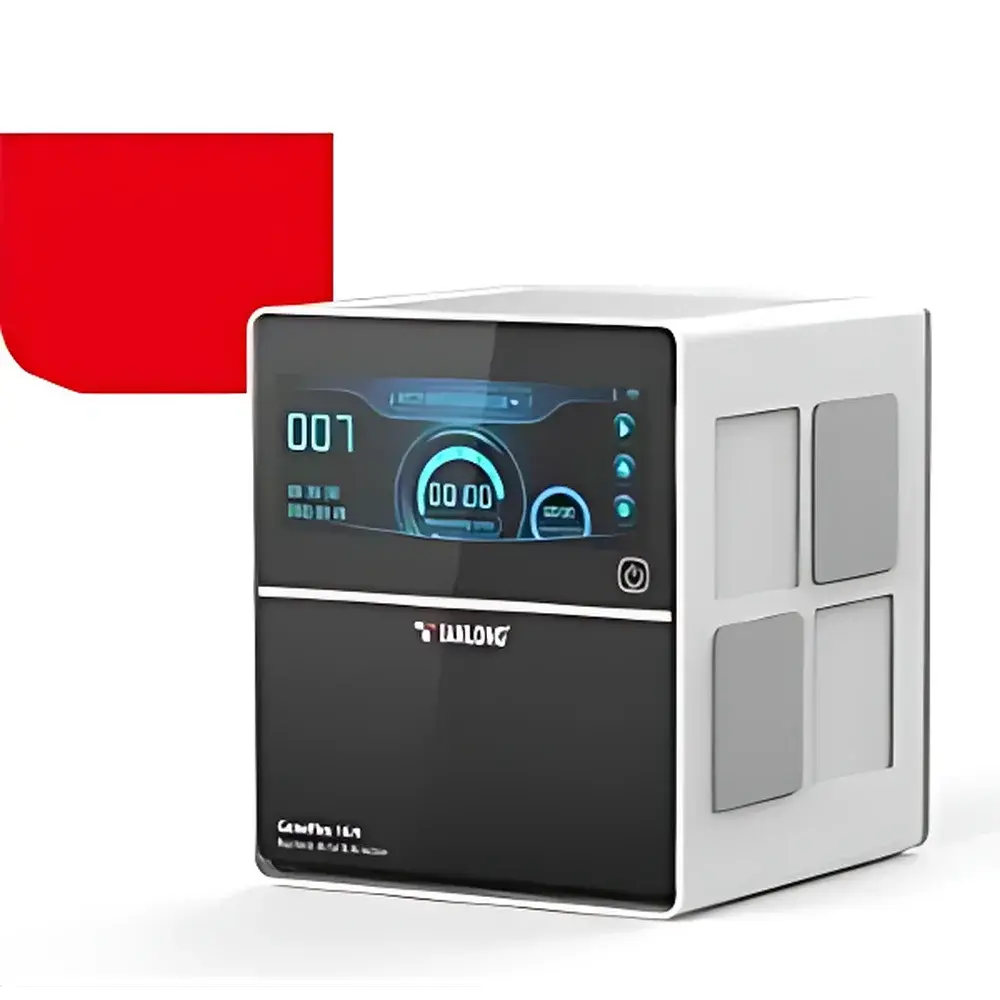
The GeneFlex 16 processes primary and secondary clinical specimens compliant with ISO 15189 and CLSI MM18-A guidelines for nucleic acid extraction. It accommodates standard consumables—including TIANLONG 96-well deep-well plates (1.2 mL capacity) and sterile 6-tube strip formats—while maintaining full compatibility with third-party magnetic bead reagents (e.g., QIAGEN MagAttract, Thermo Fisher KingFisher-compatible chemistries). All internal fluid pathways are non-sterile but validated for single-use disposable consumable operation. The instrument meets GB/T 14710–2009 environmental adaptability standards and operates reliably under ambient conditions of 10–30°C and ≤80% relative humidity. Its compact form factor (210 × 229 × 242 mm; 7.4 kg) and DC input option enable integration into mobile laboratory vehicles certified under CNAS T0031-2022 for emergency response deployment.
Software & Data Management
The onboard firmware supports up to 100 locally stored extraction protocols, each configurable for step-specific incubation time, rotation speed, temperature setpoint, and magnetic engagement duration. Remote protocol management is enabled through the TIANLONG Nucleic Acid Workflow Manager (Android v11+ app), which stores up to 10,000 protocols with version-controlled revision history and audit-trail logging. All user actions—including login events, program execution, error alerts, and UV cycle logs—are timestamped and exportable as CSV files. While not FDA 21 CFR Part 11-compliant out-of-the-box, the system supports optional GxP add-on modules for electronic signature enforcement, role-based access control, and immutable log archiving—validated per ISO/IEC 17025:2017 Annex A.5 requirements for accredited testing laboratories.
Applications
- Routine viral RNA/DNA extraction for SARS-CoV-2, influenza A/B, RSV, and enterovirus detection in hospital core labs
- High-yield plasmid and genomic DNA isolation from bacterial cultures and mammalian cell lines
- Forensic STR profiling using low-input buccal swabs and degraded tissue samples
- Point-of-need pathogen screening in border health stations, veterinary field clinics, and disaster relief units
- Pre-analytical automation for next-generation sequencing library prep workflows requiring consistent input quality
FAQ
Does the GeneFlex 16 support validation documentation for ISO 13485 or CLIA compliance?
Yes — TIANLONG provides IQ/OQ documentation packages, including installation qualification checklists, operational verification test scripts, and performance verification data for nucleic acid recovery efficiency (≥92% from 200 µL whole blood) and intra-run CV (≤4.3%).
Can the instrument be integrated into LIMS via HL7 or ASTM E1384 interfaces?
Native HL7 support is not embedded; however, the USB-host interface enables middleware-driven data export via CSV/JSON triggers synchronized with completion signals.
What is the maximum allowable carryover between runs, and how is it verified?
Residual magnetic bead retention is ≤1% per cycle, confirmed via gravimetric analysis of spent sleeves and validated using blank matrix extraction controls per ISO 20387:2018 Annex B.
Is remote firmware update capability available over cellular networks?
Firmware updates require local network access (Wi-Fi or Ethernet); cellular tethering is unsupported due to regulatory constraints on unattended OTA updates for IVD-class instruments.
How does the system handle viscous or inhibitor-rich samples such as stool or soil lysates?
Protocol customization includes extended lysis hold times, elevated temperature ramping (up to 120°C), and adaptive rotation profiles to improve bead dispersion—validated using WHO-recommended spiked inhibition panels.