TimePower TP5110 Low-Temperature Closed-Cup Flash Point Tester
| Brand | TimePower |
|---|---|
| Model | TP5110 |
| Origin | Beijing, China |
| Manufacturer | TimePower |
| Detection Method | Closed-Cup Equilibrium Method (ASTM D3278 / ISO 1523 / ISO 3679 / GB/T 5208) |
| Flash Point Range | −20 °C to +80 °C |
| Temperature Control Accuracy | ±0.5 °C |
| Repeatability | ≤2 °C (intra-operator), ≤3 °C (inter-operator) |
| Sample Volume | 2 mL (liquid), 4 mL (semi-solid/solid) |
| Ignition | Electronic spark ignition |
| Cooling | Peltier thermoelectric cooling + optional external chilled water circulation |
| Power Supply | AC 220 V ±10%, 50 Hz ±10%, ≤300 W |
| Operating Environment | 5–30 °C, 30–80% RH |
| Data Storage | 120 test records onboard |
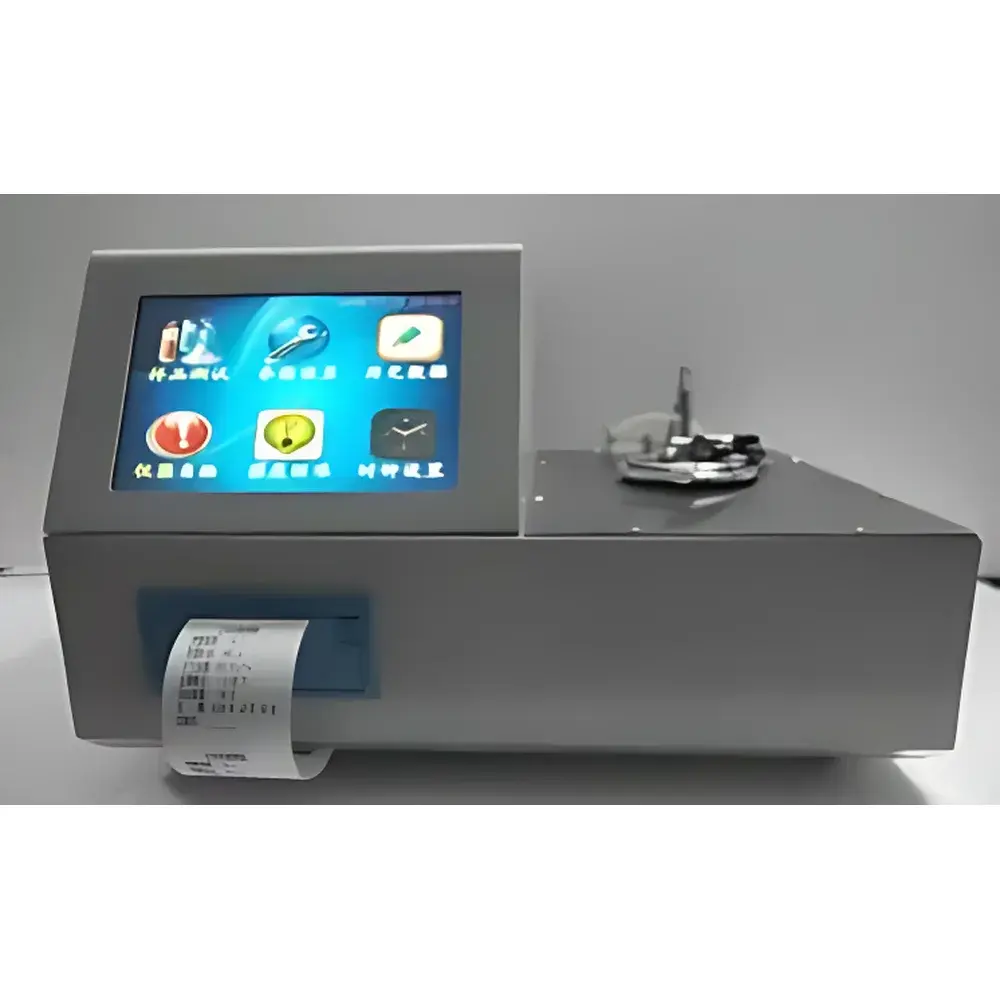
| Display | 8-inch industrial-grade true-color touchscreen (bilingual UI) |
Overview
The TimePower TP5110 Low-Temperature Closed-Cup Flash Point Tester is a fully automated analytical instrument engineered for precise and reproducible flash point determination of volatile petroleum products, solvents, coatings, lubricants, and related hydrocarbon-based materials in accordance with internationally harmonized closed-cup equilibrium methods. It operates on the principle of controlled heating of a sealed sample under standardized atmospheric conditions, where the vapor–air mixture above the liquid surface is exposed to an electronic ignition source. The lowest temperature at which a momentary flash occurs—indicating the onset of sustained flammability—is recorded as the flash point. This measurement is critical for safety classification (e.g., UN GHS Category 1–4), transportation compliance (IMDG Code, ADR/RID), storage hazard assessment, and quality control in refinery, petrochemical, aviation fuel, and industrial solvent manufacturing environments. The TP5110 implements the rapid equilibrium closed-cup protocol specified in GB/T 5208, ISO 1523, ISO 3679, and closely aligns with ASTM D3278 methodology—ensuring regulatory traceability across global supply chains.
Key Features
- True 8-inch industrial capacitive touchscreen interface with real-time bilingual (English/Chinese) operation—designed for glove-compatible use in laboratory and field QC settings.
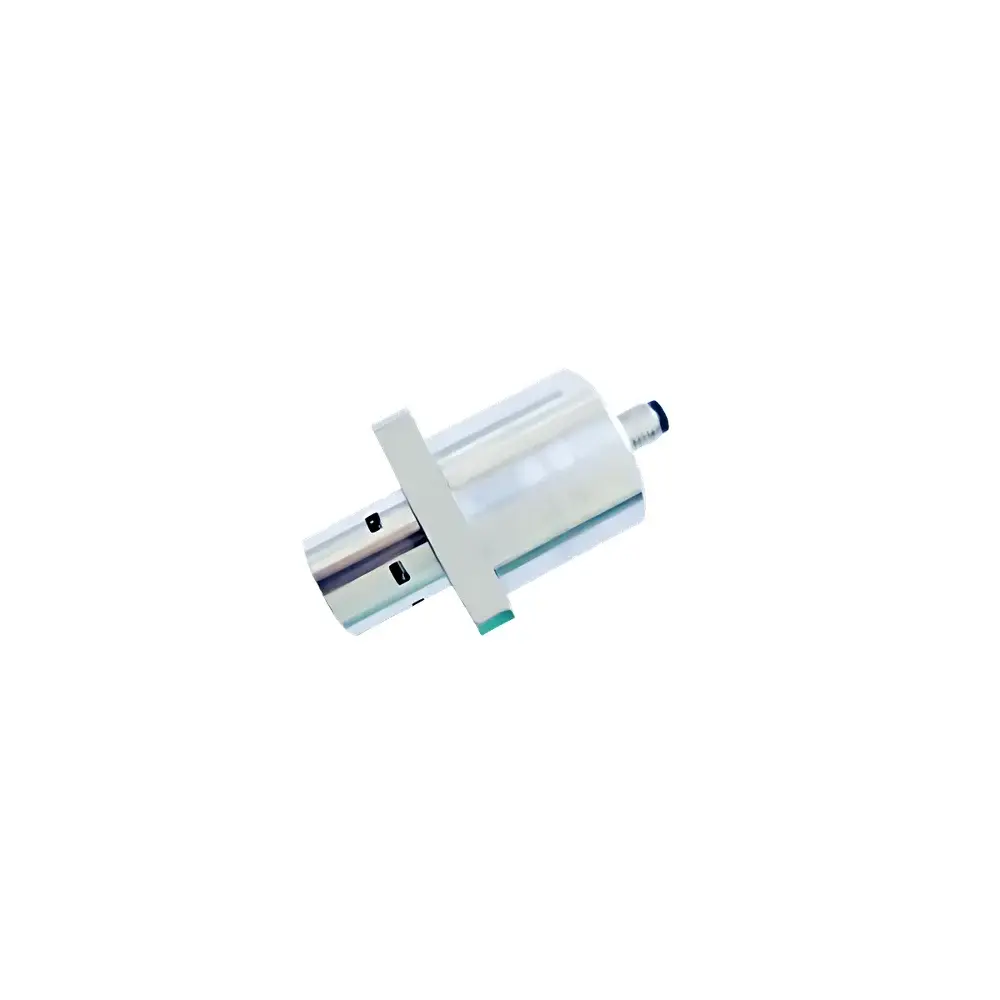
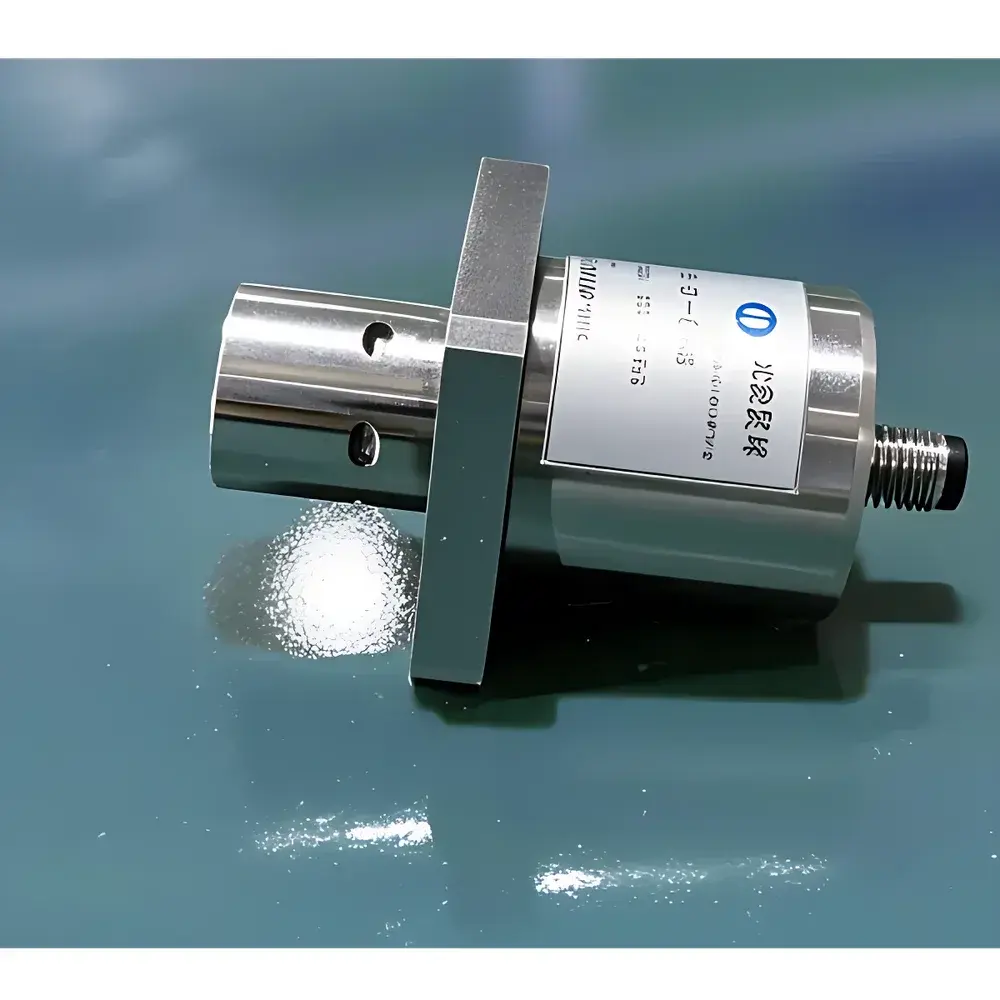
- Integrated high-accuracy PT1000 platinum resistance thermometer (±0.1 °C tolerance) coupled with adaptive PID temperature control algorithm ensuring ±0.5 °C thermal stability throughout the −20 °C to +80 °C measurement range.
- Millisecond-response flash detection system utilizing proprietary optical–thermal hybrid sensing architecture, eliminating false positives from ambient light or thermal transients.
- Automated barometric pressure compensation: internal absolute pressure sensor continuously corrects flash point values per ASTM E1–2022 Annex A1 and ISO 3679 Clause 7.3.
- Peltier-based thermoelectric cooling module enables rapid cooldown between tests (<90 s from 80 °C to 25 °C), eliminating reliance on cryogenic refrigerants or bulky compressor systems.
- Onboard non-volatile memory stores up to 120 complete test records—including date/time stamp, sample ID, raw temperature vs. time profile, detected flash event, and operator ID—accessible via USB export.
- Fully autonomous test sequence: auto-fill verification (via level sensor), ramp control, ignition timing synchronization, flash confirmation logic, thermal shutdown, and articulated test arm retraction—all executed without manual intervention beyond initial sample loading.
Sample Compatibility & Compliance
The TP5110 accommodates liquids, viscous fluids, pastes, and semi-solids (e.g., bitumen emulsions, greases, polymer solutions) with minimal sample volume requirements (2 mL for liquids; 4 mL for non-flowing matrices). Its closed-cup design meets functional equivalence to ASTM D93 (Pensky-Martens), ASTM D3278 (Tag Closed Cup), and ISO 2719—while its low-temperature capability extends applicability to biofuels (FAME, hydrotreated esters), refrigerants, and specialty solvents previously inaccessible to conventional flash testers. Instrument validation supports GLP-compliant workflows: audit trail logging (operator login, parameter changes, result edits), electronic signature readiness, and full alignment with FDA 21 CFR Part 11 data integrity principles when integrated with TimePower’s optional LIMS gateway software.
Software & Data Management
Embedded firmware provides real-time graphical visualization of temperature versus time curves during each test cycle, enabling immediate identification of anomalous vaporization behavior or thermal lag. All raw and processed data are stored in CSV-compatible format with embedded metadata (standard ID, environmental correction factors, calibration timestamps). Optional PC-based TimePower LabLink™ software (v4.2+) enables remote instrument control, batch report generation (PDF/Excel), statistical process monitoring (X-bar R charts), and automated upload to enterprise QA databases. Data export complies with ASTM E1394 and ISO/IEC 17025 clause 7.7.2 requirements for result traceability and long-term archival.
Applications
- Refinery off-gas condensate and naphtha fraction safety grading prior to pipeline transfer
- Aviation turbine fuel (Jet A-1, JP-8) cold-weather flash verification per DEF STAN 91-91
- Coating formulation QC for VOC-compliant architectural paints and industrial primers
- Pharmaceutical excipient solvent residue testing under ICH Q5C guidelines
- Railway diesel fuel cold-filter plugging point correlation studies
- UN transport classification (Class 3 Flammable Liquids) documentation for SDS authoring
FAQ
What standards does the TP5110 comply with?
It conforms to GB/T 5208, ISO 1523, ISO 3679, and exhibits methodological equivalence to ASTM D3278 and ASTM D93 (low-range mode).
Is external cooling water mandatory?
No—Peltier cooling alone suffices for most routine testing; external chilled water (5–15 °C supply) is recommended only for high-throughput labs requiring sub-60-second cooldown cycles.
Can the instrument be calibrated in-house?
Yes—built-in calibration mode accepts certified reference standards (e.g., n-decane, cyclohexane) with NIST-traceable certificates; calibration logs are stored with digital signatures.
How is data integrity ensured during power interruption?
Non-volatile FRAM memory retains all active test states and partial results; upon restart, the system resumes from last valid checkpoint without data loss.
What maintenance is required for the flash detection sensor?
The optical–thermal detector requires quarterly cleaning with lint-free swab and isopropyl alcohol; no recalibration is needed unless physical damage occurs.
Related Products