
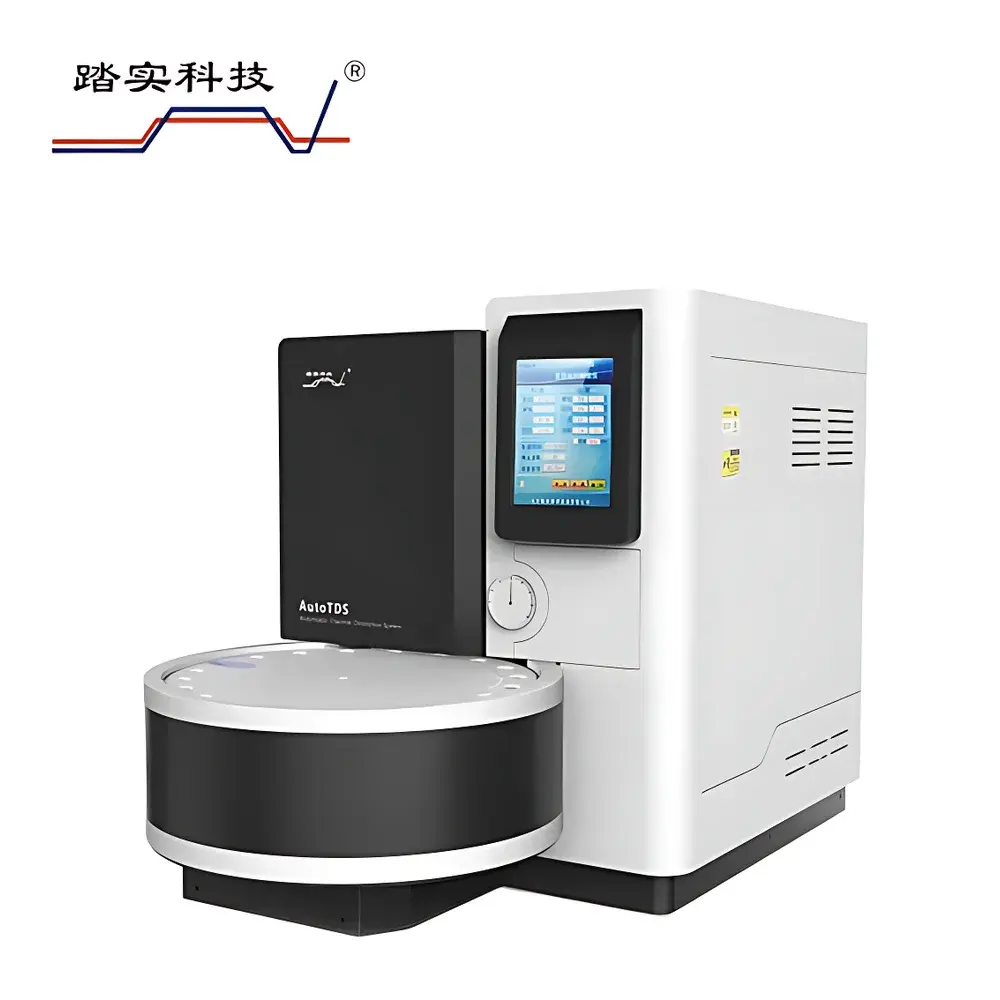
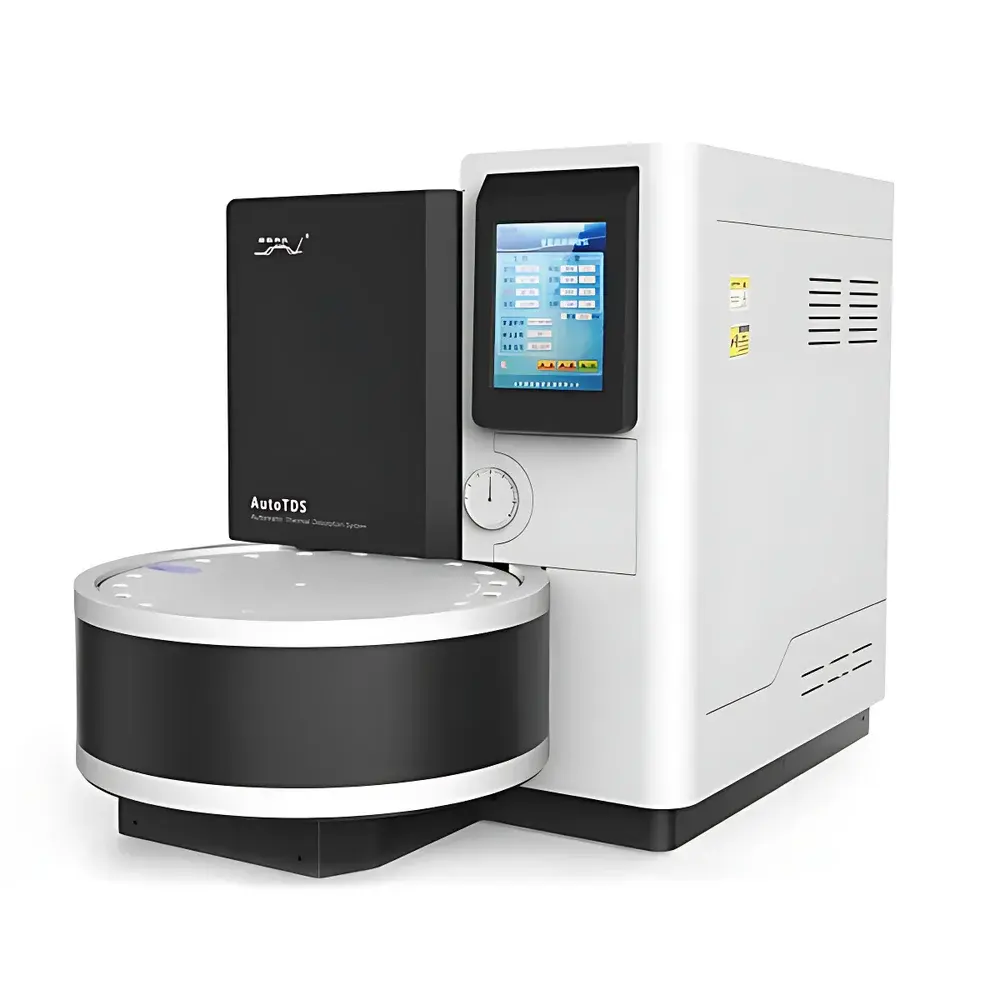
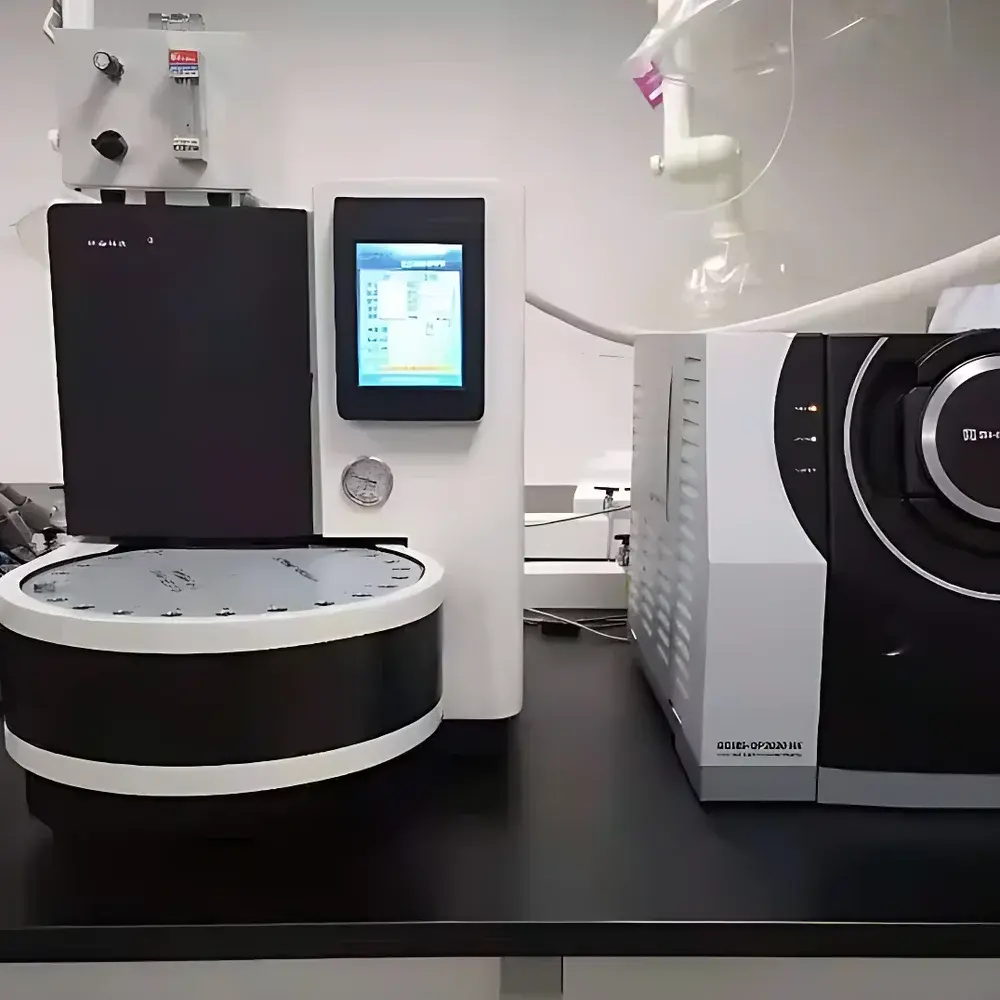
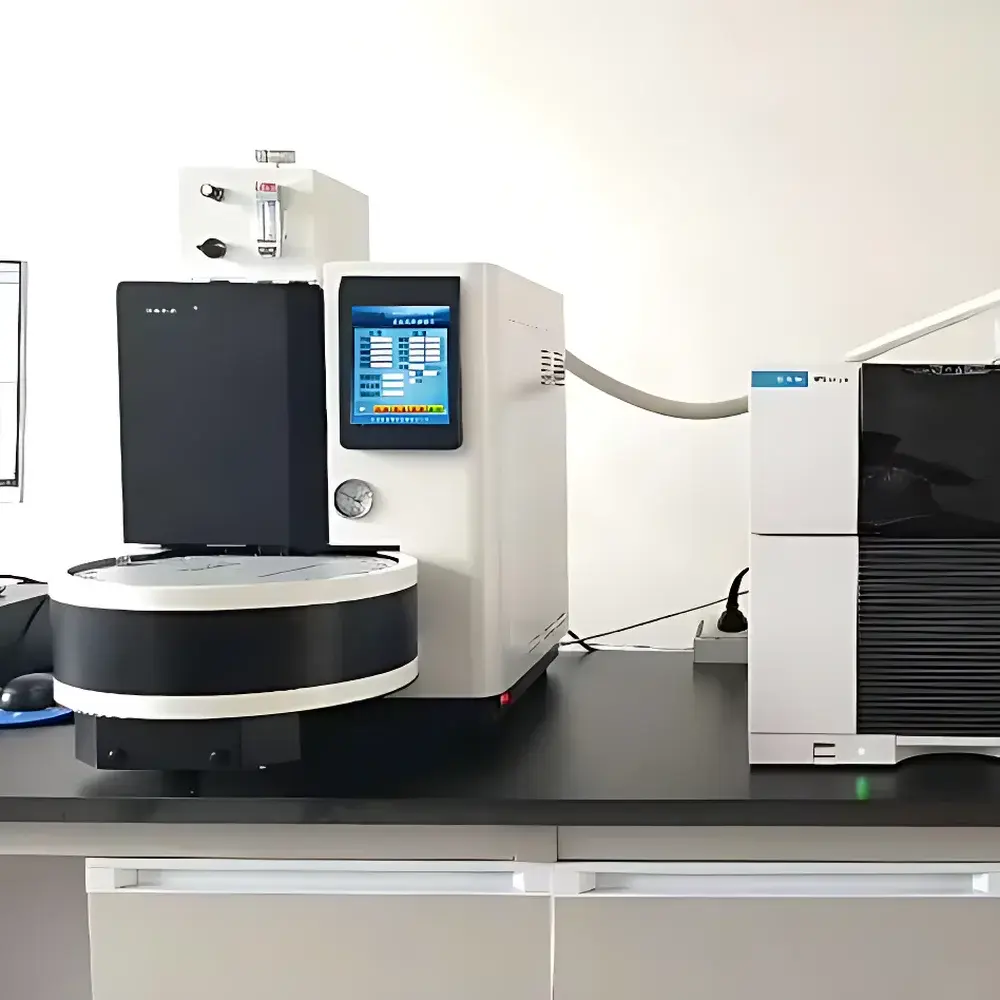
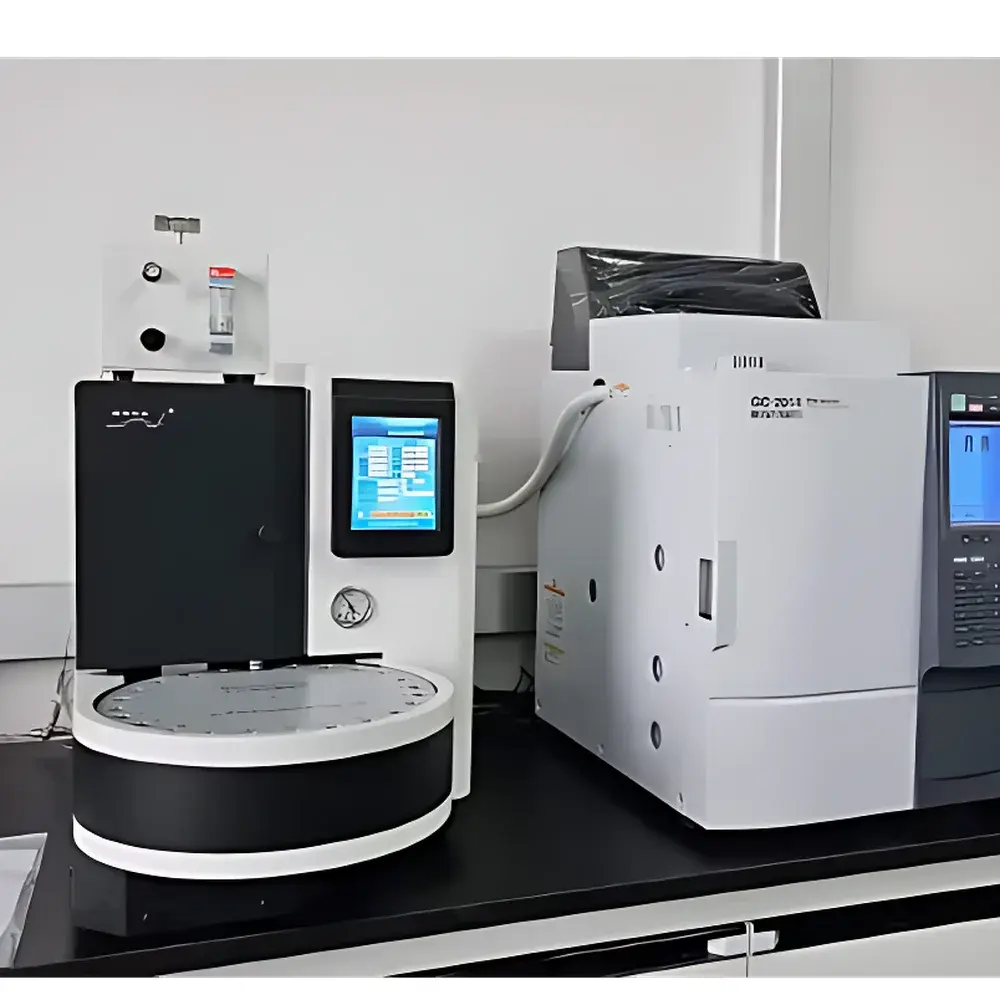
TouchScience AutoTDS-VPro Fully Automated Two-Stage Thermal Desorber
| Brand | TouchScience |
|---|---|
| Origin | Beijing, China |
| Manufacturer Type | Direct Manufacturer |
| Instrument Type | Two-Stage Thermal Desorber |
| Automation Level | Fully Automated |
| Primary Desorption Temperature Range | Ambient to 400 °C |
| Valve Heating Temperature Range | Ambient to 200 °C |
| Transfer Line Temperature Range | Ambient to 250 °C |
| Cryo-Focusing Trap Temperature Range | Down to −35 °C |
| Temperature Control Accuracy | ±1 °C |
| Analyte Recovery Rate | >95% |
| Sample Capacity | 24 positions |
| Flow Monitoring | Electronic Mass Flow Display for Purge and Back-Flush |
| Leak Detection | Automatic Adsorbent Tube & System Integrity Check Prior to Each Run |
| Sample Tube Material | Silanized Stainless Steel Tubing |
| GC Interface | Direct Carrier Gas Integration (No Injection Port Occupancy) |
| Power-Driven Valving | Electric 6-Port Rotary Valve + Solenoid Valves (No Pneumatic Air Supply Required) |
Overview
The TouchScience AutoTDS-VPro is a fully automated, two-stage thermal desorption system engineered for high-fidelity volatile organic compound (VOC) and semi-volatile organic compound (SVOC) analysis in environmental, occupational hygiene, and forensic laboratories. It operates on the principle of sequential thermal desorption: first, analytes are thermally released from sorbent tubes under controlled inert gas flow (primary desorption); second, they are cryogenically focused in a cooled trap (−35 °C), then rapidly thermally desorbed (secondary desorption) and transferred quantitatively into a gas chromatograph (GC) or GC–mass spectrometer (GC–MS). This two-stage architecture enhances sensitivity by 10–100× compared to single-stage systems and minimizes breakthrough and carryover—critical for trace-level analysis per EPA Method TO-17, ISO 16017-1, and ASTM D6196. The system integrates seamlessly with all major GC/GC–MS platforms via TTL synchronization and software-level command protocols, enabling method-triggered instrument startup and data correlation without manual intervention.
Key Features
- Fully automated 24-position sample carousel with programmable sequence execution—including dry-purge (O2/H2O removal), primary desorption with optional split/splitless mode, cryo-focusing, secondary desorption, GC injection, and post-run back-flush.
- Independent, PID-controlled heating zones: primary desorption oven (ambient–400 °C), valve manifold (ambient–200 °C), transfer line (ambient–250 °C), and cryo-trap (−35 °C to 400 °C), eliminating cold spots and ensuring quantitative transfer.
- Electrically actuated 6-port rotary valve combined with solenoid valves—no external air supply required, improving long-term reliability and reducing maintenance overhead.
- Integrated electronic mass flow sensors for real-time monitoring and logging of purge and back-flush gas flows—traceable to NIST-traceable calibration standards.
- On-board leak detection: automatic pressure decay test performed prior to each tube processing cycle to verify adsorbent tube seal integrity and system gas-tightness.
- Silanized stainless-steel sample pathways throughout—minimizing surface adsorption, catalytic degradation, and memory effects for polar and reactive compounds (e.g., aldehydes, organic acids).
- Resistive direct-heating cryo-trap with rapid ramp rates (>80 °C/s) and precise temperature staging—optimized for sharp band focusing and minimal peak broadening.
Sample Compatibility & Compliance
The AutoTDS-VPro accommodates standard 1/4″ OD stainless steel or glass sorbent tubes (e.g., Tenax TA, Carbopack B/C, Carboxen 1000, and multi-bed configurations) used in accordance with EPA TO-11A, TO-14A, TO-15, and TO-17. Its validated recovery rate (>95% across C2–C16 hydrocarbons, aromatics, oxygenates, and halogenated VOCs) meets the performance criteria outlined in ISO 16017-1:2000 and EN 14662. All temperature and timing parameters are logged with timestamps and user ID attribution, supporting GLP/GMP-compliant workflows. Audit trail functionality—including method versioning, parameter change history, and run log export—aligns with FDA 21 CFR Part 11 requirements when deployed with compliant LIMS or chromatography data systems (CDS).
Software & Data Management
The embedded control software provides a 7″ capacitive touchscreen interface with real-time graphical display of zone temperatures, valve states, flow readings, and method progress. Up to 10 user-defined methods—including custom ramp profiles, split ratios (manually adjustable from 1:1 to 1:50), and hold times—can be stored locally. Method files are exportable in CSV and XML formats for cross-platform compatibility. Synchronization output (TTL pulse) triggers GC oven start, detector activation, and CDS acquisition simultaneously upon injection—ensuring temporal alignment critical for retention time locking and library matching. Remote operation is supported via Ethernet TCP/IP; API integration (HTTP/REST) enables orchestration within automated laboratory environments (e.g., robotic sample handling systems).
Applications
The AutoTDS-VPro supports routine and research-grade applications including indoor air quality (IAQ) monitoring per ISO 16000-6, workplace exposure assessment (OSHA/NIOSH methods), ambient air toxics screening (EPA Region 5/8 protocols), consumer product emissions testing (e.g., VOCs from adhesives, paints, and building materials), and forensic fire debris analysis (ASTM E1412). Its low-temperature trapping capability and high recovery fidelity make it especially suitable for thermally labile compounds such as formaldehyde, acetaldehyde, and monoterpenes—where conventional thermal desorbers risk decomposition or incomplete elution.
FAQ
Does the AutoTDS-VPro require an external compressed air source for valve actuation?
No. All valving is driven by electric rotary and solenoid actuators—eliminating dependency on pneumatic infrastructure and associated moisture/oil contamination risks.
Can the system perform split and splitless primary desorption on the same instrument?
Yes. Split ratio is manually adjustable between 1:1 and 1:50 via calibrated restrictors, allowing optimization for high-concentration or ultra-trace samples without hardware modification.
Is cold trap temperature programmable during the focusing step?
Yes. The cryo-trap temperature setpoint, hold time, and re-focusing ramp profile are fully configurable within each method—supporting both single-step and multi-step cryo-focusing strategies.
How is system integrity verified before sample processing?
An automated pressure decay test is executed on every tube prior to desorption, detecting leaks ≥0.5 mL/min at 100 kPa—compliant with ISO 16017-1 Annex C verification procedures.
What GC interfaces are supported for synchronization and control?
Standard TTL-level trigger output is provided; optional RS-232 or Ethernet-based command protocols are available for direct integration with Agilent, Thermo Fisher, Shimadzu, and PerkinElmer GC/GC–MS platforms.




