
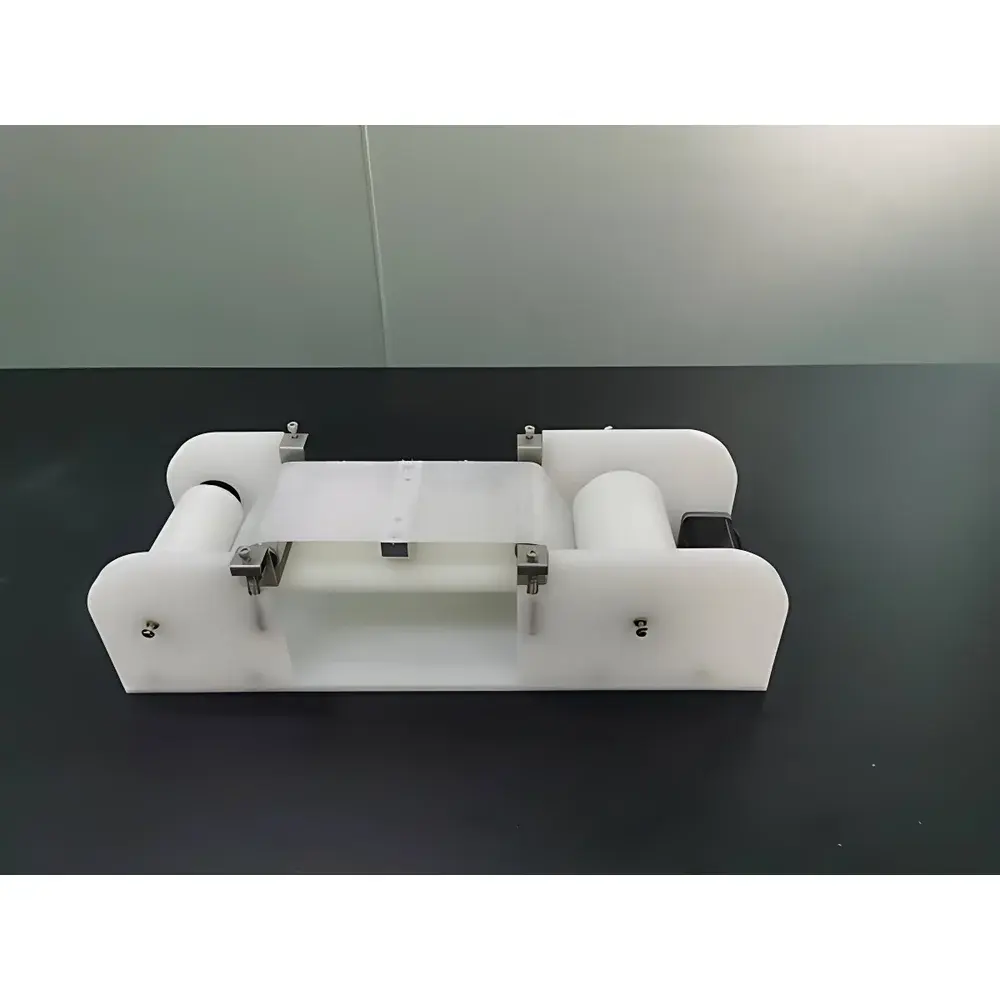
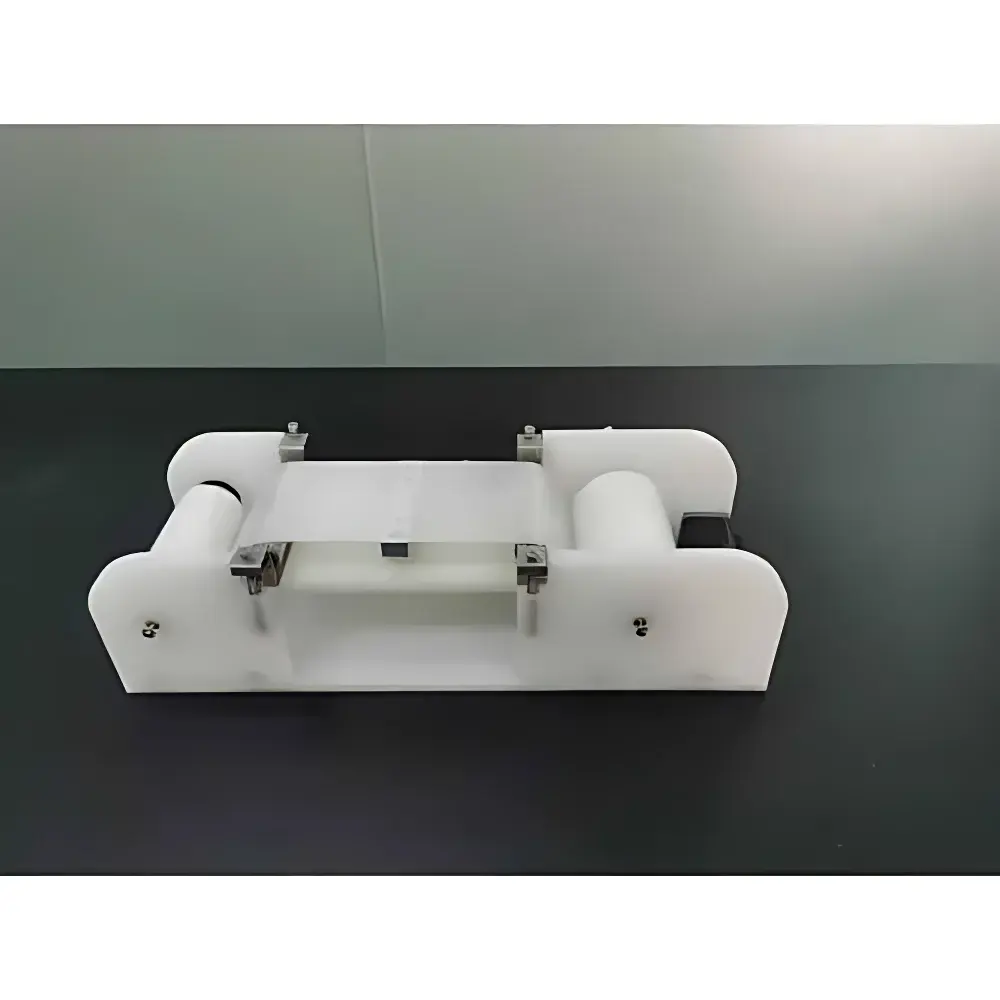
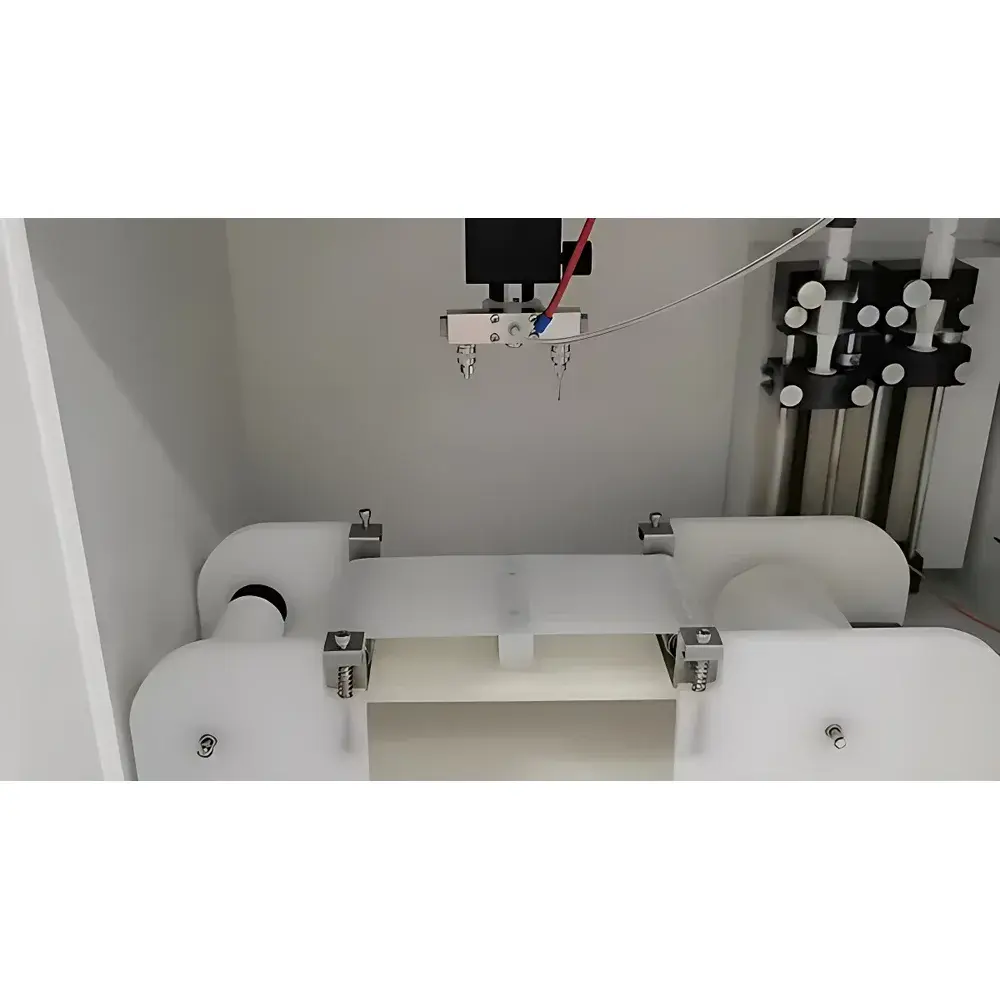
Truelab RRC-1 Roll-to-Roll Electrospinning Collector
| Brand | Truelab |
|---|---|
| Origin | Shanghai, China |
| Manufacturer Type | Authorized Distributor |
| Country of Origin | China |
| Model | RRC-1 |
| Price | USD 1,400 (approx.) |
| Base Web Width | 100 mm |
| Speed Range | 0.01–10 rpm |
| Linear Velocity Range | 0.13–52.44 mm/s |
| Drum Diameter Compatibility | 25–100 mm |
| Roller Height Adjustment | 0–24 mm |
| Max Power Consumption | 45 W |
| Supply Voltage | 24 V DC |
| Frame Material | PP Polypropylene |
| Roller & Mount | 304 Stainless Steel |
| Grounding Plate | Anodized Aluminum |
| Net Weight | 7.5 kg |
| Cable | 1 m, 5-pin aviation connector |
| Operating Temperature | 5–45 °C |
Overview
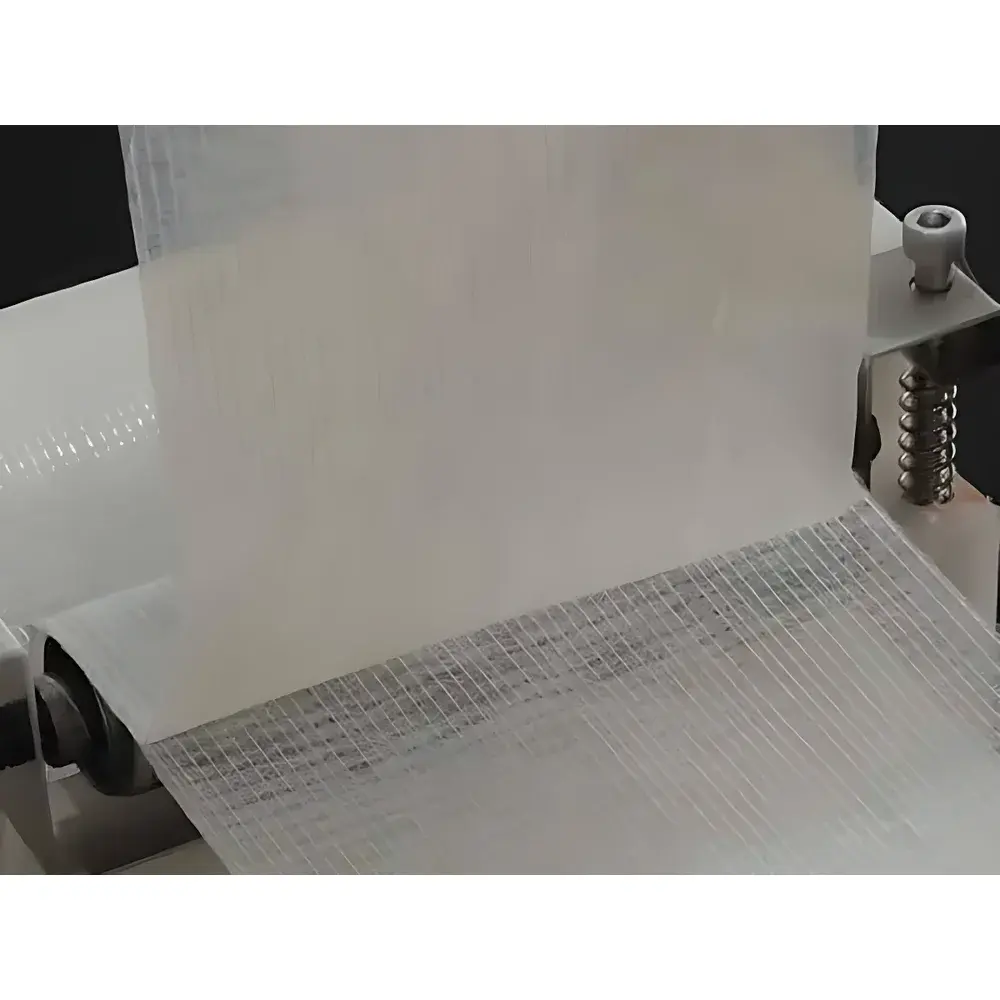
The Truelab RRC-1 Roll-to-Roll Electrospinning Collector is an engineered solution for continuous, uniform deposition of electrospun nanofibers onto flexible substrates—enabling scalable production of functional nanofiber membranes for filtration, wound dressing, battery separators, and sensing applications. Designed explicitly for integration into laboratory- and pilot-scale electrospinning systems, the RRC-1 operates on the principle of controlled rotational substrate transport under high-voltage electrostatic fields. Its core function is to maintain precise, low-torque web tension while synchronizing linear velocity with fiber jet dynamics—critical for achieving consistent areal mass, thickness homogeneity, and inter-fiber alignment. Unlike static collectors or drum-based alternatives, the RRC-1 employs a dynamically balanced roll-to-roll architecture that minimizes edge effects, eliminates fiber pile-up at start/stop transitions, and supports uninterrupted collection over extended durations (≥8 h continuous operation). The system’s compact footprint (W × D × H: 280 × 260 × 220 mm) allows seamless installation inside existing electrospinning enclosures or gloveboxes without compromising access or safety interlocks.
Key Features
- Electrospinning-optimized mechanical design: Integrated grounding plate with optimized geometry ensures uniform electric field distribution across the full 100 mm web width—reducing localized charge accumulation and improving fiber deposition uniformity.
- Modular, tool-free assembly: Base frame, rollers, and drive module are mechanically decoupled via standardized mounting interfaces—facilitating rapid reconfiguration, in-situ maintenance, and compatibility with third-party spinnerets or high-voltage supplies.
- Motorized precision speed control: Equipped with a certified industrial-grade DC motor (imported brand, IP54 rated), delivering stable torque output from 0.01 rpm (for ultra-slow deposition studies) up to 10 rpm (supporting linear velocities up to 52.44 mm/s at Ø100 mm drum diameter).
- Self-regulating tension management: Dual spring-loaded lift arms provide synchronized vertical adjustment (0–24 mm range) and passive web tension compensation—eliminating manual recalibration during spool changes or substrate thickness variations.
- ESD-safe structural integrity: Entire frame fabricated from medical-grade PP polypropylene—non-conductive, chemically inert, and compliant with ISO 10993 biocompatibility screening requirements for cleanroom and biomedical research use.
- Interoperable control architecture: Native support for integration with Truelab’s series of electrospinning controllers (e.g., ESM-3000 platform) via 5-pin aviation interface; also compatible with external PLCs or LabVIEW-based DAQ systems through analog voltage (0–10 V) and digital I/O signals.
Sample Compatibility & Compliance
The RRC-1 accommodates standard electrospinning substrates including PET, PI, PTFE, nonwovens, and conductive fabrics (thickness: 12–250 µm). Its 100 mm nominal web width aligns with ASTM D882 tensile testing specimen dimensions and ISO 9073-10 nonwoven characterization protocols. All metallic components—including 304 stainless steel rollers and anodized aluminum grounding plates—meet RoHS Directive 2011/65/EU and REACH Annex XVII substance restrictions. The unit is CE-marked per Machinery Directive 2006/42/EC and Low Voltage Directive 2014/35/EU. Grounding continuity (<0.1 Ω resistance to earth) is verified per IEC 61000-6-3 for electromagnetic compatibility in shared lab environments.
Software & Data Management
While the RRC-1 operates as a stand-alone electromechanical collector, its controller interface supports time-stamped operational logging (speed, voltage, runtime) when paired with Truelab’s optional ESM-DataLink firmware. This enables audit-ready traceability aligned with GLP-compliant documentation workflows. Raw encoder pulses and analog feedback signals are accessible for custom scripting (Python/MATLAB), supporting correlation of collection parameters with downstream characterization data (e.g., SEM fiber diameter histograms, BET surface area, or permeability test results). No proprietary cloud services or mandatory subscriptions are required—data remains fully local and exportable in CSV/JSON formats.
Applications
- Scalable fabrication of nanofiber air/water filters (EN 1822-1:2019, ISO 16890 validation readiness)
- Continuous production of bioactive wound dressings with controlled drug release kinetics (USP dissolution modeling)
- Deposition of aligned nanofiber scaffolds for neural tissue engineering (ISO 10993-5 cytotoxicity screening compatible)
- In-line quality monitoring during pilot-scale electrospinning process development (supports Design of Experiments frameworks per ISO 16140)
- Integration into hybrid manufacturing lines combining electrospinning with hot-press lamination or plasma functionalization
FAQ
What substrate widths can the RRC-1 accommodate beyond the standard 100 mm?
Custom web width configurations (up to 300 mm) are available upon engineering review; lead time increases by 4–6 weeks.
Is the grounding plate compatible with high-voltage electrospinning setups exceeding 30 kV?
Yes—the anodized aluminum plate is rated for continuous operation at ≤50 kV DC with proper enclosure grounding per IEC 61000-4-2 ESD immunity standards.
Can the RRC-1 be operated inside a nitrogen-purged glovebox?
Yes—its 24 V DC power architecture, absence of internal electronics, and sealed motor housing meet Class II, Division 2 hazardous location requirements for inert atmospheres.
Does the system include calibration certification?
A factory-verified speed calibration report (NIST-traceable encoder verification) is included; optional ISO/IEC 17025 accredited calibration is available.
How is maintenance performed on the spring-loaded roller assembly?
Roller height adjustment mechanism requires no lubrication; stainless steel components are corrosion-resistant and validated for ≥10,000 operational cycles under 24/7 lab use conditions.





