
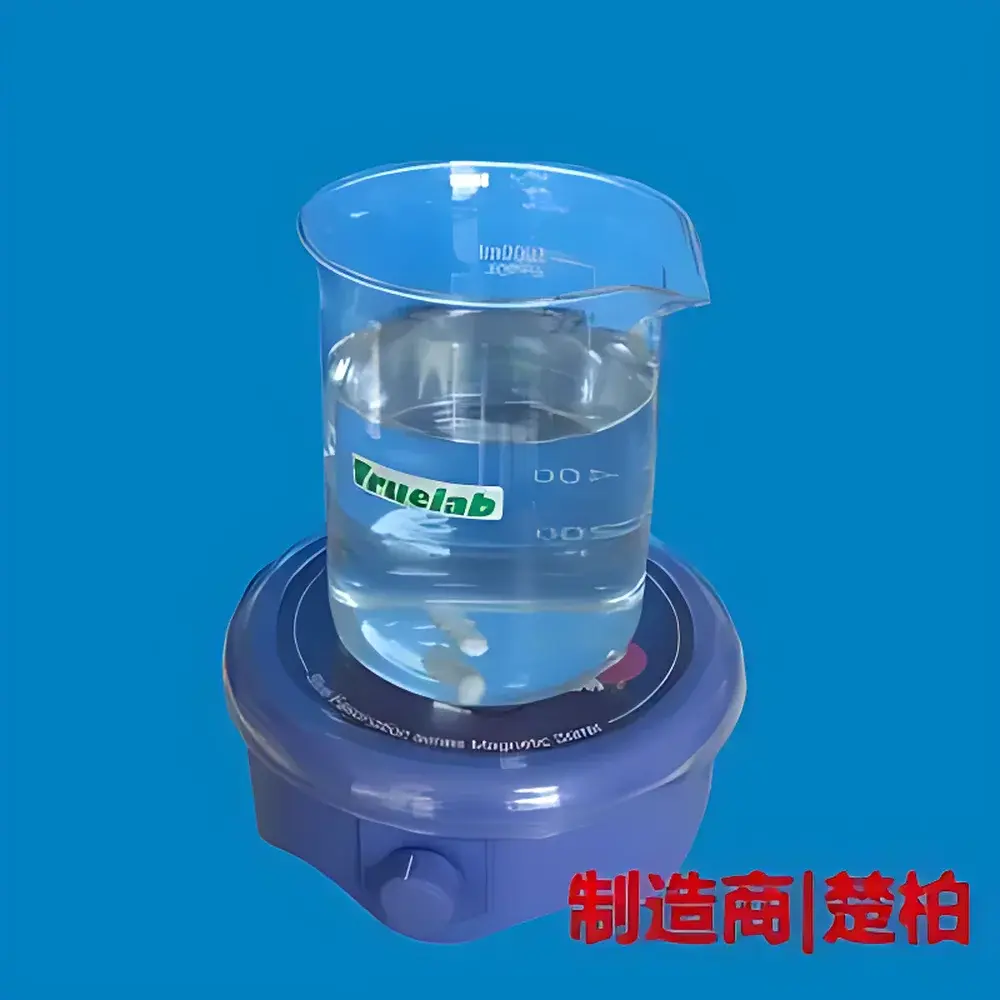
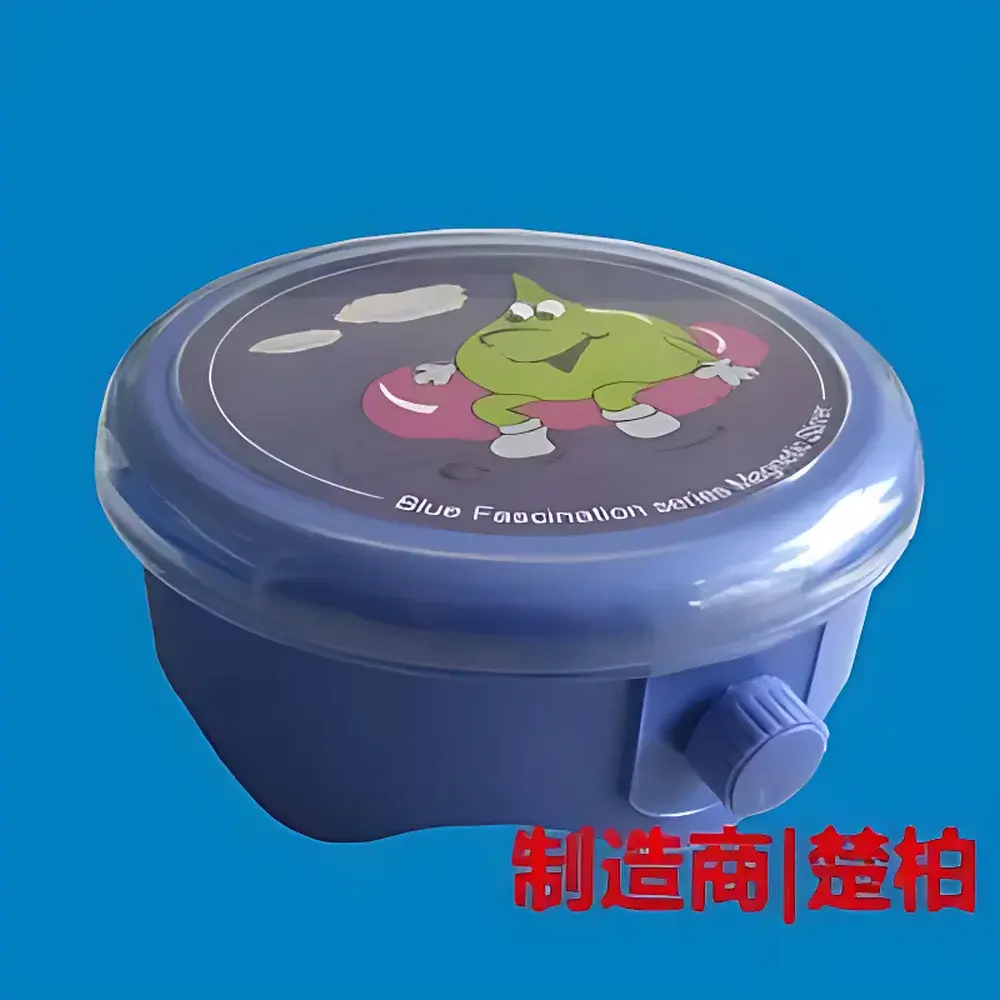
Truelab Smart-MS Compact Magnetic Stirrer
| Brand | Truelab |
|---|---|
| Origin | Shanghai, China |
| Model | Smart-MS |
| Stirring Capacity | 2 L (H₂O) |
| Speed Range | 0–1250 rpm |
| Temperature Control Range | Ambient to 40 °C |
| Plate Diameter | Ø 145 mm |
| Plate Material | Engineering Plastic |
| Dimensions (D × H) | Ø 185 × 75 mm |
| Weight | 0.65 kg |
| Power Supply | 220 V, 50/60 Hz |
| Operating Environment | 5–40 °C, ≤80% RH |
| Stir Bar Included | 30 × 8 mm PTFE-coated |
| Speed Control | Continuous Analog Adjustment |
| Interface | None |
| Compliance | CE-marked per IEC 61010-1 for laboratory electrical safety |
Overview
The Truelab Smart-MS Compact Magnetic Stirrer is an entry-level, single-position benchtop instrument engineered for reliable and repeatable mixing of low-viscosity aqueous and organic solutions in academic teaching labs, QC environments, and routine R&D workflows. It operates on the principle of magnetic coupling: a rotating permanent magnet beneath the chemically inert engineering plastic plate generates a time-varying magnetic field that induces synchronous rotation of a PTFE-coated stir bar immersed in the sample vessel. This contactless drive mechanism eliminates mechanical wear, minimizes contamination risk, and ensures quiet operation—critical for shared lab spaces where acoustic noise must be constrained. Designed for simplicity and robustness, the Smart-MS delivers stable rotational output across its full 0–1250 rpm range without speed drift or torque drop-off at higher setpoints, enabling rapid vortex formation even from static starting conditions. Its compact footprint (Ø 185 × 75 mm) and lightweight construction (0.65 kg) support flexible placement on fume hoods, biosafety cabinets, or mobile carts.
Key Features
- Single-station design optimized for standard beakers, Erlenmeyer flasks, and graduated cylinders up to 2 L volume
- Continuous analog speed control via rotary dial—no digital interface required, reducing failure points and calibration dependencies
- High-torque neodymium magnet array ensures consistent coupling with 30 mm stir bars, even under moderate load or viscous perturbations
- Chemically resistant engineering plastic top plate (Ø 145 mm) resists staining, scratching, and thermal degradation during extended use
- Thermally stable housing maintains structural integrity within ambient-to-40 °C operating envelope—suitable for non-refrigerated incubation adjunct applications
- No RS-232, USB, or analog output interfaces—intentionally simplified for environments requiring minimal validation overhead and no data logging compliance burden
Sample Compatibility & Compliance
The Smart-MS accommodates standard glassware with flat-bottom geometries (e.g., borosilicate beakers, round-bottom flasks with support stands). Stir bar compatibility is limited to PTFE- or glass-coated rods ≤30 mm in length and ≤8 mm in diameter; stainless-steel cores are not recommended for aggressive solvents or acidic media. The unit conforms to IEC 61010-1:2010 (Edition 3) for electrical safety in laboratory equipment and carries CE marking for use in EU-regulated facilities. While it lacks integrated temperature sensing or feedback control, its passive thermal stability aligns with GLP-aligned workflows where external monitoring (e.g., handheld thermometers) suffices for endpoint verification. No FDA 21 CFR Part 11 or ISO/IEC 17025 traceability features are implemented—consistent with its role as a general-purpose auxiliary device rather than a regulated process instrument.
Software & Data Management
The Smart-MS operates entirely without embedded firmware, software, or connectivity protocols. All operational parameters—including speed setting—are manually adjusted and retained only as mechanical position states. Consequently, no audit trail, electronic record, or user-accessible configuration memory exists. This architecture eliminates requirements for software validation, cybersecurity hardening, or periodic firmware updates. Users seeking documented mixing protocols must rely on external procedural documentation (SOPs), manual logbooks, or integration with third-party environmental monitoring systems via independent temperature probes.
Applications
- Preparation of buffer solutions, saline dilutions, and reagent stock mixtures in molecular biology and clinical chemistry labs
- Homogenization of cell suspensions prior to centrifugation or filtration steps
- Facilitation of dissolution testing for pharmaceutical excipients under ambient conditions
- Supporting titration workflows where gentle, consistent agitation improves endpoint detection reproducibility
- Use in undergraduate teaching laboratories for demonstrating fluid dynamics principles, viscosity comparisons, and mass transfer kinetics
- Adjunct mixing during short-duration incubations (e.g., antigen-antibody binding assays at ≤40 °C)
FAQ
Is the Smart-MS suitable for viscous solutions such as glycerol or polymer solutions?
No—it is optimized for low-to-medium viscosity liquids (≤500 mPa·s at 25 °C); high-viscosity media require gear-driven or overhead stirrers with torque compensation.
Can the unit be used inside a CO₂ incubator?
Not recommended—the specified operating humidity limit (≤80% RH) and lack of ingress protection (IP rating) preclude use in humidified, elevated-CO₂ environments.
Does the included stir bar meet USP or material compatibility requirements?
The PTFE-coated stir bar complies with USP Class VI biocompatibility testing; however, end-user validation of extractables and leachables remains the responsibility of the laboratory under GMP/GLP frameworks.
What maintenance is required for long-term reliability?
Annual visual inspection of the top plate for microcracks or discoloration, and periodic cleaning with isopropanol to remove residue buildup—no lubrication or recalibration is necessary.
Is replacement of the internal fuse user-serviceable?
Yes—the unit includes a standardized 250 V, 1 A slow-blow ceramic fuse accessible via a removable bottom cover; replacement requires basic hand tools and adherence to IEC 61010-1 disassembly guidelines.
Related Products



