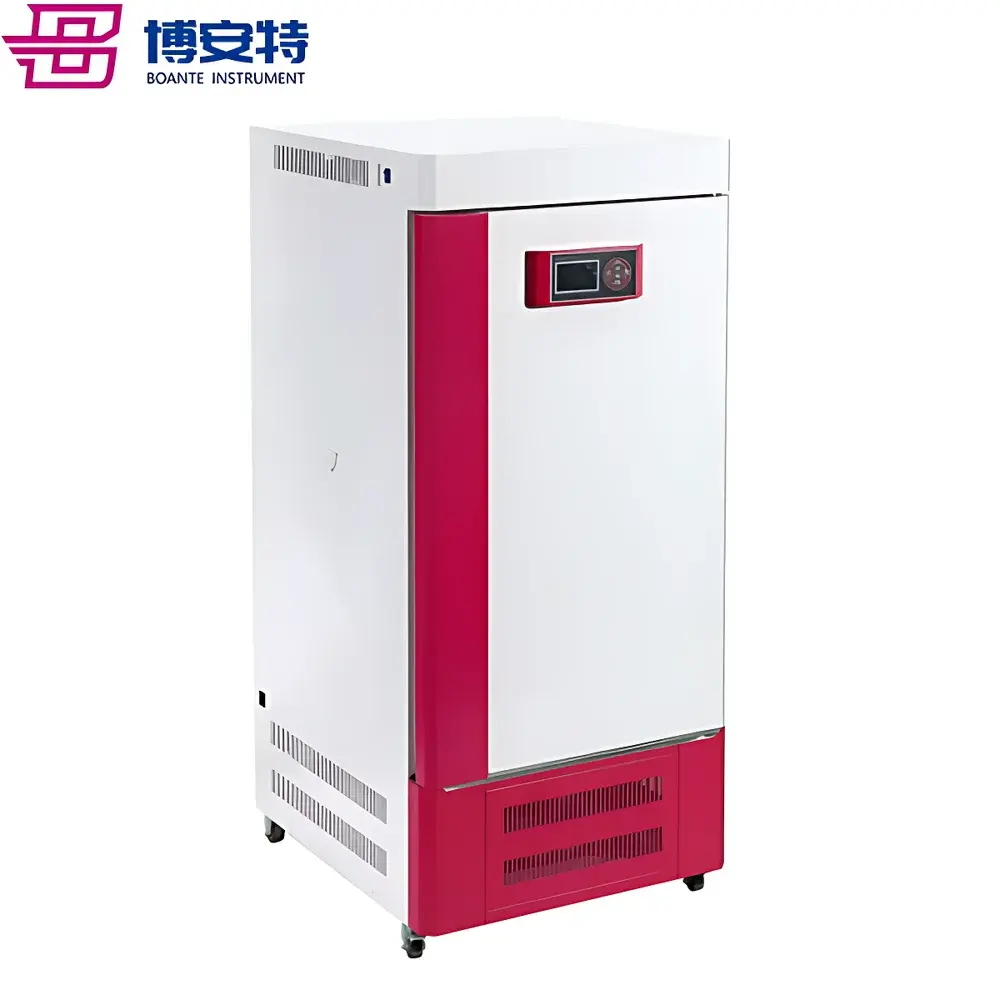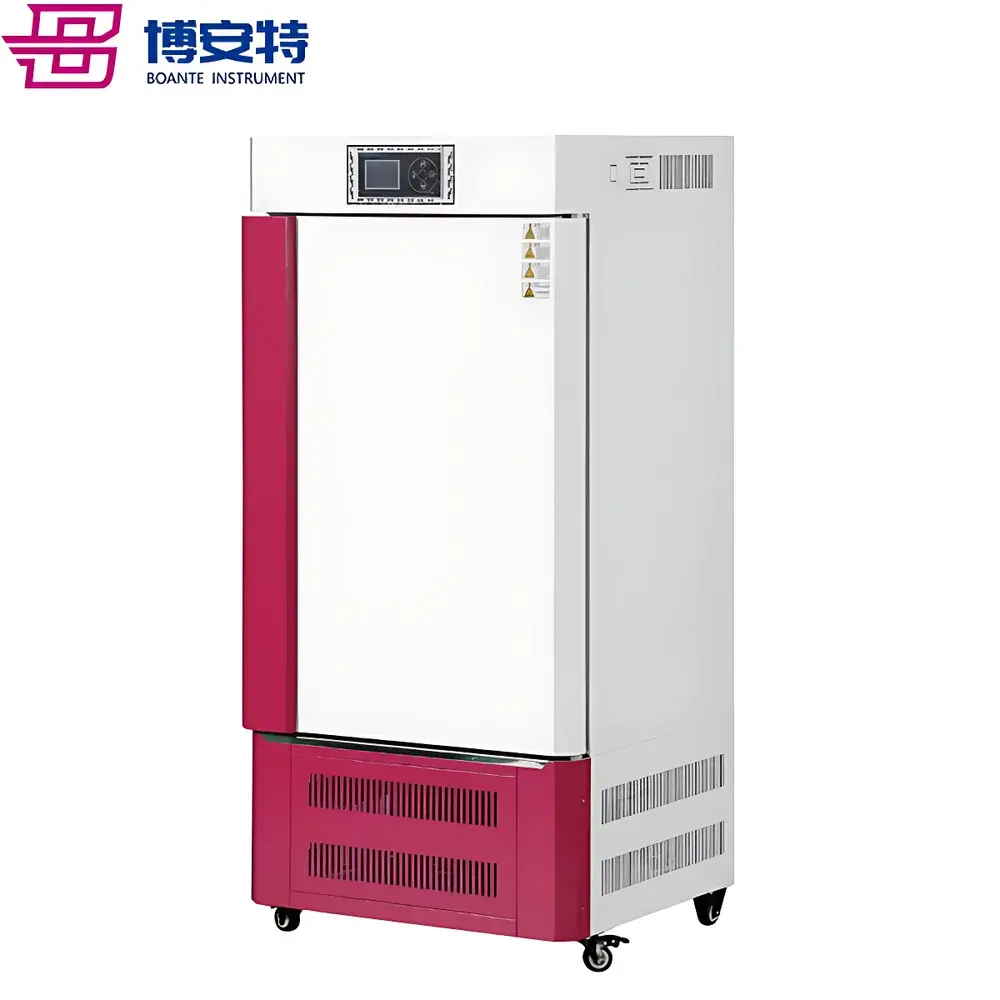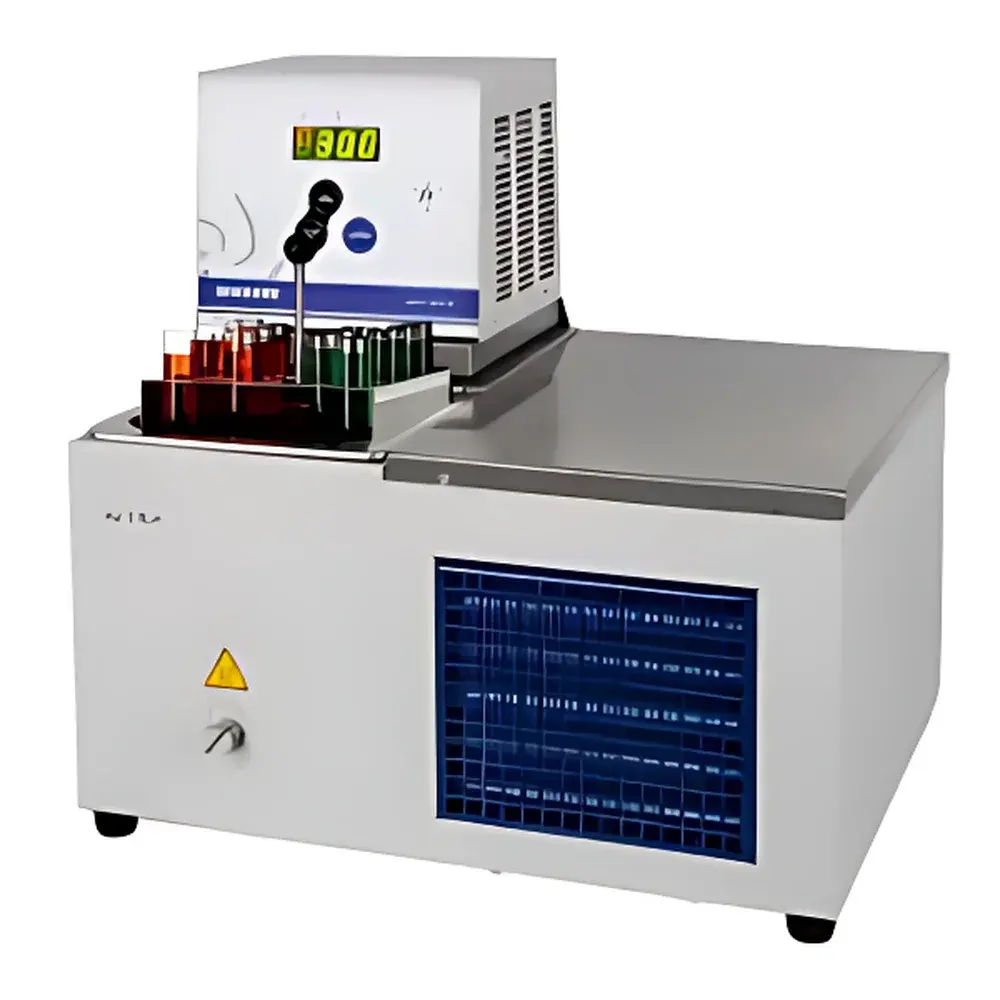
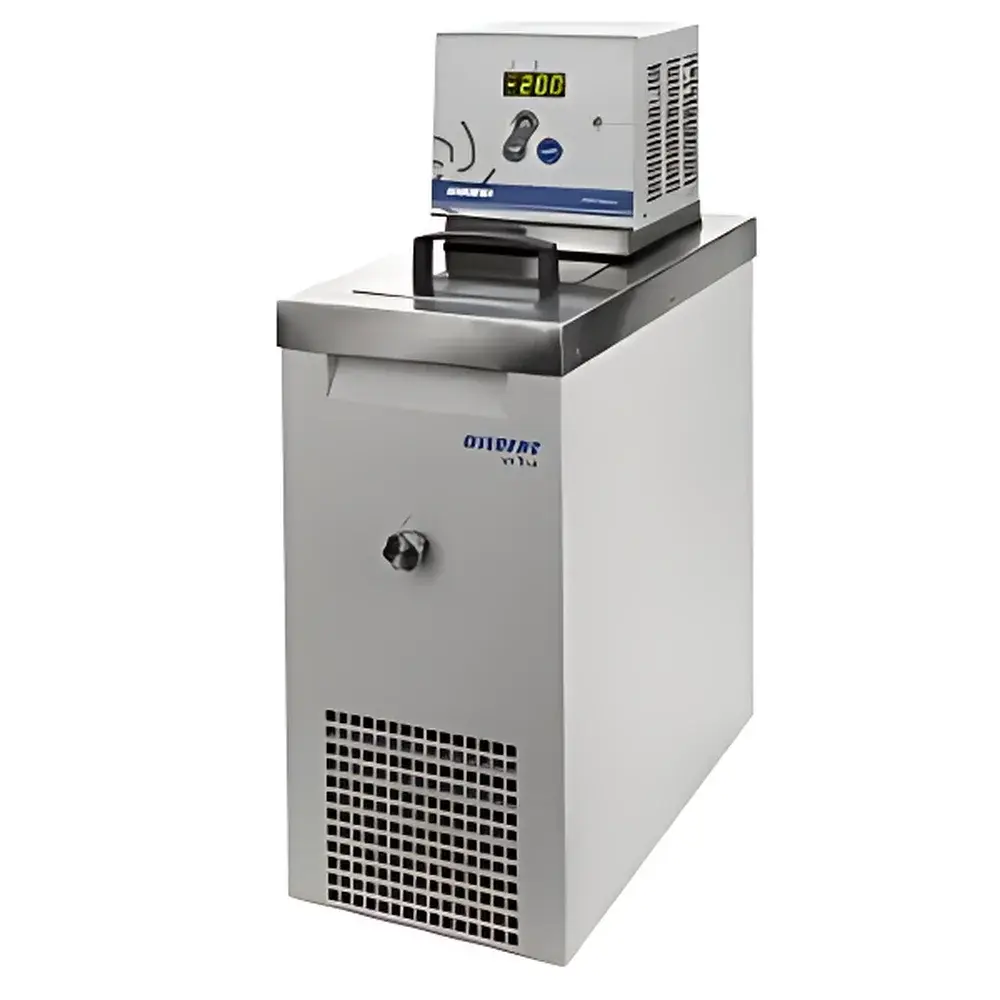
WIGGENS WT Series Heating and Cooling Circulators
| Brand | WIGGENS |
|---|---|
| Origin | Germany |
| Model | WT2 / WT4 / WT4P / WT6 / WT5F / WT12F / WT15F |
| Temperature Range | –30 °C to +100 °C |
| Temperature Stability | ±0.05 °C (WT2–WT6, WT4P) / ±0.2 °C (WT5F–WT15F) |
| Bath Volume | 4–26 L |
| Heating Power | 1.5 kW |
| Refrigeration Power (at 20 °C) | 150–480 W |
| Flow Rate | 10 L/min |
| Max. Pump Pressure | 0.23 bar |
| External Dimensions (W×D×H) | 22×42×64 cm to 35×67×44 cm |
| Net Weight | 23–33 kg |
Overview
The WIGGENS WT Series Heating and Cooling Circulators are precision-engineered laboratory thermal management systems designed for stable, bidirectional temperature control across a broad operational range—from –30 °C to +100 °C. Built on a dual-mode thermodynamic architecture combining resistive heating and vapor-compression refrigeration, these circulators deliver high-fidelity thermal regulation for both internal bath applications and external closed-loop systems. Their design prioritizes long-term stability, low acoustic emission (<45 dB(A)), and robust thermal response—enabled by PID-based digital temperature control with adaptive tuning algorithms. The series is particularly suited for integration with sensitive analytical instrumentation requiring consistent thermal environments, including chromatographic columns, viscometers, rheometers, electrophoresis units, and rotary evaporators. All models comply with IEC 61010-1:2010 safety standards for laboratory electrical equipment and incorporate fail-safe thermal protection mechanisms aligned with EN 60335-1 requirements.
Key Features
- Active Cooling Control™ technology ensures continuous refrigeration availability across the full operating temperature range—eliminating thermal lag during rapid cooldown transitions.
- Dual-circuit operation supports simultaneous internal bath temperature maintenance and external recirculation, with adjustable flow ratio settings between internal and external loops.
- High-efficiency stainless-steel heating coil resists corrosion and scale formation, ensuring consistent thermal transfer and extended service life in aqueous and organic coolant media.
- Integrated float-level sensor triggers audible/visual alarm and automatic power cutoff upon low fluid level detection—preventing dry-run damage to pump and heater elements.
- Front-access drain port enables rapid, spill-free bath fluid replacement without disassembly or repositioning of the unit.
- Thermally optimized chassis layout with enlarged heat-sink clearance zones maintains electronic controller integrity under continuous duty cycles at extreme setpoints.
- Three-button intuitive interface with LED status display simplifies operation; optional standby mode reduces energy consumption during idle periods without compromising system readiness.
Sample Compatibility & Compliance
The WT Series accommodates a wide variety of thermal fluids—including water, water-glycol mixtures, silicone oils, and low-temperature synthetic coolants—compatible with ISO 8502-2 cleanliness specifications for laboratory circulation systems. Bath geometries support direct immersion of sample containers up to 15 cm depth (WT4P, WT6) or integration with external jackets and Peltier-cooled accessories. Units meet CE marking requirements and conform to electromagnetic compatibility (EMC) directives (2014/30/EU). For regulated environments, firmware supports audit-trail-enabled logging (optional software module), aligning with GLP and FDA 21 CFR Part 11 data integrity expectations when paired with validated PC-based acquisition platforms.
Software & Data Management
While standalone operation requires no software, optional RS232/RS485 interfaces enable remote parameter setting, real-time temperature monitoring, and event-triggered data capture via third-party SCADA or LIMS systems. Logged parameters—including setpoint, actual bath temperature, flow rate, compressor status, and fault codes—are timestamped and exportable in CSV format. Firmware updates maintain backward compatibility and include enhanced thermal ramp profiling capabilities for method-defined temperature gradients (e.g., ASTM D341 viscosity correction protocols).
Applications
- Temperature stabilization of HPLC and GC columns to improve retention time reproducibility and peak resolution.
- Controlled cooling/heating of reaction vessels in synthetic chemistry workflows requiring precise exotherm management.
- Calibration support for thermocouples, RTDs, and infrared sensors per ISO/IEC 17025-accredited procedures.
- Thermal conditioning of optical components (e.g., spectroscopic cuvettes, interferometer stages) to minimize drift-induced measurement uncertainty.
- Support for bioreactor jacketing and fermenter temperature control in cell culture and microbial growth studies.
- Stabilization of laser sources and photodetectors in physical optics laboratories where thermal lensing must be mitigated.
FAQ
What is the minimum recommended coolant for operation at –30 °C?
A 40% propylene glycol/water mixture (freezing point ≈ –32 °C) is recommended; avoid ethylene glycol in biosafety-sensitive labs due to toxicity concerns.
Can the WT Series be used for negative-pressure external loops?
Yes—the integrated centrifugal pump delivers up to 0.23 bar pressure head and is rated for continuous suction lift up to 1.2 m, compatible with vacuum-jacketed tubing configurations.
Is calibration certificate included with shipment?
Factory calibration is performed per DIN EN ISO/IEC 17025 traceable procedures; NIST-traceable certificates are available as optional add-ons at time of order.
How often should the refrigerant circuit be serviced?
Under normal lab conditions (8 hrs/day, ambient <25 °C), the sealed R-404A or R-513A system requires no routine maintenance for ≥5 years; annual visual inspection of condenser fins and fan operation is advised.
Does the unit support programmable ramp-hold profiles?
Basic ramp functionality is embedded in firmware (linear ramps only); advanced multi-step profiles require external controller integration via analog voltage input (0–10 V) or Modbus RTU protocol.