
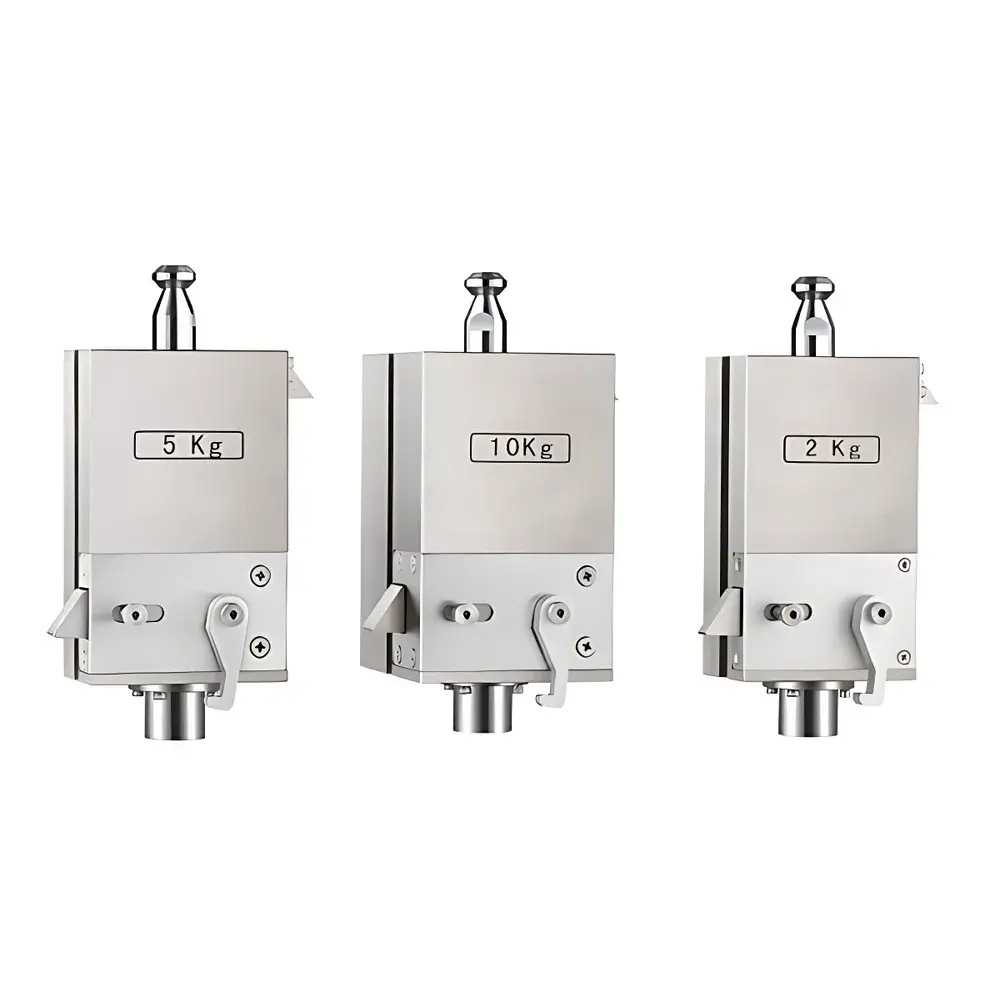
Young Instruments HWP18-30S Impact Sensitivity Tester
| Brand | Young Instruments |
|---|---|
| Origin | Zhejiang, China |
| Manufacturer Type | Manufacturer |
| Origin Category | Domestic |
| Model | HWP18-30S |
| Quotation | Upon Request |
| Operating Environment | (-5–45) °C, <95% RH |
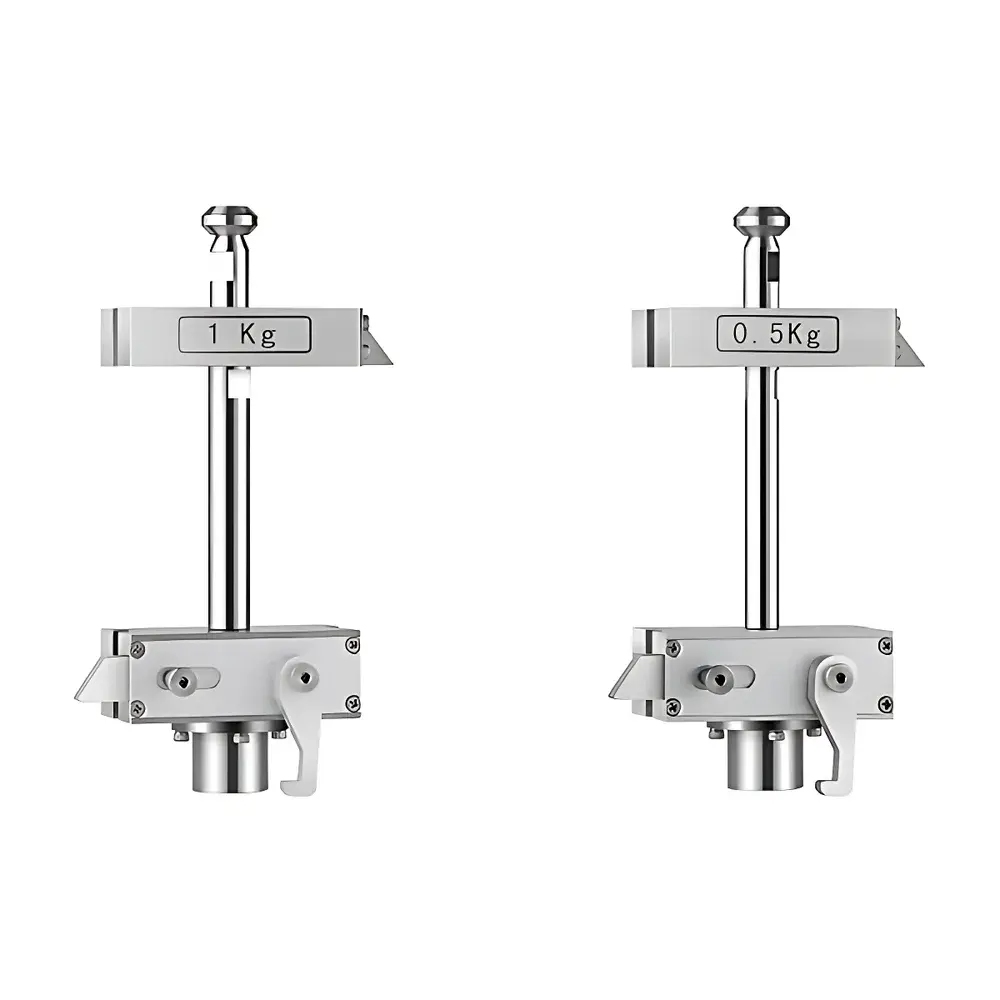
| Impact Masses | 0.5 kg ±0.1%, 1 kg ±0.1%, 2 kg ±0.1%, 5 kg ±0.1%, 10 kg ±0.1% |
| Drop Height Range | 0–1000 mm |
| Positioning Accuracy | ±1 mm |
| Guide Rail Verticality | ≤0.1 mm/m |
| Hammer Coaxiality | ≤φ0.15 mm |
| Instrument Planarity Deviation | ≤0.012 mm |
| Impact Energy Range | 0.5–100 J |
Overview
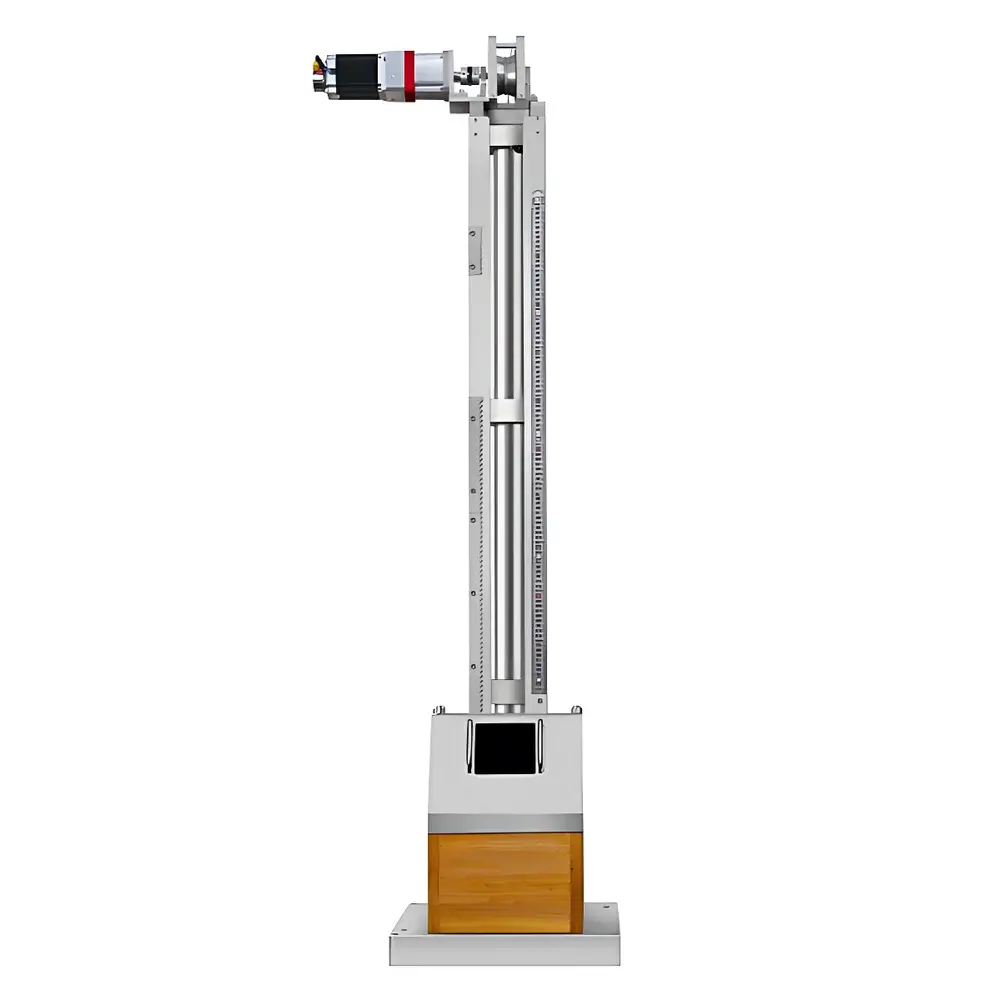
The Young Instruments HWP18-30S Impact Sensitivity Tester is a precision-engineered laboratory instrument designed for the quantitative determination of mechanical impact sensitivity in energetic materials—specifically solid and liquid explosives, propellants, pyrotechnic compositions, primary explosives, and reactive hazardous substances. It operates on the standardized drop-weight impact principle, where a calibrated mass is elevated to a defined height and allowed to fall freely onto a confined sample under controlled conditions. The resulting energy transfer (in joules) is calculated as E = m·g·h, with gravitational acceleration g referenced to local standard values (9.80665 m/s²). This method enables reproducible assessment of the threshold energy at which initiation (e.g., deflagration or detonation) occurs, forming the technical basis for hazard classification, transport eligibility evaluation (UN TDG Class 1), and regulatory compliance documentation.
Key Features
- Embedded Windows CE control system with real-time process monitoring and deterministic I/O response
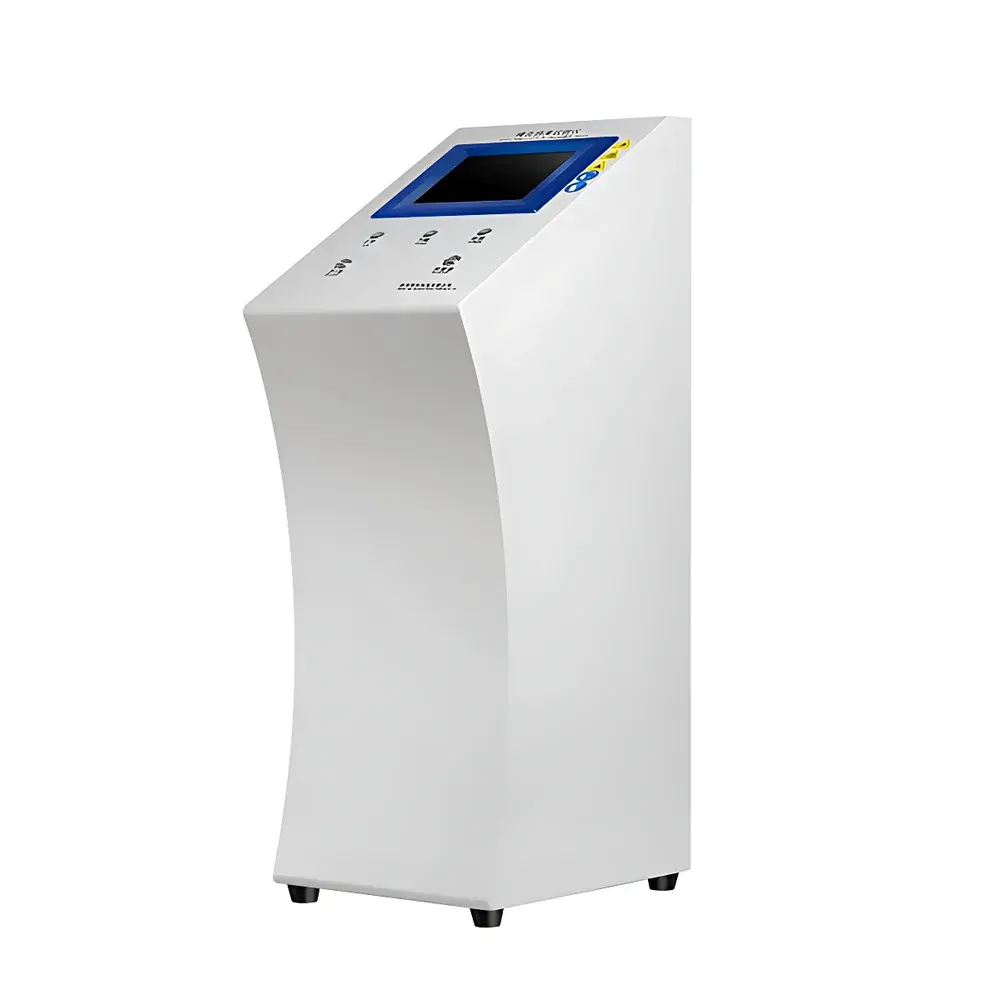
- 8-inch high-brightness capacitive touch display for intuitive parameter configuration and live status visualization
- Wireless remote-controlled lifting, positioning, and release mechanisms—ensuring operator separation during hazardous testing phases
- Automated hammer engagement and anti-rebound locking mechanism to eliminate post-impact rebound artifacts and improve test repeatability
- Hardened steel impact pin (HRC 60–63) with concentricity tolerance ≤φ0.15 mm and guide rail verticality ≤0.1 mm/m for consistent load application
- Precision liquid-sample fixture enabling ±2 mm positional accuracy for low-viscosity or volatile specimens
- Reinforced concrete base mount ensuring full-area contact and minimal vibration transmission during impact events
- Integrated safety enclosure conforming to ISO 13857 (safety distances) and EN 61496-1 (photoelectric protective devices), rated for containment up to 100 J nominal impact energy
- Modular test sequencing engine supporting customizable parameter sets—including variable mass, height, repetition count, and pass/fail criteria per UN Test 3(a)(ii)
Sample Compatibility & Compliance
The HWP18-30S accommodates both solid and liquid energetic samples within standard UN-compliant sample cups (e.g., 10 mm diameter × 2 mm depth for solids; sealed 2 mL vials for liquids). Its mechanical architecture and operational protocols are fully aligned with internationally recognized test standards including: UN ST/SG/AC.10/Rev.6, Section 13.4.2 (Test 3(a)(ii)); GB/T 21567–2008 (Chinese national standard for explosive impact sensitivity); GB/T 21848–2008 (industrial chemical explosivity screening); GB 5085.5 (hazardous waste reactivity identification); NY/T 1860.6–2010 (agrochemical explosivity characterization); and EN 13631-4:2002 (civil explosives—impact sensitivity of high explosives). All calibration procedures follow traceable metrological practices compliant with ISO/IEC 17025 requirements for testing laboratories.
Software & Data Management
The embedded software provides full audit-trail capability in accordance with GLP and GMP principles. Each test record includes timestamped metadata: operator ID, ambient temperature/humidity, selected mass and drop height, observed response (no reaction, ignition, explosion), video frame capture (optional external integration), and calculated impact energy. Data export is supported in CSV and PDF formats, with built-in statistical analysis for Bruceton up-and-down method or EC 76/769/EEC staircase protocol. System logs retain all parameter changes, user actions, and error codes for regulatory review. While not FDA 21 CFR Part 11-certified out-of-the-box, the architecture supports third-party validation packages for regulated environments requiring electronic signature and data integrity assurance.
Applications
- Determination of impact sensitivity thresholds for R&D of novel energetic formulations
- Pre-transport hazard classification per UN Manual of Tests and Criteria (Rev. 7)
- Quality control screening of batch-produced propellants and initiators
- Regulatory dossier preparation for REACH, CLP, and EPA TSCA submissions
- Comparative evaluation of desensitization efficacy in phlegmatized explosives
- Validation of safe handling parameters for manufacturing and storage protocols
FAQ
What standards does the HWP18-30S directly support?
It implements UN Test 3(a)(ii), GB/T 21567–2008, GB/T 21848–2008, EN 13631-4:2002, and equivalent harmonized national standards.
Is remote operation mandatory for safety compliance?
Yes—wireless remote control is integral to meeting ISO 13857 minimum safety distances and reducing personnel exposure during initiation events.
Can the instrument be used for liquid-phase sensitivity testing?
Yes, with the optional liquid fixture kit, which ensures precise 2 mm alignment and containment of volatile samples during impact.
How is impact energy calibrated and verified?
Calibration uses NIST-traceable mass standards and laser-interferometric height verification; annual recalibration is recommended per ISO/IEC 17025 guidelines.
Does the system support automated Bruceton analysis?
Yes—the software computes median impact energy (E50) and confidence intervals using ASTM E691–22 methodology for up-and-down testing sequences.






