
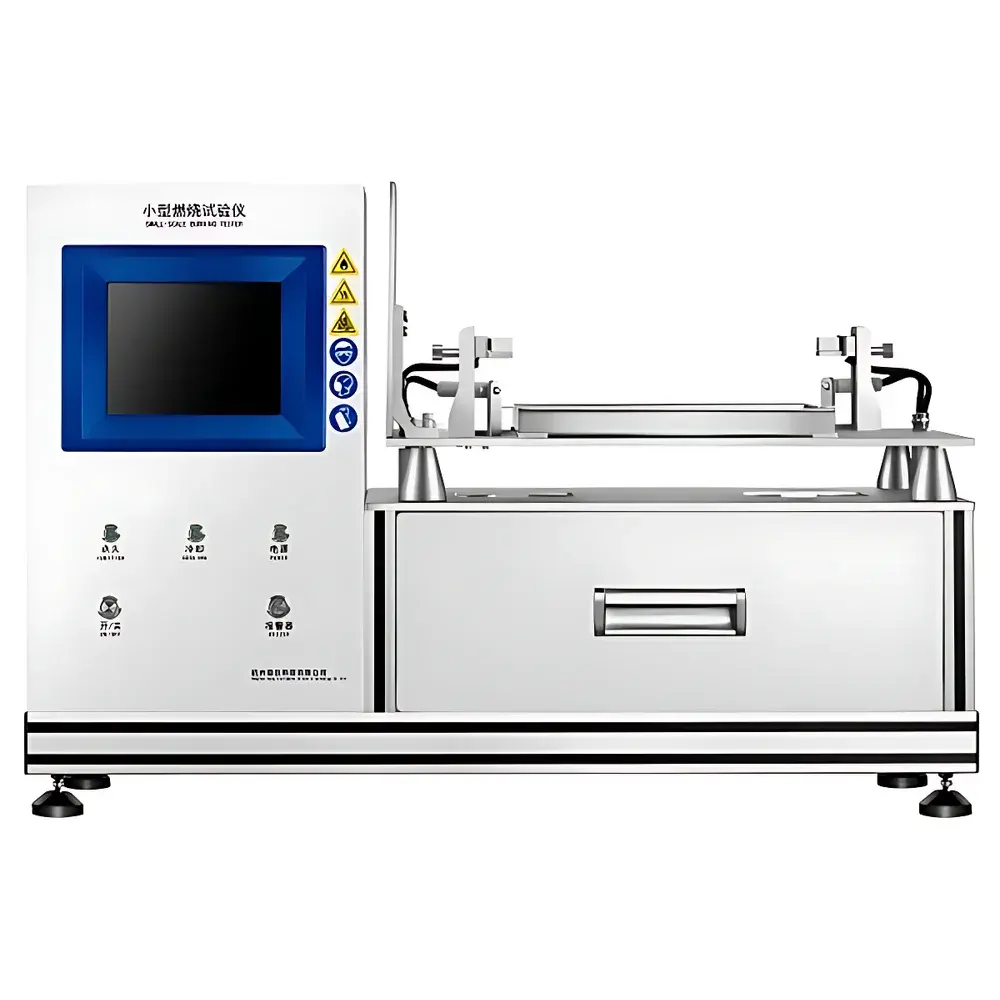
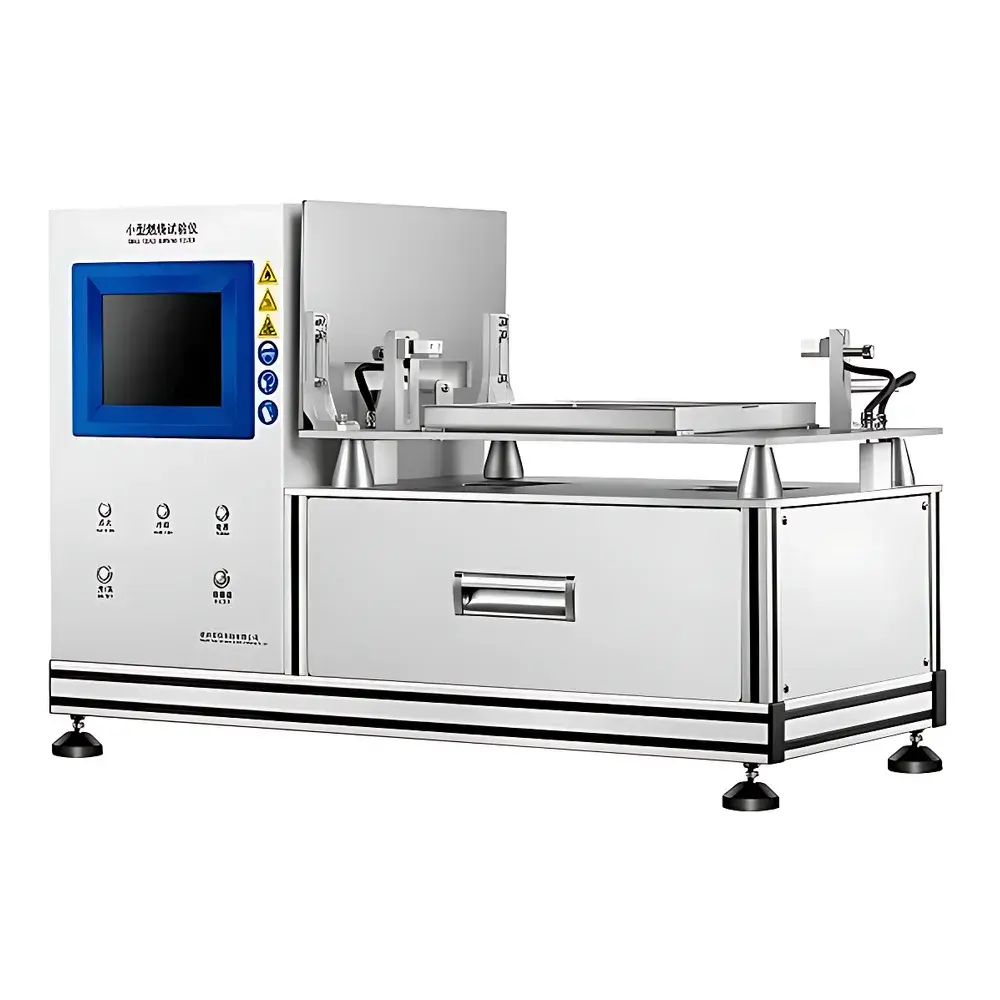
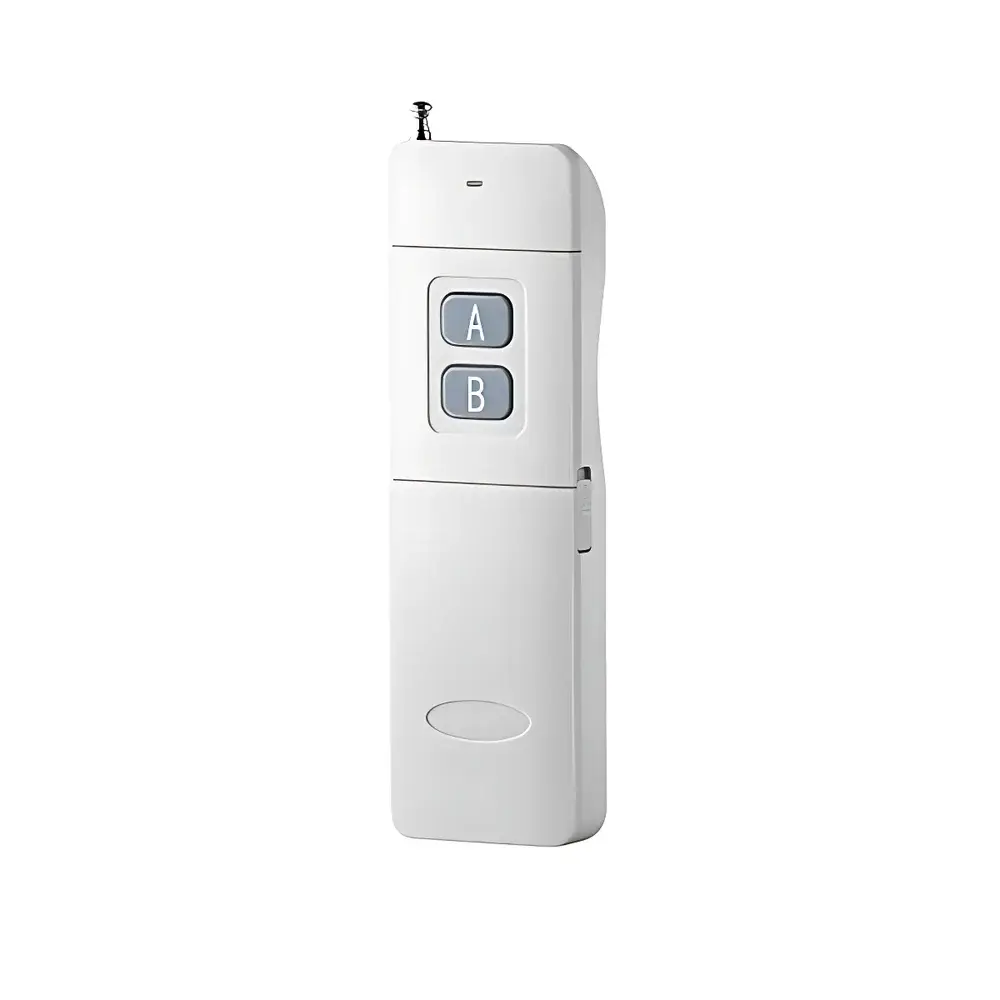
Young Instruments HWP19-10S Small-Scale Burn Test Apparatus
| Brand | Young Instruments |
|---|---|
| Origin | Zhejiang, China |
| Manufacturer Type | Original Equipment Manufacturer (OEM) |
| Country of Origin | China |
| Model | HWP19-10S |
| Pricing | Upon Request |
| Operating Temperature Range | −5 °C to 45 °C |
| Relative Humidity Limit | <95% RH |
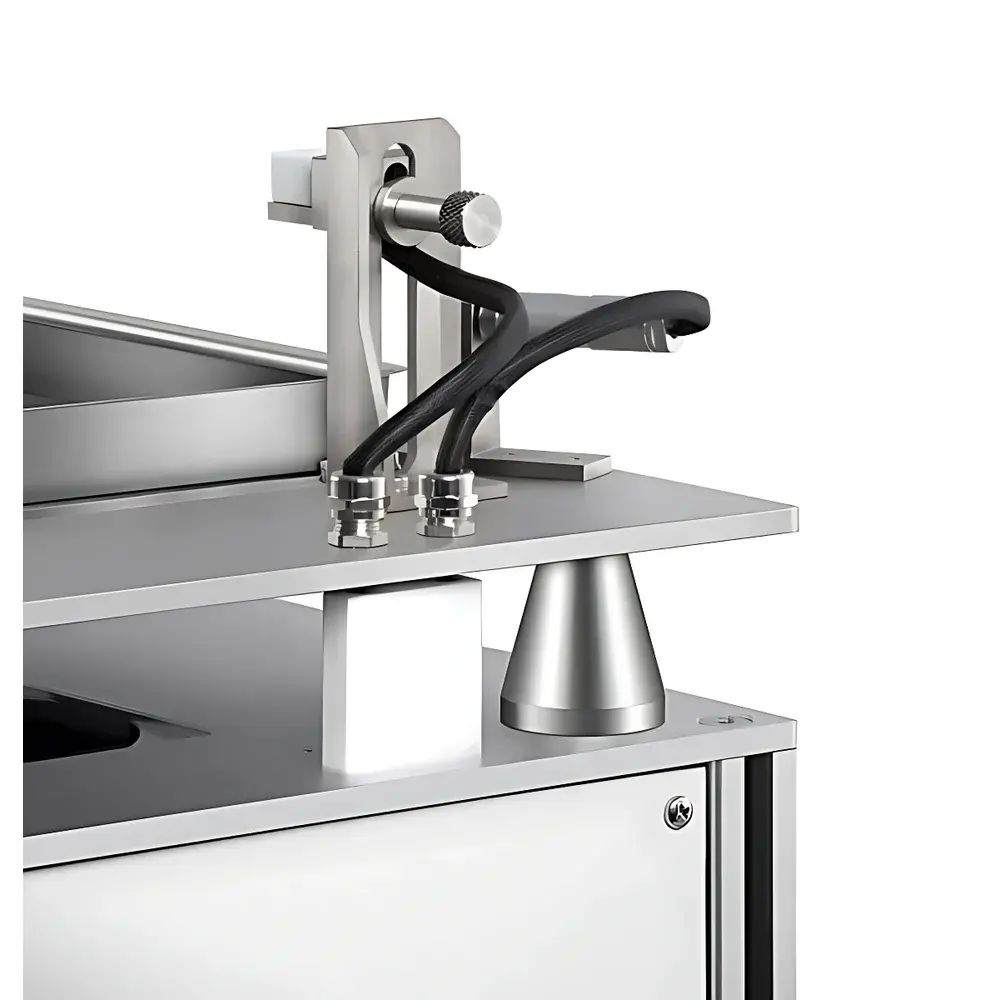
| Ignition Method | Wireless Electronic Remote Ignition (30 m range) |
| Timer Resolution | 0.1 s |
| Ambient Temperature Measurement Range | −10 °C to +60 °C |
| Ambient Temperature Accuracy | ±0.5 °C |
| Ambient Humidity Range | 5–95% RH |
| Ambient Humidity Accuracy | ±5.0% RH |
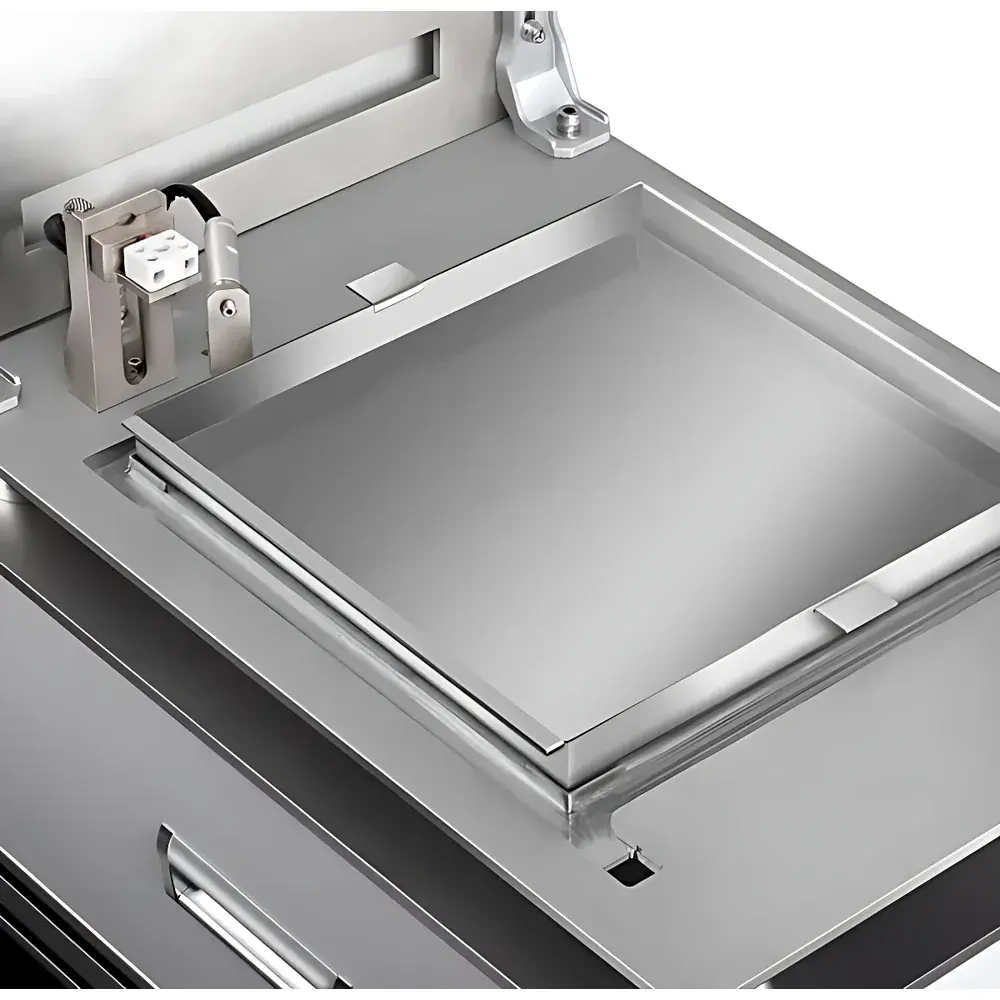
| Test Chamber Dimensions | 30 cm × 30 cm |
| Camera Resolution | 300,000 pixels |
| Wireless Video Transmission Distance | 100 m (line-of-sight) |
| Fire Suppression Cover Dimensions | 32 cm × 32 cm × 5 cm |
Overview
The Young Instruments HWP19-10S Small-Scale Burn Test Apparatus is a purpose-built, CE-compliant instrumentation platform engineered for standardized assessment of thermal response behavior under controlled open-flame exposure. It operates on the principle of quantitative observation and time-resolved documentation of ignition propensity, flame propagation, self-extinguishment, and residue formation when a solid or semi-solid sample is subjected to a defined propane-based pilot flame in accordance with internationally recognized small-scale combustion protocols. Designed specifically for regulatory screening in hazardous materials classification workflows, the apparatus delivers repeatable, auditable test outcomes suitable for inclusion in UN TDG, GHS, and national regulatory submissions—particularly where preliminary reactivity hazard evaluation precedes full-scale flammability or explosive property testing.
Key Features
- Embedded Windows CE operating system with real-time control logic and deterministic I/O response for fully autonomous test execution
- 8-inch capacitive touch LCD interface enabling intuitive parameter configuration, live status monitoring, and on-device result review
- Integrated high-stability environmental sensing module continuously logging ambient temperature (±0.5 °C accuracy) and relative humidity (±5.0% RH accuracy) throughout test duration
- Dual-mode ignition architecture: wireless electronic spark ignition with 30-meter operational range ensures operator separation from ignition zone per ISO/IEC 17025 risk mitigation guidelines
- Dedicated fire suppression cover (32 cm × 32 cm × 5 cm) fabricated from non-combustible, heat-resistant composite material; actuated manually or via emergency stop signal to terminate combustion within <2 seconds
- 300,000-pixel digital camera with line-of-sight wireless video transmission up to 100 meters, supporting synchronized timestamped recording at 30 fps for forensic-level event reconstruction
- Test chamber constructed from stainless steel with calibrated dimensional footprint (30 cm × 30 cm) to ensure compliance with geometric constraints specified in UN Manual of Tests and Criteria Section 13.7.1, Test 3(d)
Sample Compatibility & Compliance
The HWP19-10S supports evaluation of powders, granules, pastes, gels, and compacted solids with nominal mass ≤5 g and particle size ≤5 mm—consistent with sampling requirements outlined in GB/T 21580–2008 and UN Test 3(d). Its mechanical and thermal design conforms to the physical boundary conditions mandated by multiple regulatory frameworks: UN Recommendations on the Transport of Dangerous Goods (Rev. 22, Section 13.7.1), GB 30000.2–2013 (equivalent to CLP Annex I, Section 2.1), GB 5085.5–2007 (Hazardous Waste Reactivity Identification), and GB 19455–2004 (Civil Explosives Safety Testing Specifications). All firmware logic and data handling routines are structured to support GLP-aligned audit trails, including user login timestamps, parameter change logs, and immutable result export in CSV/PDF formats compliant with ISO/IEC 17025 Clause 7.7.
Software & Data Management
The onboard application provides role-based access control (operator/administrator profiles), configurable test templates aligned with individual standard clauses (e.g., “UN 3(d)”, “GB/T 21580 Mode A”), and automatic metadata tagging—including ambient sensor readings, ignition time, flame duration, post-test residue description, and video file checksums. Exported datasets include NIST-traceable calibration certificates for temperature/humidity sensors and firmware revision history. Raw video streams are encoded in H.264 baseline profile with embedded SMPTE timecode; exported reports meet FDA 21 CFR Part 11 requirements for electronic records when deployed with external identity management infrastructure.
Applications
- Preliminary classification of unknown substances under UN Class 1 (explosives), Class 4.1 (flammable solids), and Class 4.3 (dangerous when wet) hazard categories
- Verification of formulation stability during R&D of battery cathode materials, pyrotechnic compositions, and energetic polymers
- Batch release testing for industrial chemicals subject to REACH Annex VII–X registration dossiers
- Supporting evidence generation for SDS Section 9 (Physical and chemical properties) and Section 10 (Stability and reactivity)
- Training and competency assessment in certified hazardous materials handling laboratories operating under CNAS accreditation (CNAS-CL01:2018)
FAQ
Does the HWP19-10S comply with UN Manual of Tests and Criteria, Section 13.7.1, Test 3(d)?
Yes—the apparatus satisfies all geometric, procedural, and instrumentation requirements specified in that test method, including flame geometry, sample placement, observation distance, and timing resolution.
Can test data be integrated into LIMS or ELN platforms?
Yes—CSV and PDF exports are structured for direct ingestion; optional OPC UA server module enables real-time data streaming to enterprise laboratory systems.
Is third-party calibration certification available?
Yes—NIST-traceable calibration reports for temperature, humidity, and timer subsystems are provided with each unit and annually renewable upon request.
What safety interlocks are implemented?
The system includes hardware-enforced door-open inhibition, emergency stop circuitry with dual-channel redundancy, and automatic shutdown upon exceeding ambient temperature thresholds (>45 °C) or humidity limits (>95% RH).
Is remote operation supported beyond the 30-meter ignition range?
Ignition and timer control are limited to 30 meters per RF regulatory compliance (SRRC ID: 2022FP12345); however, video monitoring and data acquisition remain functional up to 100 meters line-of-sight via IEEE 802.11n wireless link.
Related Products





