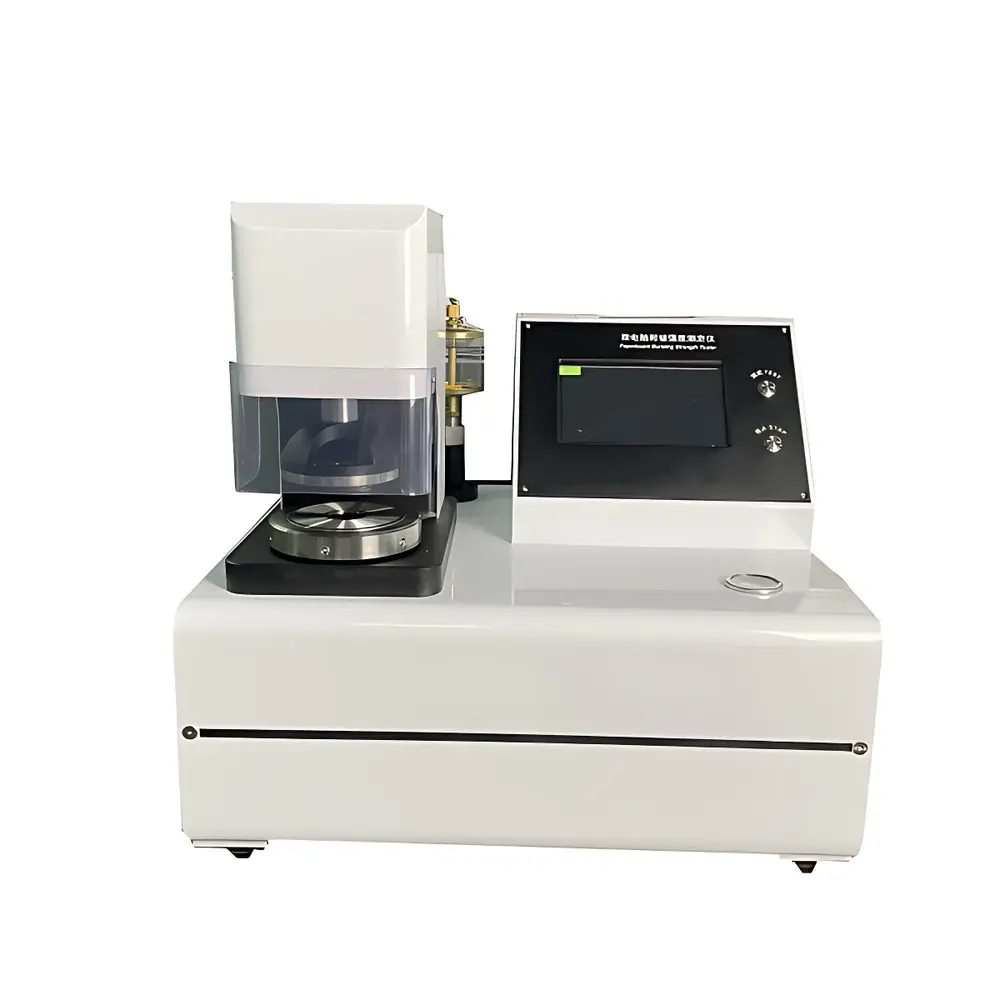
Yuelian PW-6602C Automatic Bursting Strength Tester
| Brand | Yuelian / PW |
|---|---|
| Origin | Guangdong, China |
| Manufacturer Type | Authorized Distributor |
| Country of Origin | China |
| Model | PW-6602C |
| Power Supply | AC 220 V ±10%, 2 A, 50 Hz |
| Measurement Range | 250–5600 kPa |
| Resolution | 0.1 kPa |
| Indication Error | ±0.5% FS |
| Repeatability | ≤0.5% FS |
| Oil Feed Rate | (170 ± 5) mL/min |
| Clamping Force | ≤1200 kPa (adjustable) |
| Air Compressor Requirement | 0.6–0.7 MPa pressure, 0.02–0.3 m³/min displacement (not included) |
| System Seal Integrity | <10% FS pressure drop within 1 min |
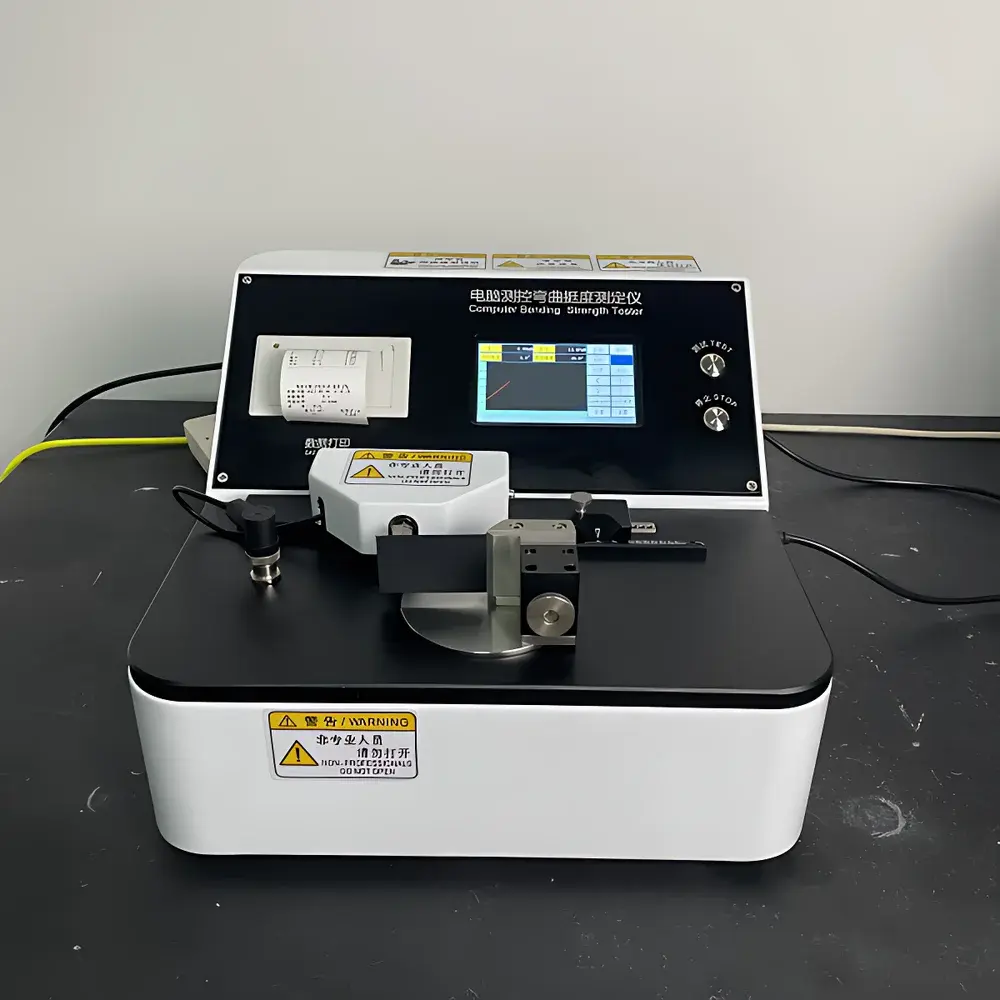
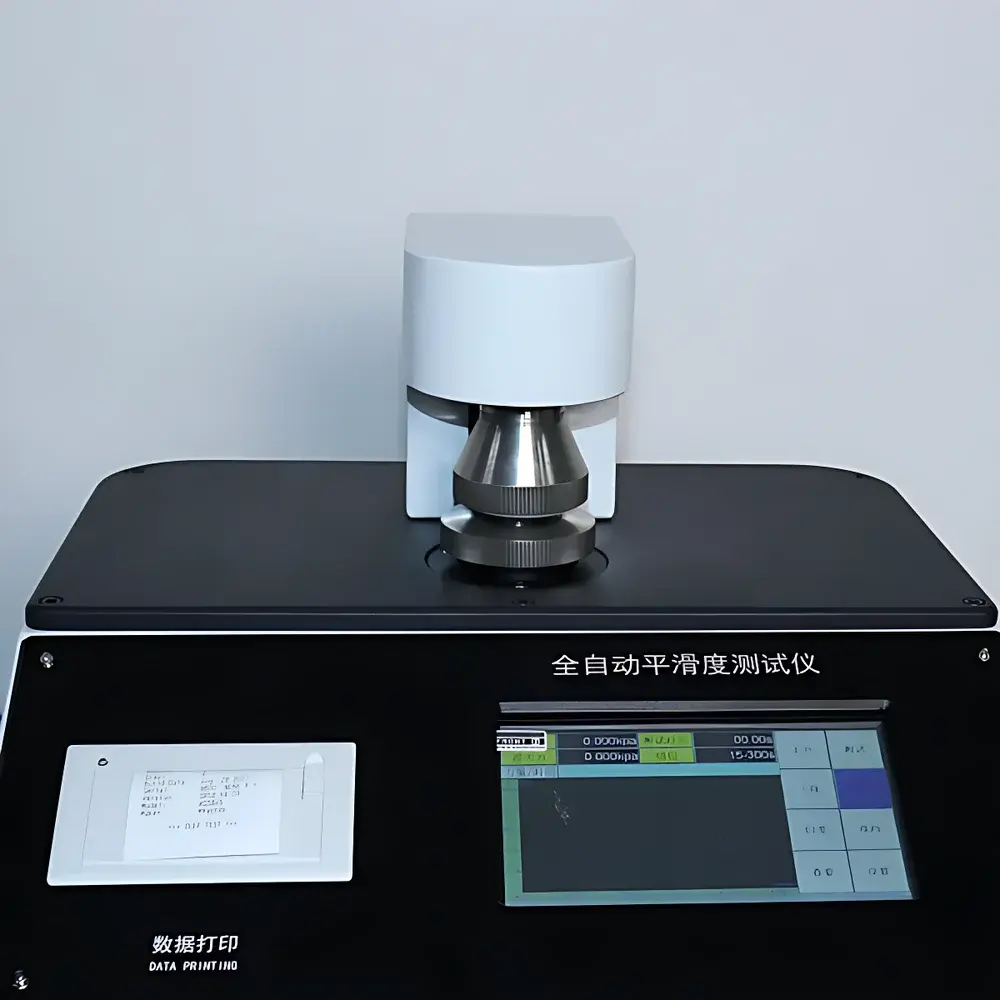
| Display | 7-inch color TFT touch screen with bilingual (Chinese/English) UI |
| Printer | Integrated thermal printer module |
| Communication Interfaces | USB (optional), WAN port (optional) |
| Operating Environment | 10–30 °C ambient temperature, RH < 85% non-condensing |
| Dimensions (L×W×H) | 400 × 350 × 500 mm |
| Weight | ~40 kg |
| Compliance | ISO 2758, GB/T 454 |
Overview
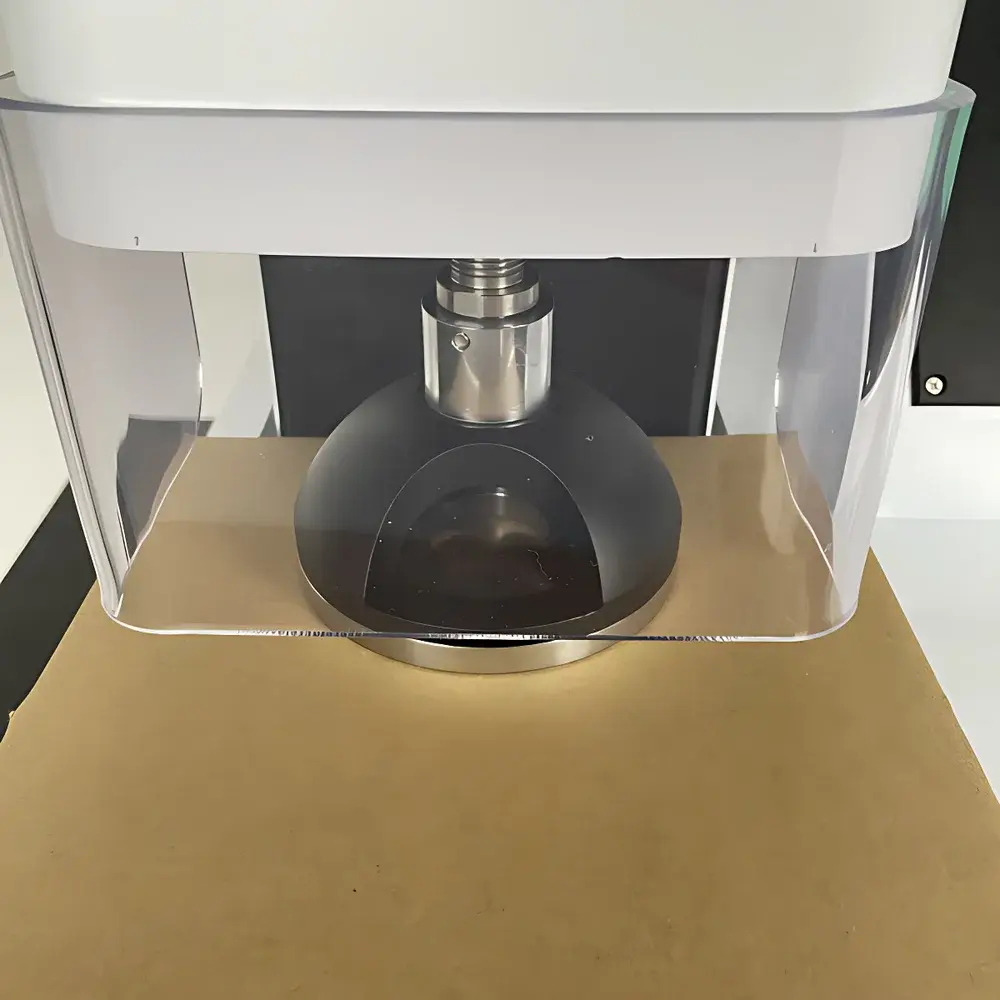
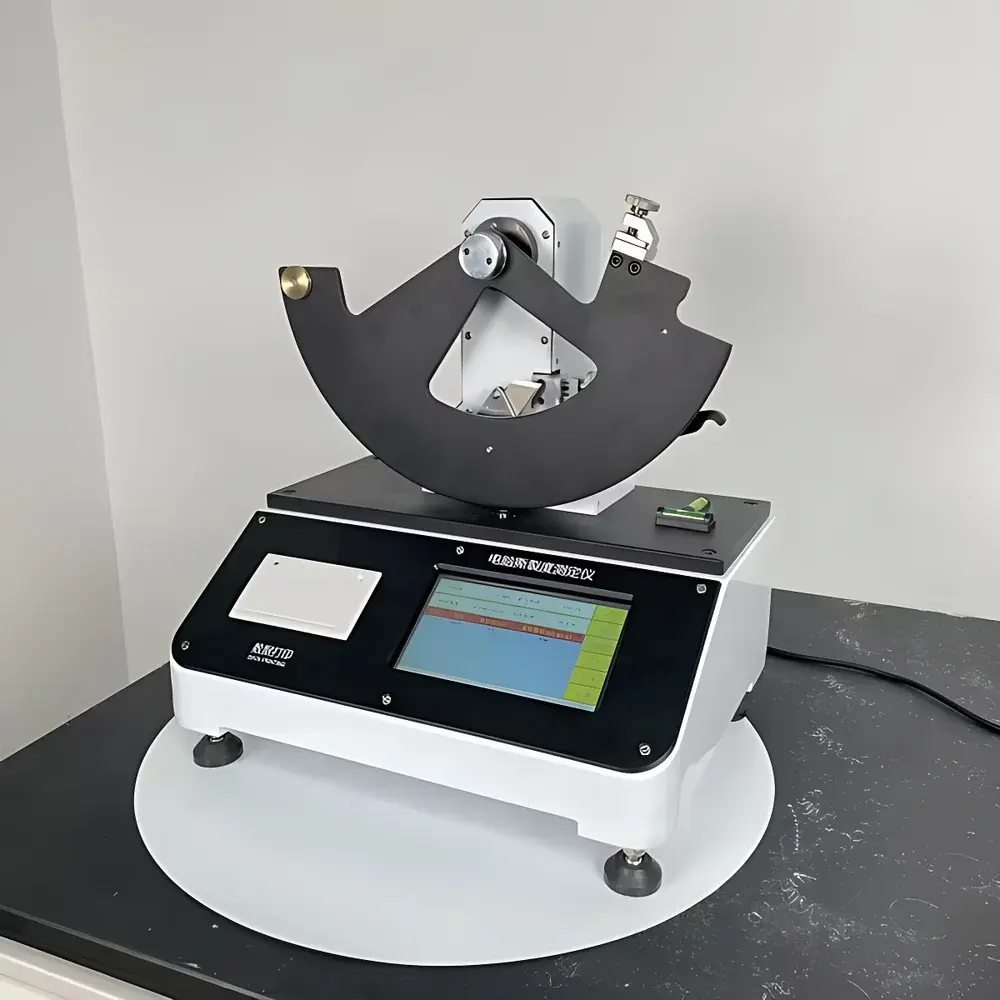
The Yuelian PW-6602C Automatic Bursting Strength Tester is a precision-engineered instrument designed for the quantitative determination of bursting strength in paper, cardboard, corrugated board, and other flexible sheet materials—including textiles such as silk and cotton fabric—according to the standardized Mullen-type hydraulic burst test principle. It operates on a controlled, constant-rate oil displacement system that applies uniformly increasing hydraulic pressure to a clamped circular specimen until rupture occurs. The instrument captures peak bursting pressure (kPa) and, optionally, real-time pressure–deformation response curves. Its measurement architecture conforms to the fundamental requirements of ISO 2758 (“Paper — Determination of bursting strength”) and GB/T 454 (“Determination of bursting strength of paper”), ensuring metrological traceability and inter-laboratory comparability in packaging quality control and R&D environments.
Key Features
- High-precision hydraulic actuation system with programmable oil feed rate of (170 ± 5) mL/min, enabling consistent ramp profiles across test cycles.
- 32-bit high-resolution analog-to-digital converter (1:10,000,000 resolution) paired with a calibrated, low-drift pressure transducer for force data acquisition with ≤0.5% full-scale indication error and repeatability.
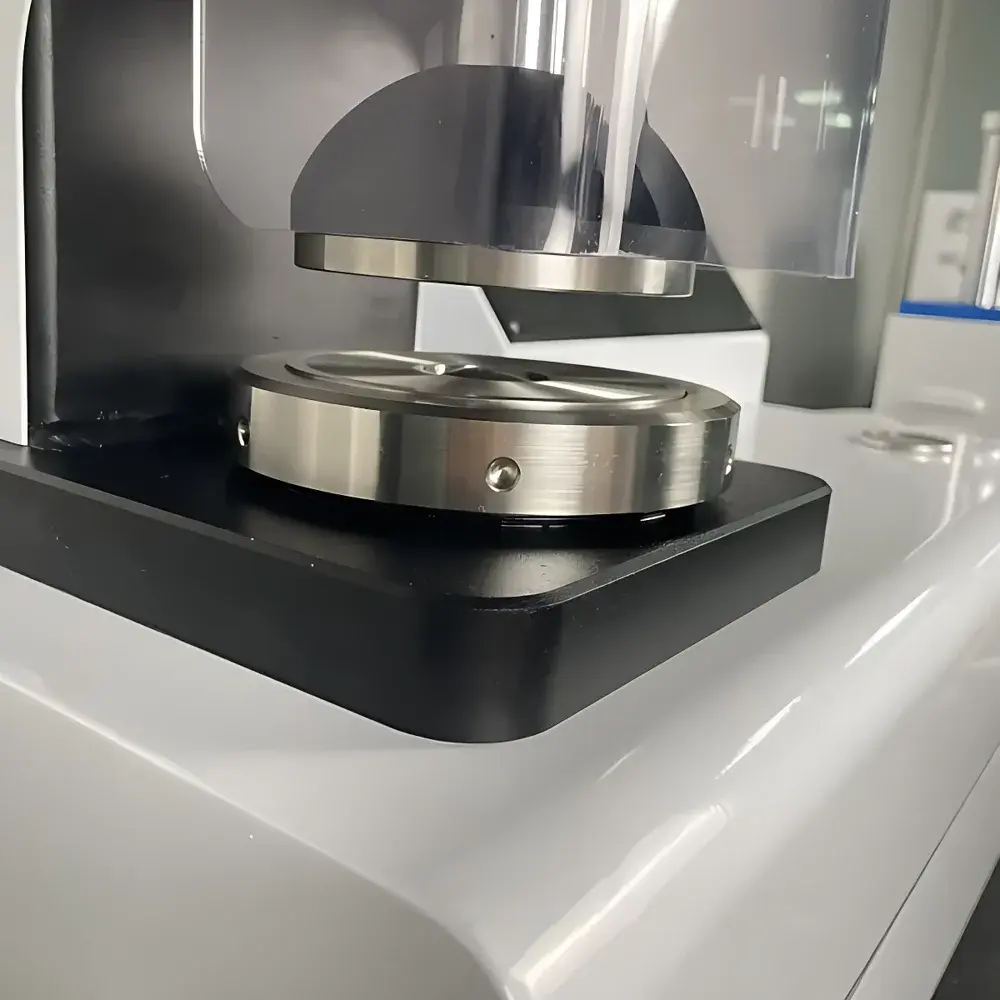
- Adjustable clamping force up to 1200 kPa ensures secure specimen fixation without edge deformation or slippage, critical for low-basis-weight papers and multi-ply boards.
- 7-inch full-color TFT touchscreen interface supporting seamless switching between English and Chinese operational menus—ideal for multinational QA/QC teams and GLP-compliant documentation workflows.
- Integrated thermal printer with modular paper loading enables immediate hardcopy output of test ID, date/time stamp, peak burst value, unit selection (kPa, kgf/cm², psi), and statistical summaries.
- Embedded safety protocols including over-range sensor protection, burst-membrane fail-safe mechanism, and transparent polycarbonate guarding to prevent operator exposure during pressurization.
- ARM-based real-time control architecture enables fully automated test execution: auto-zeroing, specimen detection, pressure ramp initiation, rupture detection, automatic reset, and data archiving—all without manual intervention.
Sample Compatibility & Compliance
The PW-6602C accommodates standard test specimens of 100 mm diameter (per ISO 2758 and GB/T 454), with optional adaptors available for smaller formats used in specialty packaging applications. It supports testing of single- and multi-layer papers, linerboard, testliner, corrugated medium, solid bleached sulfate (SBS), and coated/uncoated folding boxboard. Non-paper substrates—including woven and nonwoven textiles—can be evaluated under identical hydraulic conditions, provided they meet minimum tensile integrity thresholds to avoid premature slippage. All mechanical, pneumatic, and electronic subsystems are validated against ISO/IEC 17025 general requirements for testing laboratories, and the instrument’s firmware design facilitates audit-ready data integrity per FDA 21 CFR Part 11 when paired with compliant LIMS integration via USB or optional Ethernet interface.
Software & Data Management
While the PW-6602C operates autonomously via its onboard embedded OS, it provides structured data export through USB mass-storage mode—generating CSV-formatted files containing timestamped test records, raw pressure traces (sampled at ≥100 Hz), statistical aggregates (mean, SD, CV%), and pass/fail flags relative to user-defined specification limits. Optional PC software (available upon request) extends functionality with graphical trend analysis, SPC charting (X̄-R, Cpk), batch reporting, and electronic signature support aligned with ALCOA+ principles (Attributable, Legible, Contemporaneous, Original, Accurate, Complete, Consistent, Enduring, Available). Audit trails log all parameter modifications, calibration events, and user login/logout sequences.
Applications
- Quality assurance of incoming paper reels and finished packaging cartons in contract packaging facilities.
- Burst resistance benchmarking during paper machine optimization and pulp refining trials.
- Validation of moisture conditioning effects on board performance in climate-controlled stability chambers.
- Comparative assessment of recycled fiber blends versus virgin pulp composites in sustainable packaging development.
- Regulatory submission support for ISTA-certified transport packaging designs requiring burst strength verification.
- Teaching laboratories conducting hands-on instruction in material mechanics and standard test methodology per TAPPI T 403 and ASTM D774.
FAQ
Does the PW-6602C require an external air compressor?
Yes—the instrument requires an externally supplied compressed air source delivering 0.6–0.7 MPa pressure and 0.02–0.3 m³/min flow rate for clamping actuation. This unit is not included but can be specified separately.
Can test data be exported to Excel or LIMS systems?
Yes—via USB interface, the device saves comma-separated values (.csv) files compatible with Microsoft Excel, MATLAB, and most laboratory information management systems (LIMS) supporting flat-file ingestion.
Is calibration traceable to national standards?
Calibration certificates issued by accredited third-party labs (e.g., CNAS-accredited providers) are available upon request; internal zero and span adjustments follow documented SOPs aligned with ISO 9001 clause 7.1.5.
What maintenance intervals are recommended?
Oil level and seal integrity should be verified monthly; hydraulic oil replacement is advised every 12 months or after 5,000 test cycles; annual verification of pressure transducer linearity and clamping force uniformity is strongly recommended.
Does the instrument support GLP-compliant audit trails?
When operated with optional PC software and configured with role-based user accounts, full electronic audit trails—including operator ID, timestamped actions, and immutable data logs—are generated and exportable in PDF/A format.