
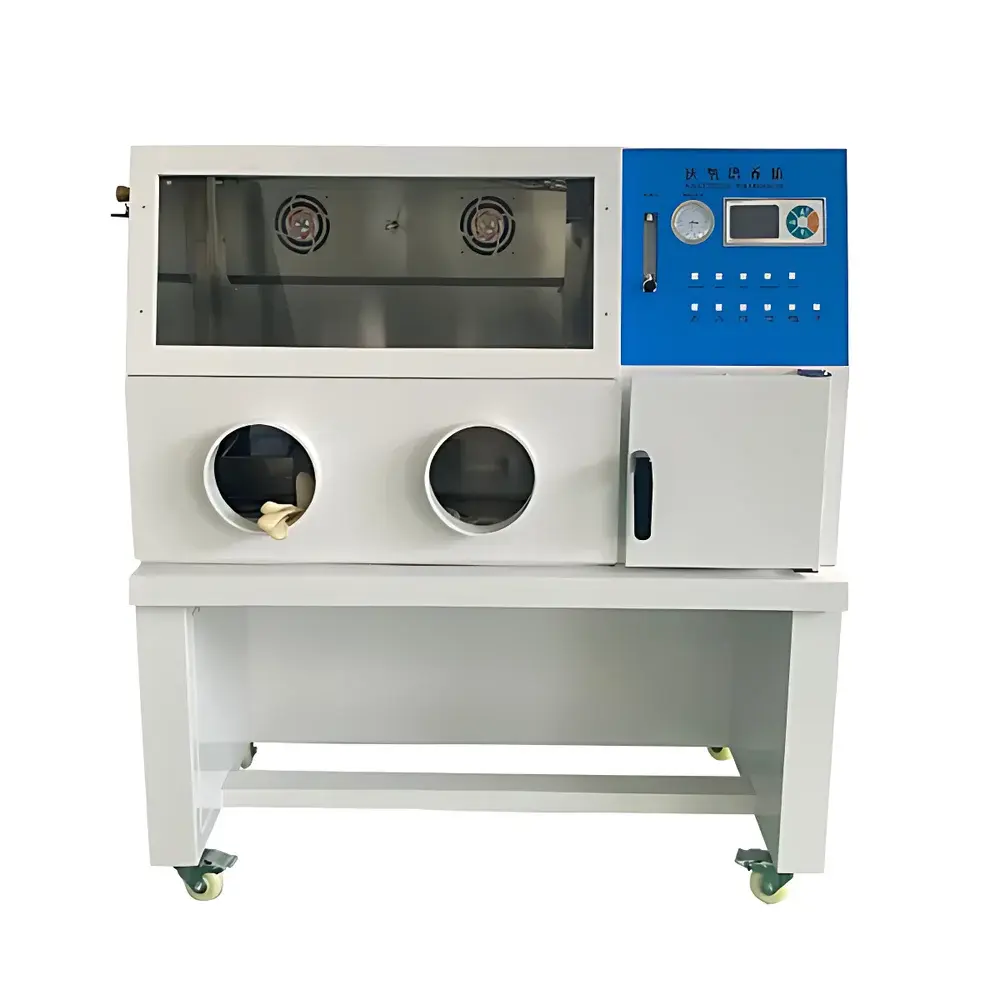
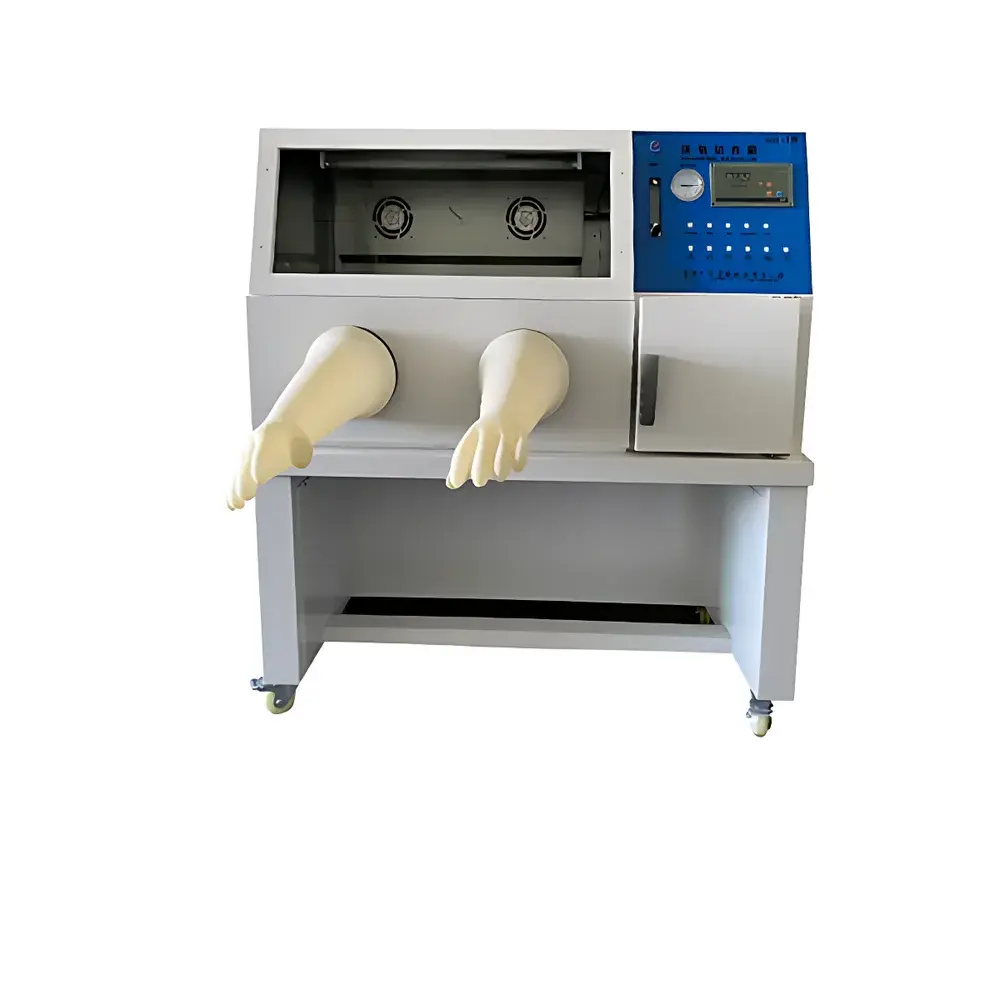
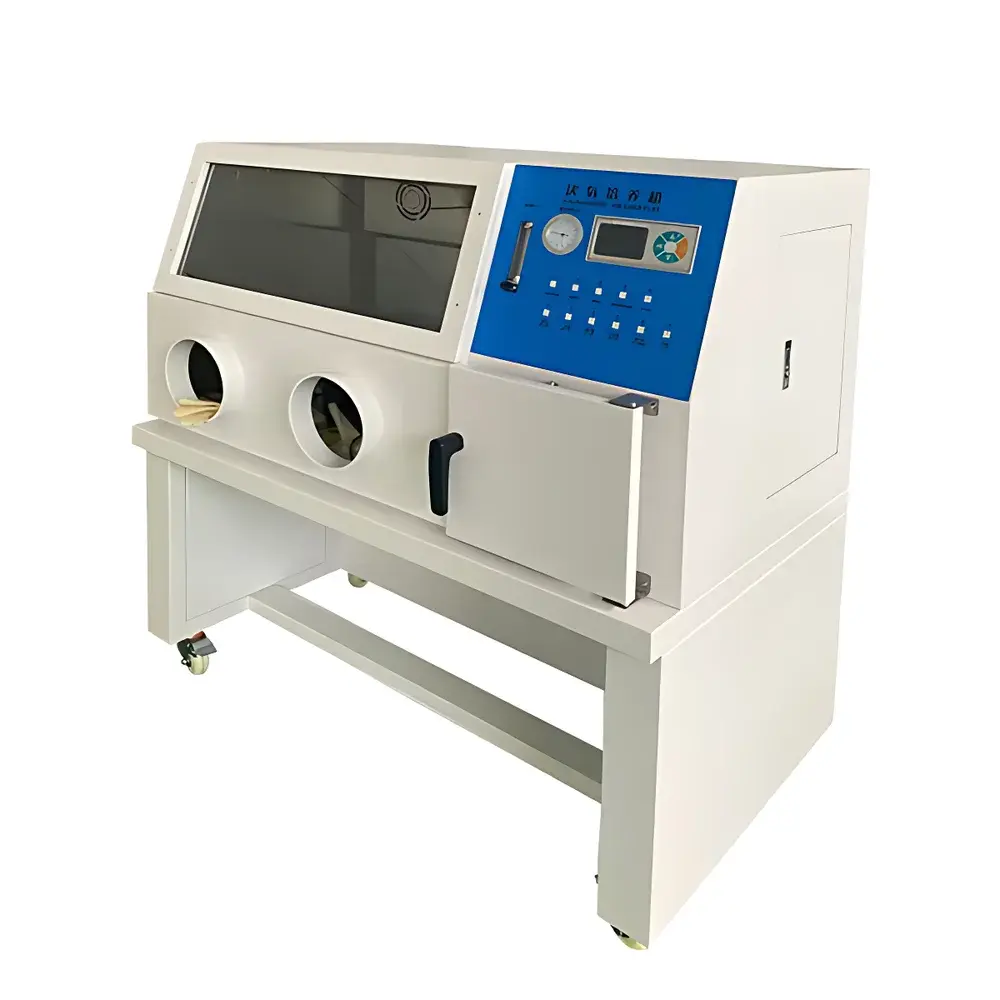
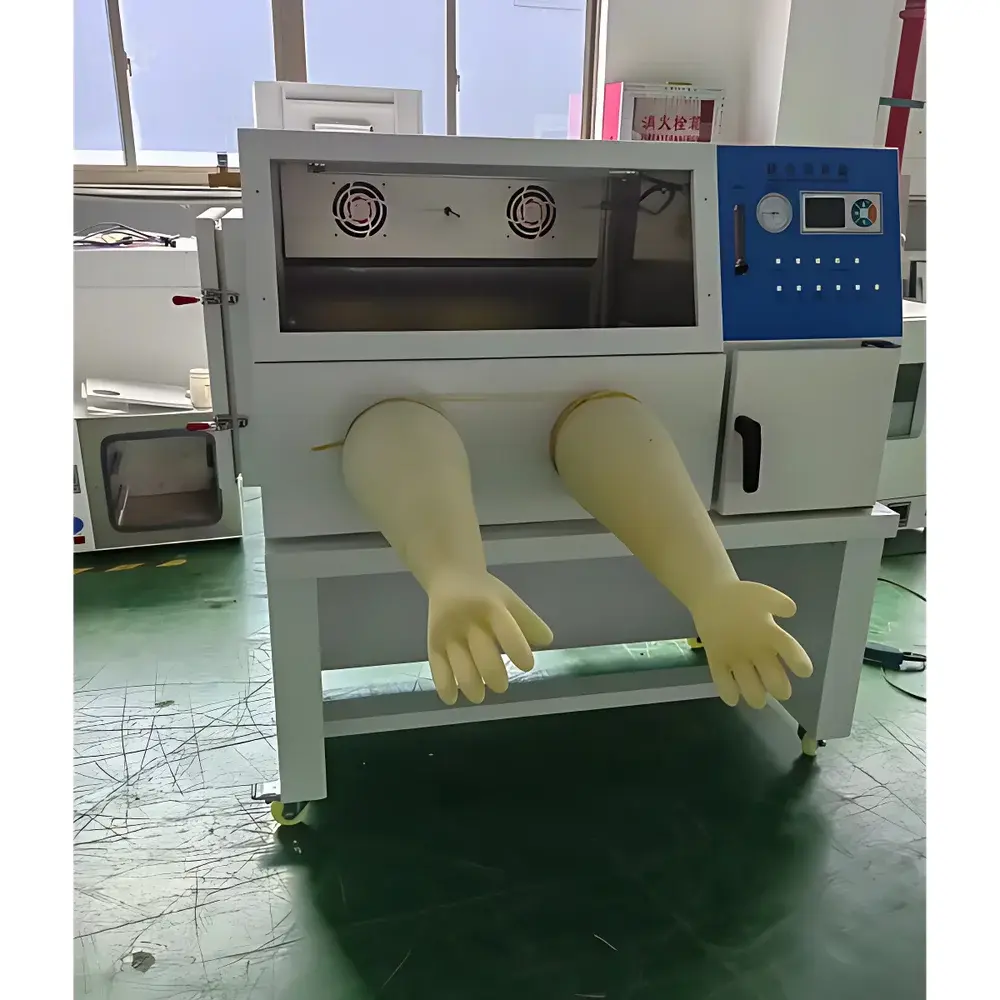
Chuanyu YQX-II Anaerobic & Microaerophilic Glove Box Incubator
| Brand | Chuanyu Instruments |
|---|---|
| Origin | Shanghai, China |
| Model | YQX-II |
| Instrument Type | Manual Anaerobic Incubator with Microaerophilic Capability |
| Oxygen Concentration Range | ≤1% (Anaerobic) / Adjustable 2–10% (Microaerophilic) |
| Temperature Control Range | Ambient +3°C to 50°C |
| Temperature Uniformity | ±1°C |
| Temperature Stability | ±0.5°C |
| Operating Chamber Dimensions | 800 × 550 × 650 mm (W×D×H) |
| Gas Supply Options | Single-gas (premixed 10% H₂ + 10% CO₂ + 80% N₂) or Dual-gas (pure N₂ + premixed gas) |
| Deoxygenation Time (Operation Chamber) | <60 min |
| Anaerobic Maintenance Duration (without gas replenishment) | ≥12 h |
| Power Supply | 220 V, 50 Hz / 1000 W |
| UV Sterilization Lamp | Integrated |
| Catalytic Oxygen Scrubber | Built-in |
| Casters with Locking Brakes | Yes |
| Compliance | Designed for ISO 13485-aligned lab workflows |
Overview
The Chuanyu YQX-II Anaerobic & Microaerophilic Glove Box Incubator is a manually operated, chamber-based environmental control system engineered for the cultivation and manipulation of obligate anaerobes and microaerophiles under precisely defined atmospheric conditions. It operates on the principle of catalytic deoxygenation combined with controlled gas purging—utilizing palladium-based catalysts to chemically remove residual O₂ from the internal atmosphere, while maintaining stable temperature and humidity profiles. Unlike continuous-flow glove boxes requiring high gas consumption, the YQX-II achieves rapid anaerobiosis (<60 minutes) and long-term stability (≥12 hours without gas replenishment), making it suitable for routine microbiological isolation, colony picking, subculturing, and antibiotic susceptibility testing in clinical, academic, and industrial laboratories. Its integrated design merges incubation and manipulation functions within a single stainless-steel chamber, eliminating the need for transfer between separate anaerobic chambers and laminar flow hoods—thereby minimizing oxygen exposure risk during handling.
Key Features
- Integrated operation and incubation chamber (800 × 550 × 650 mm) constructed from electropolished 304 stainless steel for corrosion resistance and ease of decontamination.
- Dual-mode gas delivery architecture supporting both single-bottle premixed gas (10% H₂ / 10% CO₂ / 80% N₂) and dual-bottle configuration (high-purity N₂ + premixed gas), enabling flexible transition between strict anaerobiosis and tunable microaerophilic environments.
- Onboard catalytic oxygen scrubber using Pd/Ni catalysts to reduce ambient O₂ to trace levels (<1% v/v); supplemented by vacuum-assisted evacuation cycles in the sample transfer airlock (achieving anaerobic status in <5 minutes).
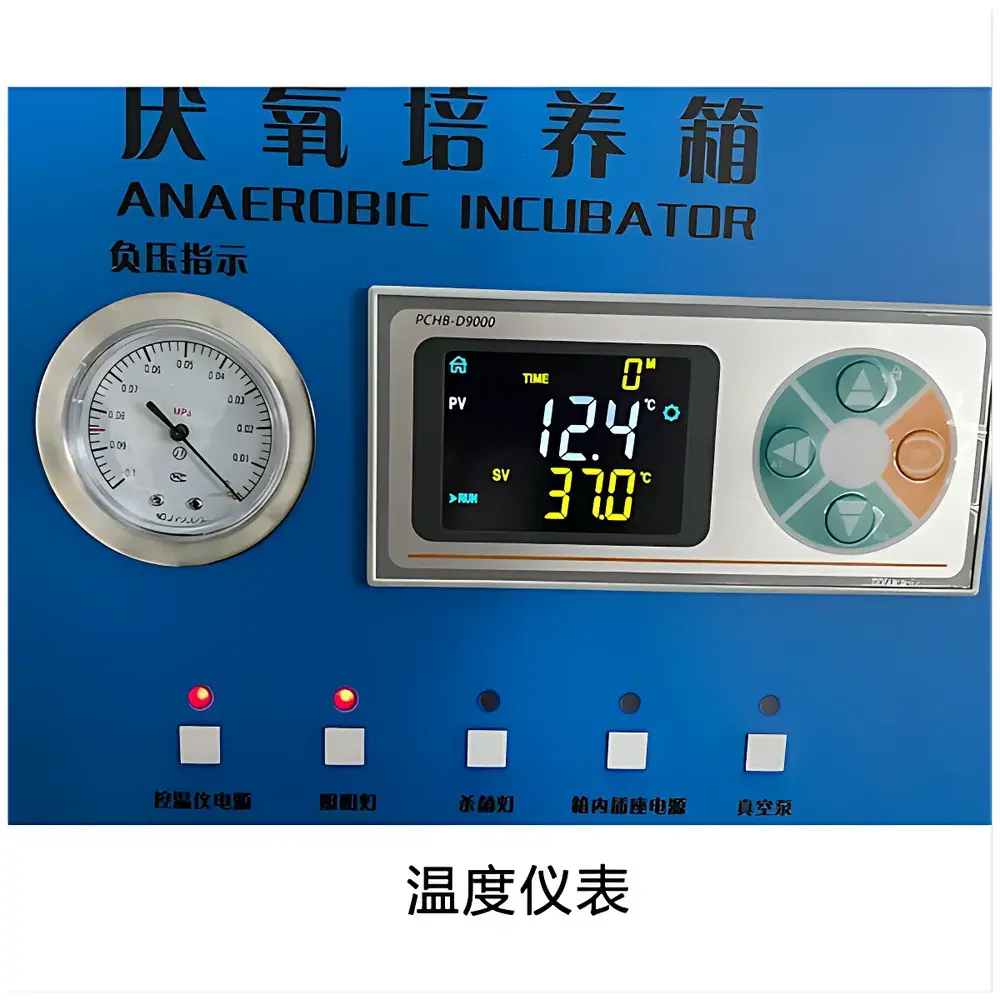
- Digital PID temperature controller with LED display, adjustable setpoint resolution of 0.1°C, real-time monitoring, and independent overtemperature cut-off protection (±0.5°C stability, ±1°C uniformity across chamber volume).
- Front viewport fabricated from impact-resistant, optically clear tempered glass with dual glove ports sealed via O-ring compression and mechanical locking collars to preserve gas integrity during extended use.
- Internal 254 nm UV-C germicidal lamp with timer function and interlocked safety cutoff; HEPA-filtered gas inlet prevents microbial ingress during gas exchange.
- Modular utility integration: built-in AC power outlets (220 V), adjustable gas flow meters, LED task lighting, and leveling casters with locking brakes for repositioning within shared laboratory spaces.
Sample Compatibility & Compliance
The YQX-II accommodates standard Petri dishes (up to 150 mm), culture tubes, anaerobic jars, and small benchtop instruments (e.g., colony pickers, microcentrifuges) within its chamber. It is routinely deployed for cultivating Clostridium difficile, Bacteroides fragilis, Helicobacter pylori, and other fastidious organisms requiring sub-atmospheric oxygen tension. While not certified to UL/CE standards as a standalone medical device, its construction and operational parameters align with common requirements for ISO 13485-supported quality systems in diagnostic labs. When used with validated SOPs—including daily O₂ verification using external handheld analyzers—and paired with electronic lab notebooks (ELNs) that log timestamps, operator IDs, and environmental setpoints, the system supports GLP/GMP traceability frameworks. Note: Final regulatory compliance depends on site-specific validation protocols and integration with institutional QA/QC procedures.
Software & Data Management
The YQX-II is a hardware-only platform with no embedded firmware or network connectivity. Temperature setpoints, UV exposure duration, and gas flow rates are configured manually via front-panel controls. For data integrity in regulated environments, users integrate external logging devices—such as calibrated USB data loggers (e.g., Omega OM-DAQPRO-5300) or programmable PLCs—to record chamber temperature, door-open events, and gas usage metrics. These logs can be exported to CSV or PDF formats and archived alongside electronic batch records per FDA 21 CFR Part 11 guidelines when combined with appropriate user authentication and audit trail software (e.g., LabArchives, Benchling). No proprietary drivers or cloud services are required or supported.
Applications
- Routine isolation and propagation of obligate anaerobes from clinical specimens (stool, abscess fluid, wound swabs).
- Microaerophilic cultivation of H. pylori, Campylobacter jejuni, and Arcobacter spp. using programmable O₂ setpoints (2–10%).
- Antimicrobial susceptibility testing (AST) under physiologically relevant low-O₂ conditions per CLSI M11-A9 recommendations.
- Preparation of anaerobic master plates for MALDI-TOF MS identification workflows.
- Support of anaerobic fermentation studies in bioprocess development labs where gas composition must remain stable across multi-day runs.
- Teaching laboratories requiring robust, low-maintenance platforms for undergraduate microbiology instruction.
FAQ
What gas mixtures are compatible with the YQX-II?
The system accepts either a single cylinder of premixed gas (10% H₂ / 10% CO₂ / 80% N₂) or two separate cylinders—one containing ≥99.9% pure nitrogen and the other the same premix. Hydrogen concentration must not exceed 10% for safe catalytic recombination.
Can the YQX-II maintain microaerophilic conditions without external O₂ monitoring?
No. While the unit allows manual adjustment of gas flow ratios, precise microaerophilic control (e.g., 5% O₂) requires integration with an external electrochemical or paramagnetic O₂ analyzer mounted inside the chamber or in-line with the exhaust path.
Is the chamber humidity-controlled?
No. The YQX-II does not include active humidification or dehumidification. Users typically place water reservoirs or saturated salt solutions inside the chamber to stabilize relative humidity at ~80–95% RH for optimal anaerobe growth.
How often should the catalytic scrubber be regenerated or replaced?
Under normal use (≤2 hr/day), the Pd/Ni catalyst remains effective for 12–18 months. Regeneration is performed by heating the scrubber element to 120°C under inert gas flow for 2 hours; replacement kits are available directly from Chuanyu Instruments.
Does the YQX-II meet biosafety level (BSL) containment requirements?
It is not classified as a BSL-2 cabinet. The unit provides environmental control—not aerosol containment. For work with Risk Group 2 pathogens, it must be placed inside a certified Class II biological safety cabinet or used with supplementary personal protective equipment and procedural controls.



