
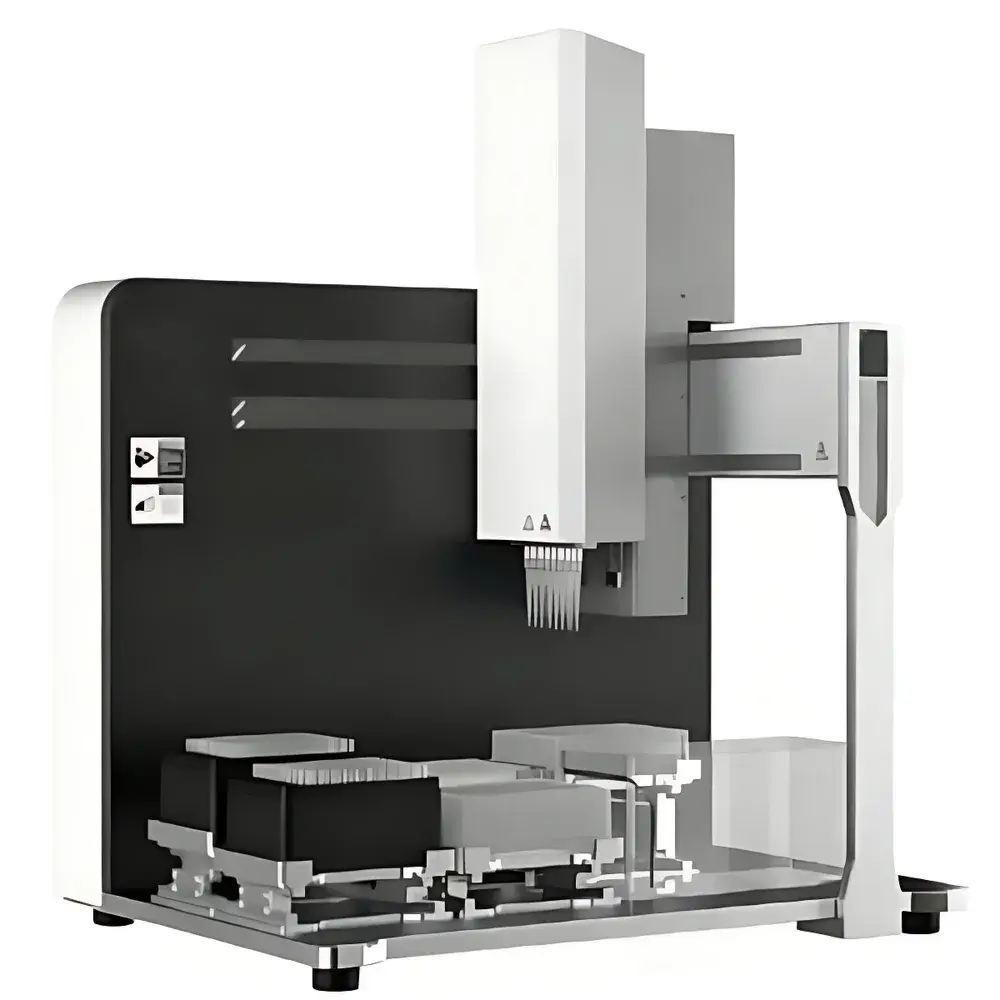
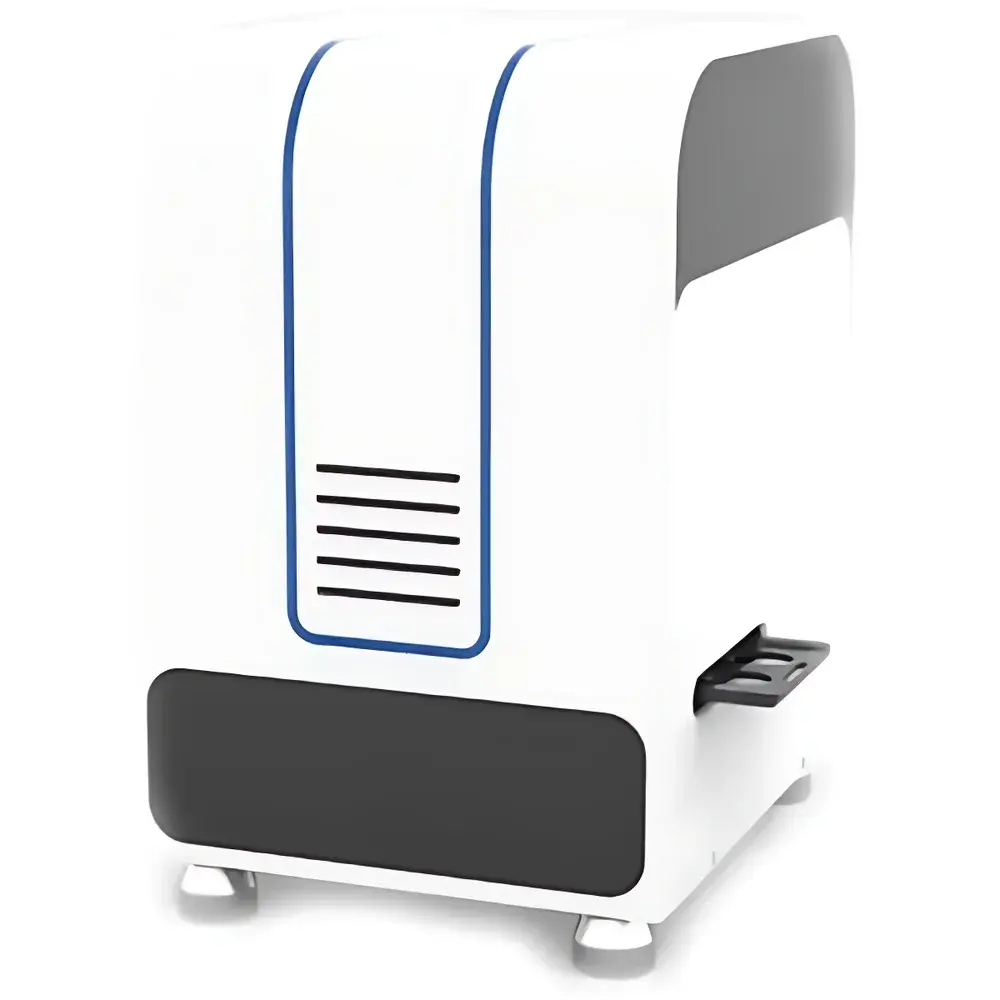
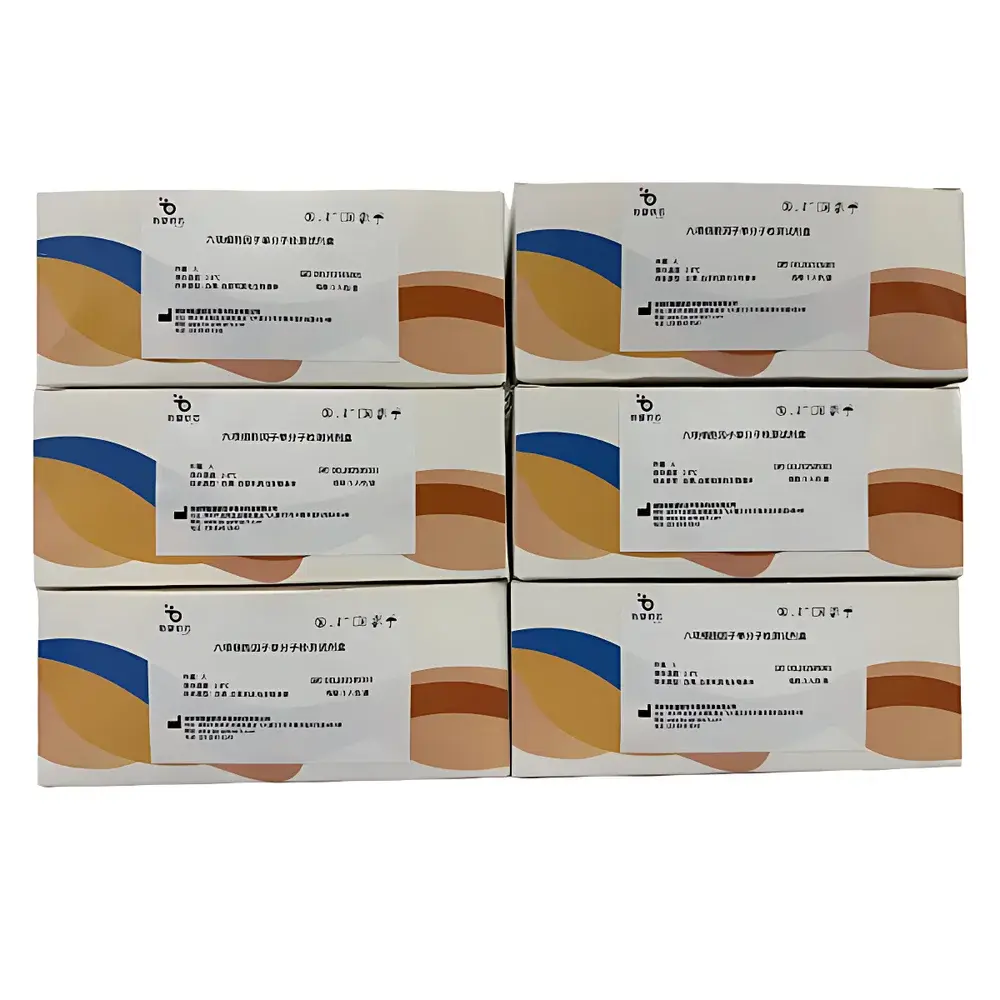
Bo-Semitech Xinqiji JX-8B Single-Molecule Digital ELISA Multiplex Detection System
| Brand | Bo-Semitech |
|---|---|
| Origin | Guangdong, China |
| Manufacturer Type | Authorized Distributor |
| Country of Origin | China |
| Model | Xinqiji JX-8B |
| Price | USD 42,000 (FOB Guangdong) |
| Detection Principle | Single-Molecule Array (Simoa) Technology |
| Assay Time | ≤10 min per run |
| Analyte Range | 0.054–1000 pg/mL (IL-6) |
| LOD (IL-6) | 0.054 pg/mL |
| LOD (PCT) | <10 pg/mL |
| Linearity (R²) | >0.99 across multiplex panels |
| Intra-assay CV | <16.2% (n=16) |
| Multiplex Capacity | Up to 8 human or murine cytokines per chip |
| Compatible Biomarkers | Human IL-4, IL-5, IL-8, TNF-α, IL-6, IFN-γ, IL-1β |
Overview
The Bo-Semitech Xinqiji JX-8B is a benchtop digital ELISA multiplex detection system engineered for ultra-sensitive, quantitative measurement of low-abundance protein biomarkers at the single-molecule level. Leveraging patented paramagnetic bead-based Simoa (Single Molecule Array) technology, the platform achieves attomolar sensitivity by isolating individual immunocomplexes within femtoliter-sized wells and detecting enzymatic signal amplification via digital counting—enabling quantification far below the detection limits of conventional sandwich ELISA. Designed specifically for translational research laboratories, clinical assay development units, and biopharmaceutical QC environments, the JX-8B delivers reproducible, high-fidelity data for cytokine profiling in serum, plasma, CSF, and cell culture supernatants—without requiring specialized cleanroom infrastructure or cryogenic reagents.
Key Features
- Sub-pg/mL sensitivity: Demonstrated LOD of 0.054 pg/mL for human IL-6, validated per CLSI EP17-A2 guidelines for limit-of-detection assessment.
- True multiplex capability: Simultaneous quantification of up to eight analytes—including human IL-4, IL-5, IL-8, TNF-α, IL-6, IFN-γ, IL-1β and murine IL-6, IL-1β, IFN-γ, IL-10—on a single biochip using spectrally resolved fluorophore-conjugated detection antibodies.
- Rapid turnaround: Complete assay execution—including sample loading, incubation, washing, signal development, and digital image acquisition—in under 10 minutes, eliminating overnight incubations required by standard 3–4 hour ELISA protocols.
- Integrated microfluidic handling: On-board pipetting, temperature-controlled incubation (25–40 °C ±0.3 °C), and automated wash cycles minimize operator variability and ensure inter-run consistency.
- Modular chip architecture: Disposable silicon-based biochips with pre-patterned capture antibody arrays; compatible with manual or semi-automated chip loading workflows.
- Robust optical detection engine: High-resolution CMOS imaging sensor (2048 × 2048 pixels) coupled with dual-laser excitation (488 nm / 640 nm) and spectral unmixing algorithms for precise signal deconvolution in multiplex mode.
Sample Compatibility & Compliance
The JX-8B accepts native biological matrices without dilution or pre-treatment for most applications: human serum (≥50 µL), EDTA-plasma (≥30 µL), cerebrospinal fluid (≥20 µL), and clarified cell culture supernatants. All assays are developed and verified in accordance with ISO 13485:2016 principles for in vitro diagnostic device performance evaluation. The system supports audit-ready operation through optional GLP-compliant software modules, including electronic signatures (21 CFR Part 11 compliant), full audit trails, and instrument calibration logs traceable to NIST-certified reference standards. Assay kits meet ISO 15197:2013 criteria for precision and linearity validation, with R² >0.99 across clinically relevant dynamic ranges.
Software & Data Management
The proprietary Bo-Semitech Analysis Suite v3.2 provides end-to-end workflow control—from chip registration and protocol selection to real-time image processing and concentration interpolation using four-parameter logistic (4PL) curve fitting. Raw fluorescence images are stored in DICOM-compliant format with embedded metadata (timestamp, operator ID, lot numbers, environmental conditions). Export options include CSV, PDF analytical reports, and direct integration with LIMS via HL7 v2.5 or ASTM E1384 interfaces. Version-controlled method templates allow SOP-driven operation across multi-site laboratories, while encrypted local database storage ensures HIPAA-aligned data sovereignty.
Applications
- Neuroinflammation biomarker profiling in Alzheimer’s and multiple sclerosis clinical trials.
- Early-phase immuno-oncology monitoring: Quantification of PD-L1-associated cytokine shifts in peripheral blood during checkpoint inhibitor therapy.
- Vaccine immunogenicity assessment: High-throughput screening of Th1/Th2 cytokine ratios post-adjuvant administration.
- Preclinical toxicology: Sensitive detection of IL-1β and TNF-α elevation in rodent models following nanomaterial exposure.
- Cell therapy QC: Release testing of CAR-T conditioned media for IFN-γ and IL-2 leakage profiles.
- Biomarker discovery pipelines: Cross-validation of candidate proteins identified via mass spectrometry against digital ELISA orthogonal quantification.
FAQ
What regulatory standards does the JX-8B support for GxP environments?
The system supports 21 CFR Part 11 compliance when configured with audit trail logging, electronic signatures, and role-based access control—fully documented in the Validation Support Package (VSP) provided with each installation.
Can third-party antibodies be used on the JX-8B biochips?
Yes—open-platform chip formats accept user-conjugated capture/detection reagents; however, Bo-Semitech recommends validation against reference kits to ensure binding kinetics and signal-to-noise ratios remain within defined operational envelopes.
Is the JX-8B compatible with existing laboratory automation systems?
The instrument features RS-232, Ethernet, and USB-C connectivity with programmable API endpoints (RESTful JSON), enabling integration into Hamilton STAR, Tecan Fluent, or Agilent Bravo liquid handling ecosystems via custom middleware.
How frequently must the optical path be calibrated?
Laser intensity and camera gain are auto-calibrated at startup and after every 24 hours of continuous operation; full optical alignment verification is recommended annually by certified field service engineers.
Does the system require external cooling or compressed air?
No—JX-8B operates as a self-contained unit with passive thermal management and integrated vacuum pumps; only standard 100–240 VAC power and ambient lab ventilation are required.
Related Products



