
WIGGENS BIOMIX Drive 1 & BIOMIX Drive 4 Cell Culture-Optimized Magnetic Stirrers
| Brand | WIGGENS |
|---|---|
| Origin | Germany |
| Model | BIOMIX Drive 1 / BIOMIX Drive 4 |
| Instrument Type | Magnetic Stirrer |
| Max. Stirring Volume | 5 L per position |
| Speed Range | 2–250 rpm |
| IP Rating | IP68 |
| Operating Temperature | −10 °C to +50 °C (100% RH) |
| Power Supply | 48 V DC |
| Housing Material | Stainless Steel (AISI 316L-grade equivalent) |
| Weight | 2.3 kg (Drive 1), 4.7 kg (Drive 4) |
| Enclosure Dimensions | 180 × 180 × 38 mm (Drive 1), 270 × 270 × 38 mm (Drive 4) |
| Motor Type | Maintenance-Free MAG Stepper Motor |
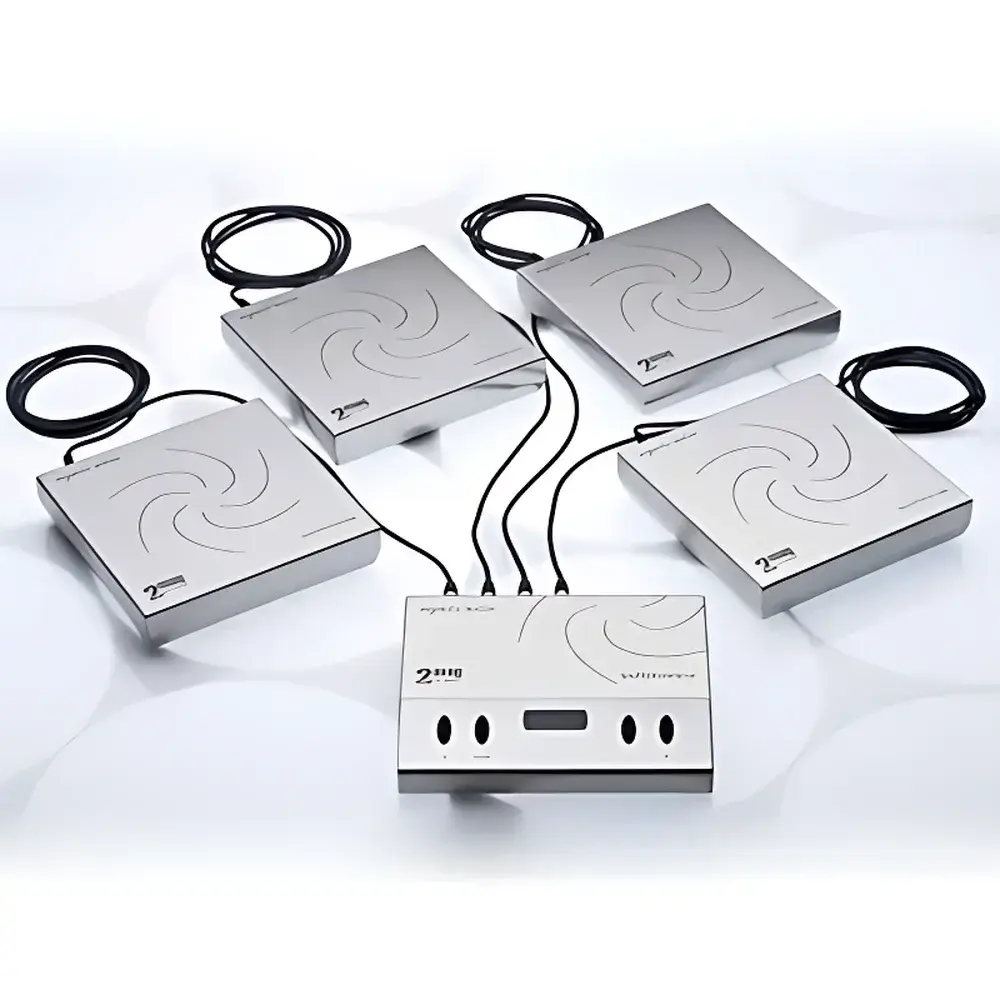
| Stirring Position Spacing | 140 mm (Drive 4 only) |
Overview
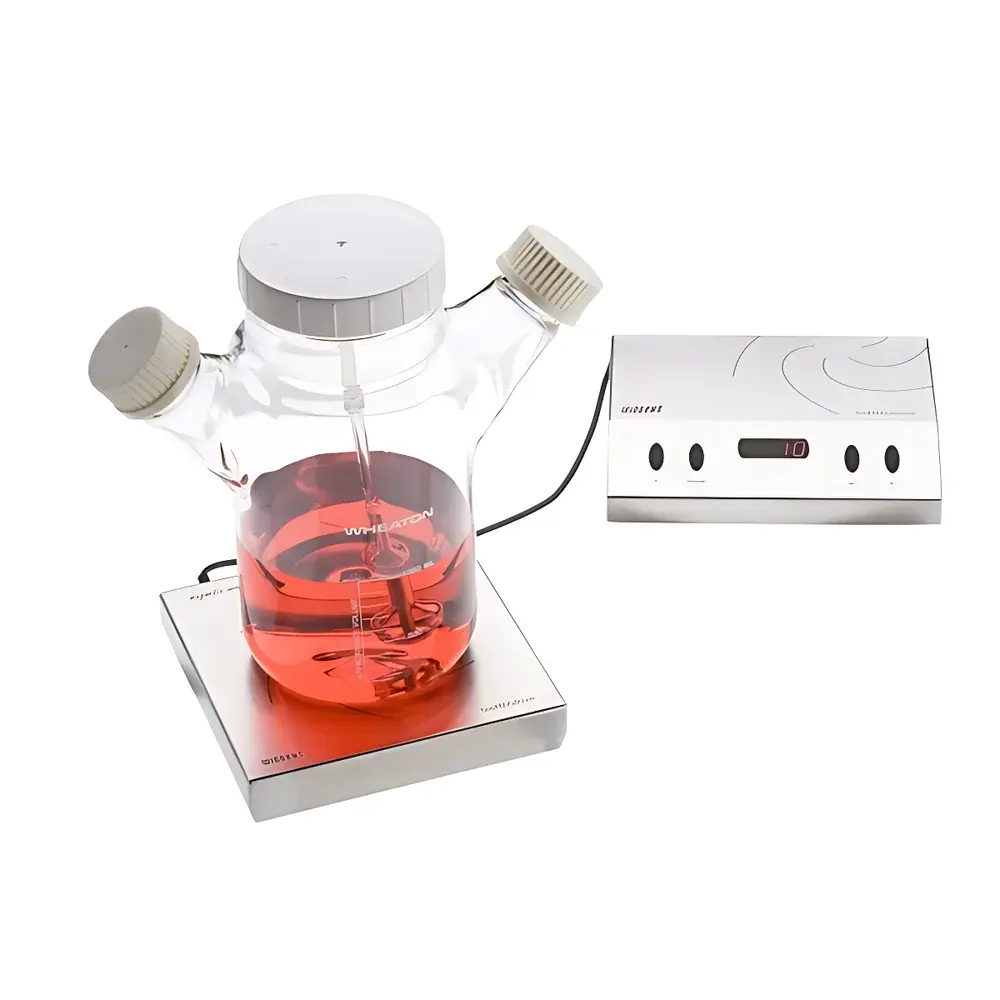
The WIGGENS BIOMIX Drive 1 and BIOMIX Drive 4 are purpose-engineered magnetic stirrers designed exclusively for sensitive biological applications—particularly mammalian, stem, and primary cell culture workflows where thermal stability, contamination control, and mechanical gentleness are non-negotiable. Unlike conventional benchtop stirrers, the BIOMIX series employs a fully separated drive unit architecture: the motorized base remains external to the incubation environment, while only the hermetically sealed, stainless-steel stir plate is placed inside CO₂ incubators, hypoxic chambers, or water baths. This design eliminates heat generation at the sample site—critical for maintaining precise temperature setpoints (e.g., 37 °C ± 0.2 °C) and preventing localized thermal stress on fragile adherent or suspension cultures. The core actuation relies on high-torque, low-noise MAG stepper motors delivering consistent rotational torque across the full 2–250 rpm range, enabling stable agitation of viscous media (e.g., methylcellulose-based semi-solid matrices or high-serum formulations) without vortexing, splashing, or microturbulence-induced shear damage.
Key Features
- IP68-rated stainless-steel stir plates—fully submersible in water baths and resistant to condensate, CO₂-enriched humid atmospheres, and routine sterilization protocols (e.g., 70% ethanol wipe-down, hydrogen peroxide vapor exposure)
- Zero-heat-generation operation: No internal electronics or power conversion circuitry within the incubator; all thermal load remains outside the controlled environment
- Ultra-flat, seamless top surface with <0.2 µm Ra finish—minimizes microbial adhesion and enables rapid, validated cleaning between runs
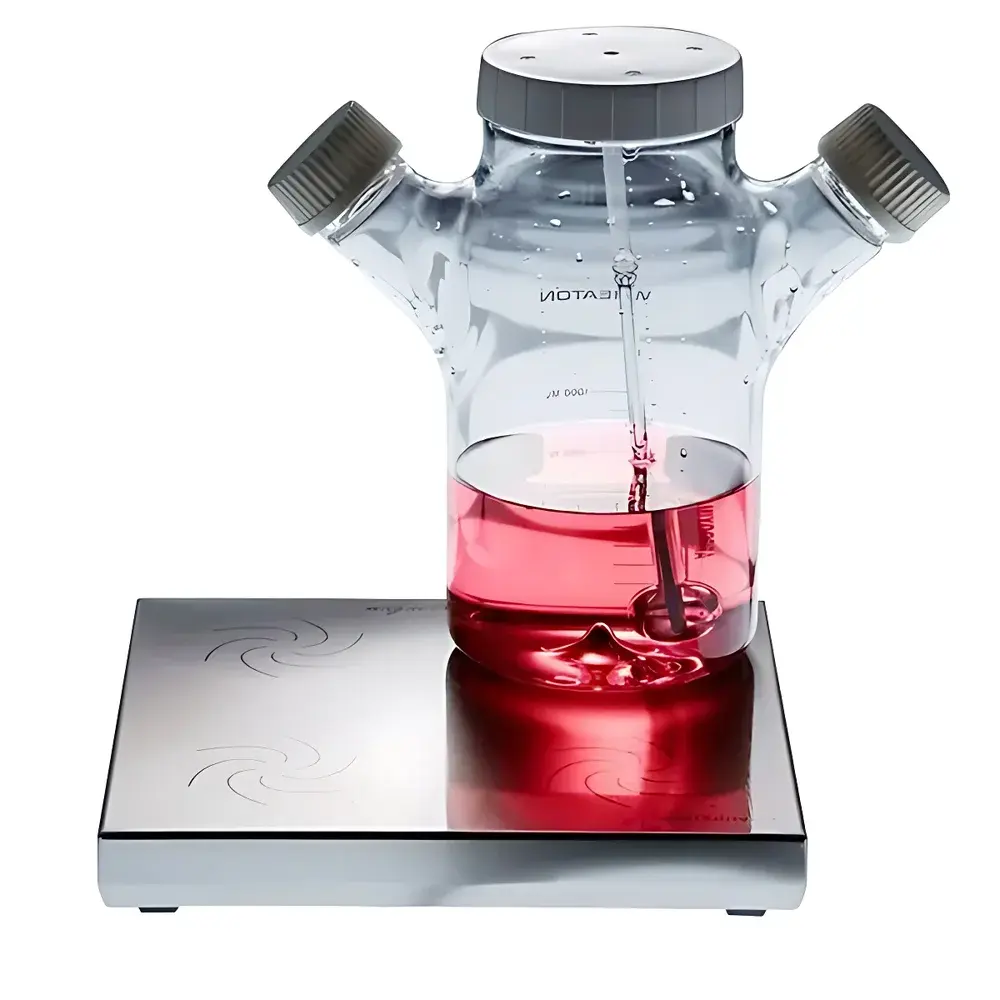
- Modular scalability: BIOMIX Drive 1 supports single-vessel agitation; BIOMIX Drive 4 accommodates up to four independently controllable positions with fixed 140 mm center-to-center spacing—optimized for standard tissue culture flasks (T25–T225), roller bottles, and multi-well bioreactor plates
- Low-speed precision: Stable rotation down to 2 rpm with ≤±1 rpm speed deviation over 24 h—essential for gentle resuspension of embryoid bodies or neural spheroids
- 48 V DC isolated power architecture—compliant with SELV (Safety Extra-Low Voltage) requirements per IEC 61000-6-3 and IEC 61000-6-4 for electromagnetic compatibility in shared lab infrastructure
Sample Compatibility & Compliance
The BIOMIX system is validated for use with standard cell culture consumables including polycarbonate and PETG flasks, glass roller bottles, and silicone-sealed bioreactor vessels. Its sealed construction meets ISO 13485-aligned environmental protection requirements for Class II medical device manufacturing support environments. The absence of moving parts within the sterile field eliminates lubricant outgassing and particulate shedding—making it suitable for GMP-compliant upstream bioprocessing steps under Annex 1 (EU) and FDA 21 CFR Part 211 guidance. While not a diagnostic device, its operational consistency supports GLP data integrity when integrated into SOPs for media preparation, transfection reagent mixing, or cryopreservation solution equilibration.
Software & Data Management
The BIOMIX Drive units operate in standalone mode with tactile rotary encoder controls and dual-color LED status indicators (green = nominal operation; amber = overload warning). For traceable process documentation, optional RS-485 Modbus RTU interface enables integration into LabVantage, STARLIMS, or custom SCADA systems. Audit trails—including start/stop timestamps, speed setpoints, and runtime duration per channel—can be logged with configurable retention policies aligned with 21 CFR Part 11 electronic record requirements when paired with compliant host software.
Applications
- Gentle homogenization of serum-containing or protein-supplemented media prior to filtration sterilization
- Continuous agitation during long-term differentiation protocols (e.g., cardiomyocyte maturation over 14+ days)
- Uniform distribution of growth factors or small-molecule inhibitors in 3D organoid cultures
- Stirring of hydrogel-embedded cells (e.g., collagen I or Matrigel™ suspensions) without disrupting matrix integrity
- CO₂ incubator-based maintenance of hybridoma cultures requiring periodic medium exchange and gentle resuspension
- Water-bath-supported thawing and dilution of cryopreserved iPSC lines with minimized thermal shock
FAQ
Can the stir plate be autoclaved?
No—autoclaving exceeds the specified operating temperature limit (−10 °C to +50 °C) and may compromise the hermetic seal integrity. Sterilization is limited to validated liquid chemical methods (e.g., 2% glutaraldehyde immersion for 20 min) or dry-heat cycles ≤60 °C.
Is speed calibration traceable to NIST standards?
Yes—each production batch undergoes factory calibration using an ISO/IEC 17025-accredited tachometer (traceable to PTB, Germany), with calibration certificates available upon request.
What stir bar sizes are recommended for optimal coupling at 2 rpm?
For reliable engagement below 10 rpm, use PTFE-coated stir bars ≥25 mm length with embedded neodymium magnets (≥N42 grade); avoid ceramic-core or low-magnetization designs.
Does the system support programmable ramp profiles?
Not natively—the hardware implements fixed-speed operation only. Ramp functionality requires external PLC-level control via the RS-485 interface.
How is positional crosstalk mitigated in the 4-position model?
Each stirring position features independent magnetic circuit shielding and spatial separation (140 mm center-to-center), ensuring >40 dB isolation between adjacent channels per EN 61326-1 EMI testing.



