
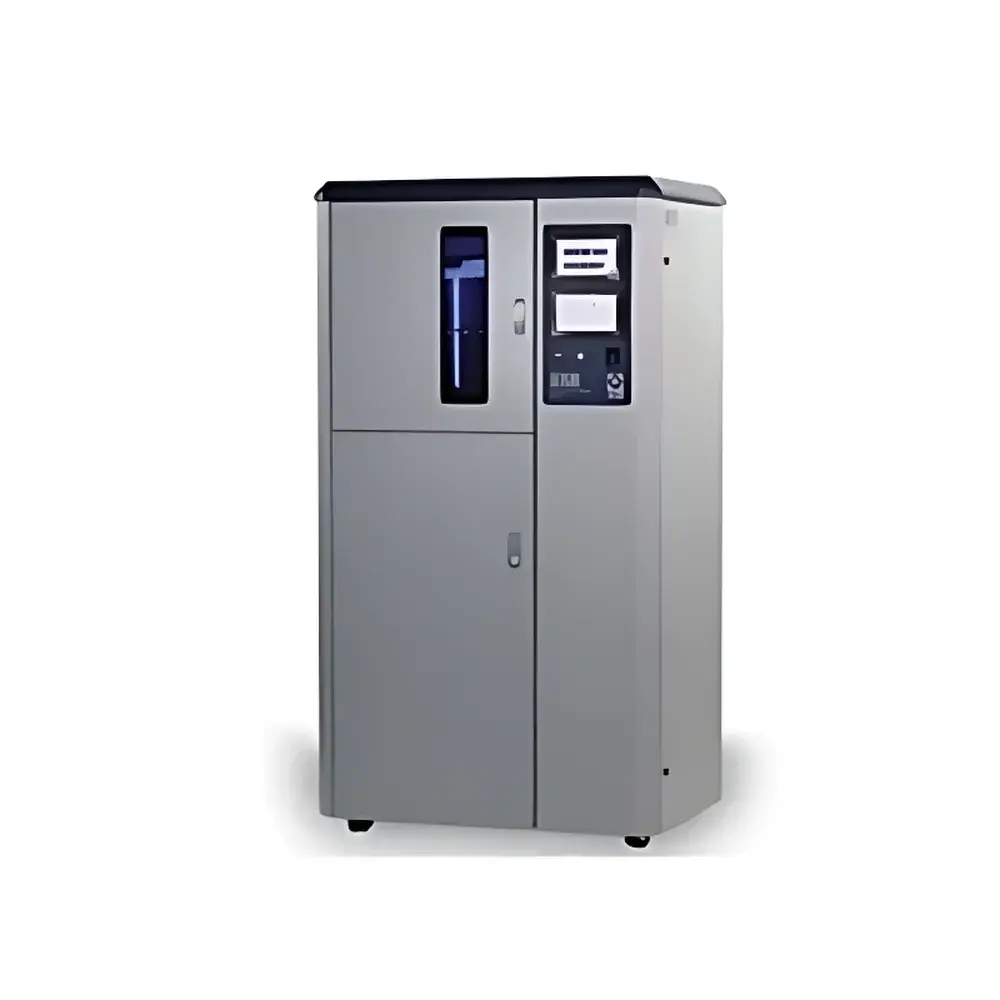
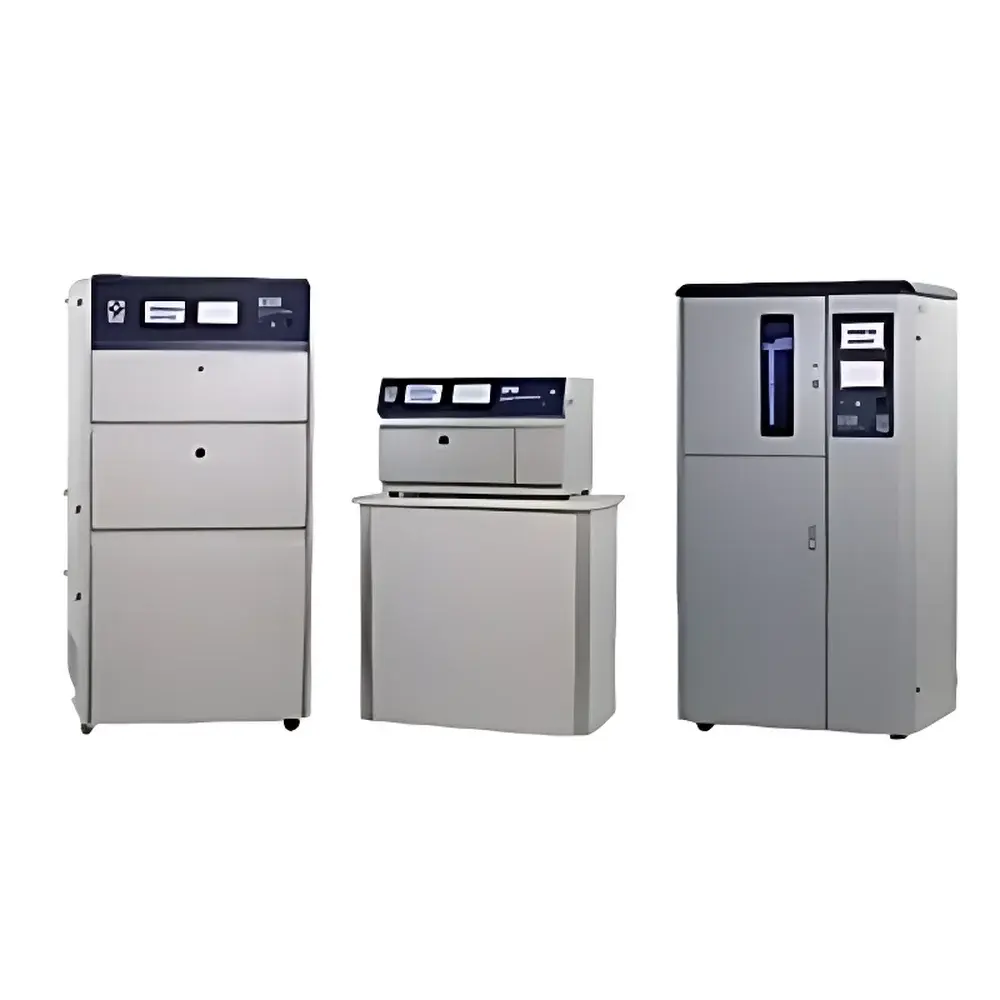
Q-LAB Q-Sun Xe-2 Xenon Arc Weathering Test Chamber
| Brand | Q-LAB |
|---|---|
| Origin | USA |
| Model | Q-Sun Xe-2 |
| Irradiance | 1.3 W/m² @ 340 nm |
| Light Exposure Cycle | 1500 h |
| Humidity Control | Standard Relative Humidity (RH) Regulation |
| Water Spray | Optional |
| Lamp Type | Full-Spectrum Xenon Arc Lamp |
| Sample Mounting | Rotating Drum Configuration |
| Compliance | ASTM G155, ISO 4892-2, ISO 11341, AATCC TM16, SAE J2527, Ford FLTM BI 108-01, GMW 14124 |
Overview
The Q-LAB Q-Sun Xe-2 Xenon Arc Weathering Test Chamber is an engineered solution for accelerated weathering and light stability evaluation of materials under controlled, reproducible conditions that simulate full-spectrum solar radiation, temperature, and humidity stressors. Based on the fundamental principle of xenon arc irradiation—where a high-intensity xenon lamp emits spectral energy closely matching natural sunlight (290–800 nm)—the Xe-2 enables precise simulation of outdoor exposure environments including UV degradation, thermal cycling, moisture condensation, and rain-induced erosion. Unlike UV fluorescent or metal halide systems, the xenon arc source delivers authentic solar spectral distribution, making it the reference method for textile colorfastness, polymer photostability, automotive interior component validation, and coating durability testing per international standards. Its rotating drum sample holder ensures uniform irradiance distribution across specimens, while integrated environmental controls allow independent regulation of irradiance, chamber air temperature, black panel temperature, relative humidity, and optional water spray—all critical parameters defined in ASTM G155 and ISO 4892-2.
Key Features
- Full-spectrum xenon arc lamp with spectral output traceable to CIE daylight standard (D65), optimized for fidelity in UV-B, UV-A, visible, and near-infrared regions
- Real-time irradiance control system with continuous monitoring at user-selectable wavelengths: 340 nm (UV-B critical for polymer degradation), 420 nm (broadband UV-A), or TUV (300–400 nm integral)
- Standard relative humidity (RH) control with dual-sensor feedback loop; maintains setpoint accuracy within ±3% RH over operational range (10–95% RH)
- Optional water spray subsystem featuring a single top-mounted nozzle delivering deionized water during dark or light cycles per ASTM D4329 and ISO 11341 protocols
- Rotating drum sample carrier accommodating up to 48 standard 75 × 150 mm specimens; enables consistent angular exposure and eliminates edge-shadowing artifacts
- Independent black panel temperature (BPT) and chamber air temperature control, each regulated via PID algorithms with resolution of 0.1 °C
- Intuitive touchscreen interface supporting five languages (English, French, Spanish, Italian, German); built-in Ethernet port for remote monitoring, data logging, and integration into LIMS or enterprise QA/QC networks
- AUTO-CAL calibration assist technology streamlines radiometric verification using NIST-traceable sensors, reducing downtime and operator dependency
- Self-diagnostic firmware with real-time fault logging, predictive service alerts, and comprehensive event history compliant with GLP audit requirements
Sample Compatibility & Compliance
The Q-Sun Xe-2 accommodates rigid and flexible flat-sheet specimens—including textiles, plastics, paints, adhesives, elastomers, and composites—mounted vertically on the rotating drum. Its design supports standardized specimen geometries per ASTM D6662 (plastics), AATCC TM16 (textiles), and ISO 105-B02 (colorfastness). The chamber meets essential regulatory and industry-specific compliance frameworks: ASTM G155 (practice for operating xenon arc apparatus), ISO 4892-2 (methods for plastics exposure), ISO 11341 (paints and varnishes), SAE J2527 (automotive exterior materials), and Ford FLTM BI 108-01. For regulated environments, the system’s data integrity architecture—including password-protected user roles, electronic signatures, and immutable audit trails—aligns with FDA 21 CFR Part 11 and EU Annex 11 expectations when configured with validated software modules.
Software & Data Management
Control and data acquisition are managed through Q-Lab’s proprietary SunTest™ software suite (v5.x), accessible locally or remotely via secure HTTPS. The platform records time-stamped irradiance, temperature, RH, and spray status at configurable intervals (minimum 1-second resolution), exporting structured CSV or XML files compatible with statistical process control (SPC) tools. All test sequences are saved as reusable method templates with version control, supporting method transfer between instruments. Raw sensor data is stored in encrypted local memory with automatic backup to network drives. Optional IQ/OQ/PQ documentation packages support installation and operational qualification in GMP-compliant laboratories.
Applications
The Q-Sun Xe-2 serves core applications across R&D, quality assurance, and regulatory submission workflows: accelerated UV resistance screening of automotive trim components; lightfastness grading of textile dyes per ISO 105-B02; weathering validation of architectural coatings under cyclic wet/dry conditions; photostability assessment of pharmaceutical packaging per ICH Q1B; and durability benchmarking of outdoor signage, geotextiles, and solar module encapsulants. Its ability to deliver 24-hour/day irradiance equivalent to peak noon insolation enables rapid comparative ranking of material formulations—reducing field correlation timelines from years to weeks without compromising metrological rigor.
FAQ
What standards does the Q-Sun Xe-2 support?
ASTM G155, ISO 4892-2, ISO 11341, AATCC TM16, SAE J2527, Ford FLTM BI 108-01, GMW 14124, and JIS D0205.
Is irradiance calibration traceable to NIST?
Yes—via Q-Lab’s AUTO-CAL system using factory-calibrated, NIST-traceable reference sensors.
Can the Xe-2 operate unattended for extended periods?
Yes—it is designed for continuous 24/7 operation with robust thermal management, lamp life monitoring, and automated safety shutdowns.
Does the system support GLP/GMP data integrity requirements?
When deployed with validated SunTest™ software and configured user access controls, it fulfills ALCOA+ principles and 21 CFR Part 11 electronic record requirements.
What maintenance is required for long-term reliability?
Scheduled lamp replacement every 1,500–2,000 hours, quarterly optical filter inspection, annual RH sensor recalibration, and biannual full-system performance verification per Q-Lab Service Bulletin SB-2023-01.



