
Q-Lab Q-SUN Xe-3-H Xenon Arc Weathering Test Chamber
| Brand | Q-Lab |
|---|---|
| Origin | USA |
| Model | Xe-3-H |
| Lamp Configuration | Triple-air-cooled xenon arc lamps |
| Humidity Control | Yes, with programmable relative humidity (RH) range |
| Temperature Control | Yes, with black panel and chamber air temperature monitoring |
| Compliance | ASTM G155, ISO 4892-2, SAE J2527, AATCC TM16, ISO 11341, DIN 75220, BS EN ISO 105-B02 |
| Software Interface | Q-Lab’s Windows-based Q-Sun Software v5.0 with Ethernet data logging, audit trail, and multi-language support (EN/FR/ES/IT/DE) |
| Calibration | AUTO-CAL™ automated irradiance calibration system |
| Lamp Life Warranty | 1500 hours |
| Continuous Operation | 24/7 capability |
Overview
The Q-Lab Q-SUN Xe-3-H Xenon Arc Weathering Test Chamber is an engineered solution for accelerated weathering simulation under controlled laboratory conditions. It employs three independently operated, air-cooled xenon arc lamps to replicate the full solar spectrum—from 290 nm to 800 nm—with spectral power distribution closely matching terrestrial sunlight when filtered through daylight- or window-glass optical filters. This spectral fidelity enables high-fidelity correlation between laboratory exposure and real-world outdoor degradation, particularly for photodegradation, chalking, gloss loss, color shift, cracking, and embrittlement. Unlike UV fluorescent or metal halide systems, xenon arc technology delivers broadband irradiance including critical UVA, UVB, visible, and near-infrared radiation—making it the reference method for regulatory-compliant lightfastness and durability testing across global standards.
Key Features
- Triple-lamp architecture: Three synchronized, individually replaceable xenon lamps ensure uniform irradiance distribution across the test plane while maintaining stable output over extended cycles—critical for reproducible inter-laboratory results.
- Integrated humidity control: Programmable relative humidity (typically 10–95% RH, non-condensing) enables simulation of moisture-driven degradation mechanisms such as hydrolysis, swelling, and cyclic stress from wet/dry transitions—essential for coatings, textiles, and polymer composites.
- Black panel temperature regulation: Dual-sensor control (black panel thermometer and chamber air sensor) allows precise thermal management aligned with ISO 4892-2 and ASTM G155 protocols, ensuring thermal load correlates with solar absorption characteristics of real-world substrates.
- Flat-plane sample mounting: Horizontal sample orientation maximizes usable test area (approx. 4,500 cm²) and accommodates irregular geometries—including rigid panels, flexible fabrics, bottles, and automotive trim—without requiring custom fixtures.
- AUTO-CAL™ irradiance calibration: Fully automated, in-chamber calibration eliminates manual spectroradiometer intervention, reducing operator error and ensuring traceable compliance with NIST-traceable irradiance targets (e.g., 0.35 W/m² @ 340 nm or 1.20 W/m² @ 420 nm).
- 24/7 operational reliability: Industrial-grade construction, redundant safety interlocks, and predictive service alerts support unattended operation—validated for continuous exposure cycles exceeding 1,000 hours per test sequence.
Sample Compatibility & Compliance
The Xe-3-H supports standardized specimen dimensions per ASTM D6675 (102 × 76 mm), ISO 11341 (100 × 100 mm), and AATCC TM16 (152 × 76 mm), with optional holders for cylindrical containers, rolled textiles, and 3D components. Its design conforms to the mechanical, electrical, and environmental requirements of IEC 61000-6-3 (EMC) and UL 61010-1 (safety). The chamber meets the performance validation criteria of ASTM G155 Annex A1 (irradiance uniformity ±15%), ISO 4892-2 Section 6.3 (spectral match Class 1), and SAE J2527 Table 2 (filter aging tolerance). Full compliance documentation—including IQ/OQ protocols, calibration certificates, and traceable lamp spectral data—is provided for GLP and GMP-regulated environments subject to FDA 21 CFR Part 11 and EU Annex 11 audit requirements.
Software & Data Management
Q-Sun Software v5.0 provides deterministic test programming, real-time parameter visualization (irradiance, RH, black panel temp), and timestamped event logging via built-in Ethernet interface. All user actions—including method changes, calibration events, and alarm acknowledgments—are recorded in a secure, non-erasable audit trail compliant with 21 CFR Part 11 electronic record requirements. Export formats include CSV, PDF reports, and XML for LIMS integration. Remote monitoring and firmware updates are supported without interrupting active test cycles. Language localization covers English, French, Spanish, Italian, and German—enabling consistent SOP execution across multinational R&D and QC sites.
Applications
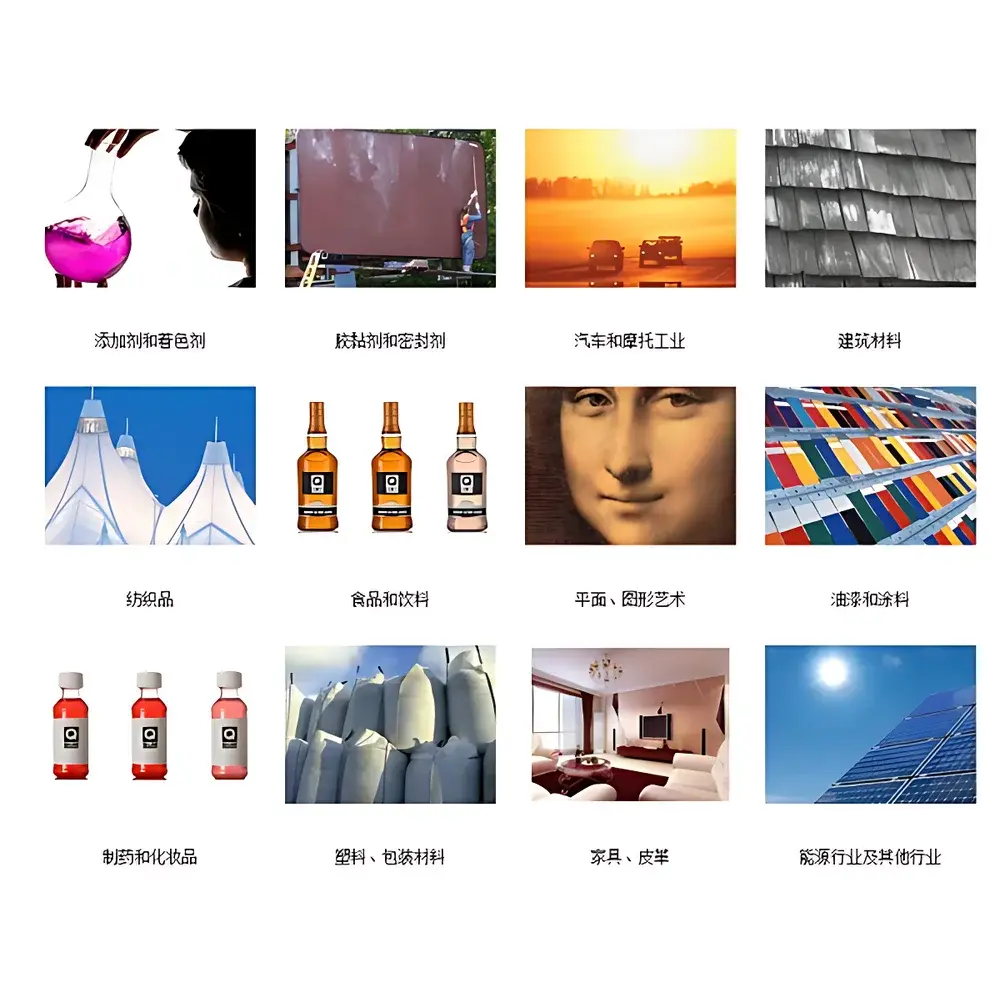
The Xe-3-H serves as the primary exposure platform for material qualification in regulated and industrial sectors. In automotive, it validates exterior trim, sealants, and interior upholstery per SAE J2527 and GMW14124. For architectural coatings, it supports ASTM D4587 (UV condensation) and ISO 11341 (xenon arc) weathering protocols. Cosmetics and packaging manufacturers rely on its reproducible UV + humidity cycling to assess photostability of active ingredients and barrier film integrity. Textile labs use it for AATCC TM16 and ISO 105-B02 colorfastness evaluation. Food-contact plastics undergo accelerated aging per FDA guidance for extractables and leachables assessment. Its broad spectral coverage and humidity control make it indispensable for failure analysis of polymer blends, elastomers, adhesives, and printed electronics where synergistic photo-thermal-moisture degradation dominates lifetime prediction.
FAQ
What standards does the Q-SUN Xe-3-H support?
ASTM G155, ISO 4892-2, SAE J2527, AATCC TM16, ISO 11341, DIN 75220, BS EN ISO 105-B02, and ANSI Z79.1.
How is irradiance calibrated?
Via Q-Lab’s patented AUTO-CAL™ system, which uses an integrated reference sensor and motorized filter wheel to perform NIST-traceable calibration without external instrumentation.
Can the chamber operate unattended?
Yes—it is designed for continuous 24/7 operation with self-diagnostic alarms, automatic lamp shutdown on failure, and remote status monitoring.
What is the typical lamp life warranty?
1,500 hours of operation under standard irradiance setpoints, with full replacement coverage under Q-Lab’s limited warranty.
Is humidity control mandatory for all tests?
No—humidity can be disabled or held constant; however, most automotive, textile, and coating standards require programmed RH cycling to simulate real-world environmental stressors.



