
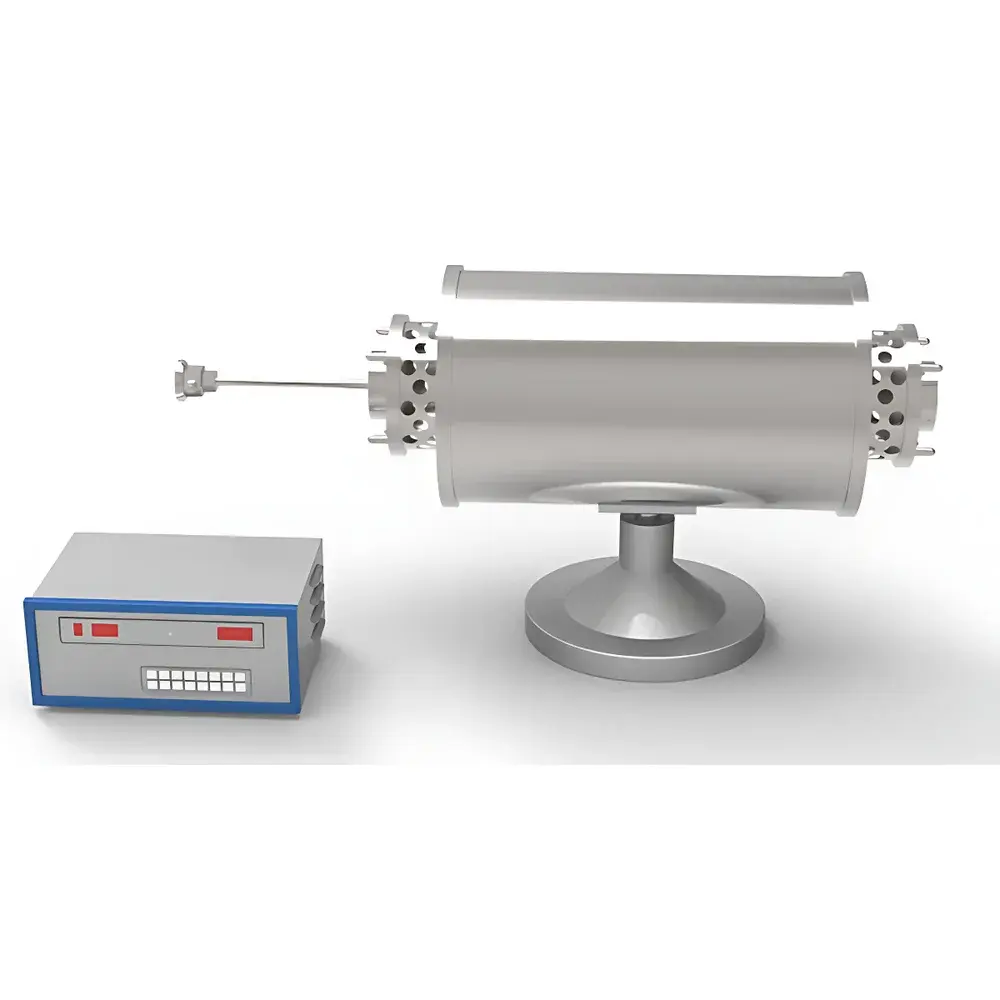
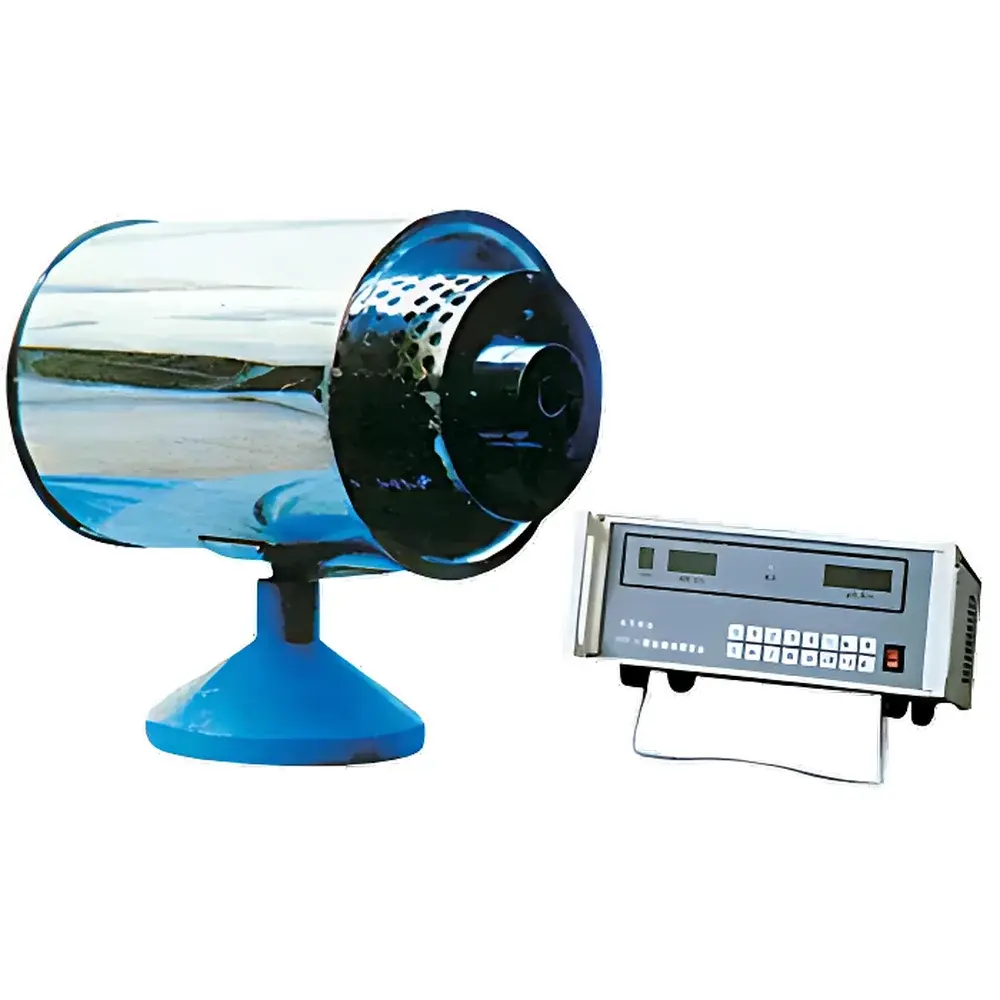
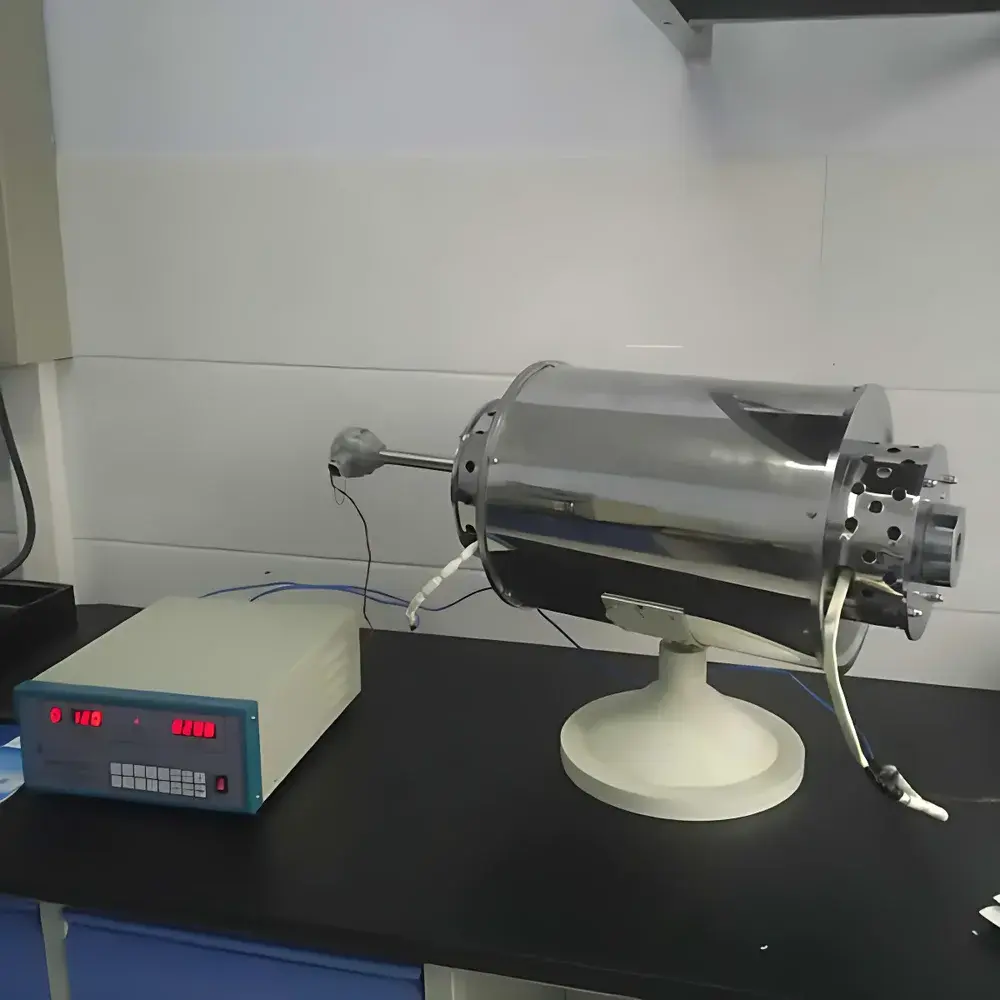
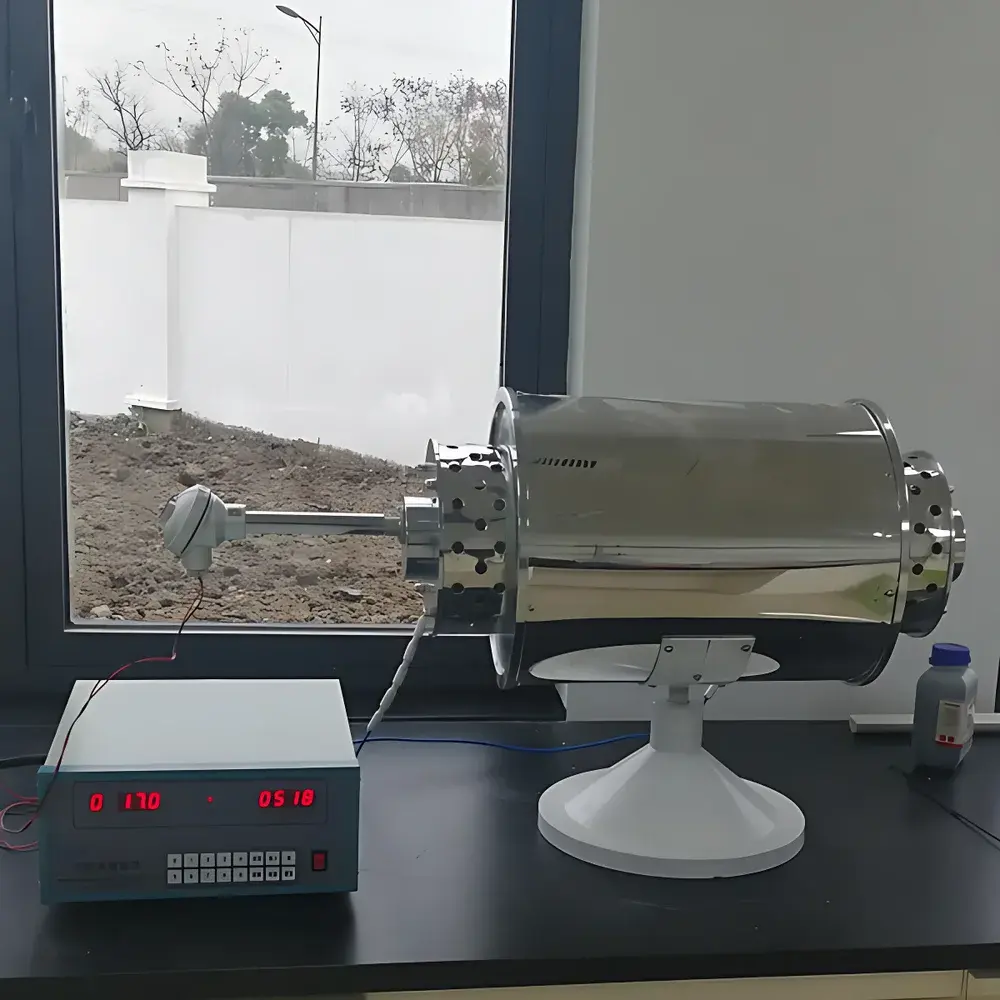
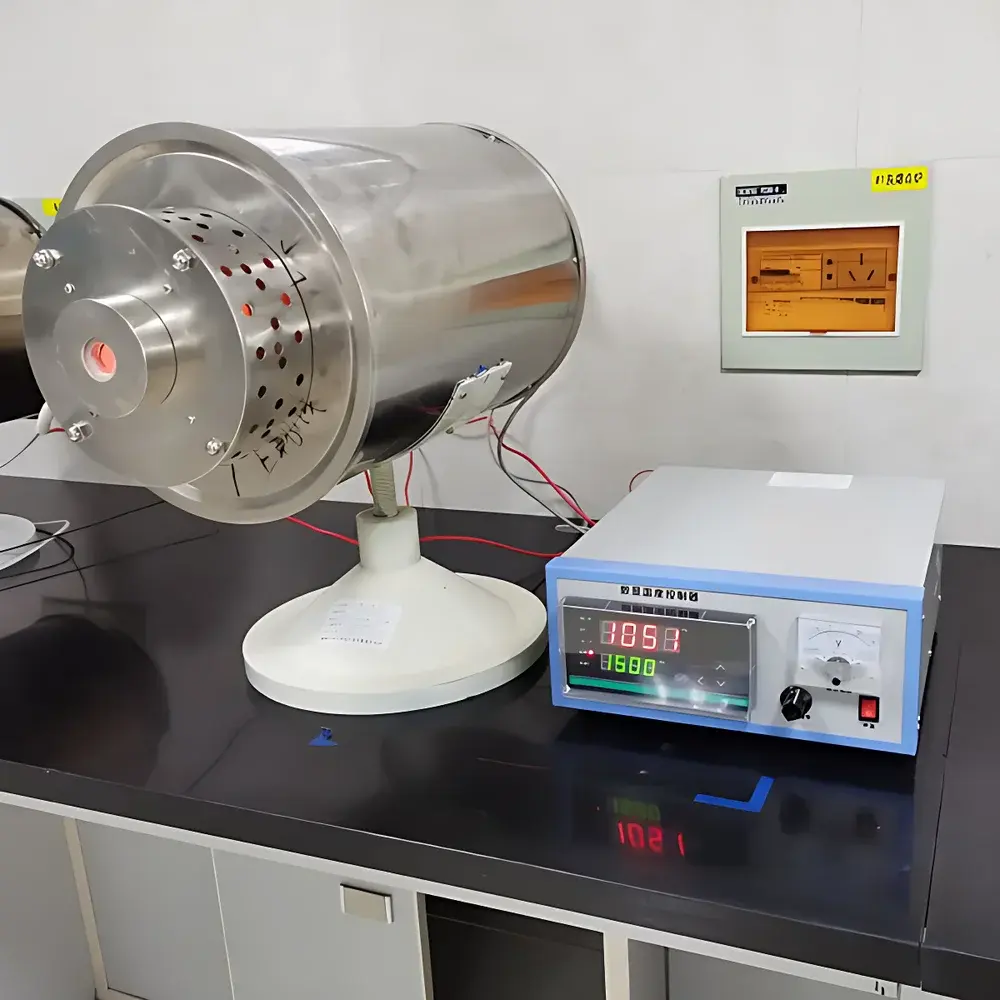
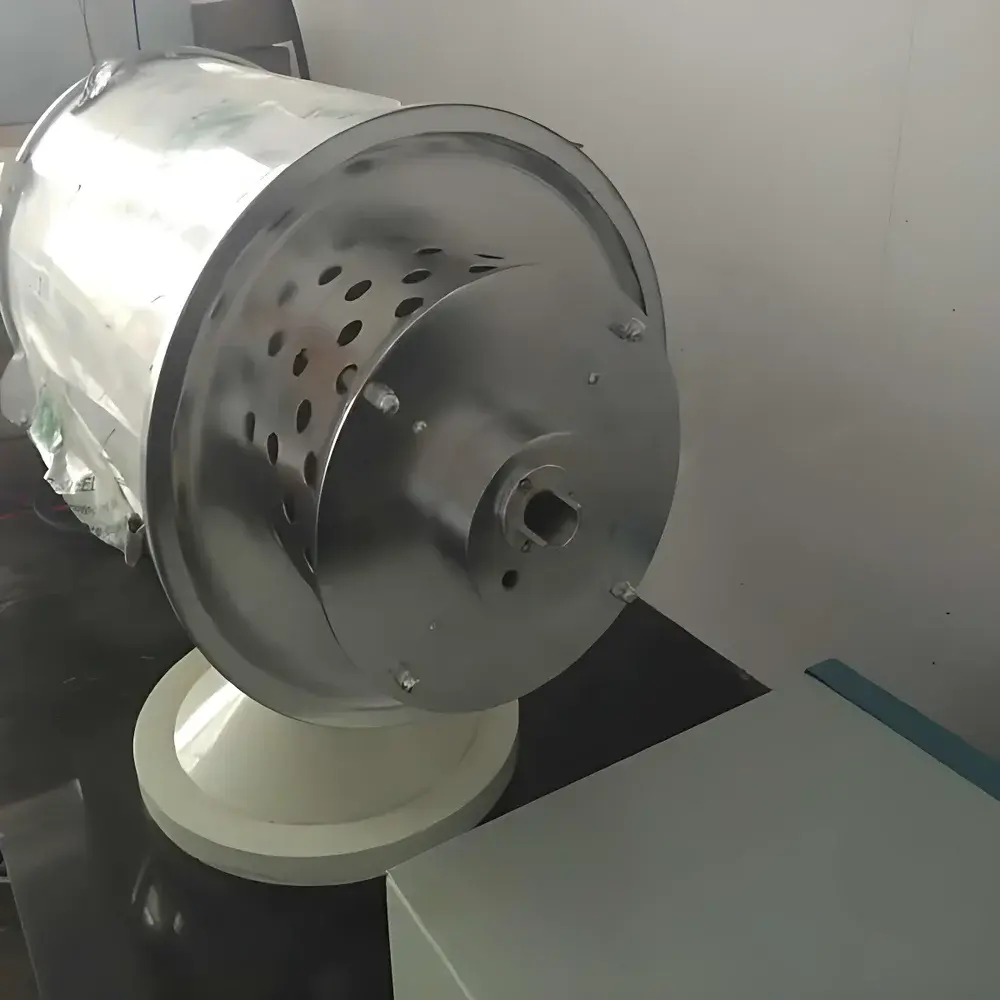
MingShen Science HR-4 Intelligent Ash Fusion Temperature Tester
| Brand | MingShen Science |
|---|---|
| Origin | Henan, China |
| Model | HR-4 |
| Temperature Range | Ambient–1600 °C (resolution: 1 °C, S-type thermocouple) |
| Heating Rate | 15–20 °C/min up to 900 °C |
| Temperature Accuracy | ±3 °C |
| Timing Range | 0–999 min (1 s resolution <10 min) |
| Timing Drift | <1 s/h |
| Max Output Current | ≤30 A |
| Power Supply | AC 220 V, 50 Hz |
| Operating Environment | 0–40 °C, RH ≤80% |
| Control Core | Microcontroller-based closed-loop phase-angle SCR control with auto-calibration of temperature and current |
| Compliance | Designed per GB/T 219–2008 (Chinese National Standard for Coal Ash Fusibility Determination) |
Overview
The MingShen Science HR-4 Intelligent Ash Fusion Temperature Tester is a microcontroller-driven thermal analysis instrument engineered for precise determination of coal ash fusibility characteristics—specifically the deformation temperature (DT), softening temperature (ST), hemispherical temperature (HT), and flow temperature (FT)—in accordance with GB/T 219–2008. It employs a silicon carbide (SiC) heating element housed within a high-purity alumina tube furnace, delivering stable, repeatable high-temperature profiles up to 1600 °C. The system operates on the principle of controlled atmosphere thermal microscopy: ash cones are heated under defined oxidizing or weakly reducing atmospheres while optical observation tracks morphological changes in real time. This method directly correlates ash behavior with boiler slagging, fouling, and deposition tendencies in coal-fired power generation and industrial combustion systems.
Key Features
- Microcontroller-based closed-loop temperature control architecture with automatic phase-angle triggering of silicon-controlled rectifiers (SCRs), ensuring stable current regulation and thermal reproducibility across repeated cycles.
- Dual-stage programmable heating profile: 15–20 °C/min ramp to 900 °C followed by a precisely regulated 5 °C/min ramp above 900 °C—fully compliant with GB/T 219–2008 requirements.
- Integrated fault diagnostics with alphanumeric error codes (e.g., Er-1 to Er-5) indicating thermocouple polarity reversal, open-circuit conditions, SCR conduction anomalies, and heating rate deviations—enabling rapid troubleshooting without external instrumentation.
- Four user-configurable program slots (Programs 1–4) supporting both standardized ash fusion protocols and custom thermal ramps—including hold-time sequences for isothermal studies or alternative material characterization.
- High-resolution thermal sensing using an S-type thermocouple (IEC 60584-1) with 1 °C digital resolution and ±3 °C absolute accuracy traceable to national calibration standards.
- Rugged mechanical design featuring optimized airflow pathways, electromagnetic shielding, and thermally isolated SiC–alumina interface spacing to prevent carbon deposition-induced short circuits during reducing-atmosphere operation.
Sample Compatibility & Compliance
The HR-4 accommodates standard ash cones (typically 7.5 mm height × 6.0 mm base) prepared from laboratory-prepared coal ash, placed on high-purity alumina boats and supported by ceramic cone holders. Atmosphere control is achieved via passive gas chemistry modulation: weakly reducing conditions are established using graded graphite, anthracite, or coke (5–20 g depending on tube porosity), while oxidizing environments require unobstructed air circulation. The instrument supports full compliance with GB/T 219–2008 and provides technical alignment with ISO 540:2022 (Solid mineral fuels — Determination of fusibility of ash) and ASTM D1857–20 (Standard Test Method for Fusibility of Coal and Coke Ash). Its operational envelope satisfies routine QA/QC requirements in coal preparation plants, power station laboratories, and third-party testing facilities subject to CNAS (China National Accreditation Service) or ILAC-MRA audit frameworks.
Software & Data Management
The HR-4 operates via embedded firmware with no external PC dependency. All thermal programs, timing logs, and error events are stored in non-volatile memory with timestamped records accessible via front-panel display. While it does not feature USB or Ethernet connectivity, its deterministic control logic ensures full traceability for GLP-compliant environments: each test cycle retains immutable metadata including program ID, start/stop timestamps, peak temperature, observed fusion stage temperatures, and diagnostic flags. For laboratories requiring electronic record retention, manual transcription into LIMS or validated spreadsheet templates meets basic 21 CFR Part 11 “electronic signature” prerequisites when paired with documented SOPs and access controls.
Applications
- Coal quality assessment for utility-scale pulverized coal boilers and fluidized bed combustors.
- Blending optimization studies to mitigate slagging risks in co-fired biomass–coal systems.
- Research into ash–additive interactions (e.g., limestone, kaolin, or MgO dosing) for fusion point suppression.
- Technical support for coal specification development in international trade contracts (e.g., API, GOST, or JIS-aligned benchmarks).
- Teaching laboratories conducting fundamental thermomechanical characterization of inorganic residues.
FAQ
What atmosphere types can the HR-4 generate, and how are they verified?
It supports oxidizing (ambient air flow) and weakly reducing atmospheres (via controlled carbon addition inside the alumina tube). Atmosphere verification follows GB/T 219–2008 Annex B: iron-wire reduction tests confirm CO partial pressure ranges required for weakly reducing conditions.
Is the HR-4 compatible with international calibration standards?
Yes—the S-type thermocouple conforms to IEC 60584-1; temperature accuracy (±3 °C) is validated against reference fixed-point cells (e.g., gold, copper) per JJG 75–1995 (Chinese metrological verification regulation), enabling cross-referencing with NIST SRM or PTB-traceable sources.
Can the instrument be integrated into a centralized lab data network?
No native networking interface exists; however, test outcome logs may be manually entered into LIMS or exported via RS-232 (optional accessory module, sold separately) for semi-automated reporting in regulated environments.
What maintenance intervals are recommended for long-term stability?
Silicon carbide tube inspection every 200 cycles; alumina tube cleaning after each batch using dry air purge; thermocouple replacement every 12 months or after exposure to >1500 °C for >10 h cumulative duration.





