
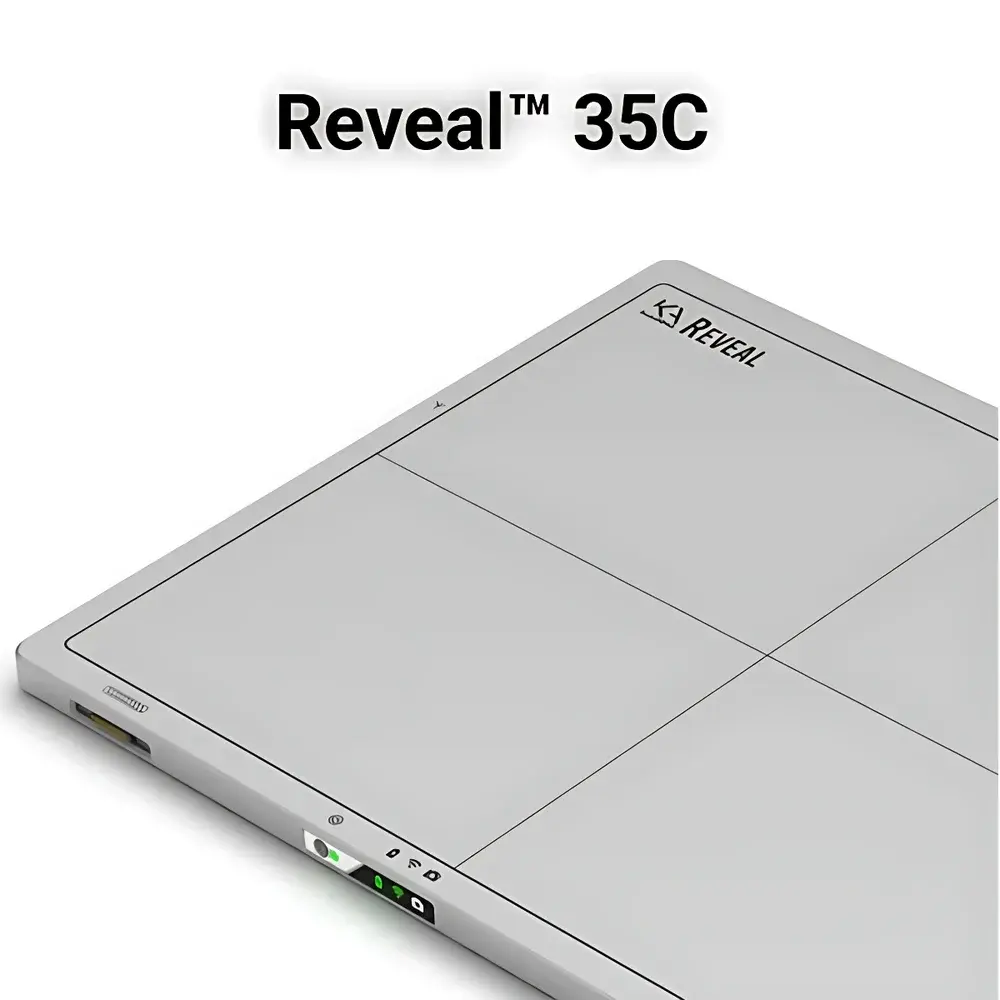
KA Imaging Reveal 35C Portable Dual-Energy Flat-Panel X-ray Detector
| Brand | KA Imaging |
|---|---|
| Origin | Canada |
| Model | Reveal 35C |
| Compliance | ASTM F792222-17 |
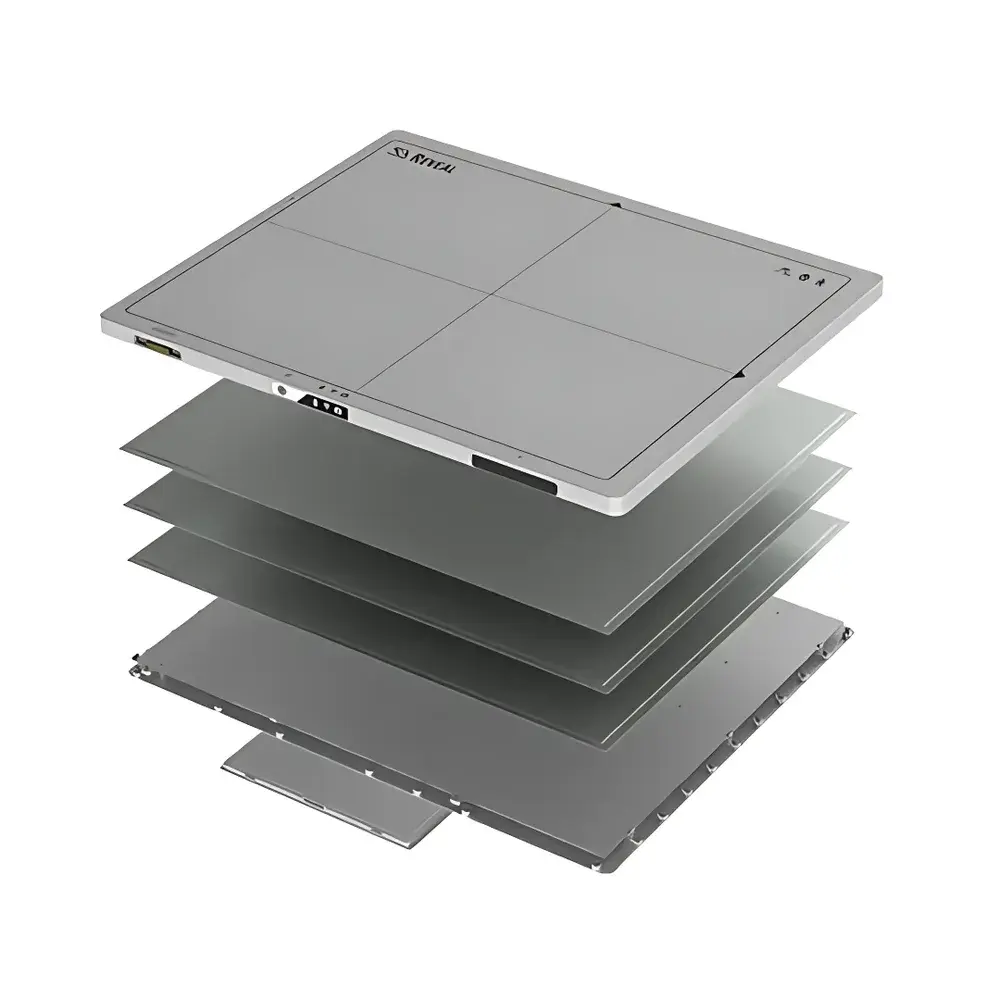
| Detector Architecture | Triple-layer stacked scintillator design |
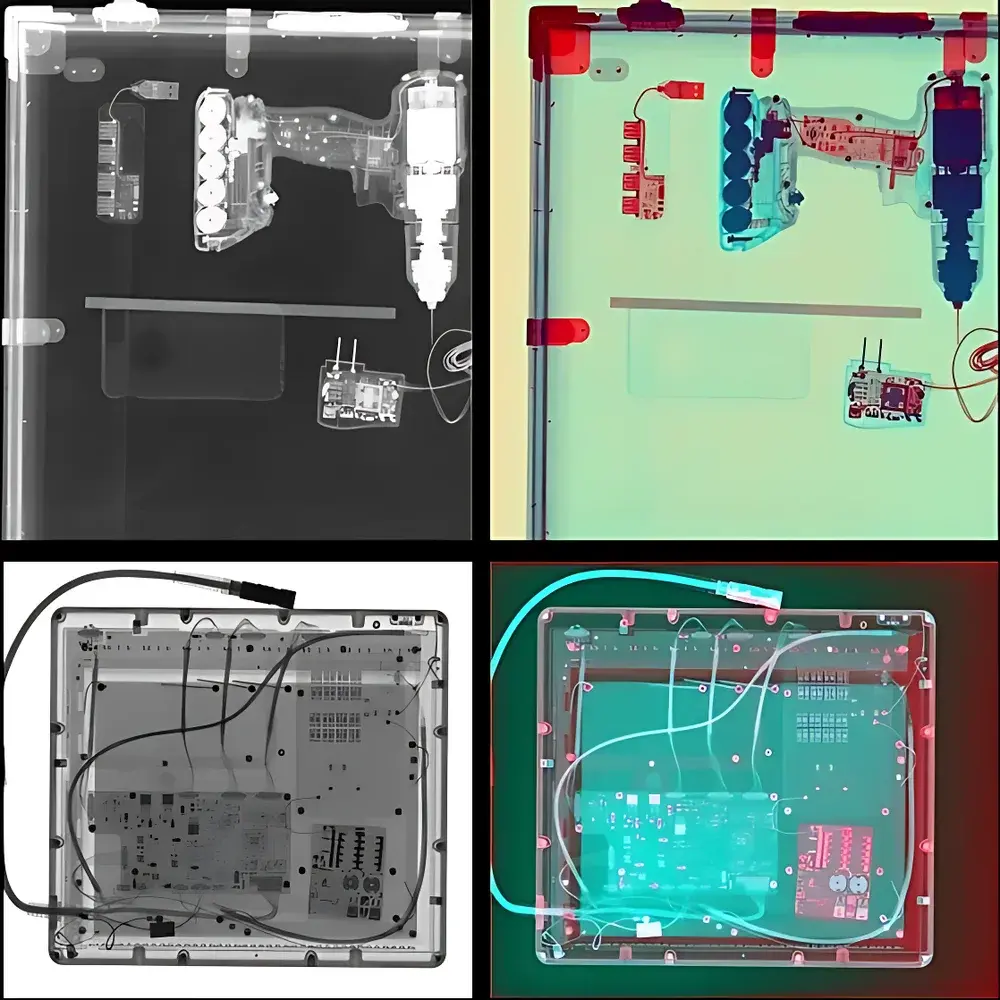
| Imaging Modes | Single-exposure spectral DR (conventional DR, low-density image, high-density image) |
| Connectivity | Wireless (Wi-Fi 5/6), USB-C interface |
| Form Factor | Portable, battery-operated (optional), ruggedized enclosure for field NDT use |
| Software | SpectralDR® acquisition and material-separation suite with color-coded density mapping |
Overview
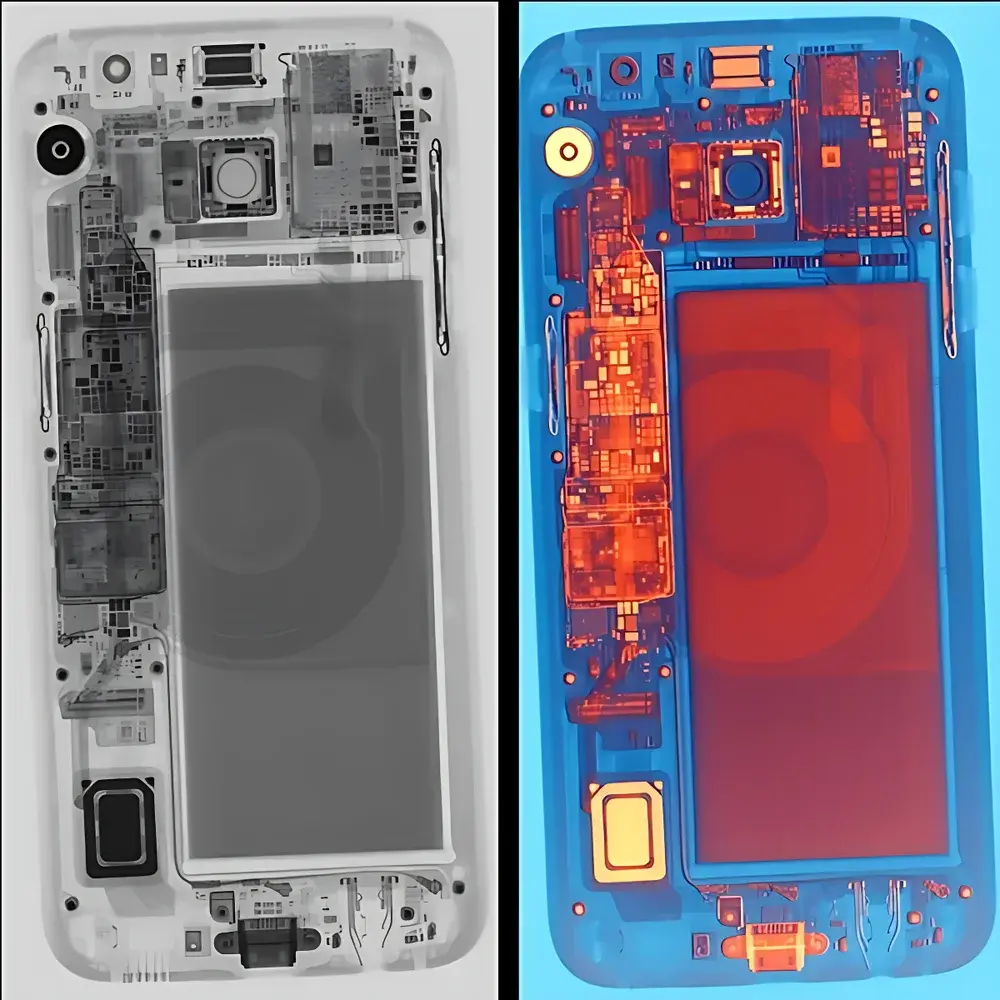
The KA Imaging Reveal 35C is a portable, dual-energy flat-panel X-ray detector engineered for non-destructive testing (NDT) in demanding field environments. Unlike conventional dual-energy systems requiring sequential high- and low-kV exposures — which introduce motion artifacts and operational latency — the Reveal 35C leverages a proprietary triple-layer stacked scintillator architecture to capture spectrally resolved data in a single X-ray exposure. This spectral acquisition principle enables simultaneous separation of attenuation signals across distinct energy bands, facilitating intrinsic material discrimination without mechanical or temporal synchronization constraints. The system operates with standard industrial or security X-ray sources (e.g., Golden Engineering pulsed or continuous generators), eliminating dependency on specialized hardware while maintaining compatibility with existing radiographic infrastructure. Designed for deployment in aerospace inspections, cargo screening, infrastructure integrity assessment, and emergency response scenarios, the Reveal 35C delivers lab-grade spectral fidelity in a field-deployable form factor.
Key Features
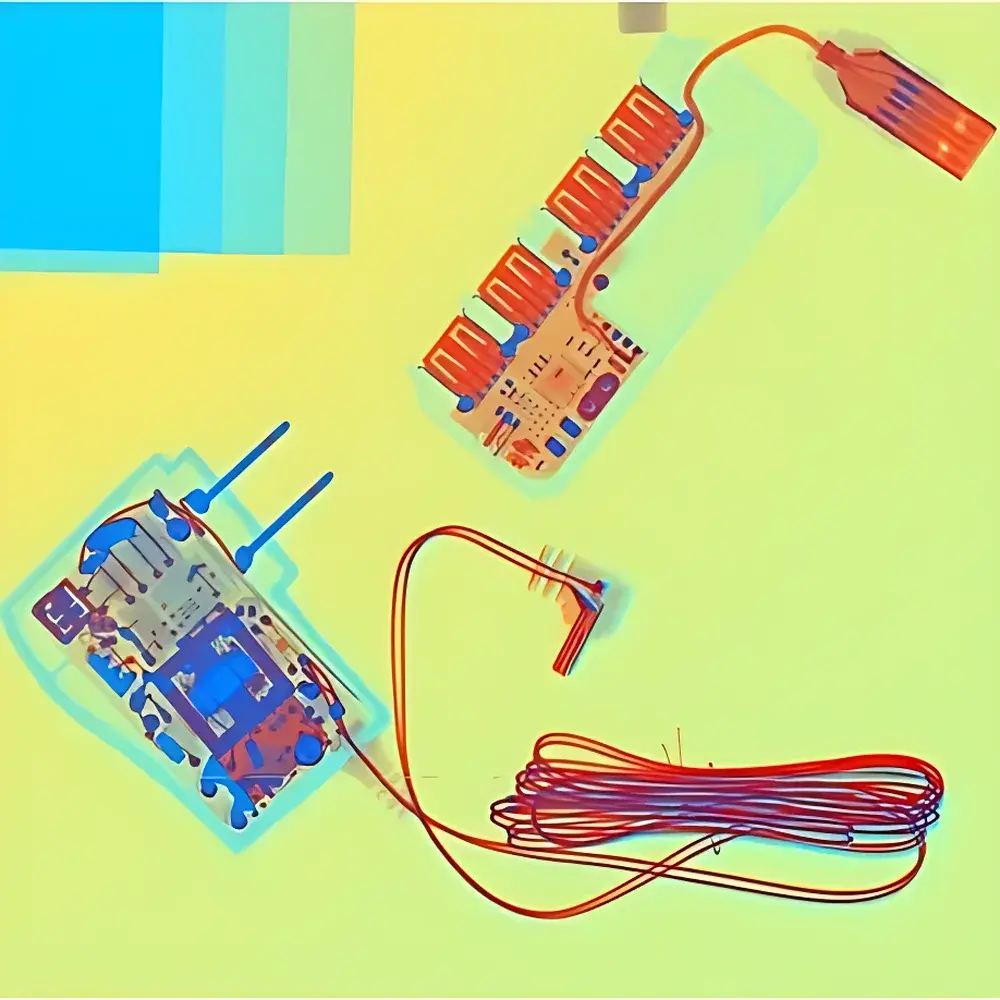
- Single-exposure spectral imaging: Generates three co-registered images — conventional DR, low-density-enhanced, and high-density-enhanced — from one X-ray pulse.
- Triple-layer scintillator stack: Each layer optimized for differential energy absorption, enabling intrinsic spectral decomposition without beam filtration or source switching.
- Portable, wireless operation: Integrated Wi-Fi 5/6 and USB-C connectivity support real-time image streaming to laptop or tablet; optional hot-swappable batteries extend operational uptime in off-grid locations.
- Ruggedized mechanical design: IP54-rated enclosure with shock-absorbing housing, conforming to MIL-STD-810G for vibration, drop, and thermal cycling resilience.
- Software-configurable energy weighting: Users define material-specific spectral response curves via the SpectralDR® interface to optimize contrast for composites, metals, polymers, or organic threats.
- Color-mapped material visualization: Automatic assignment of hue-based encoding to density classes (e.g., blue for organics, red for metals), accelerating visual interpretation during rapid screening.
Sample Compatibility & Compliance
The Reveal 35C supports a broad range of sample geometries and densities typical in industrial NDT and security applications — including composite aircraft panels, welded pipe joints, luggage, vehicle undercarriages, and cultural heritage artifacts. Its spectral resolution enables reliable differentiation between aluminum, steel, copper, plastics, ceramics, and organic materials at thicknesses up to 50 mm steel-equivalent. The detector meets ASTM F792222-17 — the U.S. Transportation Security Administration’s performance standard for X-ray screening systems used in aviation security. This standard mandates minimum spatial resolution (≥2 lp/mm), contrast sensitivity (≤1.5% step wedge detection), radiation safety limits (≤1 µSv per scan), and false-alarm rate thresholds (<5% for benign clutter). Compliance is verified through third-party Type Testing per Annex B of the standard and documented in KA Imaging’s regulatory dossier, supporting integration into TSA-certified checkpoint systems and GLP-aligned inspection workflows.
Software & Data Management
The SpectralDR® software suite provides full control over acquisition parameters, spectral calibration, and post-processing algorithms. It supports DICOM 3.0 export with embedded metadata (kVp, mAs, spectral weights, detector temperature), ensuring traceability in regulated environments. Audit trails log all user actions, parameter changes, and image exports in accordance with FDA 21 CFR Part 11 requirements for electronic records and signatures. Raw spectral frames are stored in lossless 16-bit TIFF format; processed images may be exported as PNG, JPEG2000, or PDF with embedded calibration certificates. The software includes batch processing tools for automated material classification using user-defined thresholds, and integrates with enterprise PACS or CMMS platforms via HL7 and RESTful API endpoints.
Applications
- Aerospace NDT: Detection of disbonds, porosity, and foreign object debris in carbon-fiber-reinforced polymer (CFRP) structures without disassembly.
- Cargo and baggage screening: Discrimination of explosives, narcotics, and contraband concealed within metallic shielding or dense packaging.
- Infrastructure inspection: In-situ assessment of corrosion under insulation (CUI), weld integrity in offshore pipelines, and rebar mapping in concrete.
- Emergency response: Rapid triage of hazardous material containers or improvised devices in CBRNE scenarios.
- Museum conservation: Non-invasive analysis of layered paint stratigraphy, metal alloy composition, and structural degradation in artifacts.
FAQ
Does the Reveal 35C require a custom X-ray source?
No — it is fully compatible with commercially available pulsed or continuous X-ray generators operating in the 40–160 kVp range, including Golden Engineering, Yxlon, and Comet models.
How is spectral calibration maintained in field conditions?
The detector performs automatic gain and offset correction before each acquisition; factory spectral calibration is preserved via temperature-compensated firmware and validated quarterly using NIST-traceable step wedges.
Can raw spectral data be exported for third-party analysis?
Yes — unprocessed 16-bit spectral frame stacks (low/mid/high energy layers) are accessible via SDK and supported by Python and MATLAB toolboxes for custom algorithm development.
Is the system suitable for GMP-regulated pharmaceutical container inspection?
While primarily designed for NDT and security, its ASTM F792222-17 compliance and audit-trail capabilities support validation under ISO 13485 and USP for certain packaging integrity assessments, subject to site-specific IQ/OQ protocols.
What is the typical image acquisition time per frame?
From trigger to display: ≤1.2 seconds at 120 kVp / 2.5 mAs, including wireless transmission, spectral decomposition, and color mapping — independent of source dwell time.
Related Products




