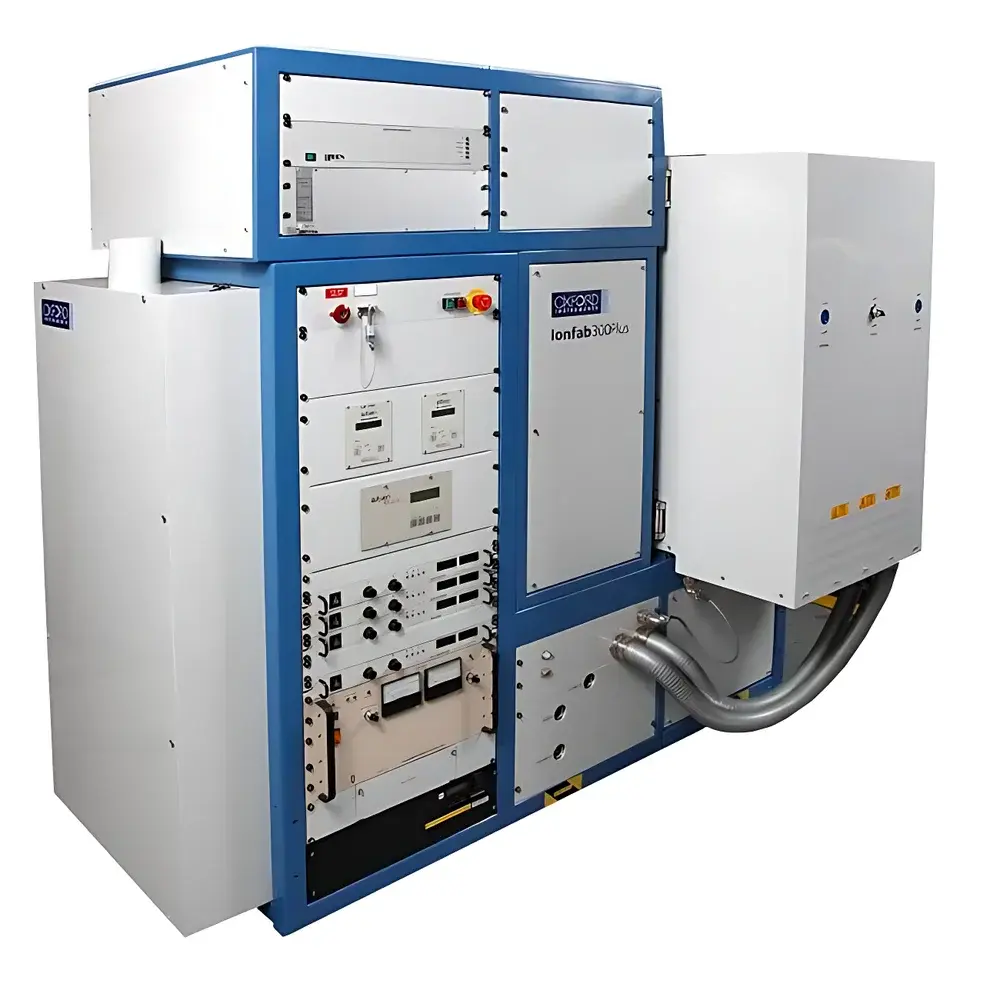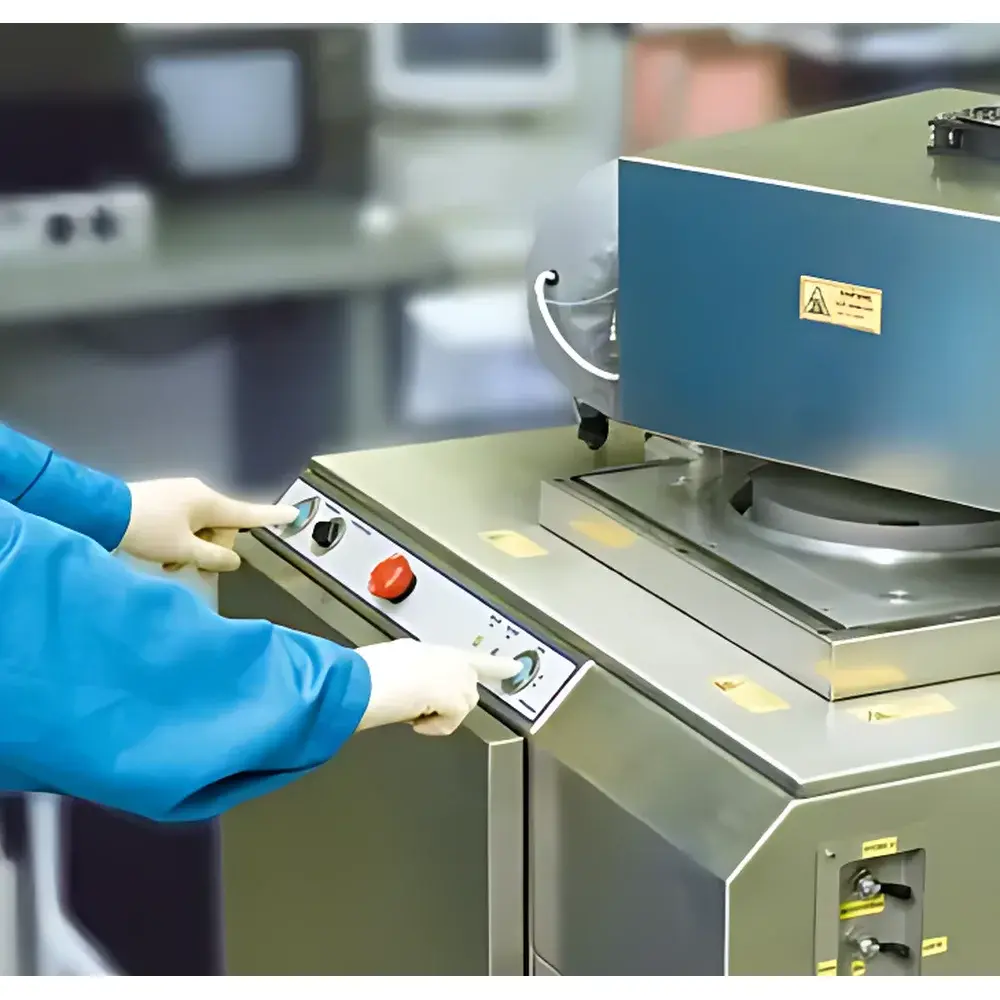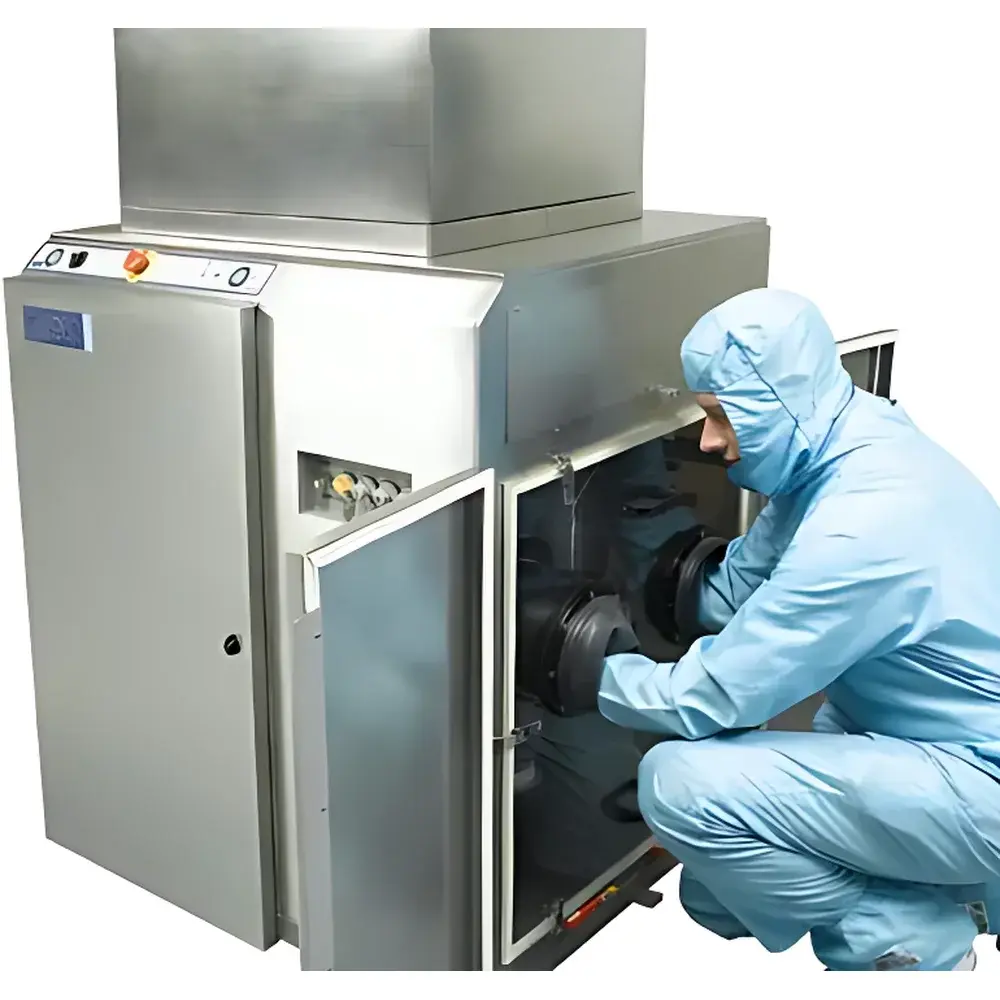
SVT Associates SVTA-LES-300 Linear Evaporation Source
| Brand | SVT Associates |
|---|---|
| Origin | USA |
| Model | SVTA-LES-300 |
| Deposition Width | 300 mm |
| Source Capacity | 500 cc |
| Flange | 6″ (DN100) CF |
| Maximum Effusion Orifice Temperature | 1,600 °C |
| Maximum Bulk Heater Temperature | 1,500 °C |
| Source Temperature Stability | ±0.1 °C |
| Beam Flux Stability | <1% |
| Operating Pressure Range | ≤5×10⁻⁵ Torr |
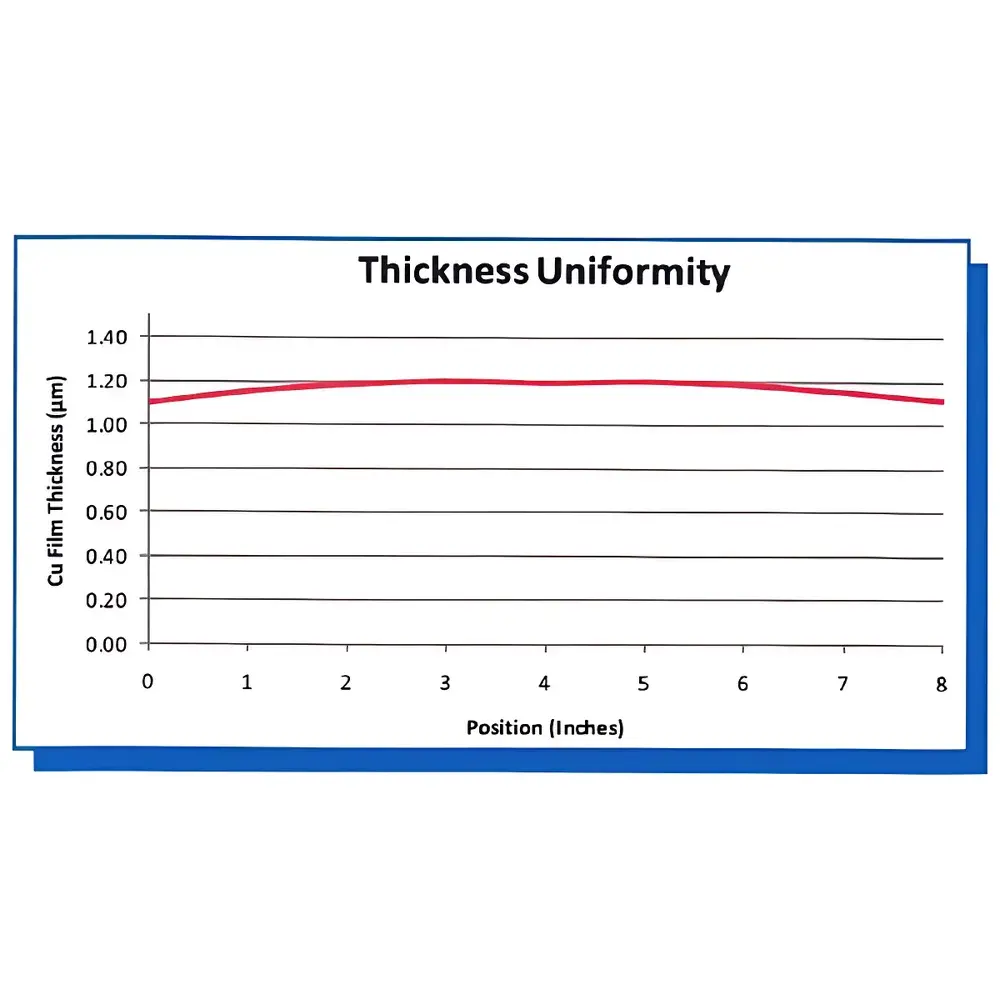
| Thickness Uniformity | ±4% (at 300 mm source-to-substrate distance) |
| Thermocouple Type | Type C (Type K optional) |
| Cooling Time (from 100 °C) | <120 min |
| Bakeout Temperature | 200 °C |
| Cooling Water Connections | 2 × 1/4″ VCR (inlet & outlet) |
| Max Water Pressure | 80 psi |
| Flow Rate | 500 mL/min |
Overview
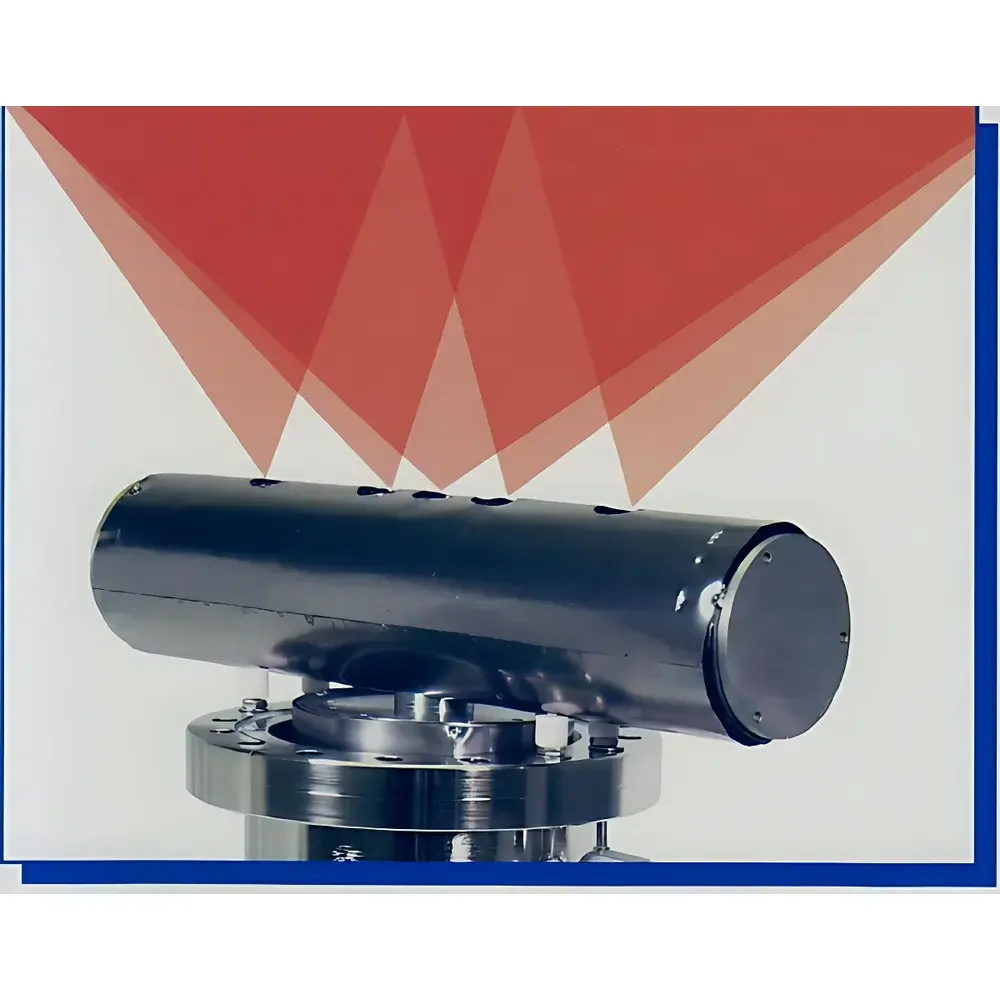
The SVT Associates SVTA-LES-300 Linear Evaporation Source is an engineered thermal evaporation system designed for high-throughput, large-area thin-film deposition in semiconductor and optoelectronic manufacturing environments. Unlike conventional point or crucible-based thermal sources, the SVTA-LES-300 employs a linear resistive heating architecture with distributed effusion orifices aligned parallel to the substrate travel direction. This geometry enables uniform material flux across extended widths—specifically optimized for in-line and roll-to-roll (R2R) vacuum deposition processes used in solar cell fabrication, OLED display production, and transparent conductive oxide (TCO) coating. The source operates on the principle of controlled thermal evaporation: solid precursor materials (e.g., Al, Ag, MgF₂, LiF, or organic small molecules) are heated within a refractory metal chamber to vapor pressures sufficient for line-of-sight condensation onto moving substrates under high vacuum conditions (≤5×10⁻⁵ Torr). Its design integrates high-temperature capability (up to 1,600 °C at the orifice zone), precise thermal zoning, and mechanical beam shaping to ensure reproducible stoichiometry, minimal particulate generation, and long-term operational stability.
Key Features
- Linear effusion geometry with uniformly spaced orifices ensures consistent flux distribution over 300 mm substrate width—critical for uniform film thickness in continuous web processing.
- Independent multi-zone heating control allows differential temperature tuning across the source length, accommodating thermal gradients and enabling fine-tuned evaporation profiles.
- Modular, replaceable effusion plates permit rapid configuration changes for different beam shapes (e.g., rectangular, trapezoidal, or tapered profiles) without disassembling the entire source.
- High-capacity reservoir (500 cc) supports extended run times (>24 h typical for low-volatility metals), reducing process interruption frequency and improving tool uptime.
- Thermal stability of ±0.1 °C maintained via closed-loop PID control with Type C thermocouples—essential for repeatable deposition rates and compositional fidelity in multi-layer stacks.
- Beam flux stability <1% (RMS) over 8-hour operation, verified under constant power input and fixed vacuum conditions—meeting requirements for GLP-compliant thin-film qualification protocols.
- Water-cooled stainless-steel housing with dual 1/4″ VCR coolant ports; rated for 80 psi max pressure and 500 mL/min flow ensures reliable thermal management during sustained high-power operation.
Sample Compatibility & Compliance
The SVTA-LES-300 accommodates a broad range of evaporation-grade materials—including elemental metals (Al, Ag, Cr, Ni), alloys (Mg:Ag, Al:Li), dielectrics (SiO₂, Al₂O₃, MgF₂), and organic semiconductors (NPD, Alq₃, TPD)—provided they exhibit suitable vapor pressure above 1,200 °C under ultra-high vacuum. It complies with standard UHV-compatible mechanical interfaces (6″ DN100 CF flange) and meets ASME B31.3 process piping guidelines for cooling circuit integrity. While not certified to a specific ISO or ASTM standard as a standalone component, the source is routinely integrated into systems qualified per SEMI S2/S8 safety standards and supports FDA 21 CFR Part 11–compliant data logging when paired with SVT’s optional control software. Its bakeout capability (200 °C) ensures compatibility with UHV chamber conditioning protocols required for photovoltaic and display-grade cleanliness specifications.
Software & Data Management
The SVTA-LES-300 is operated via SVT’s proprietary LES Control Suite—a Windows-based application supporting real-time monitoring of heater zone temperatures, thermocouple voltages, water flow/pressure status, and interlock states. All setpoints and actual values are timestamped and stored in SQLite databases compliant with 21 CFR Part 11 audit trail requirements (electronic signatures, user access levels, change history). Optional integration with third-party PLCs (via Modbus TCP or EtherCAT) enables synchronized motion control in R2R platforms. Data export formats include CSV and HDF5 for post-process thickness modeling and statistical process control (SPC) analysis using JMP or Python-based metrology pipelines.
Applications
- In-line PVD of reflective electrode layers (e.g., Ag or Al) in CIGS and perovskite solar modules.
- Roll-to-roll deposition of hole injection/transport layers (e.g., MoO₃, CuPc) in flexible OLED lighting panels.
- Multi-source co-evaporation of organic heterojunctions (e.g., donor–acceptor blends) requiring independent flux control per material stream.
- High-rate metallization of barrier films (e.g., Ti, Cr) on polymer substrates for flexible electronics encapsulation.
- Research-scale development of graded-index optical coatings where lateral flux modulation is essential.
FAQ
What vacuum level is required for stable operation?
The SVTA-LES-300 requires a base pressure ≤5×10⁻⁵ Torr to minimize gas-phase scattering and ensure laminar molecular flow conditions.
Can the effusion orifice plate be customized for non-standard beam profiles?
Yes—SVT offers custom-machined orifice plates (tungsten or molybdenum) with user-defined spacing, diameter, and taper angles; lead time is typically 4–6 weeks.
Is remote diagnostics supported?
Standard Ethernet connectivity enables remote firmware updates, log retrieval, and limited parameter adjustment via secure SSH or HTTPS endpoints.
How is source-to-substrate distance calibrated?
A laser alignment fixture (optional accessory) provides visual reference for orthogonal positioning; final calibration is performed using quartz crystal microbalance (QCM) mapping across the full 300 mm width.
Does the system support automated recipe loading?
Yes—up to 99 process recipes can be stored locally and recalled via front-panel keypad or external trigger signal, each defining zone setpoints, ramp rates, dwell times, and interlock thresholds.