
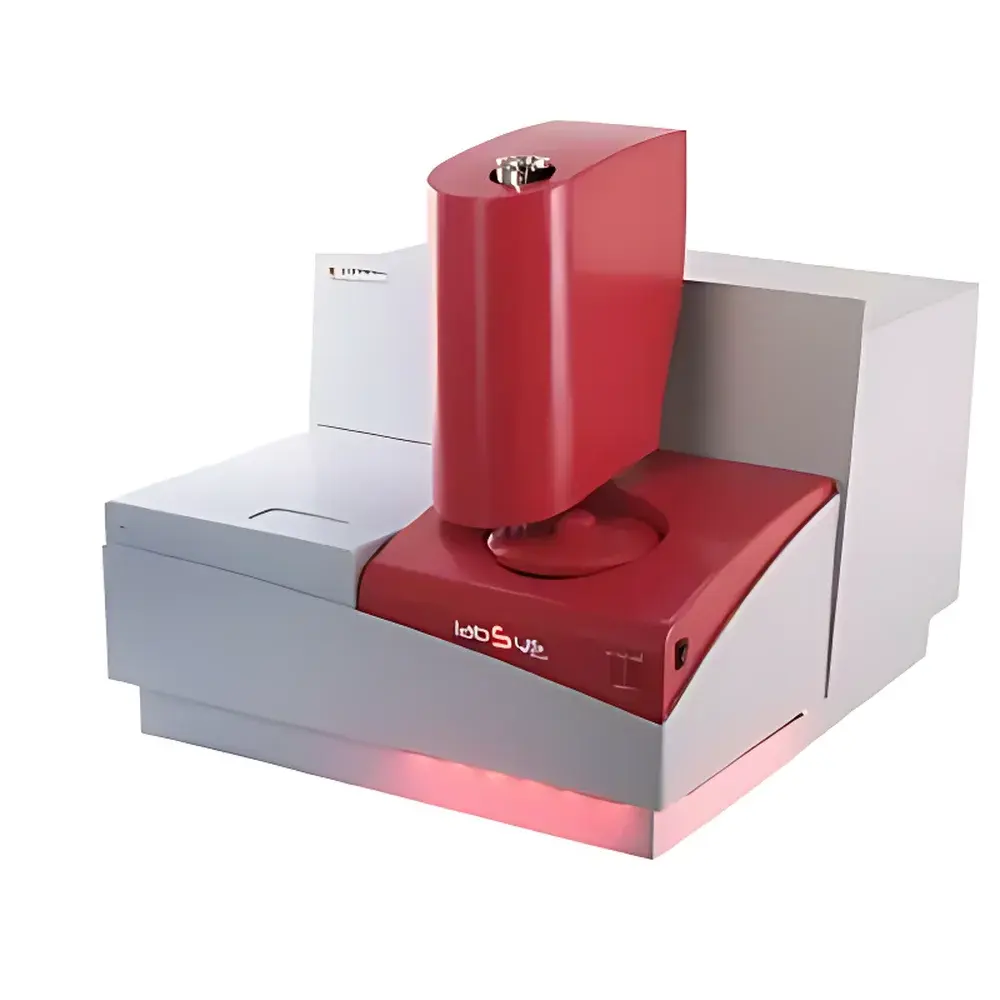
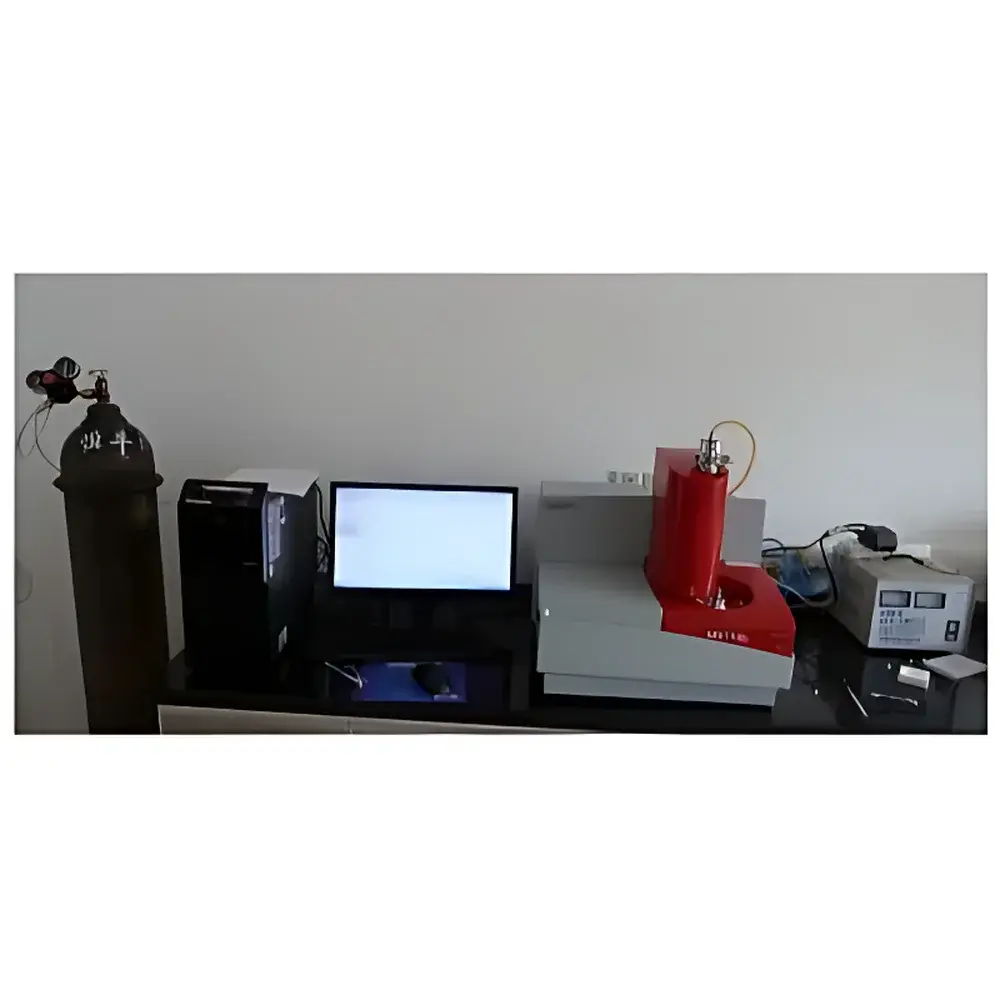
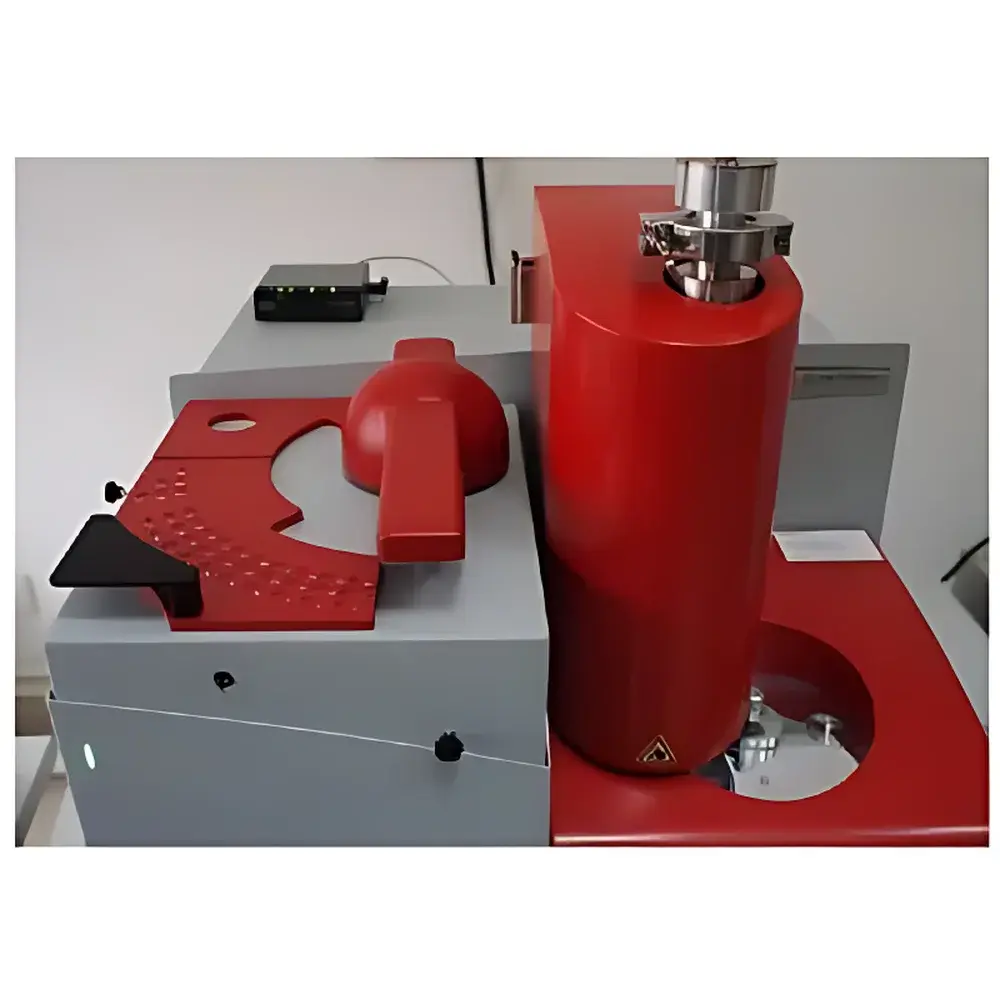
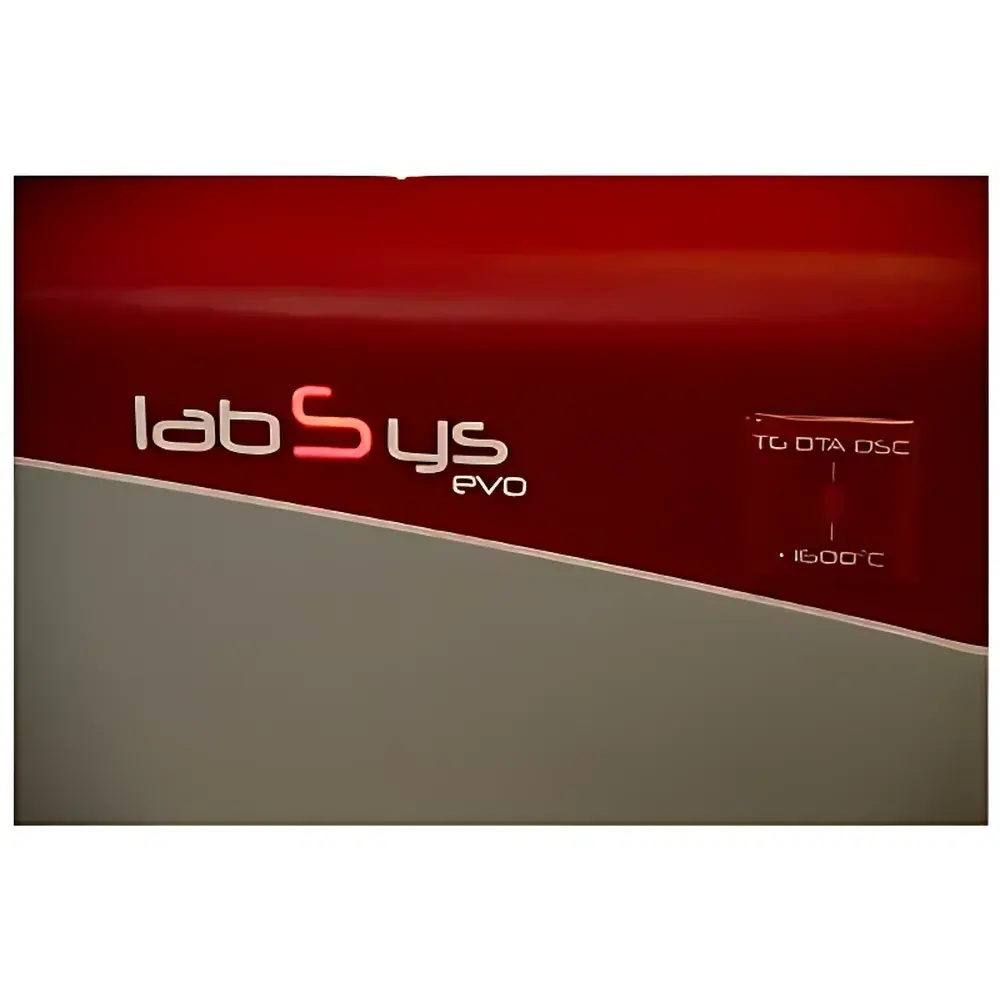
Setaram Labsys Evo-TGA High-Temperature Thermogravimetric Analyzer
| Brand | Setaram |
|---|---|
| Origin | France |
| Model | Labsys Evo-TGA |
| Temperature Range | RT–1600 °C |
| Temperature Accuracy | ±0.1 K |
| Balance Sensitivity | 0.02 µg |
| Heating/Cooling Rate | 0.01–100 K/min |
Overview
The Setaram Labsys Evo-TGA is a high-precision, vertically configured thermogravimetric analyzer engineered for rigorous thermal stability, decomposition kinetics, and compositional analysis of advanced materials under controlled atmospheric conditions. Operating on the fundamental principle of mass change measurement as a function of temperature or time in a defined gas environment, the instrument delivers quantitative data on weight loss/gain events—including dehydration, oxidation, reduction, pyrolysis, and volatilization—across an extended temperature range from ambient to 1600 °C. Its modular architecture supports seamless integration with differential thermal analysis (DTA) and differential scanning calorimetry (DSC) via interchangeable sensor rods, enabling true simultaneous TGA-DTA or TGA-DSC measurements within a single furnace. Designed and manufactured in France by Setaram—a pioneer in thermal analysis instrumentation since 1965—the Labsys Evo-TGA meets the metrological demands of ISO 11358, ASTM E1131, and USP , ensuring traceable, reproducible results suitable for regulatory submissions and peer-reviewed research.
Key Features
- Vertical sample loading configuration minimizes convection-induced buoyancy artifacts and ensures optimal thermal contact between sample and thermocouple.
- High-stability metal furnace with homogeneous isothermal zone (>30 mm length) and programmable heating/cooling rates from 0.01 to 100 K/min, enabling both slow-scan kinetic studies and rapid thermal screening.
- Optimized optical microbalance with 0.02 µg resolution and ±1000 mg dynamic range; no external water bath required—temperature-compensated design eliminates drift during prolonged high-temperature operation.
- Modular sensor rod system: user-swappable TGA-only, TGA-DSC, or TGA-DTA rods—no tools or recalibration needed—facilitating method flexibility without downtime.
- Integrated 4-channel gas control: three mass-flow-controlled carrier gases plus one auxiliary/reactive gas line, supporting inert (N₂, Ar), oxidizing (air, O₂), reducing (H₂, CO), static, dynamic, or vacuum atmospheres with precise mixing ratios.
- Standard EGA interface compliant with MS, FT-IR, and GC coupling for real-time evolved gas identification and quantification—fully synchronized with thermogravimetric data acquisition.
- Water-cooled cooling circuit ensures stable base temperature during rapid quench cycles and extends furnace lifetime under cyclic thermal stress.
Sample Compatibility & Compliance
The Labsys Evo-TGA accommodates solid, powder, fiber, and thin-film samples up to 20 mg nominal mass (max. 20 g total capacity). Crucible options include Pt, Al₂O₃, graphite, and ceramic variants, compatible with corrosive or reactive chemistries. The system complies with GLP and GMP documentation requirements through Calisto software’s audit-trail functionality (21 CFR Part 11-ready), including electronic signatures, version-controlled method storage, and raw-data immutability. All calibration procedures adhere to ISO/IEC 17025 guidelines, with optional NIST-traceable reference standards available for routine balance and temperature verification.
Software & Data Management
Controlled exclusively via Setaram’s Calisto v5.x platform, the Labsys Evo-TGA provides intuitive workflow management—from method setup and real-time monitoring to post-run deconvolution and kinetic modeling (e.g., Kissinger, Ozawa-Flynn-Wall, Friedman). Calisto supports automated baseline correction, derivative (DTG) calculation, multi-step event annotation, and customizable reporting templates exportable to PDF, CSV, or ASCII. Data files are stored in vendor-neutral HDF5 format with embedded metadata (instrument ID, operator, timestamp, gas composition, ramp rate), ensuring long-term archival integrity and third-party interoperability.
Applications
- Thermal decomposition profiling of polymers, composites, and battery cathode/anode materials.
- Quantitative determination of filler content (e.g., CaCO₃, SiO₂) in polymer blends per ASTM D6370.
- Moisture, solvent, and volatile organic compound (VOC) quantification in pharmaceuticals per ICH Q5C.
- Oxidation onset temperature (OOT) and activation energy estimation for catalysts and metallurgical powders.
- Char yield analysis in carbonaceous precursors for activated carbon or CMC production.
- Reaction stoichiometry validation in solid-state synthesis (e.g., metal oxide formation from nitrates or carbonates).
FAQ
What is the maximum sample mass supported for high-temperature TGA runs at 1600 °C?
The system supports up to 20 mg of representative sample mass for optimal signal-to-noise ratio and thermal homogeneity; the balance full scale is ±1000 mg with 20 g mechanical limit.
Does the Labsys Evo-TGA support automatic sample exchange?
Yes—an optional Automatic Sample Changer (ASC) enables unattended analysis of up to 25 samples with programmable crucible selection and purge sequence optimization.
Can the instrument perform heat capacity (Cp) measurements?
While the base TGA configuration does not include Cp capability, the optional 3D Calvet-type Cp sensor rod (available as upgrade) enables direct Cp determination with <2% uncertainty per ISO 11357-4.
Is remote operation and data access supported?
Calisto software includes secure client-server mode over LAN/WAN, allowing real-time monitoring, method deployment, and data retrieval from offsite locations while maintaining local audit trail integrity.
What maintenance intervals are recommended for the furnace and balance?
Annual preventive maintenance is advised, including furnace insulation inspection, thermocouple calibration, balance zero-point verification, and MFC flow validation—full service logs are auto-generated and exportable.



