
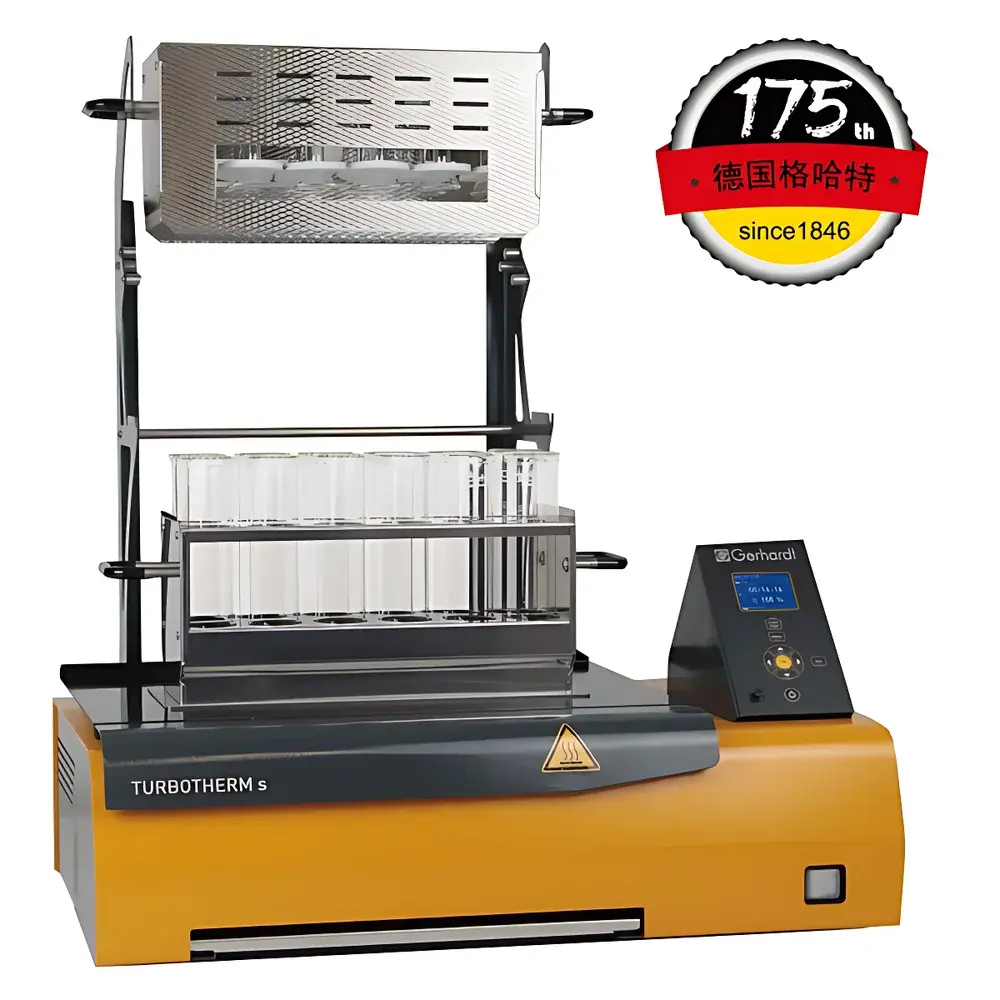
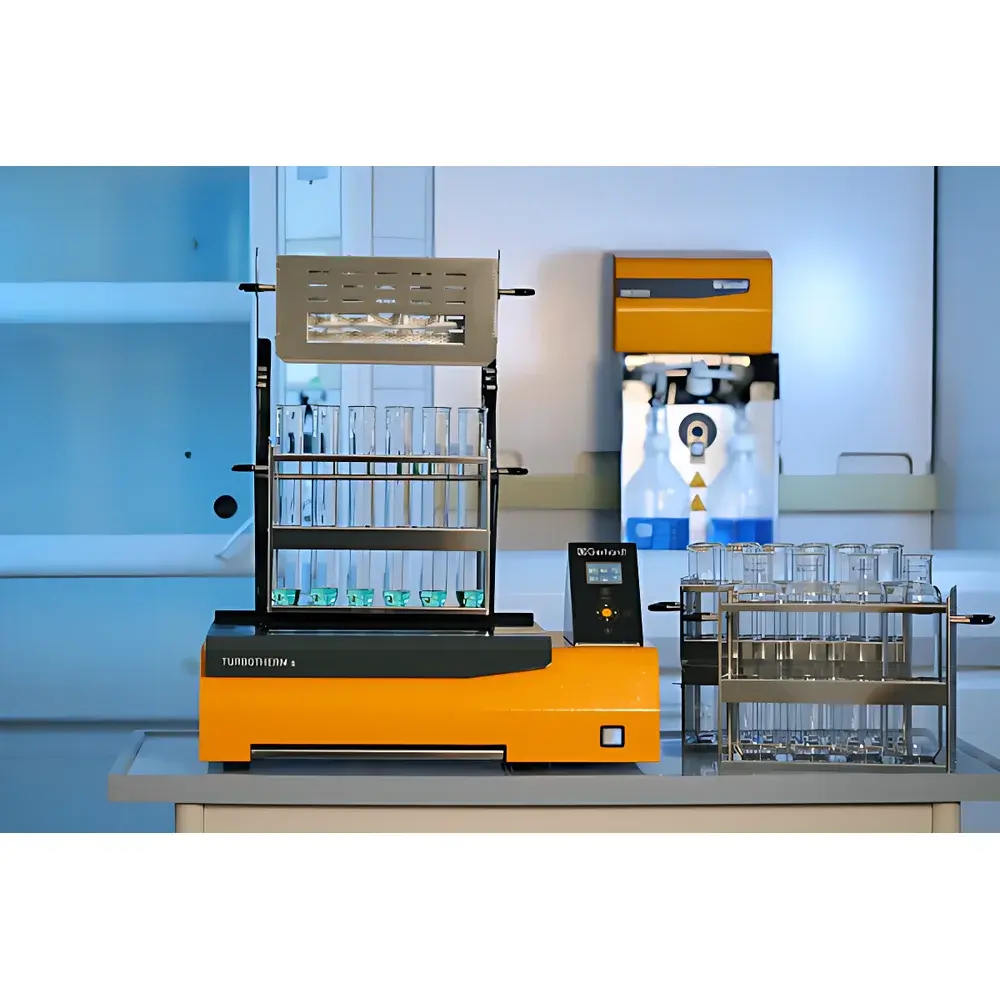
C. Gerhardt Turbotherm TTs625 Infrared Heating Digestion System
| Brand | C. Gerhardt |
|---|---|
| Origin | Germany |
| Manufacturer Type | Original Equipment Manufacturer (OEM) |
| Product Category | Imported |
| Model | TTs625 |
| Max Temperature | 650 °C |
| Heating Method | Direct infrared radiation onto digestion tubes |
| Rated Power | 2000 W |
| Voltage | 230 V AC, 50/60 Hz |
| Dimensions (W×D×H) | 636 × 354 × 740 mm |
| Weight | 21 kg |
| Digestion Tube Capacity | 6 × 250 mL (up to 800 mL with compatible racks) |
| Programmable Steps | Up to 40 segments per method, 99 methods storable |
| Tube Volume Range | 100–800 mL |
| Compliance | CE-marked, designed for GLP/GMP-aligned laboratories |
Overview
The C. Gerhardt Turbotherm TTs625 Infrared Heating Digestion System is a precision-engineered, benchtop thermal digestion platform designed for rapid, reproducible, and operator-safe sample preparation in analytical chemistry laboratories. Unlike conventional block or hotplate digesters, the TTs625 employs high-intensity short-wave infrared emitters that deliver energy directly to the digestion tube walls—minimizing thermal inertia and enabling rapid ramp-up (≤ 3 min to 650 °C) and controlled cooling. This direct-radiation architecture ensures uniform heat distribution across the tube surface, reducing localized overheating and improving digestion consistency for heterogeneous matrices. The system is optimized for open-vessel acid digestion protocols using HNO₃, HCl, HF, H₂O₂, and mixed acids—commonly applied prior to ICP-OES, ICP-MS, AAS, and ion chromatography analysis. Its modular design supports both routine single-batch workflows and method-validated multi-step digestion sequences under regulated environments.
Key Features
- Direct infrared heating technology with ceramic-coated emitters delivering stable radiant flux up to 650 °C, eliminating thermal lag and enhancing energy efficiency.
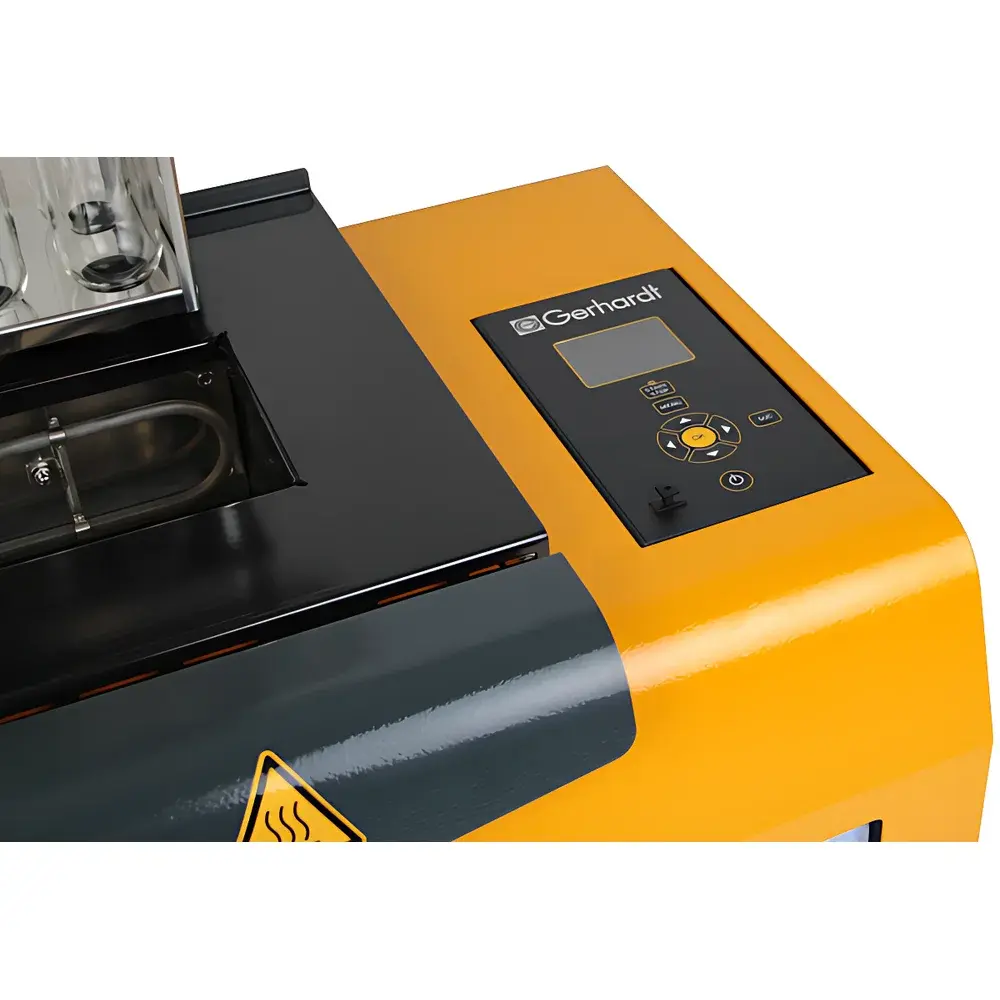
- Programmable control unit supporting up to 99 independent digestion methods, each configurable with up to 40 time–power segments for precise thermal profiling (e.g., hold at 120 °C for 15 min, ramp to 350 °C at 5 °C/min, hold 20 min, then cool).
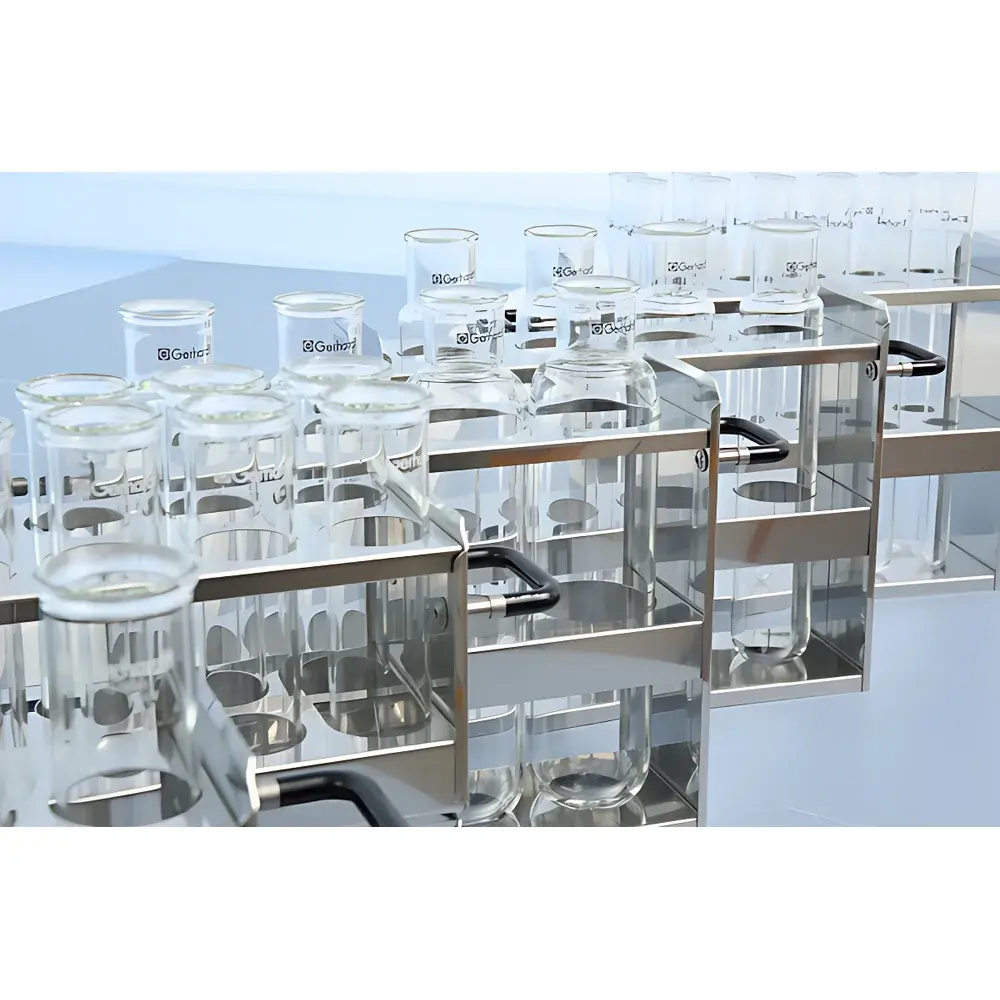
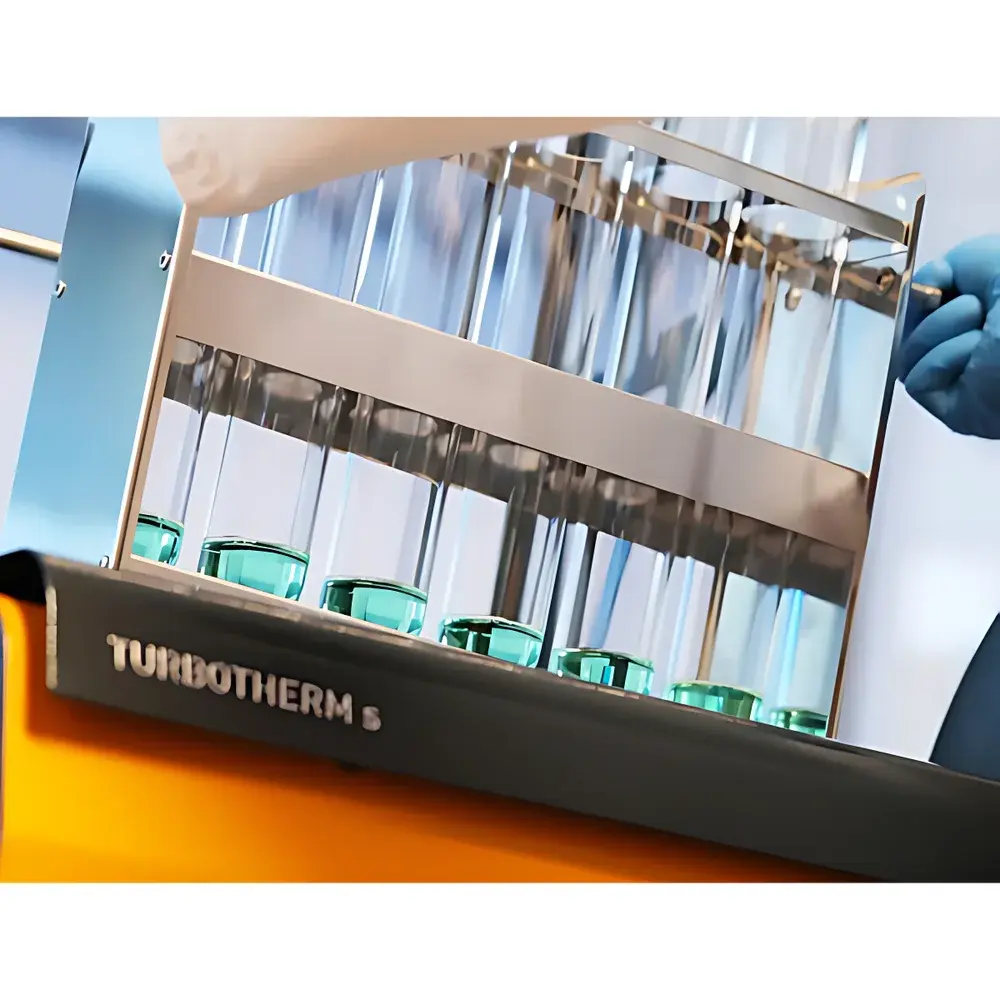
- Dual-tier rack system accommodating digestion tube volumes from 100 mL to 800 mL; standard configuration includes six 250 mL borosilicate glass or quartz tubes with PTFE-lined caps.
- Integrated fume extraction interface compatible with water aspirator vacuum pumps or external scrubber systems; exhaust manifold features chemical-resistant silicone gaskets and drip tray with condensate collection.
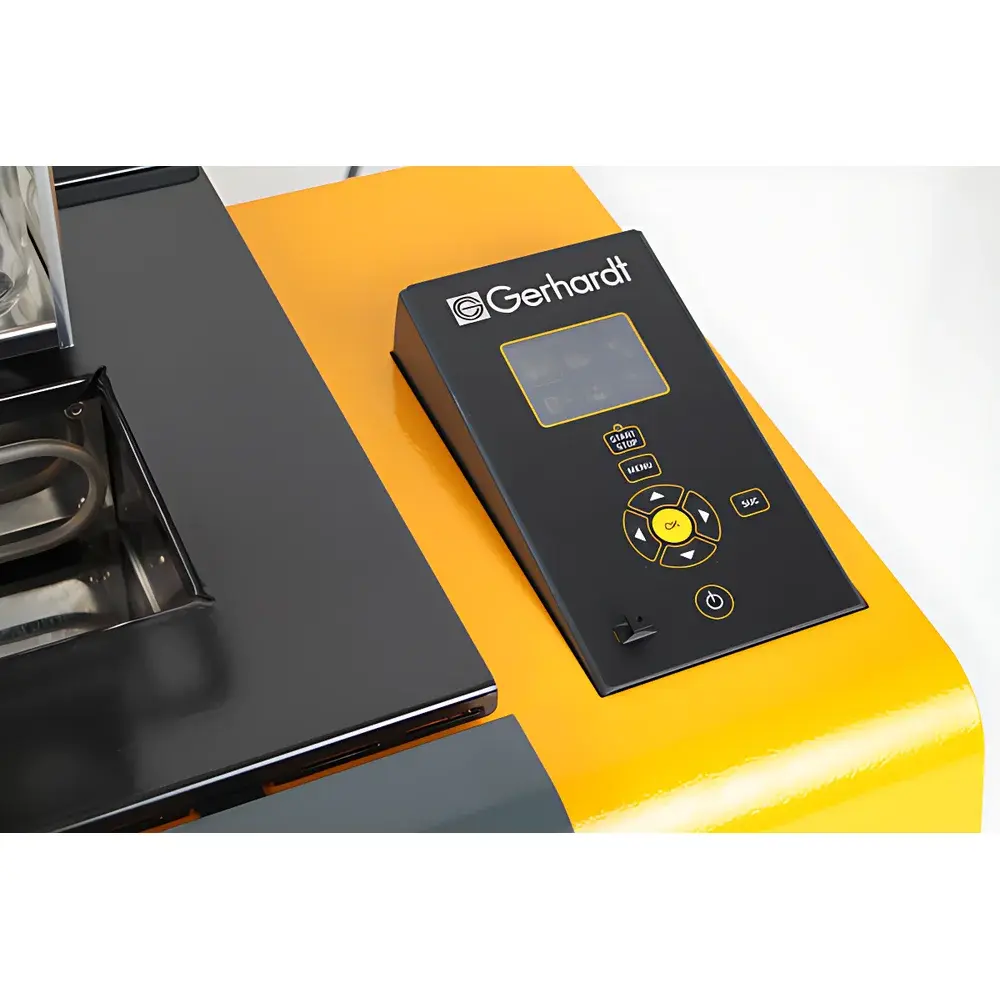
- CE-compliant electrical architecture with overtemperature cut-off, door interlock (if equipped with optional safety hood), and real-time power monitoring displayed on high-contrast LCD interface.
- Robust stainless-steel chassis and corrosion-resistant aluminum housing ensure long-term stability in acidic laboratory environments.
Sample Compatibility & Compliance
The TTs625 supports a broad range of solid and semi-solid samples—including soils, sediments, plant tissues, foodstuffs, polymers, and biological tissues—when processed with appropriate acid mixtures and volume-to-mass ratios. It complies with key international digestion standards including ISO 11466 (heavy metals in soils), EPA Method 3050B (acid digestion of sediments and sludges), and ASTM D5511 (digestion of solid waste for metal leaching). Its programmable architecture facilitates audit-ready method documentation required under GLP and GMP frameworks. While not intrinsically 21 CFR Part 11 compliant, the system supports integration with LIMS or ELN platforms via RS-232 or optional USB data export for traceable electronic records.
Software & Data Management
The embedded microcontroller provides local method storage, real-time parameter logging (time, setpoint, actual temperature, power output), and event timestamping. All operational data are exportable as CSV files for post-run analysis or QA reporting. No proprietary software installation is required; configuration and monitoring occur entirely via the front-panel interface. For laboratories requiring centralized instrument management, optional analog voltage outputs (0–10 V) enable connection to SCADA or building automation systems. Firmware updates are performed via USB stick—ensuring continuity of validated methods without network dependency.
Applications
- Routine total digestion of environmental samples (soils, sludges, airborne particulates) prior to multi-element quantification by ICP techniques.
- Preparation of clinical and pharmaceutical reference materials for elemental impurity testing per ICH Q3D guidelines.
- Decomposition of organic-rich matrices (e.g., algae, compost, feedstuffs) where microwave-assisted digestion may cause pressure-related safety concerns.
- Method development for novel digestion protocols involving low-acid or enzyme-assisted pretreatment steps followed by IR-driven final mineralization.
- High-throughput QC labs performing daily batch digestion of incoming raw materials in food, fertilizer, and mining sectors.
FAQ
What tube materials are compatible with the TTs625?
Borosilicate glass (Duran® or Pyrex®-grade), quartz, and PFA-lined digestion tubes are supported. Quartz is recommended for HF-containing digests above 500 °C.
Can the TTs625 be used for closed-vessel digestion?
No—the system is engineered exclusively for open-vessel, atmospheric-pressure digestion. Closed-vessel applications require microwave or high-pressure reactor systems.
Is temperature calibration traceable to national standards?
Yes; C. Gerhardt provides optional NIST-traceable calibration certificates (ISO/IEC 17025 accredited) for both emitter output and thermocouple-based tube-surface monitoring.
How is acid fume containment verified during operation?
Each unit undergoes factory leak-testing of the exhaust manifold and drip tray seal integrity; users are advised to perform quarterly visual inspection of gasket condition and conduct flow verification using an anemometer at the exhaust port.
Does the TTs625 support remote monitoring or Ethernet connectivity?
Not natively—but RS-232 serial output allows integration with third-party lab automation middleware or custom Python-based monitoring scripts.



