
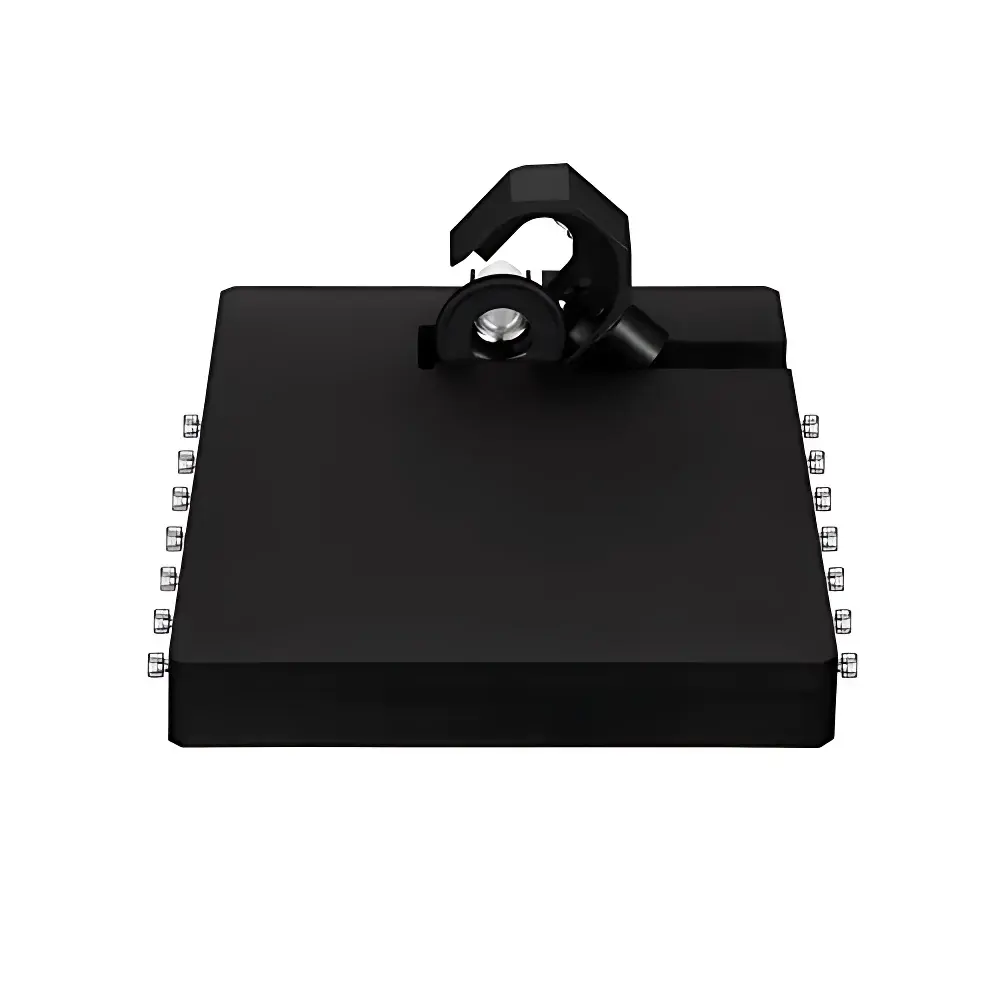
RWD 68620 Small Animal Surgical Anesthesia Platform
| Brand | RWD |
|---|---|
| Origin | Shenzhen, China |
| Manufacturer Type | OEM Manufacturer |
| Region of Origin | Domestic (China) |
| Model | 68620 |
| Pricing | Available Upon Request |
Overview
The RWD 68620 Small Animal Surgical Anesthesia Platform is an engineered workstation designed for precise, safe, and repeatable anesthetic delivery and surgical positioning of rodents and other small laboratory mammals during in vivo procedures. It operates on the principle of controlled inhalational anesthesia delivery via calibrated face mask systems, integrated with passive scavenging to mitigate occupational exposure to volatile anesthetics such as isoflurane. The platform supports standardized surgical workflows under institutional animal care and use committee (IACUC)–compliant conditions and aligns with NIH OLAW and AAALAC International guidance for minimizing occupational health risks associated with anesthetic gas leakage.
Key Features
- Adjustable vertical face mask positioning via precision knurled knobs—enables fine-tuned alignment of mask orifice centerline parallel to the animal’s cranio-caudal axis, ensuring optimal airway seal and consistent anesthetic concentration at the respiratory tract.
- Modular face mask compatibility—including RWD 68610 (rat/cat), 68613 (neonatal/pup), 68615 (mouse), and 68616 (large rat) masks—facilitates rapid reconfiguration across species and developmental stages without tooling.
- Integrated limb restraint system: Four M4 threaded side-mounting ports allow secure attachment of adjustable stainless-steel clamps or adhesive tape anchors, enabling stable dorsal, ventral, or lateral positioning while preserving physiological posture and minimizing tissue stress.
- Bowl-shaped acrylic hood enclosure: Forms a semi-closed volume above the animal’s head and thorax, directing exhaled and leaked anesthetic gases downward through a dedicated 8-mm diameter exhaust port at the base—designed for direct coupling to active or passive gas scavenging units compliant with ISO 8573-1 Class 2 or NIOSH-recommended flow rates (≥40 L/min).
- Compact, low-profile chassis (300 × 210 × 75 mm) constructed from chemical-resistant, autoclavable-grade ABS with non-slip textured surface—optimized for integration into laminar flow hoods, stereotaxic rigs, and imaging suites where spatial constraints and sterility are critical.
Sample Compatibility & Compliance
The 68620 platform accommodates live subjects ranging from postnatal day 3 (P3) mouse pups to adult rats (up to 500 g) and domestic cats (≤3 kg) when used with appropriate mask configurations. All contact surfaces meet USP Class VI biocompatibility requirements. The design supports adherence to ISO 15197:2013 (for procedural consistency), EU Directive 2010/63/EU Annex VIII (anesthetic gas exposure limits), and OSHA Technical Manual Section III: Chapter 5 (inhalation hazard control). Gas scavenging integration enables compliance with facility-level anesthetic waste management protocols required for AAALAC-accredited institutions.
Software & Data Management
As a hardware-only platform, the 68620 does not incorporate embedded firmware or proprietary software. However, it is fully interoperable with third-party anesthesia delivery systems (e.g., VetEquip E-Z Anesthesia, Kent Scientific SA-2) and digital monitoring platforms (e.g., Nonin Animal Vital Signs Monitor, ADInstruments PowerLab) via standard analog output interfaces and mechanical synchronization points. All adjustment positions (mask height, clamp orientation) are manually indexed and documented per procedure—supporting GLP-aligned recordkeeping when paired with electronic lab notebooks (ELNs) that capture metadata including subject ID, mask type, duration, and scavenging line pressure verification logs.
Applications
- Intracranial stereotaxic surgery requiring prolonged, stable head immobilization and uninterrupted isoflurane delivery.
- Cardiovascular interventions—including echocardiography-guided catheterization and thoracotomy—where minimal operator interference and gas containment are essential.
- Longitudinal metabolic studies involving repeated anesthesia sessions, where inter-session reproducibility of positioning and exposure minimizes confounding behavioral or physiological variance.
- Developmental neuroscience research using neonatal models, where precise mask-to-snout distance control prevents airway obstruction and CO2 rebreathing.
- Training modules for veterinary and biomedical graduate programs emphasizing ALARA (As Low As Reasonably Achievable) principles in anesthetic handling.
FAQ
Is the 68620 compatible with non-RWD anesthesia vaporizers or scavenging systems?
Yes—the base exhaust port conforms to standard 8-mm OD tubing interfaces and supports connection to any commercially available active or passive scavenger meeting NIOSH-recommended flow specifications.
Can the platform be sterilized between uses?
All non-electronic components are compatible with 70% ethanol wipe-down, 2% glutaraldehyde immersion (≤10 min), and autoclaving at 121°C/15 psi for 20 minutes; verify material integrity after ≥50 cycles.
Does the bowl hood interfere with imaging modalities such as MRI or micro-CT?
The acrylic hood is non-magnetic and radiolucent—no artifact generation observed in 7T MRI or 10-µm-resolution micro-CT scans when positioned outside the primary field-of-view.
What documentation is provided for regulatory audits?
RWD supplies a Declaration of Conformity (DoC), material safety data sheets (MSDS), and IACUC-compatibility white paper detailing gas retention testing results and exposure reduction metrics (measured per ASTM D6866-22).





