
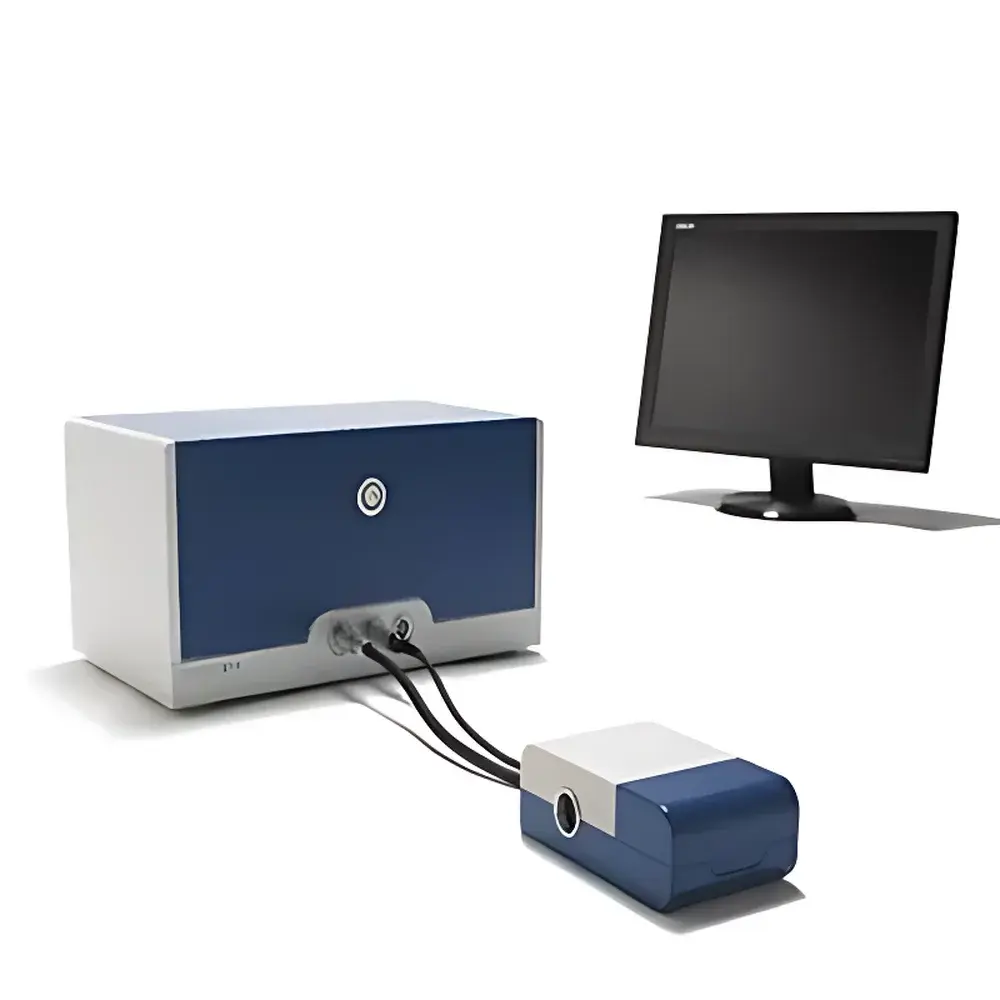
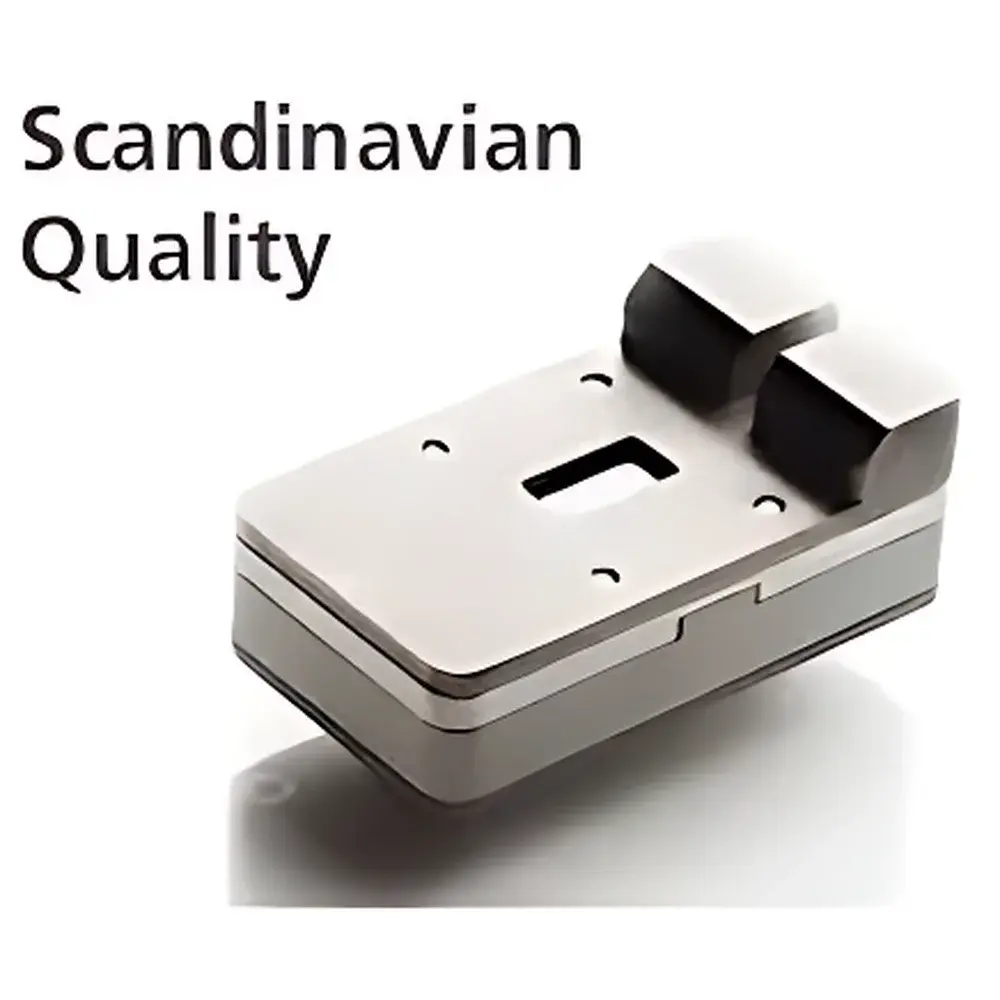
QSense Explorer Extended Edition Quartz Crystal Microbalance with Dissipation Monitoring (QCM-D)
| Brand | QSense |
|---|---|
| Origin | Sweden |
| Model | Explorer |
| Minimum Sample Volume | 40 µL |
| Temperature Range | 15–65 °C |
| Frequency Range | 1–70 MHz |
Overview
The QSense Explorer Extended Edition Quartz Crystal Microbalance with Dissipation Monitoring (QCM-D) is a high-precision, label-free analytical platform engineered for real-time, in situ characterization of interfacial molecular processes at solid–liquid interfaces. Based on the piezoelectric properties of AT-cut quartz crystals, the system operates on the principle of resonant shear-horizontal acoustic wave propagation: when an alternating voltage is applied across the gold-coated electrodes, the crystal oscillates at its fundamental and overtone frequencies (e.g., 5 MHz fundamental, up to 13th harmonic at ~65 MHz). Mass adsorption or structural changes at the sensor surface induce measurable shifts in resonance frequency (f) and energy dissipation (D). While the Sauerbrey equation provides quantitative mass estimates for rigid, thin films, the simultaneous measurement of D enables viscoelastic modeling—yielding not only adsorbed mass but also film thickness, hydration, elasticity (G′), and viscosity (G″). This dual-parameter capability distinguishes QCM-D from conventional QCM, making it indispensable for studying soft, hydrated, or dynamic biological and polymeric layers under physiologically relevant conditions.
Key Features
- Single-channel, compact benchtop design optimized for reproducibility and ease of integration into standard lab workflows
- Simultaneous multi-harmonic monitoring (up to 13 overtones, 1–70 MHz range) for robust viscoelastic modeling
- High temporal resolution: up to 200 data points per second per frequency, enabling kinetic capture of rapid binding, swelling, or conformational transitions
- Precise temperature control (15–65 °C; ±0.02 °C stability) with optional high-temperature module (4–150 °C)
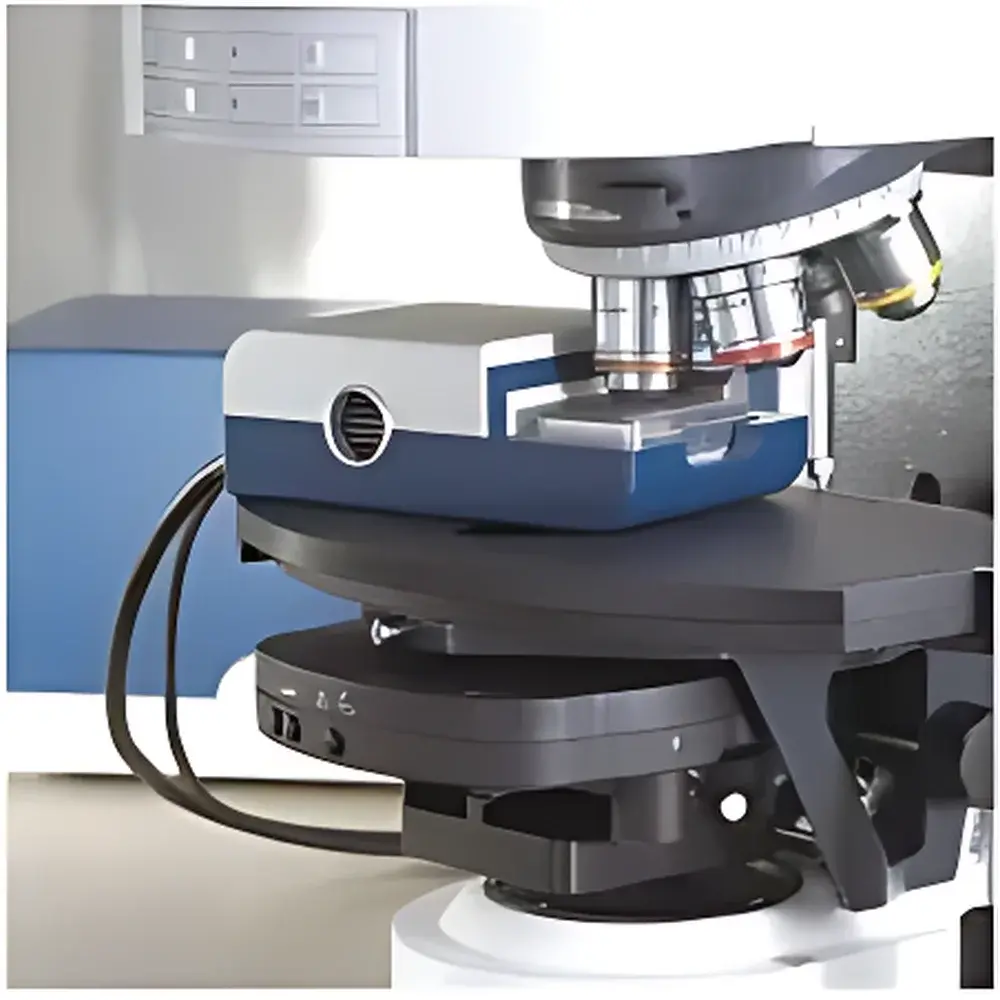
- Modular architecture supporting electrochemical QCM-D (EC-QCM-D) and optical window modules for correlative microscopy or spectroscopy (e.g., UV-induced photocatalysis, live-cell adhesion studies)
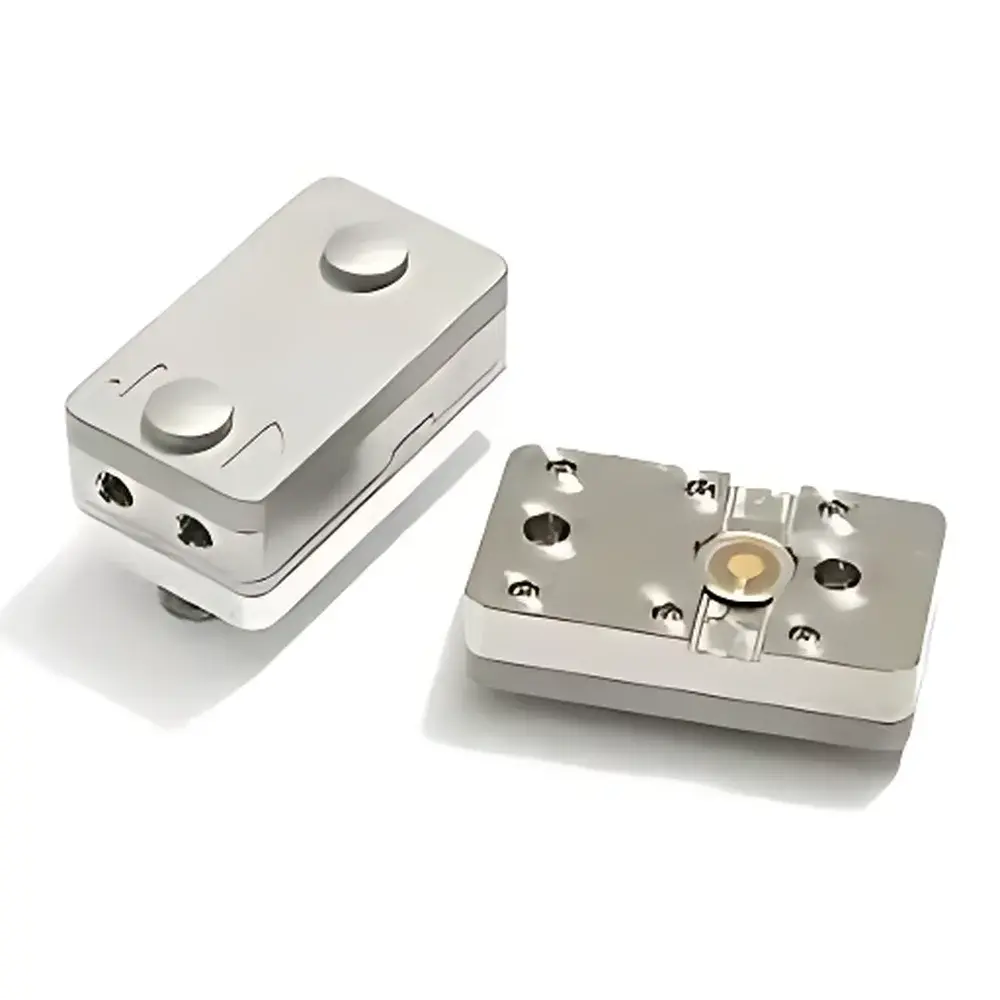
- Removable fluidic components—including flow cell and sensor holder—for ultrasonic cleaning and contamination-free operation
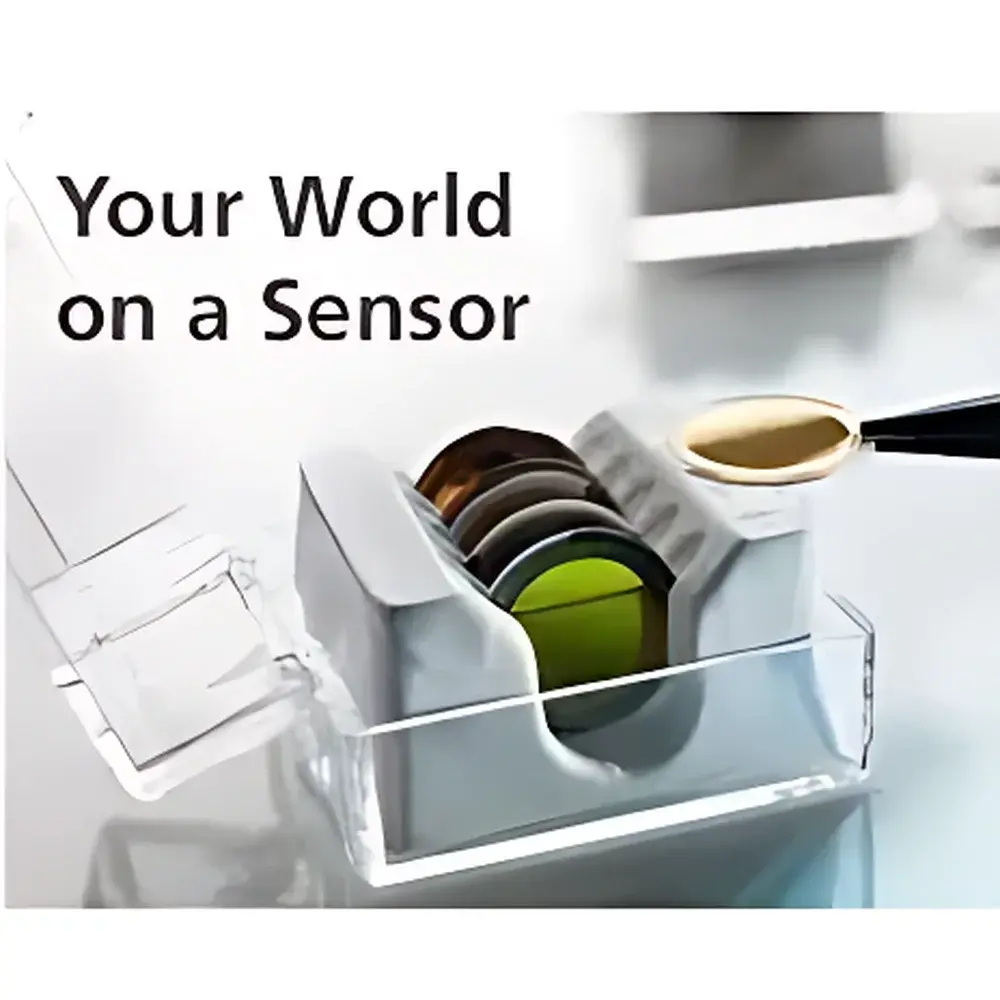
- Gold-coated, 14 mm diameter, 5 MHz AT-cut quartz sensors with defined surface chemistry compatibility (thiol SAMs, silanes, polymers, metals)
Sample Compatibility & Compliance
The QSense Explorer accommodates a broad spectrum of interfacial systems without labeling requirements. Compatible samples include proteins, peptides, DNA/RNA, liposomes, extracellular vesicles, synthetic polymers, polyelectrolytes, hydrogels, corrosion inhibitors, catalysts, and live mammalian cells. Sensor surfaces can be functionalized with self-assembled monolayers (SAMs), silanes, biotin–streptavidin linkers, or plasma-polymerized coatings to tailor specificity. The system supports GLP- and GMP-aligned workflows: raw data files are timestamped, immutable, and include full metadata (temperature, flow rate, harmonic index); software audit trails comply with FDA 21 CFR Part 11 requirements for electronic records and signatures. All measurements adhere to ISO/IEC 17025 principles for analytical instrument validation, and published QCM-D protocols align with ASTM E2982 (standard guide for QCM-D in biomaterials characterization) and USP (analytical instrument qualification).
Software & Data Management
QSoft™ software provides an integrated environment for instrument control, real-time visualization, advanced modeling, and report generation. It includes built-in fitting algorithms (e.g., Voigt-based viscoelastic models, bulk liquid correction, multi-layer Sauerbrey extensions) and supports custom scripting via Python API for automated batch analysis. Data export is compliant with FAIR principles (Findable, Accessible, Interoperable, Reusable): outputs include CSV, HDF5, and XML formats with embedded SI units and uncertainty annotations. Raw frequency and dissipation time-series are stored with hardware-level timestamps; processed results retain traceability to original harmonics and environmental parameters. Software updates follow a documented change-control process, and version history is archived per ISO 9001 quality management standards.
Applications
- Real-time quantification of protein adsorption kinetics, conformational rearrangement, and competitive binding on biosensor surfaces
- Characterization of lipid bilayer formation, membrane fusion, and pore-forming toxin activity
- In situ monitoring of polyelectrolyte multilayer (PEM) assembly, swelling, and stimuli-responsive disassembly (pH, ionic strength, temperature)
- Cell adhesion dynamics—including integrin-mediated attachment, spreading, and detachment—on biomaterial scaffolds
- Hydration-dependent swelling and viscoelastic relaxation of hydrogels and stimuli-responsive polymers
- Corrosion inhibitor film formation and degradation kinetics on metal substrates
- Enzymatic degradation of immobilized substrates (e.g., collagenase on collagen films)
- DNA hybridization kinetics and mismatch discrimination on functionalized sensor chips
- Photocatalytic surface reactions monitored concurrently via QCM-D and UV-Vis spectroscopy using the optical window module
FAQ
What is the minimum detectable mass change in liquid phase?
The typical mass resolution is ~1.8 ng/cm² (18 pg/mm²) under standard conditions; with optimized signal averaging and low-noise acquisition, detection limits reach ~0.5 ng/cm² (5 pg/mm²).
Can the system operate with non-aqueous solvents?
Yes—provided the solvent is compatible with wetted materials (e.g., PEEK, Kalrez®, gold, quartz) and its density/viscosity falls within the calibration range of the viscoelastic model.
Is sensor regeneration possible between experiments?
Regeneration depends on surface chemistry: mild surfactants (e.g., SDS), pH shifts, or gentle enzymatic cleavage often restore baseline; irreversible covalent binding requires sensor replacement.
How is temperature uniformity ensured across the sensor surface?
A Peltier-controlled thermal block with embedded platinum resistance thermometer (Pt100) and closed-loop feedback maintains ±0.02 °C stability; sensor-to-block contact is optimized via precision-machined thermal interface.
Does QSense provide application-specific method development support?
Yes—QSense Application Scientists offer remote and on-site protocol optimization, including surface functionalization strategies, buffer selection, and model parameterization for complex viscoelastic systems.




