Airmar M195 Smart EchoSounder Sensor
| Brand | Airmar |
|---|---|
| Origin | USA |
| Model | M195 |
| Operating Frequencies | 30 kHz / 200 kHz |
| Depth Range | 0.4–200 m |
| Depth Accuracy | ±0.54% FS |
| Depth Resolution | 0.01 m |
| Temperature Sensor | 10 kΩ NTC thermistor |
| Temp Range | −5 to +60 °C |
| Temp Accuracy | ±0.05 °C |
| Temp Resolution | 0.09 °C |
| Output Protocols | NMEA 0183 (4800 baud), Echo-Envelope RS485 (921600 baud) |
| Power Supply | 9–40 VDC |
| Avg. Current Draw | 300 mA @ 12 VDC |
| Max. Power | 100 W |
| Submersible Depth | Up to 10 m |
| Cable | 15 m C304, 5-pair shielded twisted pair with polyurethane jacket |
| Housing Material | Seamless polyurethane (SeamCast™) |
| Certifications | CE, IEC 60945 |
| Reverse Polarity Protection | Yes |
| Weight | 6.5 kg |
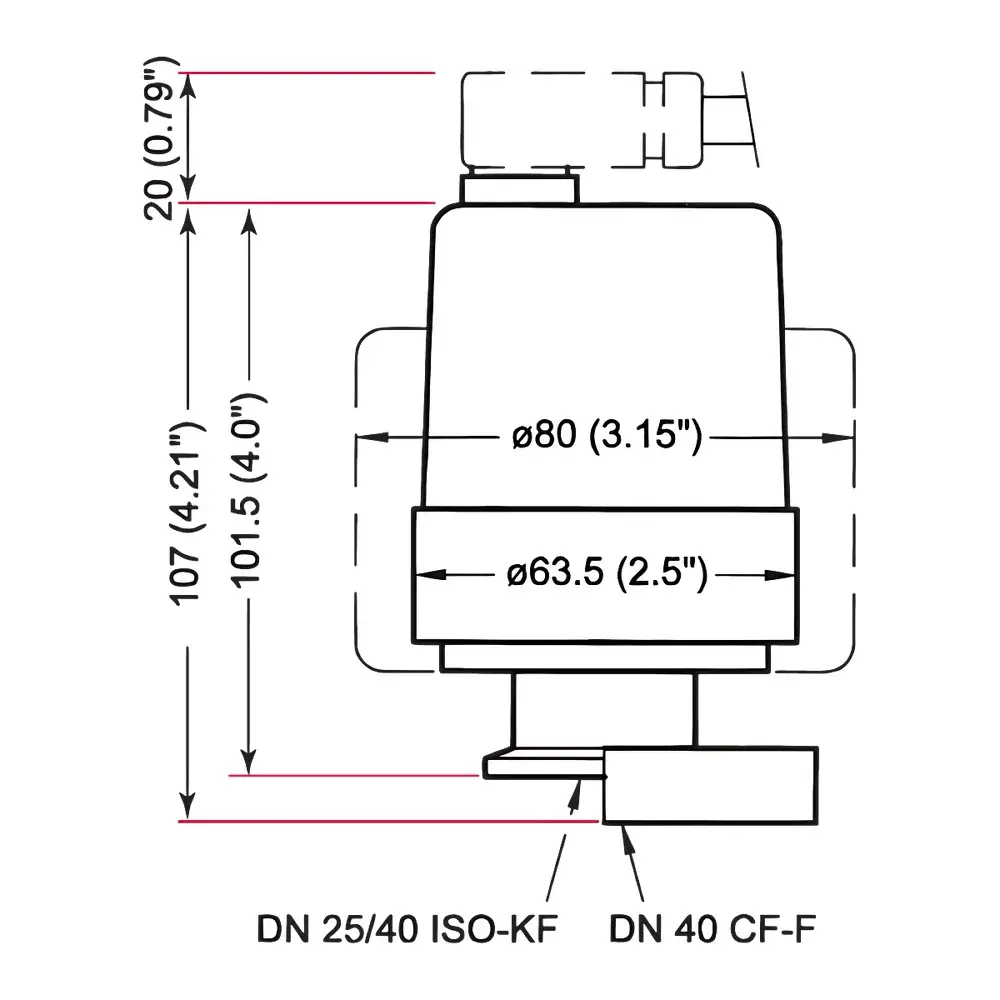
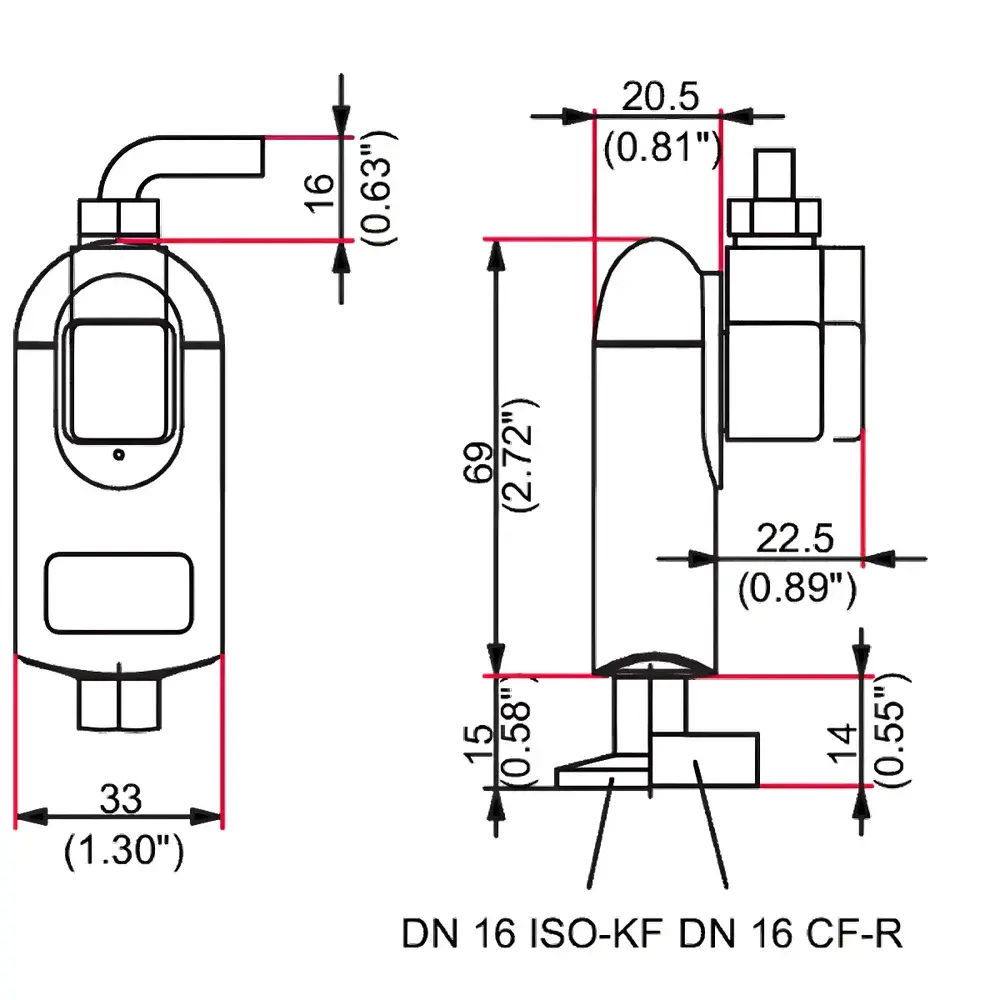
| Dimensions | See official dimensional drawing |
Overview
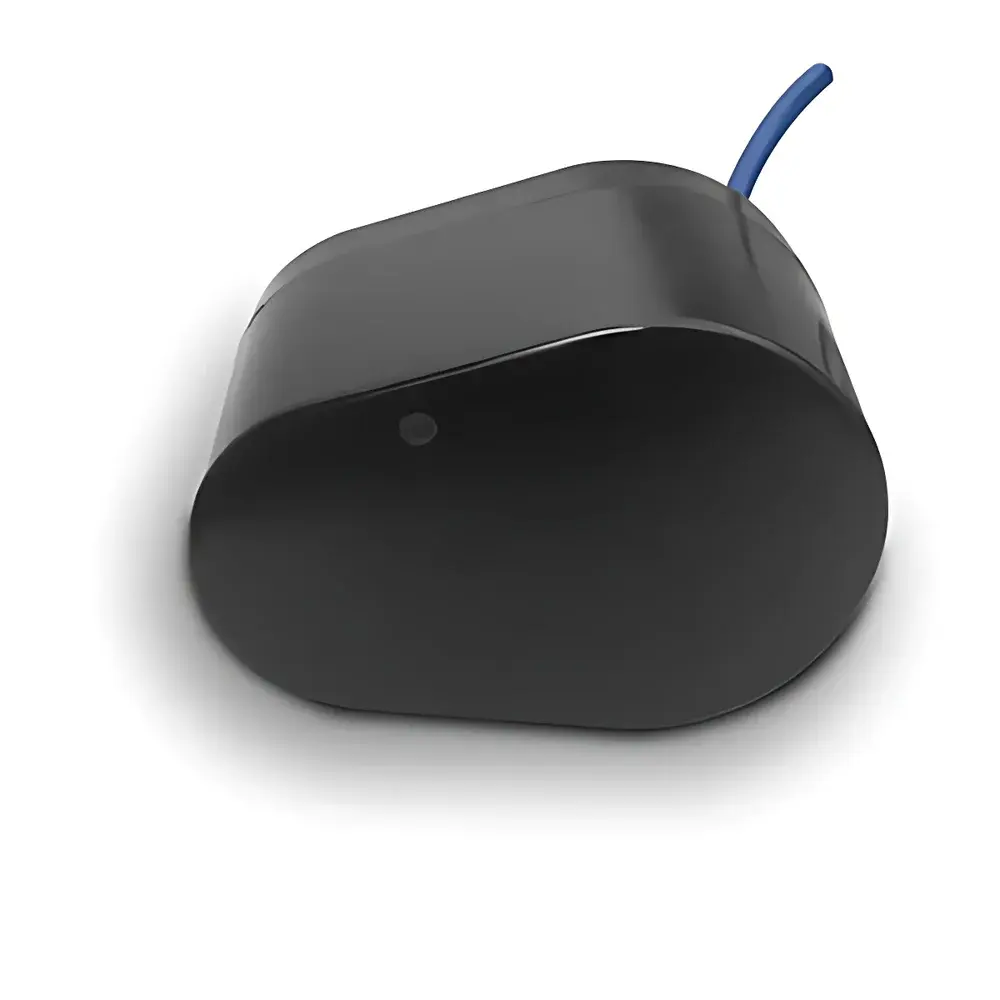
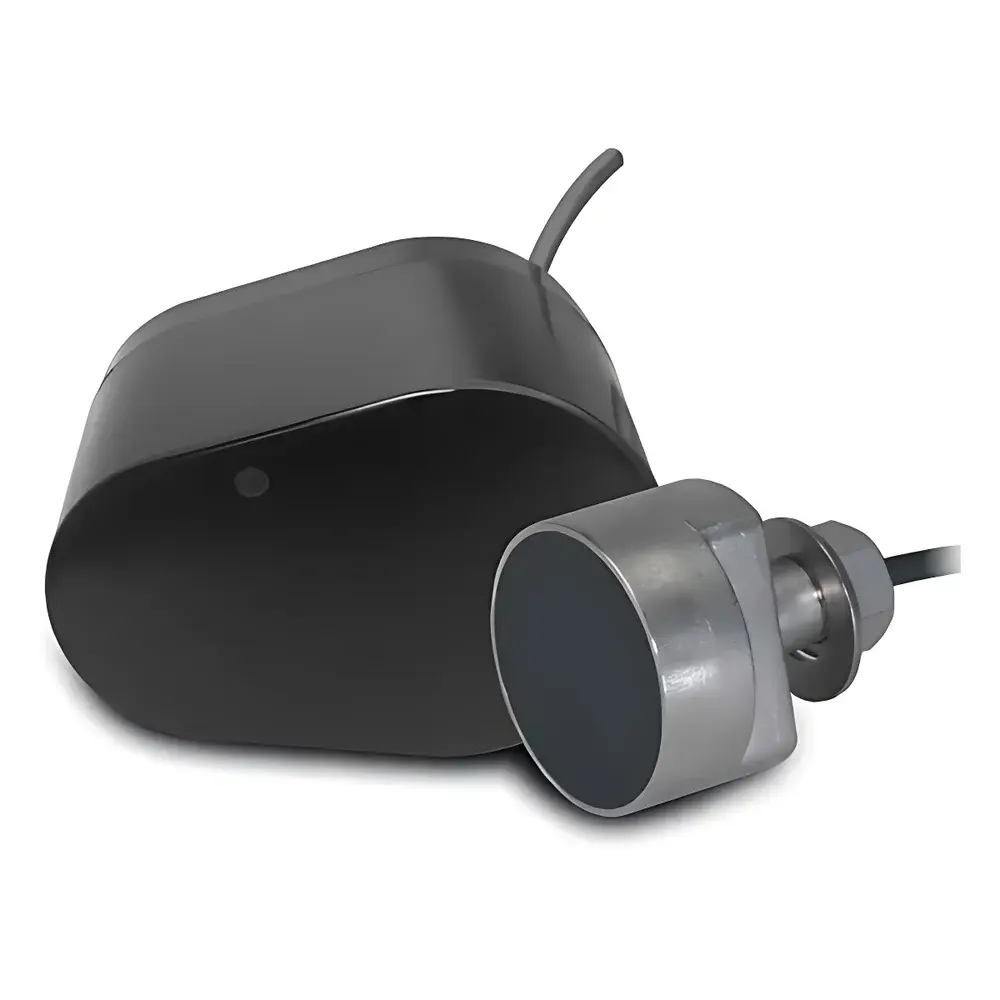
The Airmar M195 Smart EchoSounder Sensor is a compact, self-contained hydrographic transducer engineered for high-reliability depth and water temperature measurement in marine and inland water environments. Unlike conventional analog transducers, the M195 integrates on-board microelectronics that perform real-time signal conditioning, digital echo envelope processing, and calibrated data conversion—enabling intelligent, protocol-compliant output without requiring external signal processors or dedicated sounder hardware. Its dual-frequency operation (30 kHz for long-range bathymetric profiling and 200 kHz for high-resolution shallow-water mapping) leverages pulse-echo ultrasonics based on time-of-flight principles, delivering stable acoustic returns even in turbid or vegetation-rich conditions. Designed for deployment across diverse platforms—including portable survey poles, bridge piers, vessel hulls (inboard or outboard), and autonomous underwater vehicles—the M195 serves as a foundational sensor in applications demanding traceable, field-deployable hydrographic data under GLP-aligned operational workflows.
Key Features
- Dual-frequency ultrasonic transduction (30 kHz and 200 kHz) optimized for variable water column conditions and bottom composition
- Embedded digital signal processor (DSP) performing real-time echo envelope extraction, noise filtering, and depth/temperature calibration
- NMEA 0183-compliant output (default 4800 baud) for seamless integration with chartplotters, data loggers, and marine navigation systems
- High-speed Echo-Envelope output via RS485 (921.6 kbps) supporting post-processing of raw acoustic waveforms for advanced sediment classification or interface detection
- SeamCast™ seamless polyurethane housing rated IP68 and certified to IEC 60945 for marine environmental resilience
- Configurable acquisition modes: automatic adaptive sampling (0.1–25 s interval) or manual trigger-based acquisition (up to 10 Hz)
- Integrated 10 kΩ NTC thermistor with traceable calibration, enabling concurrent water temperature measurement with depth
- Robust mechanical design accommodating multiple mounting configurations—portable pole mount, beam bracket (optional), or flush-mounted hull installation
- Reverse polarity protection and wide-input DC power range (9–40 VDC) ensuring compatibility with battery, solar, or vessel electrical systems
Sample Compatibility & Compliance
The M195 operates reliably across freshwater, brackish, and seawater media with suspended solids concentrations up to 500 NTU. Its polyurethane housing exhibits chemical resistance to common marine biofouling agents and UV exposure, minimizing drift due to surface degradation. The sensor complies with CE marking requirements and conforms to IEC 60945 for maritime electronic equipment, including electromagnetic compatibility (EMC), vibration, and thermal shock testing. While not intrinsically certified for hazardous locations, its low-power architecture and non-sparking electronics support deployment in Class I, Division 2 zones when installed per local authority requirements. Data integrity aligns with practices recommended in ASTM D5108 (Standard Guide for Hydrographic Surveying) and ISO 25831 (Hydrographic data quality assurance), particularly when used in bridge scour monitoring or dredge volume verification workflows subject to regulatory reporting.
Software & Data Management
The M195 delivers two parallel data streams: NMEA 0183 sentences (e.g., DPT, MTW) for real-time display and basic logging, and high-fidelity Echo-Envelope frames over RS485 for offline waveform analysis. Third-party software—including QPS Qimera, Teledyne PDS, and open-source tools such as echopype—can ingest and process the raw envelope data for bottom classification, water column anomaly detection, or multi-beam fusion. Firmware updates are performed via encrypted bootloader using Airmar’s proprietary configuration utility, ensuring secure field reprogramming without physical access to internal circuitry. All operational parameters—including frequency selection, gain profile, blanking distance, and output interval—are configurable through ASCII command sets, enabling script-driven batch deployment in unattended monitoring networks. Audit trails for configuration changes are maintained locally within device flash memory, supporting GLP/GMP documentation requirements where applicable.
Applications
- Bathymetric surveying for riverine, reservoir, and coastal zone management
- Bridge pier and abutment scour assessment per FHWA HEC-18 guidelines
- Dredging progress tracking and volume reconciliation in port maintenance operations
- Autonomous underwater vehicle (AUV) and remotely operated vehicle (ROV) altitude hold and terrain-following control
- Environmental monitoring networks requiring synchronized depth–temperature time series at fixed stations
- Calibration reference for larger multibeam or sidescan sonar systems during system validation
FAQ
Does the M195 require an external sounder or display unit to function?
No. The M195 processes raw acoustic returns internally and outputs calibrated depth and temperature values directly via NMEA 0183 or Echo-Envelope RS485—eliminating the need for a separate sounder chassis.
Can the M195 be deployed continuously underwater for extended periods?
Yes. Rated for continuous submersion up to 10 meters and validated for 12-month unattended operation in temperate freshwater, provided routine biofouling mitigation is applied.
Is firmware update capability available in the field?
Yes. Field updates are supported via encrypted bootloader communication over RS485 using Airmar’s official configuration tool, with version rollback and integrity verification.
What is the difference between “Echo-Envelope” and standard NMEA depth output?
Echo-Envelope provides digitized, time-sampled amplitude data for each acoustic pulse—enabling spectral analysis, layer detection, and custom thresholding—whereas NMEA output delivers only final processed depth and temperature values.
Does the M195 support time-synchronized data acquisition across multiple sensors?
Not natively. Synchronization requires external GPS PPS input or master clock distribution via RS485 network timing protocols; Airmar does not embed IEEE 1588 or PTP support in this model.