SU-8 2000 and 3000 Series Photoresist by MicroChem
| Brand | MicroChem |
|---|---|
| Origin | USA |
| Manufacturer Type | Authorized Distributor |
| Product Category | Imported |
| Model | SU-8 2000 and 3000 Series |
| Pricing | Available Upon Request |
Overview
The SU-8 2000 and 3000 Series photoresists are high-performance, negative-tone, epoxy-based chemically amplified resists developed by MicroChem for advanced microfabrication in semiconductor, MEMS, and photonic device manufacturing. Engineered for near-UV (i-line, 350–400 nm), X-ray, and electron-beam lithography, these resists enable robust patterning of thick, high-aspect-ratio structures with exceptional thermal stability (>200 °C post-bake), chemical resistance (to common etchants including O₂ plasma, CF₄, and RIE chemistries), and optical transparency in the visible and near-IR range. Unlike conventional positive resists, SU-8 undergoes crosslinking upon exposure—resulting in insoluble regions that withstand aggressive development and subsequent processing steps such as metal lift-off, electroplating, and deep reactive ion etching (DRIE). Its low shrinkage (<1%), minimal outgassing, and excellent adhesion to silicon, glass, quartz, and metal substrates make it a preferred choice for permanent structural layers in microfluidic channels, optical waveguides, and MEMS actuators.
Key Features
- Negative-tone, epoxy novolac-based resist system with high sensitivity to i-line (365 nm) radiation
- Thickness tunability: SU-8 2000 series supports single-layer spin-coated films from 200 µm; SU-8 3000 series offers optimized 5–120 µm range for enhanced mechanical integrity
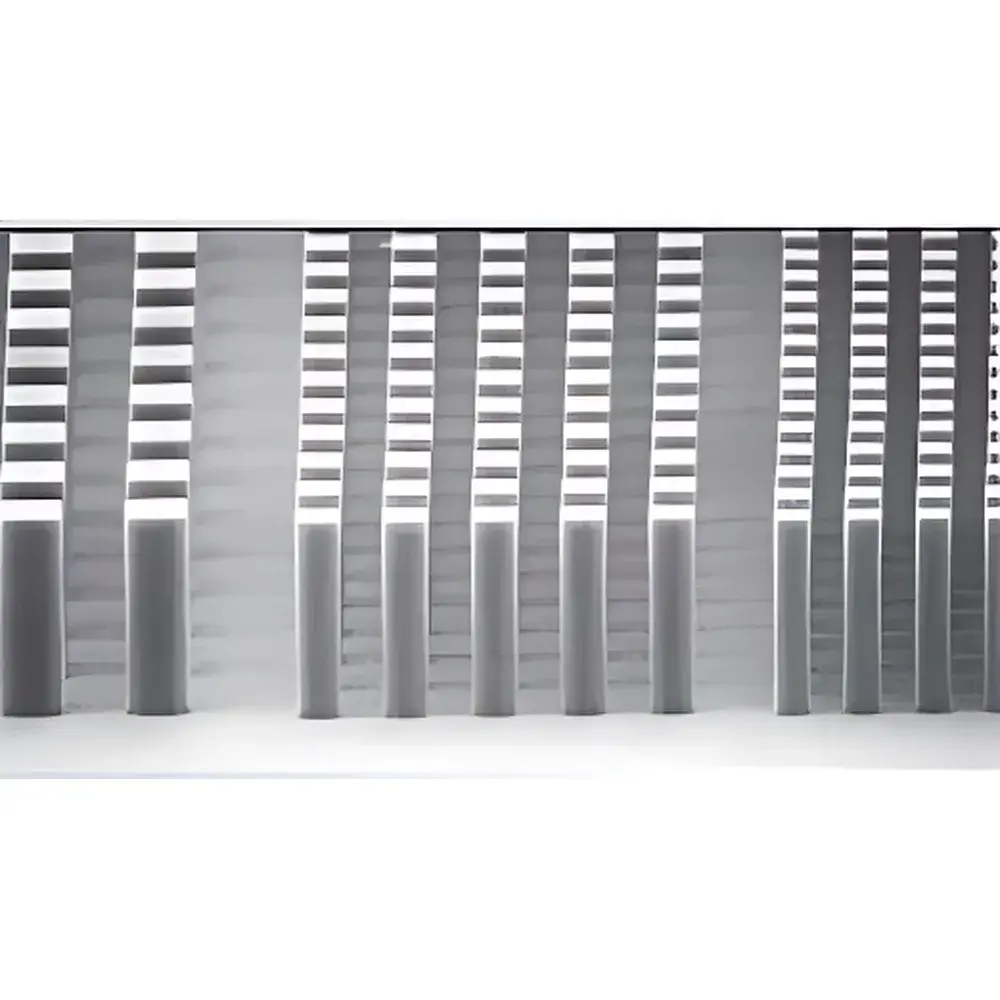
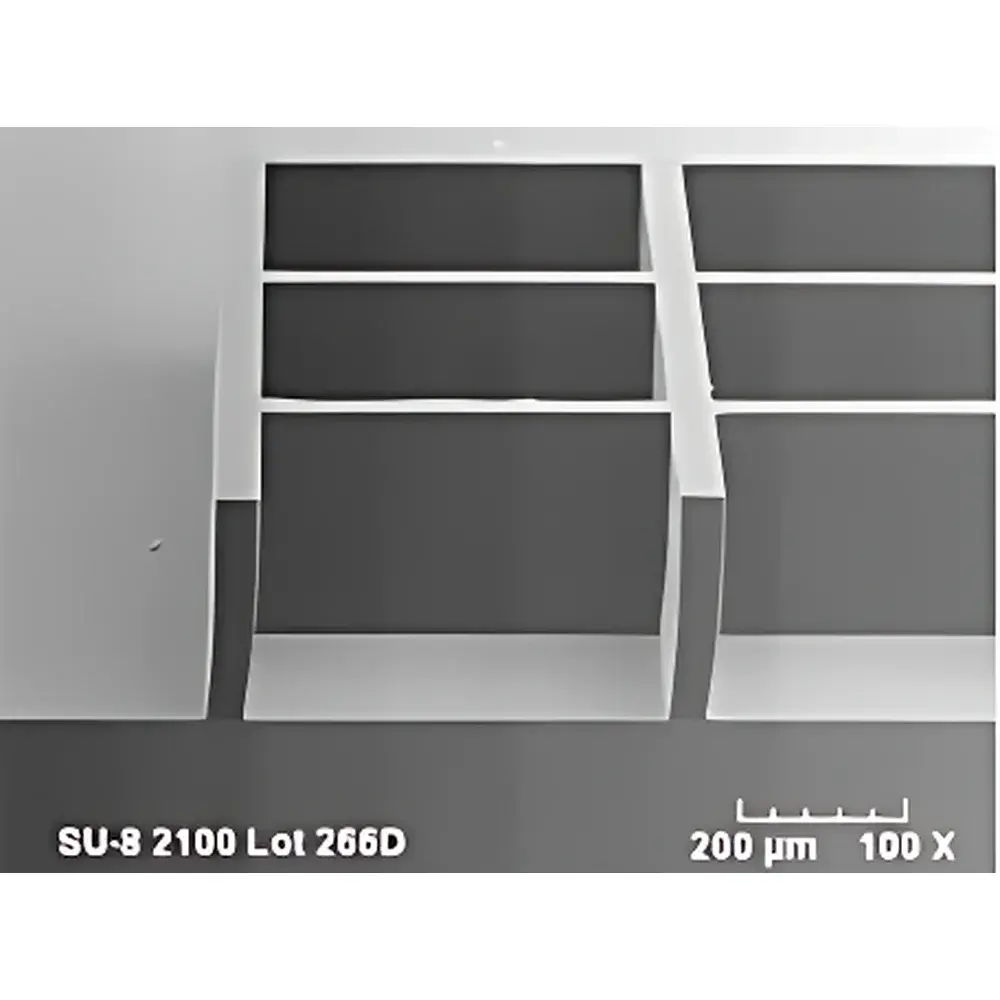
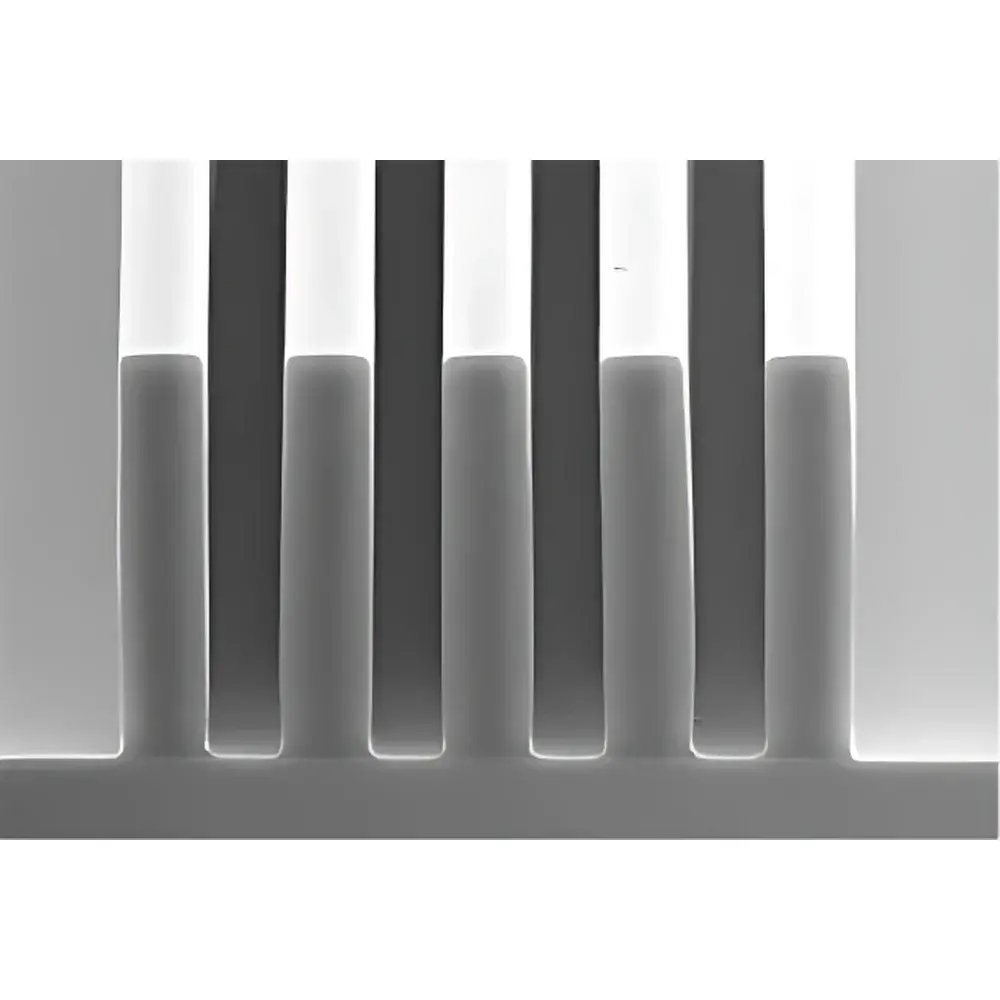
- High aspect ratio capability: >10:1 (2000 series) and >5:1 (3000 series) with vertical sidewalls and minimal footing
- Reduced polar solvent content and tailored surface-active additives improve uniformity and edge coverage during spin coating
- Enhanced substrate adhesion and lower intrinsic stress accumulation—especially critical for multilayer stacking and long-term reliability in packaged devices
- Compatible with standard cleanroom processes including HMDS priming, soft/hard bake, contact/proximity aligners, and maskless e-beam writers
Sample Compatibility & Compliance
SU-8 2000/3000 resists are validated for use on silicon wafers (Si, SiO₂, SiN), fused silica, quartz, stainless steel, gold, and aluminum substrates. Surface preparation with OmniCoat® or HMDS vapor priming is recommended to maximize adhesion and minimize delamination. The materials comply with ISO 9001-certified manufacturing protocols and meet key industry specifications for microfabrication-grade photoresists, including ASTM F274–22 (Standard Specification for Photoresist Materials) and SEMI S2/S8 safety guidelines. While not classified as GMP-grade, their consistent lot-to-lot performance supports GLP-aligned process documentation when integrated into controlled fabrication workflows.
Software & Data Management
As a consumable material—not an instrument—SU-8 does not incorporate embedded firmware or software interfaces. However, its process integration is fully supported by industry-standard lithography workflow management tools, including LithoTools™, CleWin, and CAD-to-mask platforms compliant with GDSII/OASIS formats. Exposure dose calibration, post-application bake profiles, and development time optimization can be logged and audited within MES systems adhering to FDA 21 CFR Part 11 requirements when used in regulated photonics or medical microdevice production environments.
Applications
- MEMS: Structural layers for accelerometers, gyroscopes, pressure sensors, and RF-MEMS switches
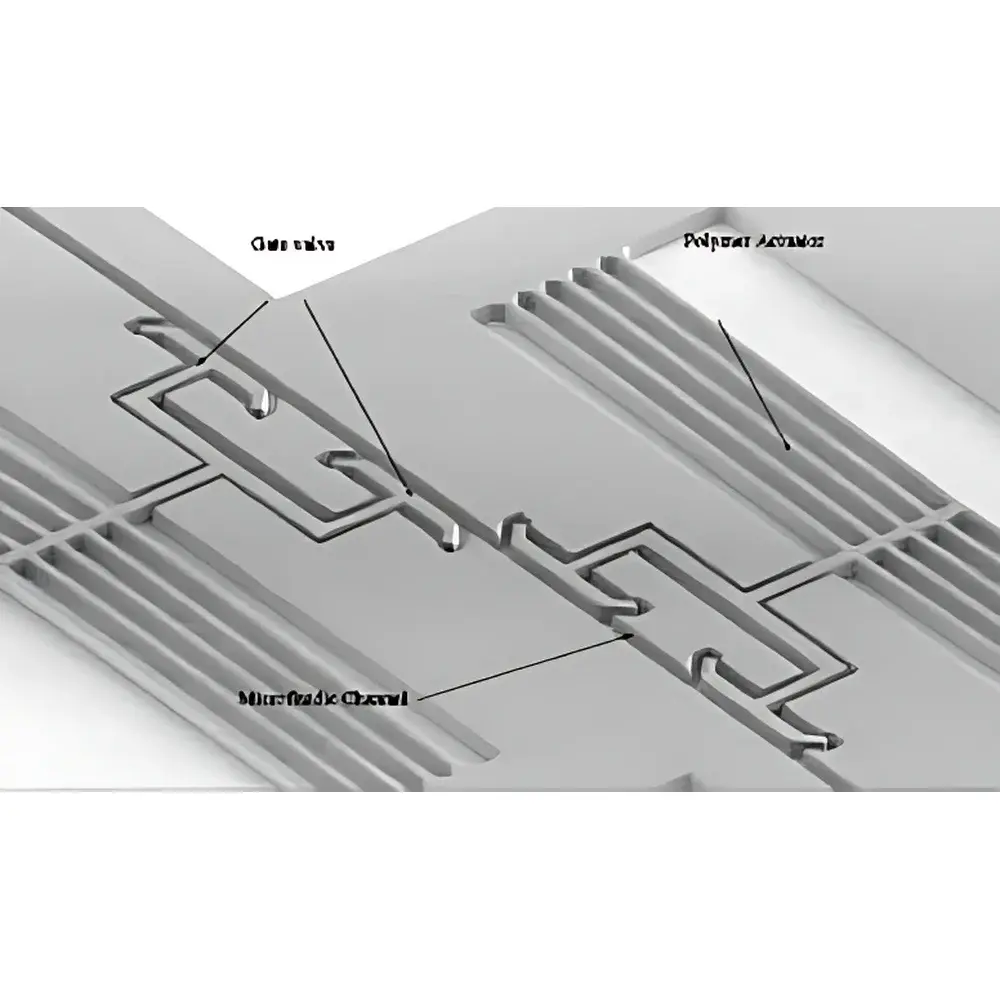
- Microfluidics: Monolithic channel fabrication, valve seats, and bonding layers for PDMS/silicon hybrid devices
- Optoelectronics: Waveguide cores/claddings, lens arrays, diffractive optical elements (DOEs), and VCSEL alignment structures
- Advanced packaging: Redistribution layers (RDLs), solder mask alternatives, and under-bump metallization (UBM) templates
- Research prototyping: Rapid-turnaround fabrication of microelectrodes, neural probes, and lab-on-chip platforms
FAQ
What is the shelf life of SU-8 2000/3000 resists under proper storage conditions?
Unopened bottles stored at 4–21 °C retain full performance for ≥12 months from date of manufacture. Once opened, use within 6 months under inert gas (N₂) purged environment.
Can SU-8 be reflowed or thermally cured beyond the standard post-exposure bake?
No—excessive thermal treatment (>220 °C) induces charring and carbonization, compromising transparency and mechanical fidelity.
Is SU-8 compatible with aqueous-based developers only?
Yes. SU-8 Developer is a proprietary gamma-butyrolactone (GBL)-based solution; aqueous alkaline developers (e.g., TMAH) are incompatible and cause swelling or incomplete development.
How does SU-8 3000 differ mechanically from SU-8 2000?
SU-8 3000 features modified crosslink density and residual stress profile, delivering superior interfacial adhesion and reduced curling in freestanding thick-film applications—particularly advantageous for wafer-level bonding and release processes.