
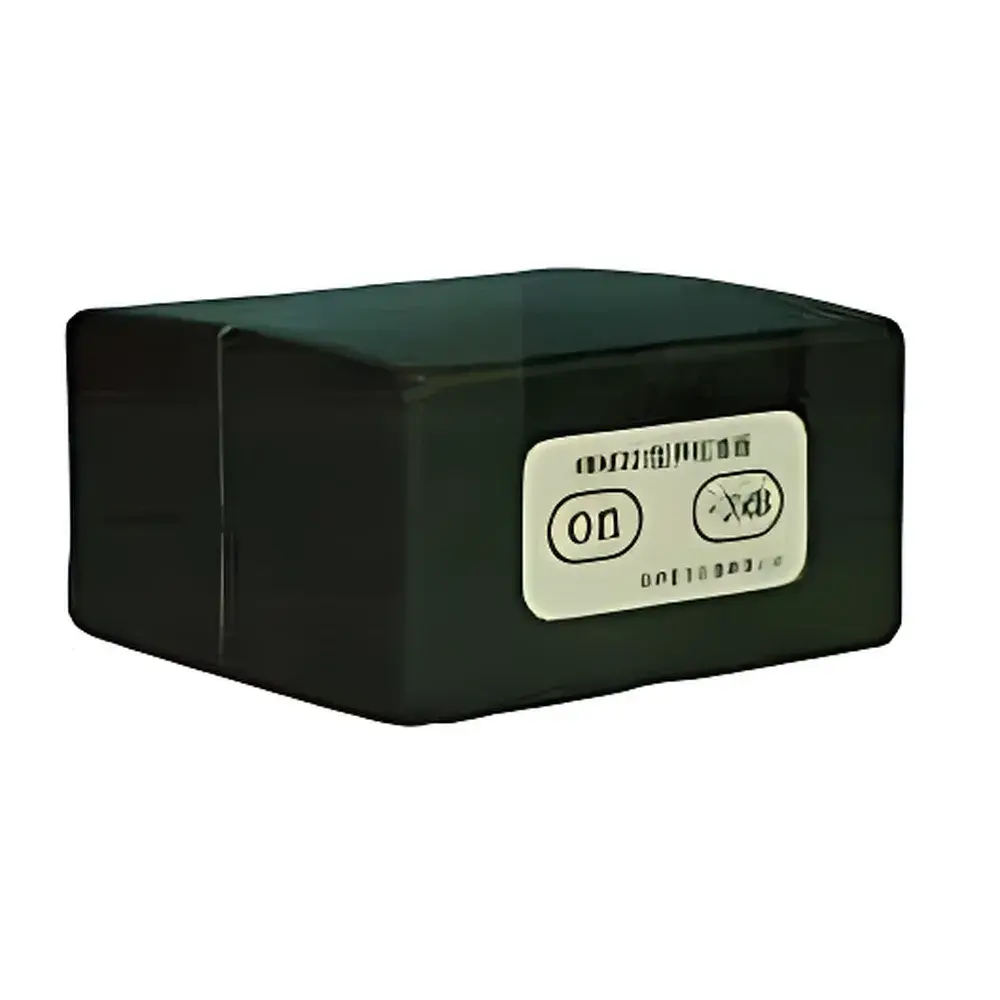
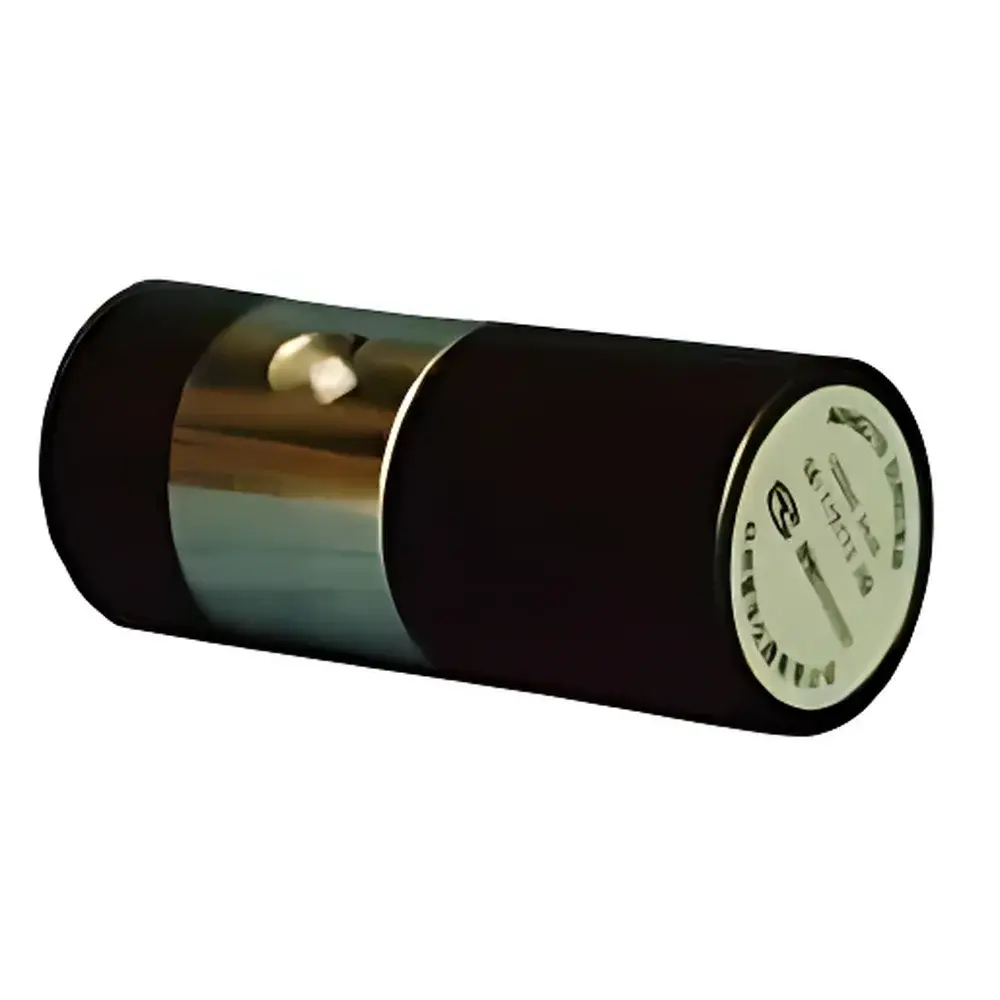
AWA6221 & AWA6221B Precision Acoustic Calibrators
| Origin | Zhejiang, China |
|---|---|
| Manufacturer Type | Authorized Distributor |
| Origin Category | Domestic (China) |
| Model | AWA6221 / AWA6221B |
| Pricing | Available Upon Request |
| Nominal Sound Pressure Level | 94 dB and 114 dB (re 20 µPa) for AWA6221 |
| Frequency | 1 kHz ± 5 Hz (AWA6221) |
| Accuracy Class | Class 1 per GB/T 15173–2010 (AWA6221) |
| Sound Pressure Level Tolerance | ±0.3 dB at 94 dB, ±0.5 dB at 114 dB (AWA6221) |
| Total Harmonic Distortion (THD) | ≤1% at 94 dB |
| Power Supply | 1 × 6F22 (9 V alkaline battery) |
| Compatible Microphone Sizes | 23.77 mm (1″) and 12.7 mm (1/2″) for AWA6221 |
Overview
The AWA6221 and AWA6221B Precision Acoustic Calibrators are portable, battery-powered electroacoustic reference sources engineered for traceable absolute sound pressure calibration of microphones, sound level meters, and other acoustic measurement instrumentation. Designed in strict accordance with the Chinese national standard GB/T 15173–2010 (equivalent to IEC 60942:2017), these calibrators operate on the principle of pistonphone-based compression excitation—generating a stable, sinusoidal acoustic pressure wave at a precisely defined frequency and amplitude. The AWA6221 is certified to Class 1 accuracy, making it suitable for laboratory-grade verification, field metrological audits, and regulatory compliance checks where high confidence in measurement uncertainty is required. The AWA6221B serves as a robust Class 2 alternative optimized for routine field calibration, quality control inspections, and educational applications where moderate accuracy suffices and operational simplicity is prioritized.
Key Features
- Two-tier calibration capability: AWA6221 supports dual-level calibration at 94 dB and 114 dB (re 20 µPa); AWA6221B delivers single-point 94 dB calibration.
- High-frequency stability: AWA6221 maintains 1 kHz ± 5 Hz output with minimal drift over temperature and battery discharge cycles; AWA6221B operates at 1 kHz ± 20 Hz, balancing tolerance and portability.
- Low-distortion acoustic generation: Total harmonic distortion ≤1% at 94 dB ensures minimal spectral contamination during calibration—critical for maintaining integrity in octave-band and FFT-based analyses.
- Compact, self-contained architecture: No external power supply or signal generator required—operates exclusively on a single 9 V alkaline battery (6F22), enabling uninterrupted use in remote locations, industrial sites, and mobile environmental monitoring units.
- Interchangeable coupler design: AWA6221 accommodates both 1″ (23.77 mm) and 1/2″ (12.7 mm) microphone cartridges via precision-machined adapters; AWA6221B is configured exclusively for 1/2″ microphones, reducing mechanical complexity and improving repeatability in standardized QC workflows.
Sample Compatibility & Compliance
These calibrators are validated for use with condenser microphones conforming to IEC 61094–4 and IEC 61672–1 specifications. The AWA6221 meets Class 1 requirements of GB/T 15173–2010, which aligns with ISO/IEC 17025 metrological traceability frameworks and supports audit readiness under GLP and industrial hygiene compliance programs (e.g., OSHA 1910.95, EU Directive 2003/10/EC). The AWA6221B satisfies Class 2 performance criteria, appropriate for periodic functional verification in non-critical occupational noise assessments and environmental baseline surveys. Both models are routinely employed in accredited laboratories performing calibration services compliant with CNAS-CL06:2022 (equivalent to ILAC-G24) and support documented uncertainty budgets per GUM (JCGM 100:2008).
Software & Data Management
While the AWA6221 and AWA6221B are standalone hardware calibrators without embedded firmware or digital interfaces, they integrate seamlessly into modern calibration management ecosystems. When used with compatible sound level meters (e.g., those supporting IEC 61672–3 Annex B auto-calibration routines), they enable automated pass/fail logging and timestamped verification records. Calibration certificates issued by accredited providers—including full uncertainty statements, environmental condition logs (temperature, atmospheric pressure), and traceability chains to NIM (National Institute of Metrology, China)—are generated externally using LIMS-compatible templates. These documents satisfy FDA 21 CFR Part 11 electronic record requirements when stored within validated document control systems.
Applications
- Pre- and post-measurement calibration of integrating-averaging sound level meters in environmental noise mapping (e.g., ISO 1996–2).
- Field verification of personal sound exposure meters (PSEMs) used in occupational hearing conservation programs.
- Reference calibration of laboratory-standard microphones prior to free-field or pressure-field sensitivity determination.
- Validation of acoustic emission sensors in building acoustics testing (ISO 140–3, ISO 717–1).
- Educational demonstration of acoustic transduction principles, pressure calibration hierarchy, and metrological traceability concepts.
FAQ
What standards do the AWA6221 and AWA6221B comply with?
Both models comply with GB/T 15173–2010. The AWA6221 fulfills Class 1 requirements; the AWA6221B fulfills Class 2. This standard is technically aligned with IEC 60942:2017 and referenced in ISO/IEC 17025 calibration scope documentation.
Can the AWA6221B be used to calibrate 1-inch microphones?
No—the AWA6221B is mechanically and acoustically optimized for 1/2-inch (12.7 mm) microphones only. For 1-inch microphone calibration, the AWA6221 with its dual-coupler configuration is required.
How often should these calibrators be recalibrated?
Accredited laboratories recommend annual recalibration against a primary pistonphone standard (e.g., Brüel & Kjær 4228 or GRAS 42AB) to maintain stated accuracy class and uncertainty claims.
Is battery life specified under load conditions?
Yes—continuous operation exceeds 8 hours at 94 dB output with fresh 6F22 alkaline cells. Voltage monitoring circuitry provides audible low-battery warning prior to output deviation beyond ±0.1 dB.
Do these calibrators support temperature compensation?
No—they operate without active thermal regulation. However, their mechanical design minimizes thermal drift; performance specifications assume ambient temperatures between 15 °C and 25 °C, per GB/T 15173–2010 Clause 6.3.
Related Products







