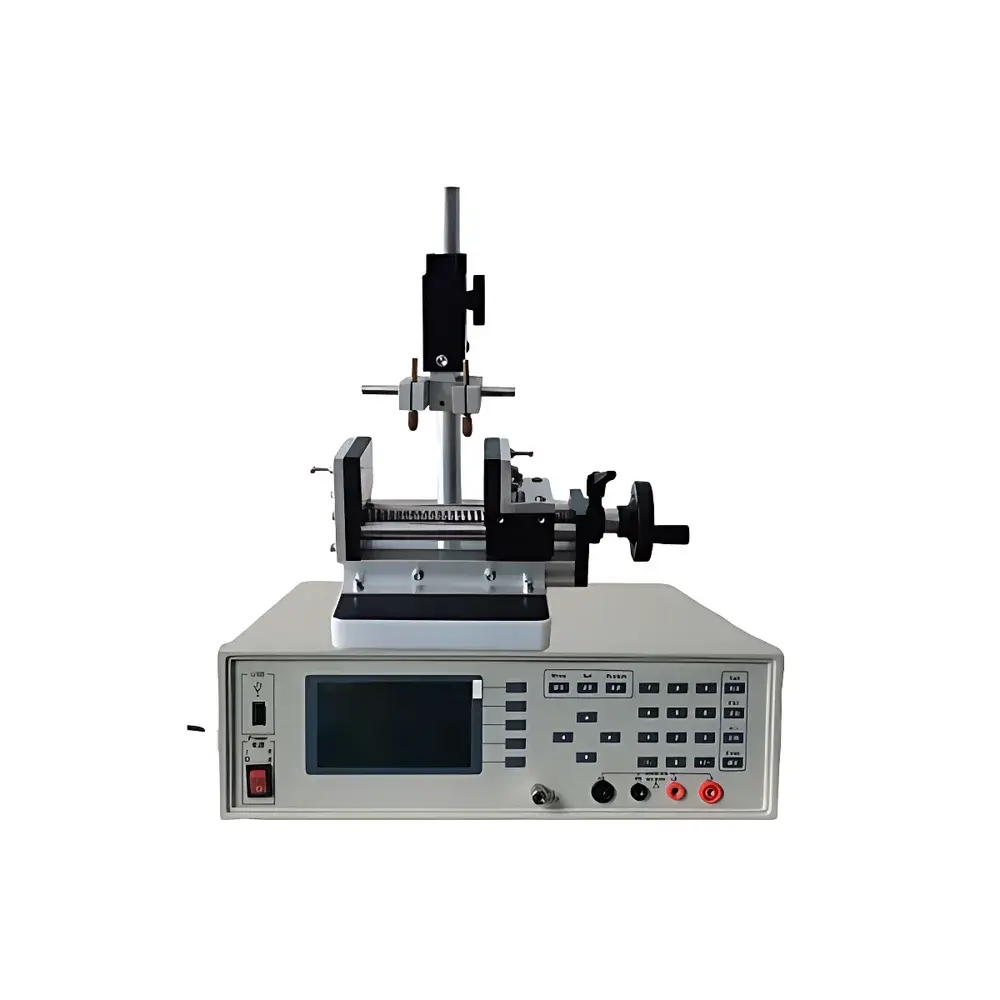
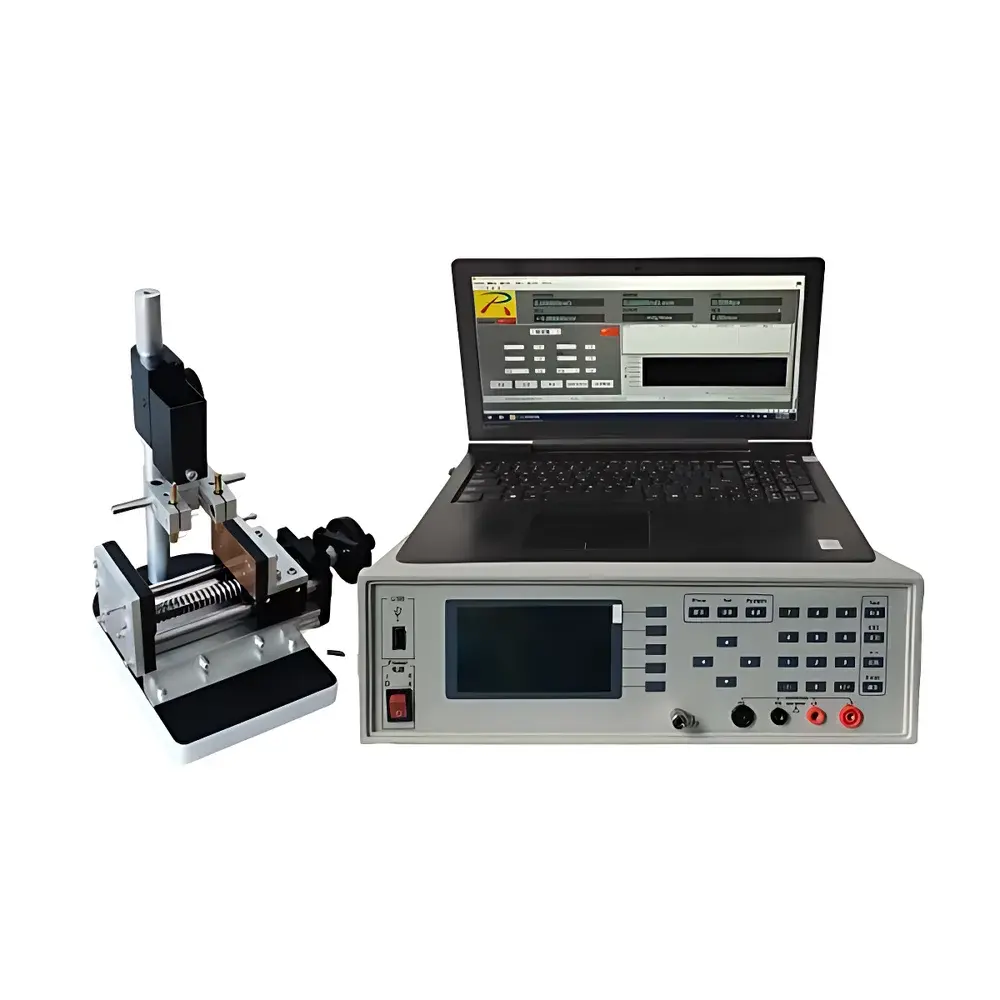
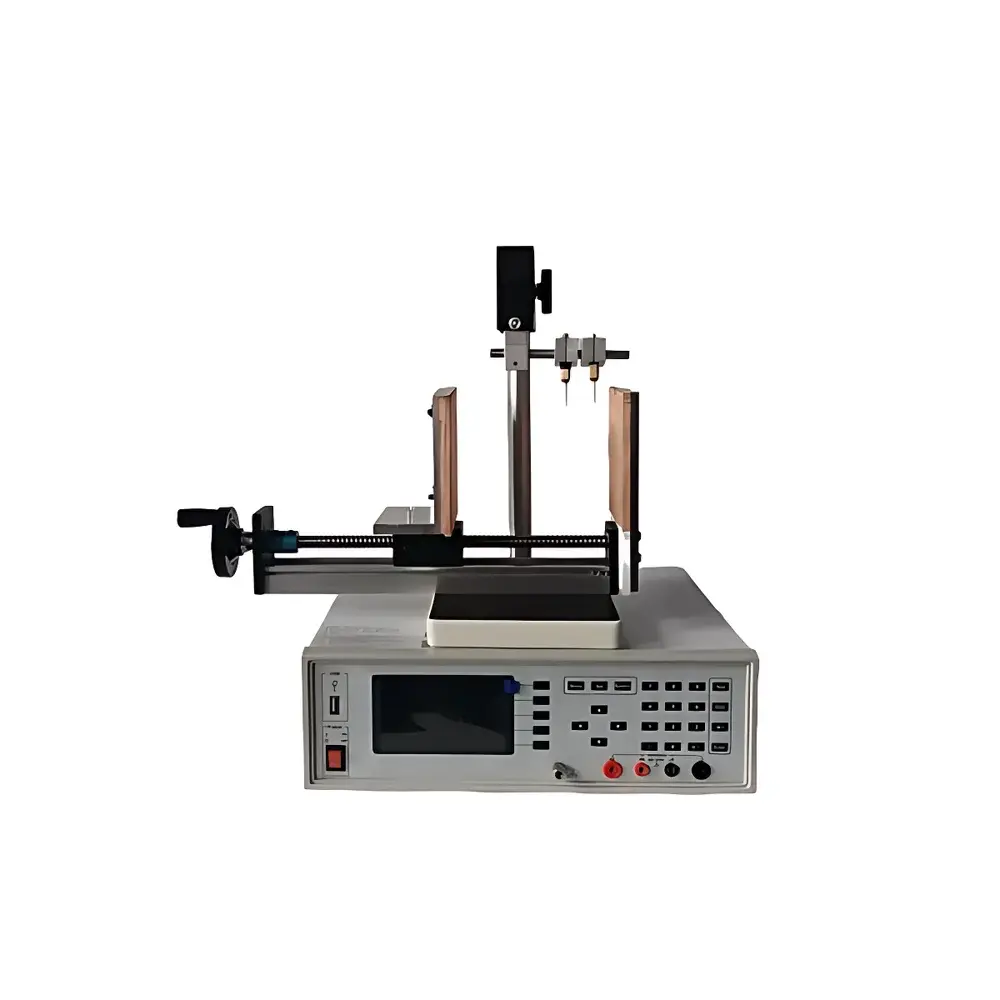
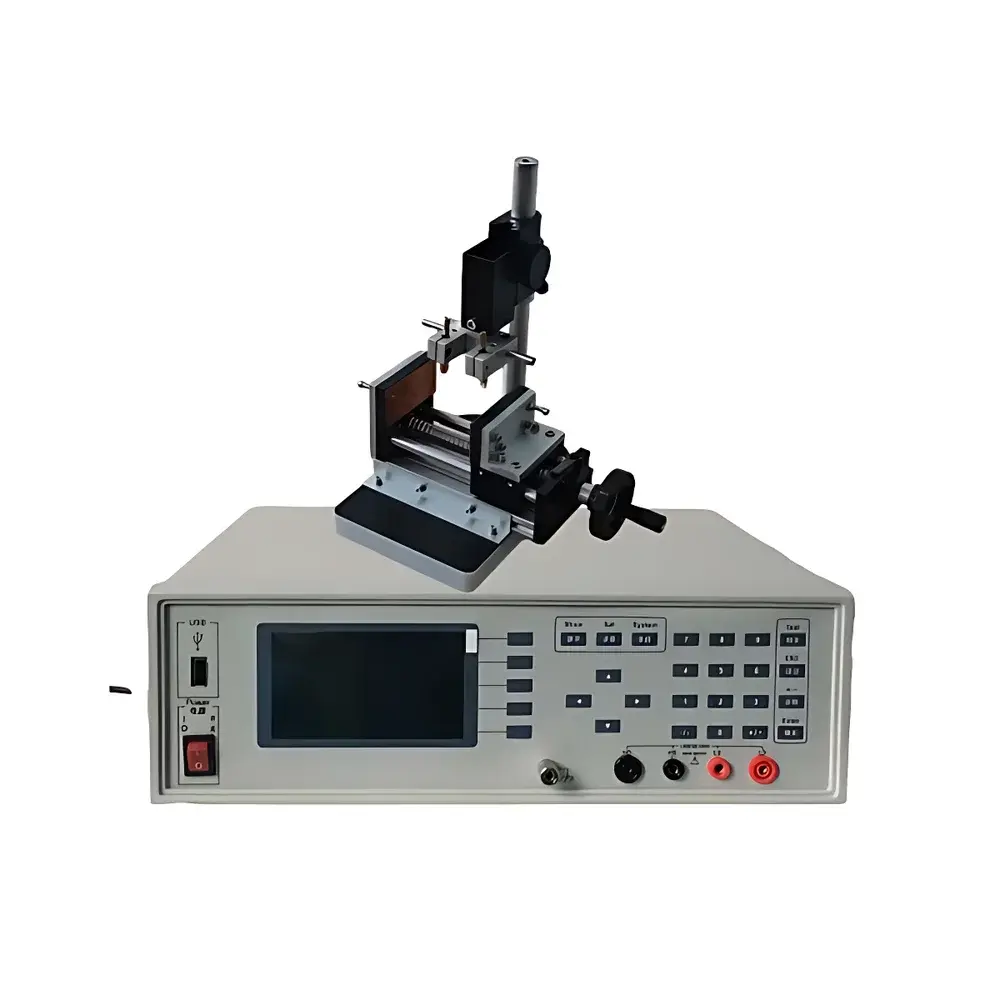
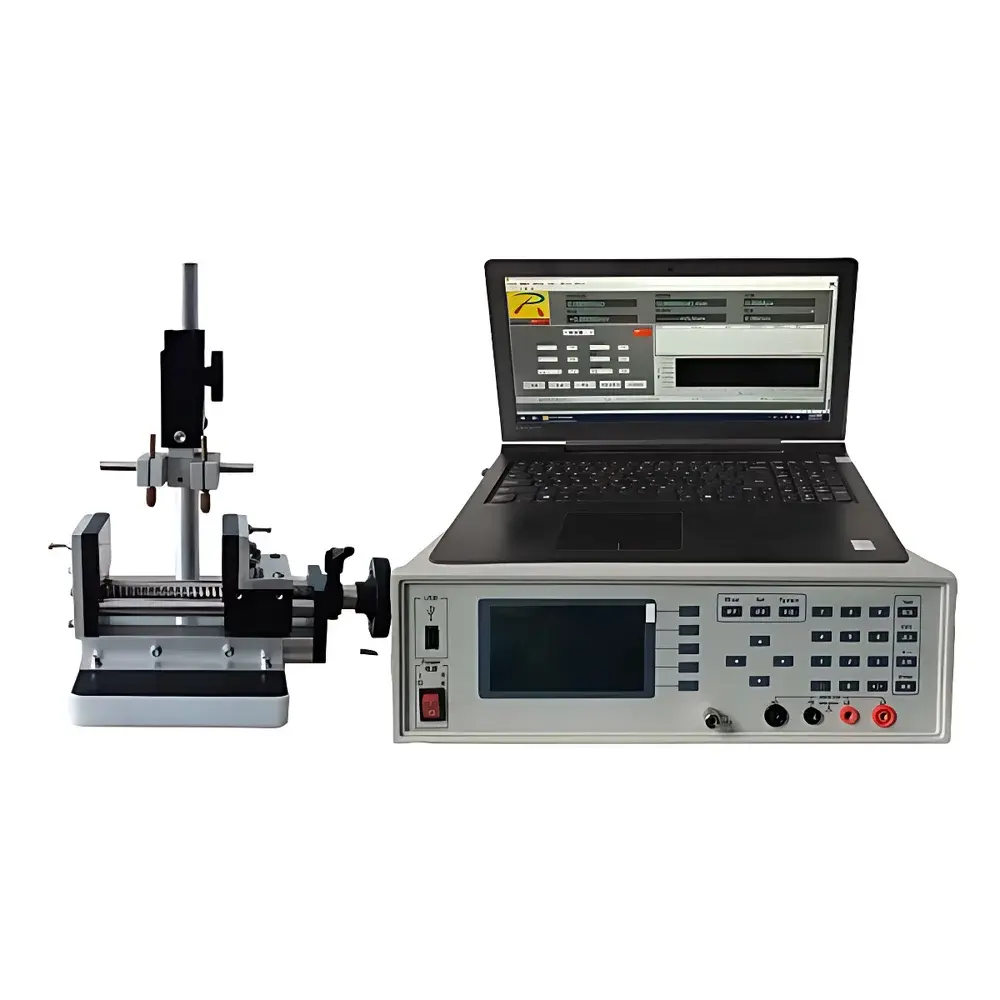
ROOKO FT-300A Series Conductivity Tester for Conductive Materials
| Brand | ROOKO |
|---|---|
| Model | FT-300A Series |
| Measurement Principle | Four-Terminal (Kelvin) Method with Constant Current Source |
| Resistance Range | 10⁻⁸ Ω to 2×10⁷ Ω (FT-320 variant supports 0–10 A high-current output) |
| Resistance Accuracy | ≤ ±0.3% of reading |
| Voltage Resolution | 0.1 µV |
| Temperature Compensation | Built-in, automatic |
| Display | Backlit LCD with bilingual (English/Chinese) interface |
| Data Output | USB interface for optional PC software |
| Compliance | Designed for ISO/IEC 17025-aligned lab environments |
Overview
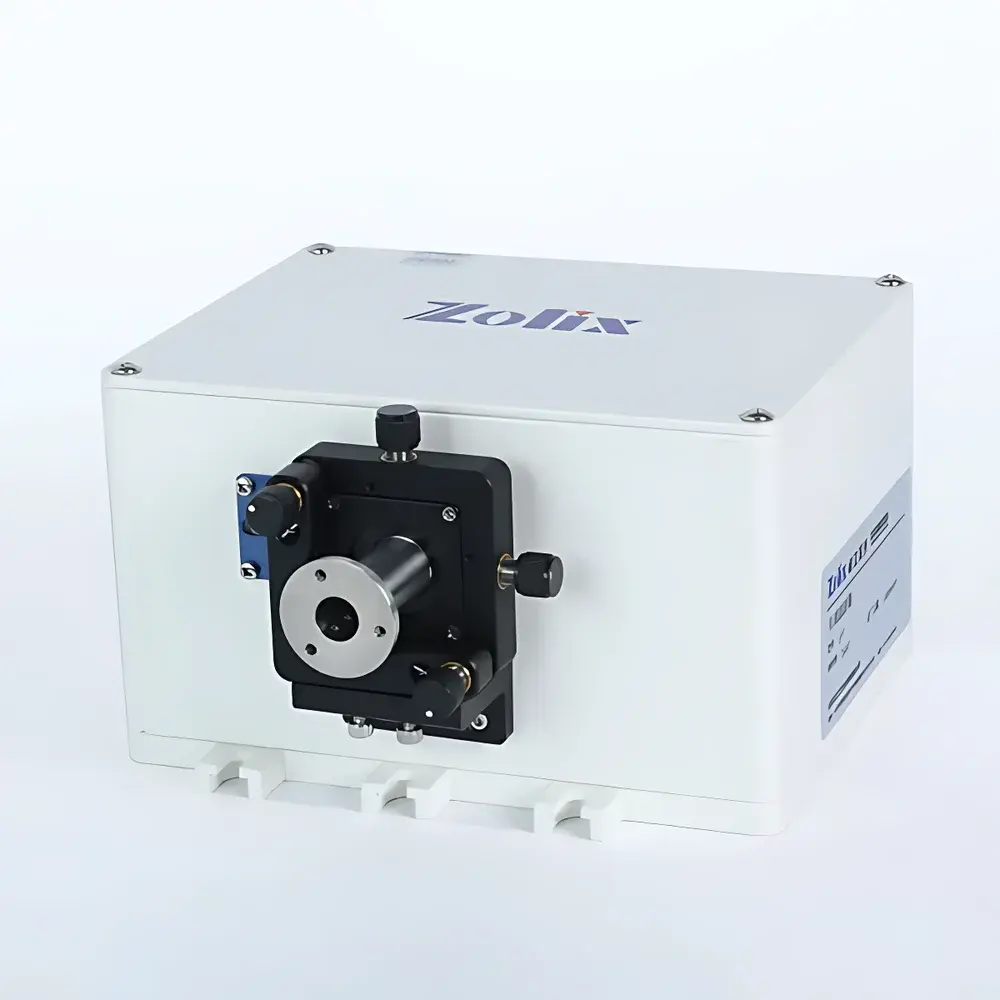
The ROOKO FT-300A Series Conductivity Tester is an engineered solution for precise, traceable measurement of electrical conductivity, resistivity, and DC resistance in bulk conductive materials—including metals, alloys, graphite, conductive polymers, and sintered compacts. It operates on the four-terminal (Kelvin) measurement principle, eliminating lead and contact resistance errors by separating current excitation and voltage sensing paths. A stable, low-noise constant current source—ranging from nanoampere to 10 A (in FT-320 configuration)—ensures high signal-to-noise ratio across six decades of resistance. Integrated real-time temperature compensation corrects measurements to a reference temperature (typically 20 °C), using either built-in sensor inputs or user-defined coefficients per ASTM E1077 and IEC 60468 standards. The instrument is not a generic multimeter; it is purpose-built for metrologically rigorous material characterization where repeatability, long-term stability, and thermal drift mitigation are critical.
Key Features
- Four-terminal (Kelvin) measurement architecture with guarded current source and high-impedance voltage sensing
- Auto-ranging resistance measurement from 10⁻⁸ Ω to 2×10⁷ Ω, with selectable fixed ranges for enhanced resolution
- High-current capability up to 10 A (FT-320 model), enabling low-resistance testing of busbars, weld joints, and thick-section conductors
- Automatic bidirectional current sourcing (±I) to eliminate thermoelectric offset voltages, compliant with IEEE Std 116 and ASTM B193
- 0.1 µV voltage resolution and ≤ ±0.3% resistance accuracy, verified per internal self-calibration routines traceable to NIST-traceable standards
- Real-time temperature compensation with support for PT100, thermistor, or user-input coefficient models
- Bilingual (English/Chinese) graphical LCD interface with intuitive navigation and simultaneous display of R, ρ, σ, and T values
- Unit auto-conversion between Ω, Ω·cm, S/cm, %IACS, and MS/m, with configurable decimal places and scientific notation
Sample Compatibility & Compliance
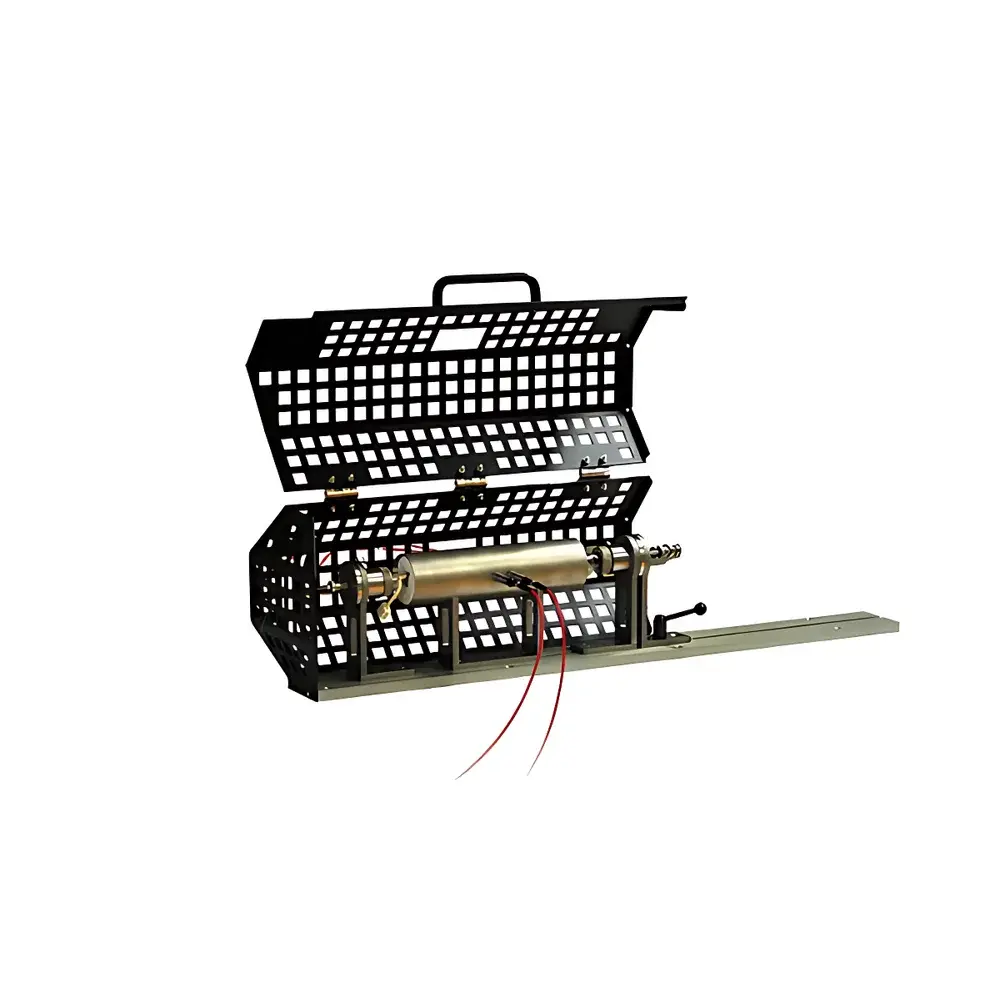
The FT-300A series accommodates solid cylindrical, rectangular, or irregular specimens via standardized four-probe fixtures (e.g., spring-loaded collinear probes, vacuum chuck stages, or custom-machined sample holders). Optional accessories include cryogenic probe stations (−40 °C to +150 °C), high-temperature furnace interfaces, and vacuum-compatible test enclosures. All firmware and hardware design adhere to electromagnetic compatibility (EMC) requirements per EN 61326-1 and safety standards per EN 61010-1. While the base unit does not carry CE or UKCA marking as a standalone product, it is intended for integration into certified test systems under ISO 9001 and ISO/IEC 17025 quality management frameworks. Calibration certificates (including uncertainty budgets) are available upon request and comply with ILAC-MRA guidelines.
Software & Data Management
An optional Windows-based PC application enables automated data logging, statistical analysis (mean, SD, CPK), and report generation in PDF or Excel formats. The software supports 21 CFR Part 11-compliant user access control, electronic signatures, and full audit trail functionality—including timestamped parameter changes, calibration events, and raw measurement exports. Raw data files (.csv or .tdms) retain metadata such as ambient temperature, probe spacing, current magnitude, and compensation status. Exported datasets are structured for direct import into LIMS platforms or MATLAB/Python analysis workflows. Firmware updates are delivered via signed USB packages to ensure integrity and version traceability.
Applications
- Quality assurance of copper rod, aluminum billet, and alloy ingots in wire-drawing and extrusion facilities
- Resistivity mapping of battery electrode coatings and current collector foils (Cu/Al) during R&D and pilot-line validation
- Conductivity verification of EMI shielding gaskets, conductive elastomers, and carbon-fiber composites
- Teaching laboratories for solid-state physics courses covering Drude model validation and Matthiessen’s rule analysis
- Calibration reference for secondary standards in metrology labs performing inter-laboratory comparisons per ISO/IEC 17043
- In-process monitoring of sintering degree in powder metallurgy parts via resistivity trend analysis
FAQ
What standards does the FT-300A series comply with for conductivity measurement?
It supports methodologies defined in ASTM B193 (resistivity of metallic materials), ASTM E1077 (temperature correction), IEC 60468 (electrical resistivity of metals), and ISO 18562 (biocompatibility-related conductivity screening for medical device components).
Can the instrument be used for thin-film or sheet resistance measurements?
No—it is designed for bulk resistivity (ρ in Ω·m) of homogeneous materials ≥1 mm thickness. For sheet resistance (Rₛ in Ω/□), a dedicated four-point probe station with known probe spacing is required.
Is external calibration required annually?
Yes. While internal self-calibration verifies gain and offset, annual external calibration against certified reference resistors (e.g., IET Labs SR104 or Keysight A60) is recommended to maintain ISO/IEC 17025 compliance.
Does the system support automated temperature ramping during measurement?
Not natively—the instrument reads temperature but does not control heating/cooling devices. Integration with third-party thermal controllers via analog I/O or Modbus RTU is possible through custom scripting in the PC software.
What is the maximum allowable thermal EMF for accurate low-resistance readings?
The bidirectional current technique reduces net thermoelectric error to <10 nV, enabling reliable sub-microohm measurements when using copper-copper junctions and shielded twisted-pair cabling.