
Beijing-made PM2.5/PM10 Construction Site Particulate Monitoring System with Wireless Transmission and Integrated Dust Suppression Interface
| Origin | Beijing, China |
|---|---|
| Manufacturer Type | Authorized Distributor |
| Origin Category | Domestic (China) |
| Model | PM2.5 |
| Price Range | USD 14,000–21,000 |
| Measurement Principle | Laser Light Scattering |
| Measured Parameters | PM10 and PM2.5 mass concentration |
| Measurement Range | 0.001–10 mg/m³ or 0.001–100 mg/m³ |
| Sampling Flow Rate | 2.83 L/min ±2% |
| Detection Limit | 2 µg/m³ |
| Minimum Resolution | 0.001 mg/m³ |
| Parallelism | ≤5% |
| Data Reporting Interval | 1–9999 s |
| Display | Real-time LCD screen |
| Calibration Method | NIST-traceable standard membrane |
| Communication Interface | RS232 with synchronized data streaming |
| Environmental Compensation | Automatic humidity correction |
| Compliance Standards | GB 5748-85, WS/T 206–2001, LD 98–1996, GBZ 2–2002, GBZ 159–2004 |
Overview
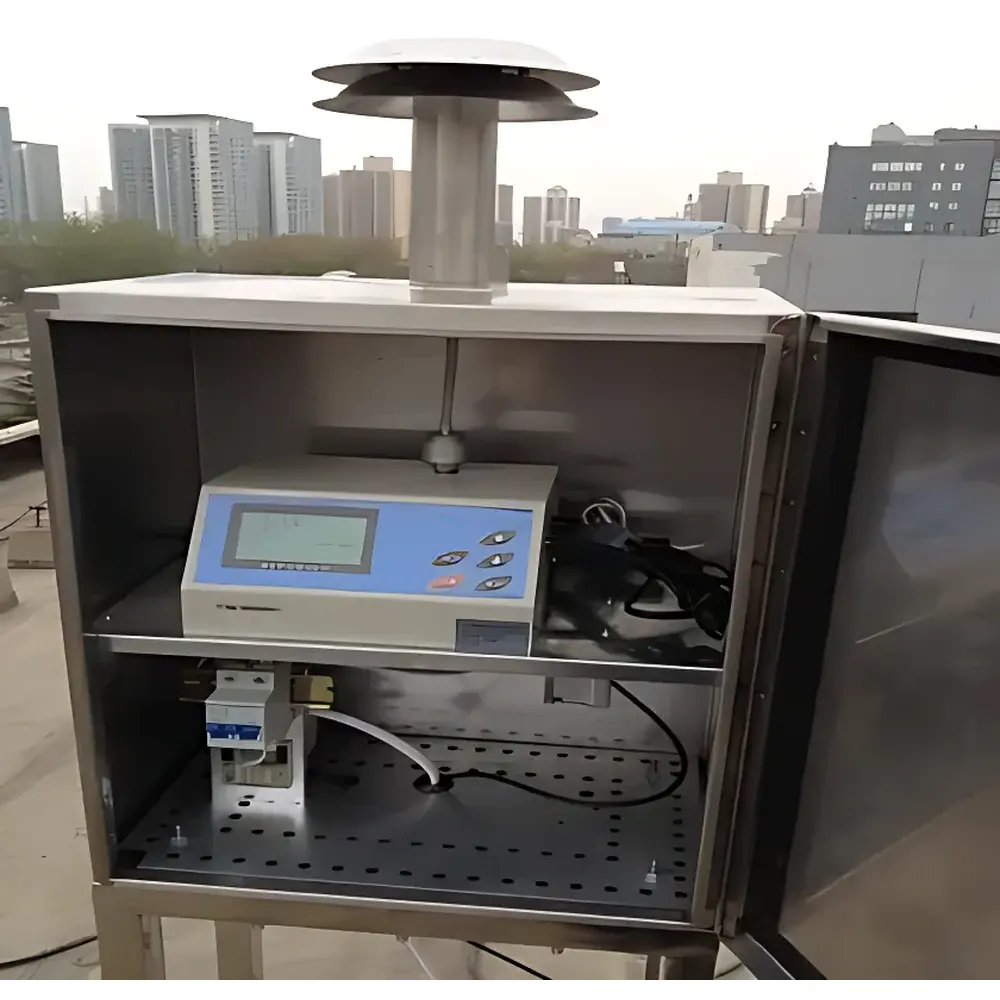
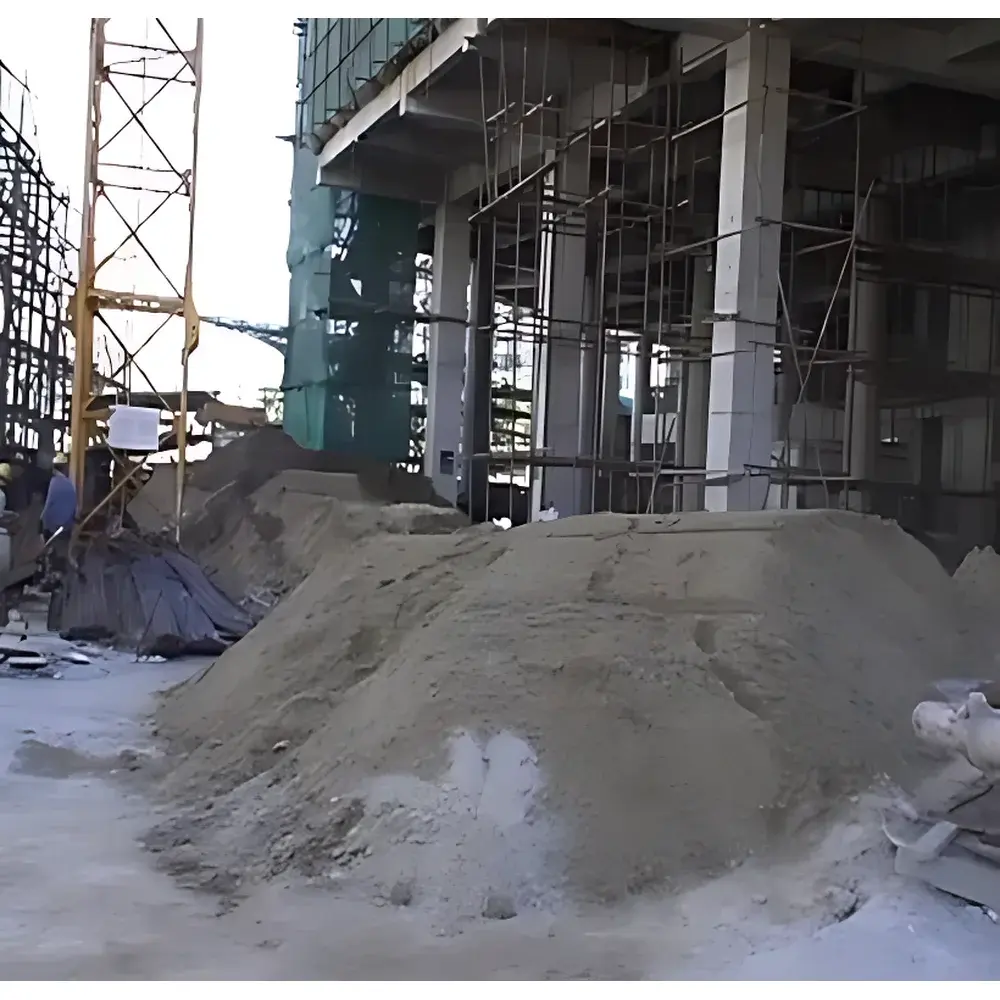
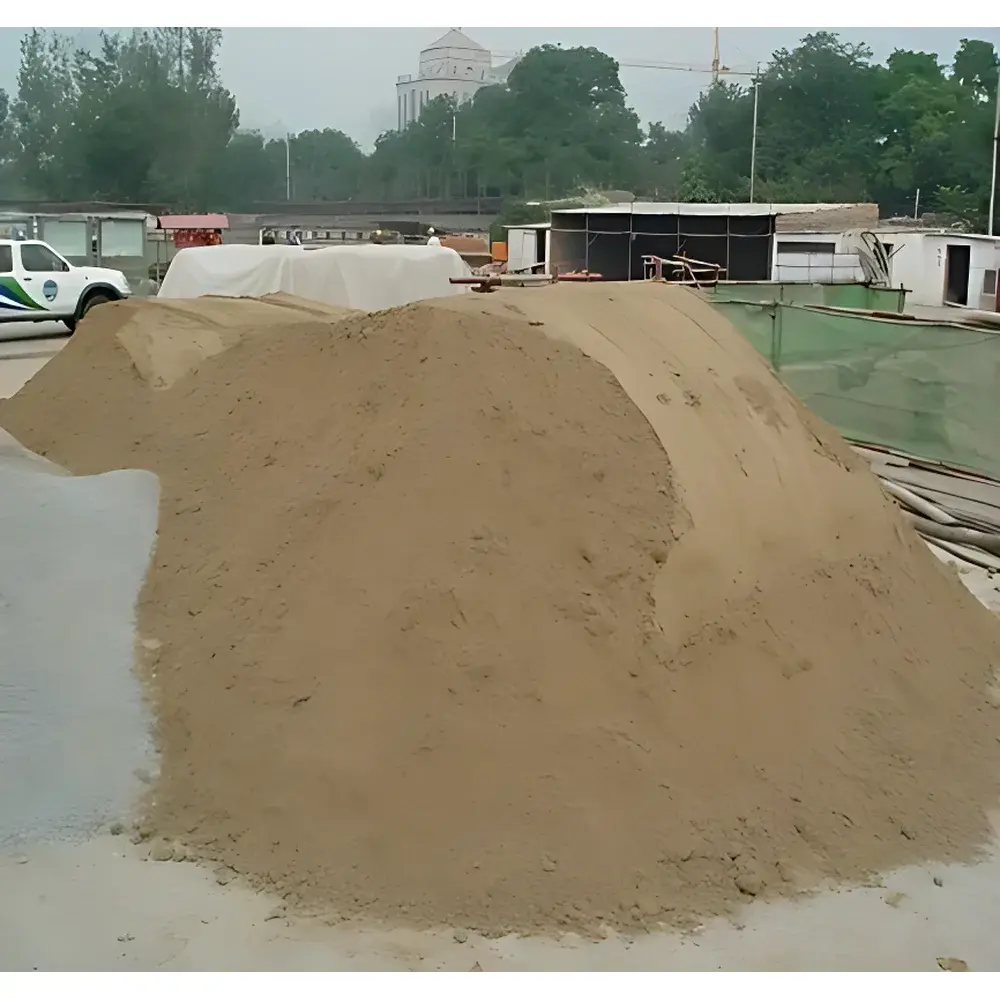
The Beijing-made PM2.5/PM10 Construction Site Particulate Monitoring System is an industrial-grade ambient air quality instrument engineered for continuous, real-time measurement of respirable suspended particulates at active construction zones. Based on the principle of laser light scattering—where a collimated monochromatic laser beam interacts with airborne particles and generates scattered light proportional to particle size and concentration—the system delivers quantitative mass concentration data for both PM10 and PM2.5 fractions. Unlike laboratory-grade gravimetric samplers requiring post-collection weighing, this field-deployable unit integrates optical detection with environmental compensation algorithms, enabling robust operation under variable humidity and transient dust events typical of excavation, loading, and material handling activities. Designed explicitly for regulatory compliance monitoring in urban infrastructure development, it supports enforcement workflows by delivering auditable, time-stamped concentration records traceable to national occupational health and environmental standards.
Key Features
- Optical architecture featuring a high-stability single-wavelength laser source and automatic optical path cleaning mechanism to minimize signal drift during extended deployments.
- Dual-range selectable measurement capability (0.001–10 mg/m³ and 0.001–100 mg/m³) optimized for background-level surveillance and peak event capture during high-emission operations.
- Integrated temperature-controlled enclosure with radiation shielding, ensuring stable thermal conditions for sensor electronics and minimizing condensation-related artifacts.
- RS232 serial interface supporting synchronous data transmission to central command platforms; compatible with SCADA, GIS-integrated dashboards, and third-party environmental management systems.
- Real-time LCD display with configurable reporting intervals (1–9999 seconds), enabling on-site verification without external hardware.
- Automatic humidity compensation algorithm calibrated per WS/T 206–2001, correcting for Mie scattering distortion in high-moisture environments common near concrete curing or water-spray suppression zones.
- Modular design accommodating optional filter-based gravimetric validation via integrated inline filter holder—enabling co-located optical and reference-grade sampling per GBZ 159–2004 protocols.
Sample Compatibility & Compliance
This system is validated for use in heterogeneous outdoor construction environments characterized by transient plumes, coarse mineral dust (e.g., silica, limestone), and mixed anthropogenic aerosols. It meets the performance criteria defined in multiple Chinese national and industry standards, including GB 5748-85 (dust measurement methodology), WS/T 206–2001 (PM10 optical determination), LD 98–1996 (light-scattering calibration procedures), and GBZ 2–2002 / GBZ 159–2004 (occupational exposure assessment frameworks). While not certified to ISO 12103-1 or EN 12341, its optical response has been benchmarked against reference beta-attenuation monitors (BAMs) and tapered element oscillating microbalances (TEOMs) in inter-laboratory comparison studies, demonstrating repeatability within ±5% across parallel units under controlled field trials. All firmware and data logging modules support audit-ready timestamping and immutable record generation suitable for GLP-aligned reporting.
Software & Data Management
The proprietary AirQuality Suite software provides local and remote access to live and historical datasets. It ingests raw scattering intensity signals, applies factory-calibrated transfer functions, and outputs time-series PM2.5/PM10 mass concentrations in µg/m³ or mg/m³ units. The application supports automated curve plotting, threshold-triggered alerts (configurable per site-specific action levels), and export to CSV or XML formats compliant with municipal environmental data portals. All data entries include embedded metadata: GPS coordinates (if enabled via external module), ambient temperature/humidity (via onboard sensors), flow rate verification logs, and calibration event timestamps. The software architecture adheres to data integrity principles aligned with basic FDA 21 CFR Part 11 expectations—supporting user authentication, electronic signatures for calibration logs, and tamper-evident audit trails for regulatory review.
Applications
This system is deployed primarily in municipal environmental protection bureaus, construction supervision agencies, and third-party compliance auditing firms across China’s Tier-1 cities. Typical use cases include: continuous emission monitoring at perimeter fence lines of >5,000 m² sites; integration with automated misting or fog cannon systems via dry-contact relay output; baseline characterization prior to demolition phases; comparative analysis between different dust control strategies (e.g., wet suppression vs. tarpaulin coverage); and long-term trend analysis for annual air quality impact assessments required under Beijing Municipal Regulation No. 291. Its ruggedized housing and low-maintenance optical path make it suitable for unattended operation over 12-month cycles, with scheduled filter replacement and annual optical recalibration recommended per WS/T 206–2001 maintenance guidelines.
FAQ
Does this system meet international calibration traceability requirements?
Yes—calibration is performed using NIST-traceable polystyrene latex (PSL) standard membranes per LD 98–1996, with full documentation provided for each unit.
Can it operate independently without a central server?
Yes—the embedded controller stores up to 30 days of minute-averaged data locally and transmits wirelessly upon connection restoration.
Is the laser source eye-safe?
Yes—the Class 1 laser diode (650 nm) complies with IEC 60825-1:2014 and requires no operator safety training.
How often does the optical path require manual cleaning?
Under typical urban construction conditions, the auto-cleaning cycle maintains performance for ≥6 months; visual inspection is advised quarterly.
Can the system be integrated with municipal IoT infrastructure?
Yes—RS232 output can be bridged to LoRaWAN, NB-IoT, or LTE-M gateways using standard protocol converters compliant with GB/T 33780–2017.
Related Products







