
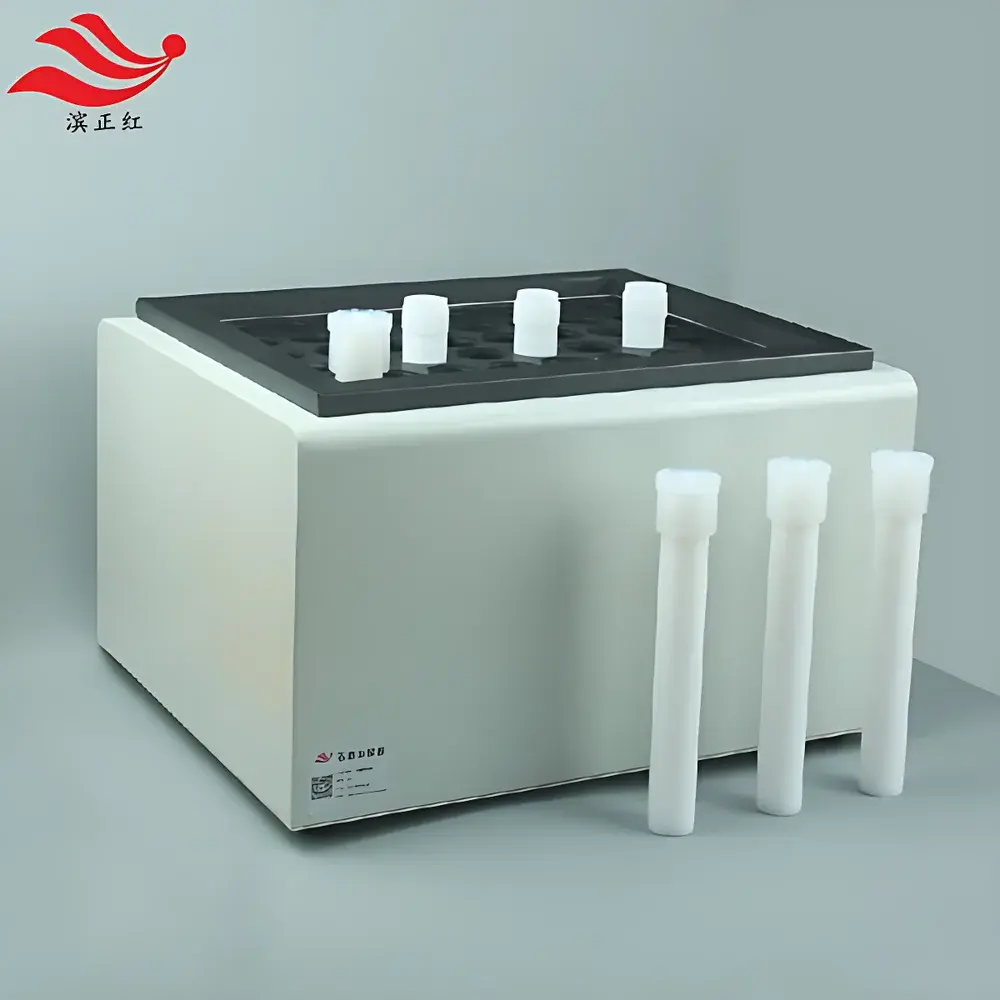
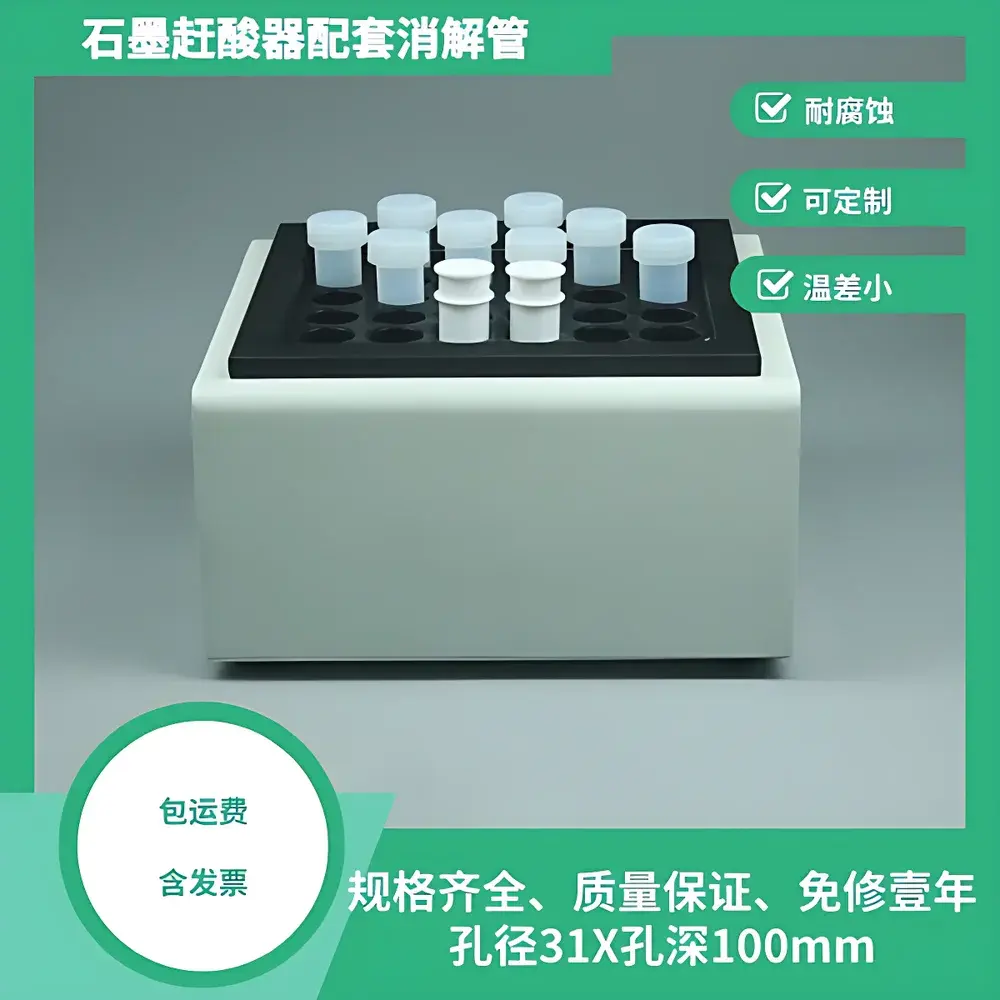
Binzhenghong NJ-XJ-48 Graphite Block Digestion System for Soil Sample Preparation
| Brand | Binzhenghong |
|---|---|
| Origin | Jiangsu, China |
| Manufacturer Type | Direct Manufacturer |
| Product Category | Domestic |
| Model | NJ-XJ-48 |
| Heating Power | 1.5–2 kW |
| Max Temperature Range | Ambient to 260–400 °C |
| Temperature Uniformity | ±1 °C |
| Plate Dimensions | 33 × 33 × 16 cm |
| Heating Zone Dimensions | 33 × 33 × 16 cm |
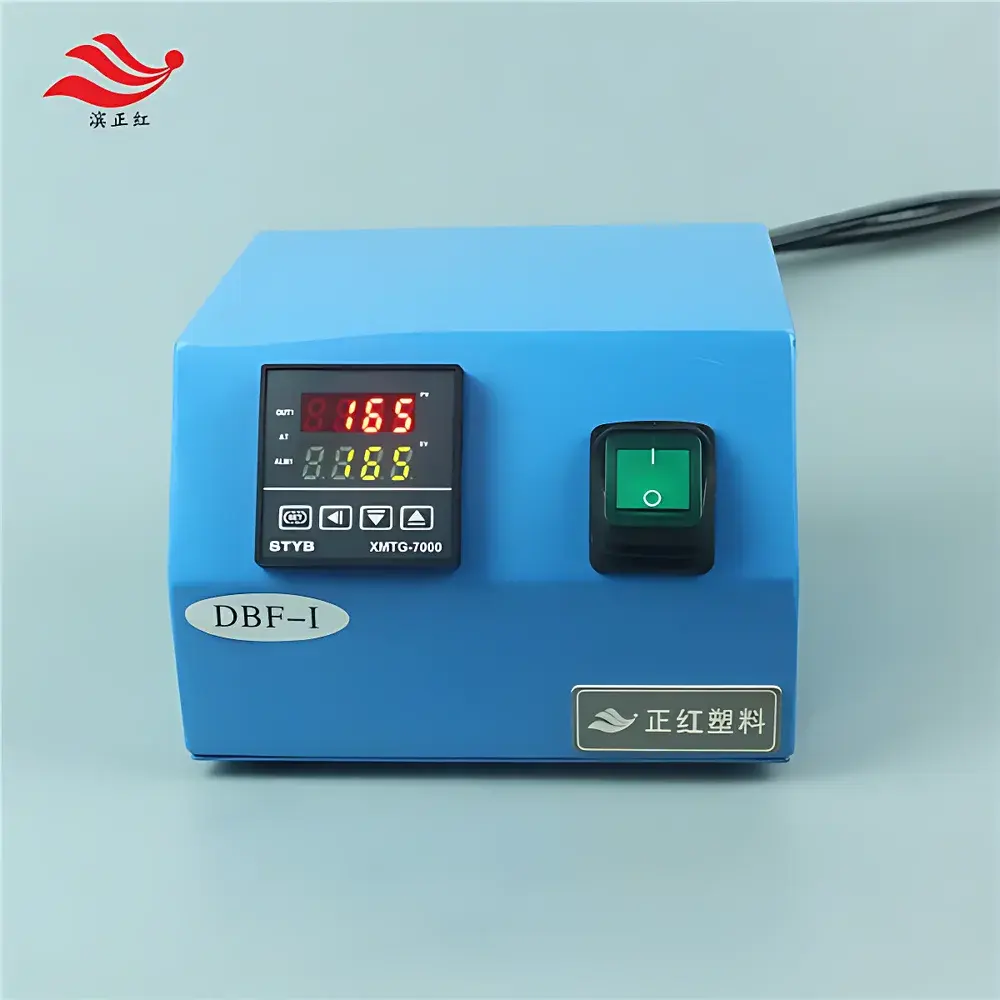
| Control & Display | PID Digital Temperature Controller |
Overview
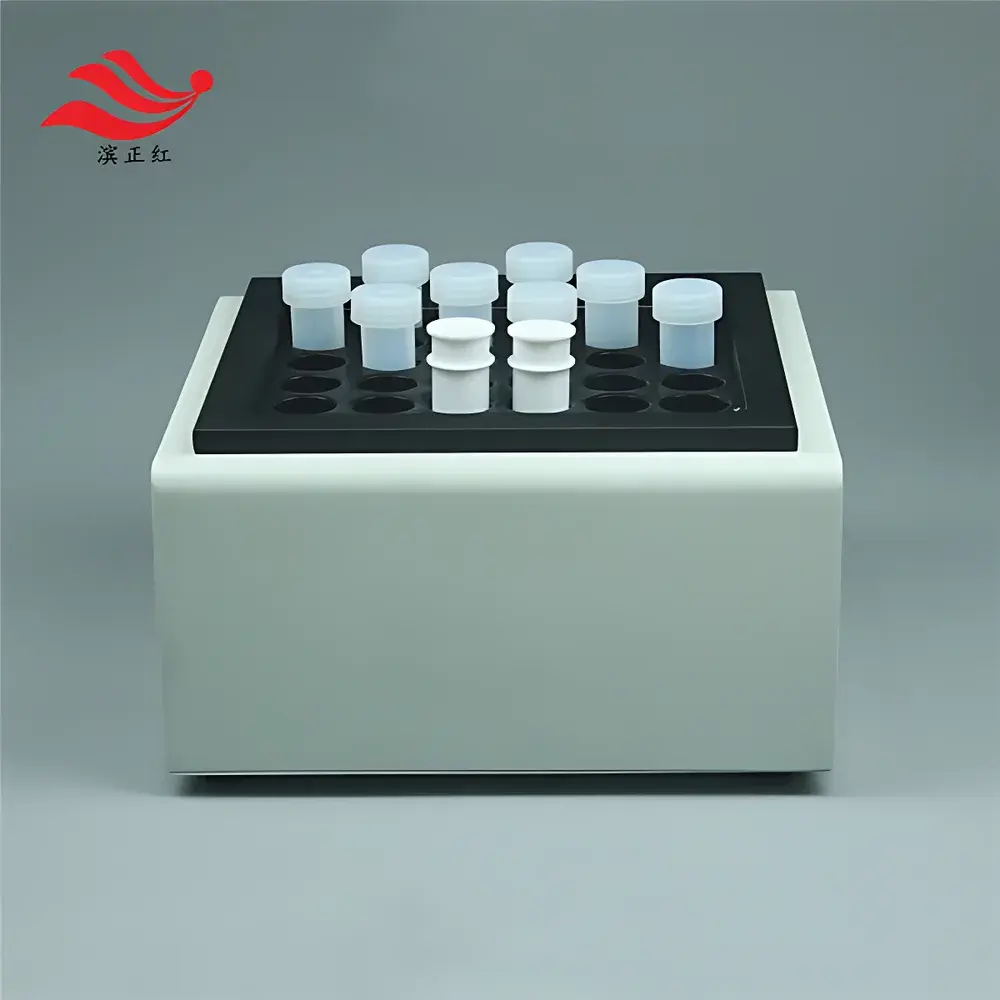
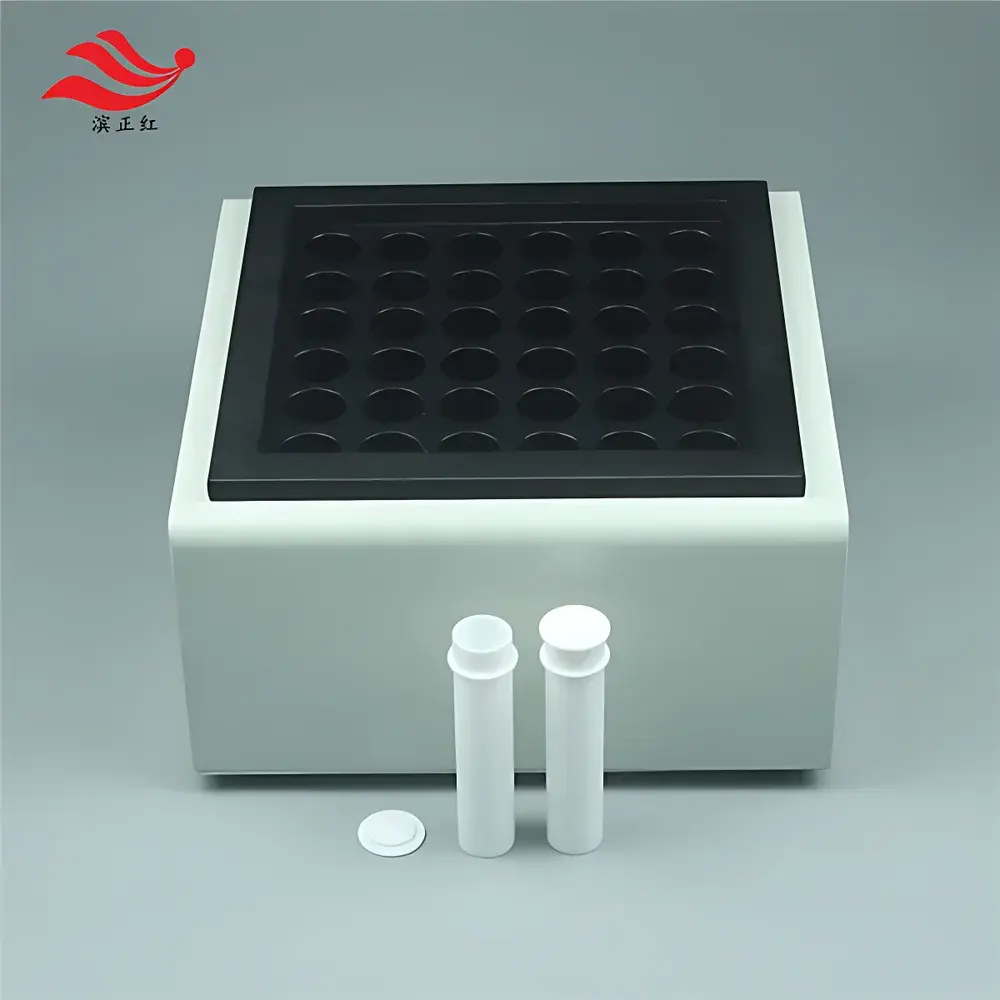
The Binzhenghong NJ-XJ-48 Graphite Block Digestion System is a precision-engineered, high-capacity sample digestion platform designed specifically for soil, sediment, sludge, and environmental solid matrices. It employs a monolithic high-purity graphite heating block with integrated PTFE-coated cavities to deliver uniform, controllable conductive heating—based on the principle of direct thermal conduction through inert, chemically resistant graphite. Unlike open hot plates or ceramic heaters, this system utilizes circumferential, bottom-and-side-contact heating geometry to minimize radial temperature gradients and maximize energy transfer efficiency. The result is reproducible, low-variability digestion across all 48 positions—critical for compliance-driven workflows in environmental laboratories where inter-sample consistency directly impacts method validation outcomes per EPA 3050B, ISO 11466, and GB/T 22105 series standards.
Key Features
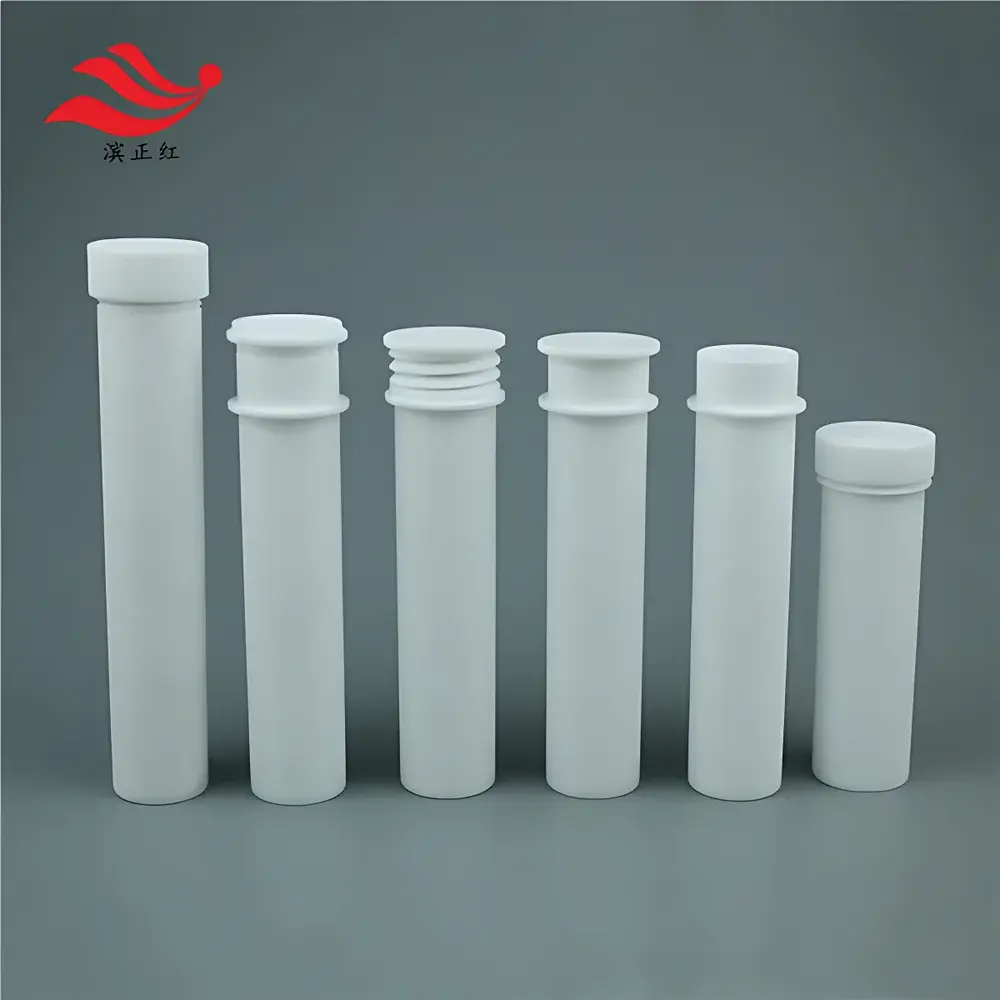
- 48-position graphite digestion block with precision-machined, PTFE-impregnated wells (compatible with 31 × 100 mm digestion tubes, 55 mL microwave vials, crucibles, and custom-sized vessels)
- PID-controlled digital temperature regulation with ±1 °C uniformity across the entire heating surface and ≤±0.1 °C setpoint stability under load
- Operating range from ambient to 400 °C, programmable in 1 °C increments; optimized ramp-and-hold profiles support EPA 3050B acid leaching (e.g., HNO₃ + HCl at 140 °C for 2 h)
- Full enclosure design minimizes acid vapor dispersion, protects internal electronics from corrosive fumes, and reduces ambient heat loss by >35% versus open-heating systems
- Graphite substrate reinforced with fluoropolymer composite coating—resistant to concentrated HNO₃, HF, HCl, H₂O₂, and organic solvents over extended thermal cycling
- Integrated safety features including overtemperature cutoff, auto-shutdown on lid removal, and grounded chassis conforming to IEC 61010-1 Class II requirements
Sample Compatibility & Compliance
The NJ-XJ-48 accommodates standard digestion vessels manufactured from PTFE, PFA, PP, quartz, and borosilicate glass—enabling seamless integration with existing labware inventories. Its thermal profile meets method-specific requirements for regulatory-compliant sample preparation, including but not limited to: EPA Method 3050B (acid digestion of sediments and soils), EPA Method 3060A (alkaline digestion for Cr(VI)), ISO 11466 (extraction of trace metals from soils), and Chinese national standards GB/T 17138–1997 and GB/T 22105.1–2008. All temperature logging data—including ramp rate, dwell time, and real-time block temperature—is timestamped and exportable for GLP/GMP audit trails. Optional RS-485 or USB interface supports 21 CFR Part 11–compliant electronic recordkeeping when paired with validated LIMS software.
Software & Data Management
While the base unit operates via standalone PID controller with LED display, optional firmware upgrades enable PC-based control via Modbus RTU protocol. Users can define multi-step temperature programs (up to 10 segments), monitor real-time thermal response curves, and log data at user-selectable intervals (1–60 s). Export formats include CSV and Excel-compatible .xlsx, facilitating post-run statistical analysis of inter-well variance (RSD < 1.2% typical at 140 °C). Audit logs retain operator ID, program name, start/stop timestamps, and deviation alerts—fully traceable for ISO/IEC 17025 accreditation assessments.
Applications
This system serves as a primary digestion workhorse in environmental testing labs performing heavy metal analysis (As, Cd, Cr, Cu, Ni, Pb, Zn, Hg) in soils, dredged sediments, compost, and industrial waste. It is equally suited for agricultural labs quantifying nutrient elements (K, P, Mg) in plant tissues and fertilizers; food safety labs conducting contaminant screening in crops, dairy powders, and seafood; and R&D facilities developing novel extraction protocols for emerging contaminants (e.g., PFAS precursors, rare earth elements). Its robust thermal architecture supports both batch-wise total digestion and sequential leaching schemes aligned with BCR and Tessier fractionation methodologies.
FAQ
What vessel types are compatible with the NJ-XJ-48?
Standard 31 × 100 mm PTFE/PFA digestion tubes, 55 mL microwave vials (29 × 160–170 mm), quartz crucibles, and borosilicate beakers up to 100 mL volume.
Does the system support method-defined temperature ramps?
Yes—via optional PC interface, users can configure up to 10-stage programs with independent ramp rates (0.1–20 °C/min) and hold durations (1 min to 99 h 59 min).
Is calibration traceable to national standards?
Each unit ships with a factory calibration certificate (NIST-traceable reference thermocouple), and field recalibration is supported using external Class A Pt100 probes.
How is corrosion resistance verified?
Coating integrity is validated per ASTM D1748 (humidity resistance) and ASTM D1308 (chemical resistance), with accelerated aging tests confirming no delamination after 500 cycles at 200 °C in 6 M HNO₃ vapor.
Can the system be integrated into automated sample prep lines?
Yes—the RS-485 port enables handshake communication with robotic liquid handlers and autosamplers compliant with SCPI or Modbus TCP protocols.
Related Products



