
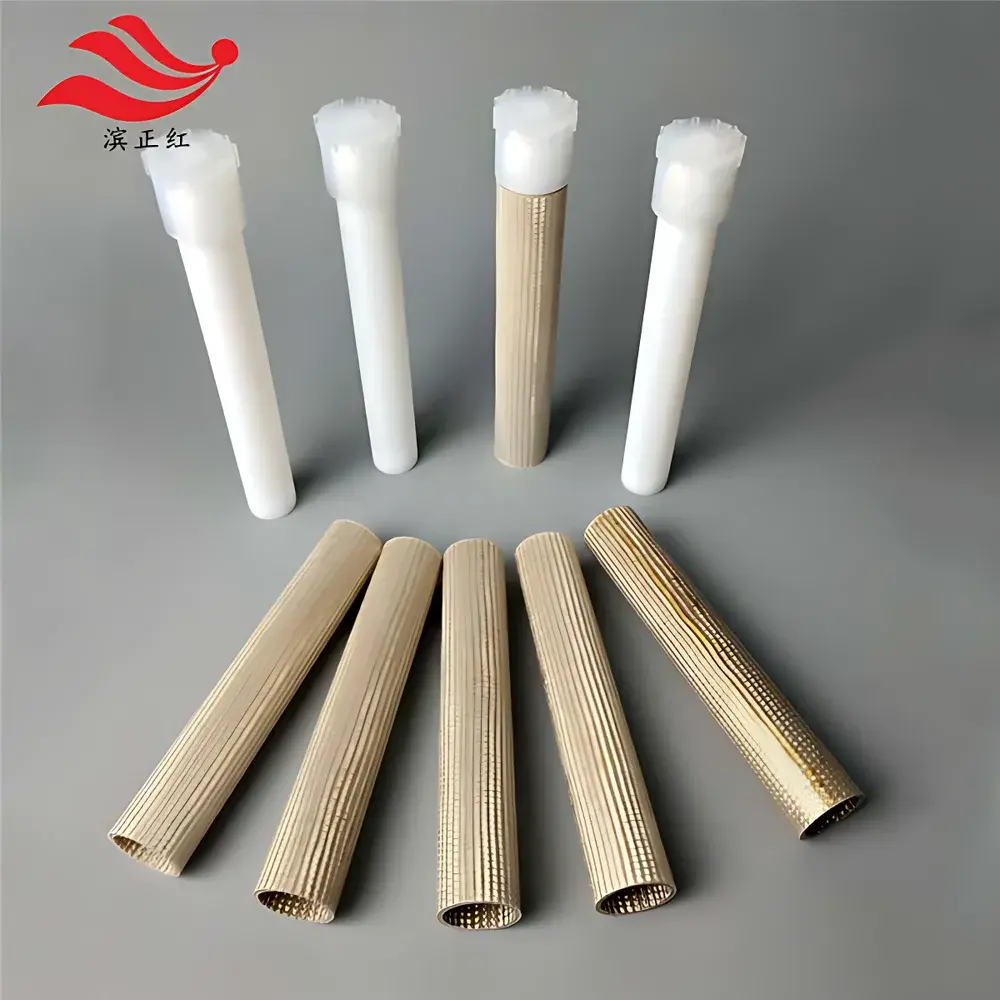
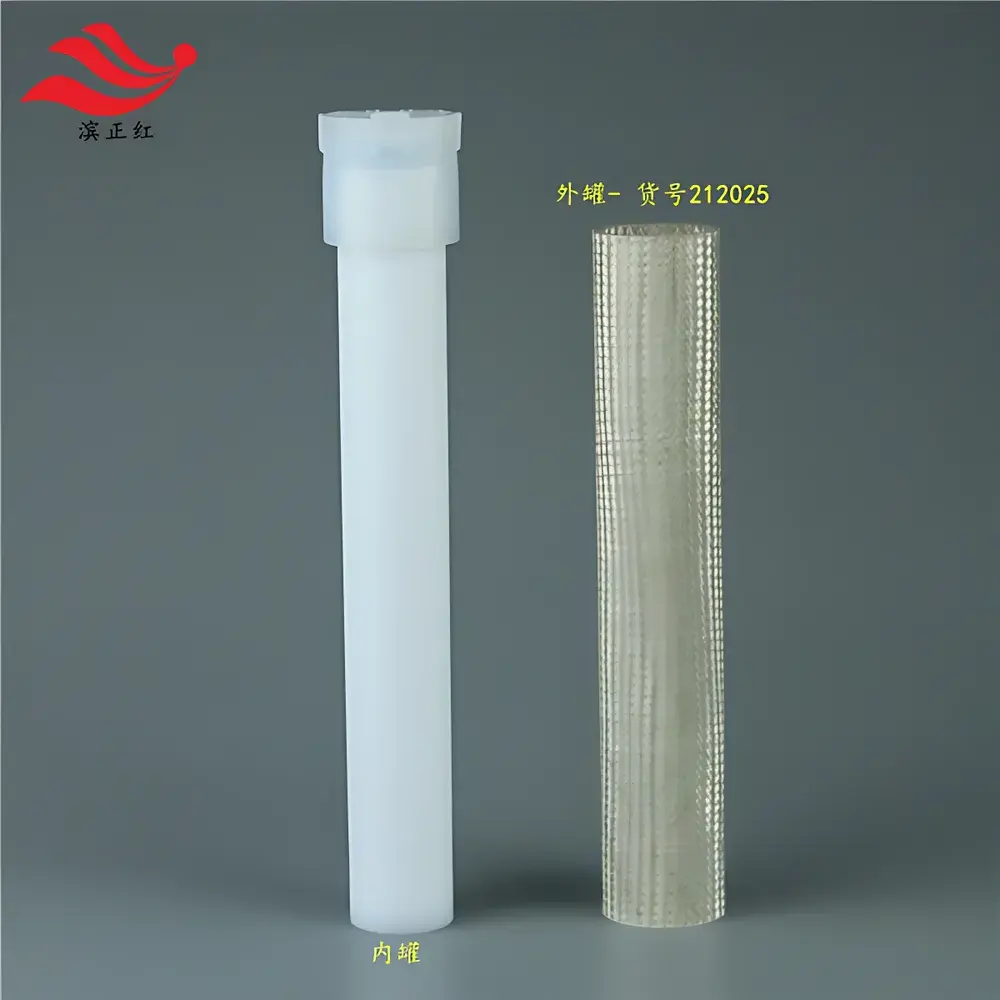
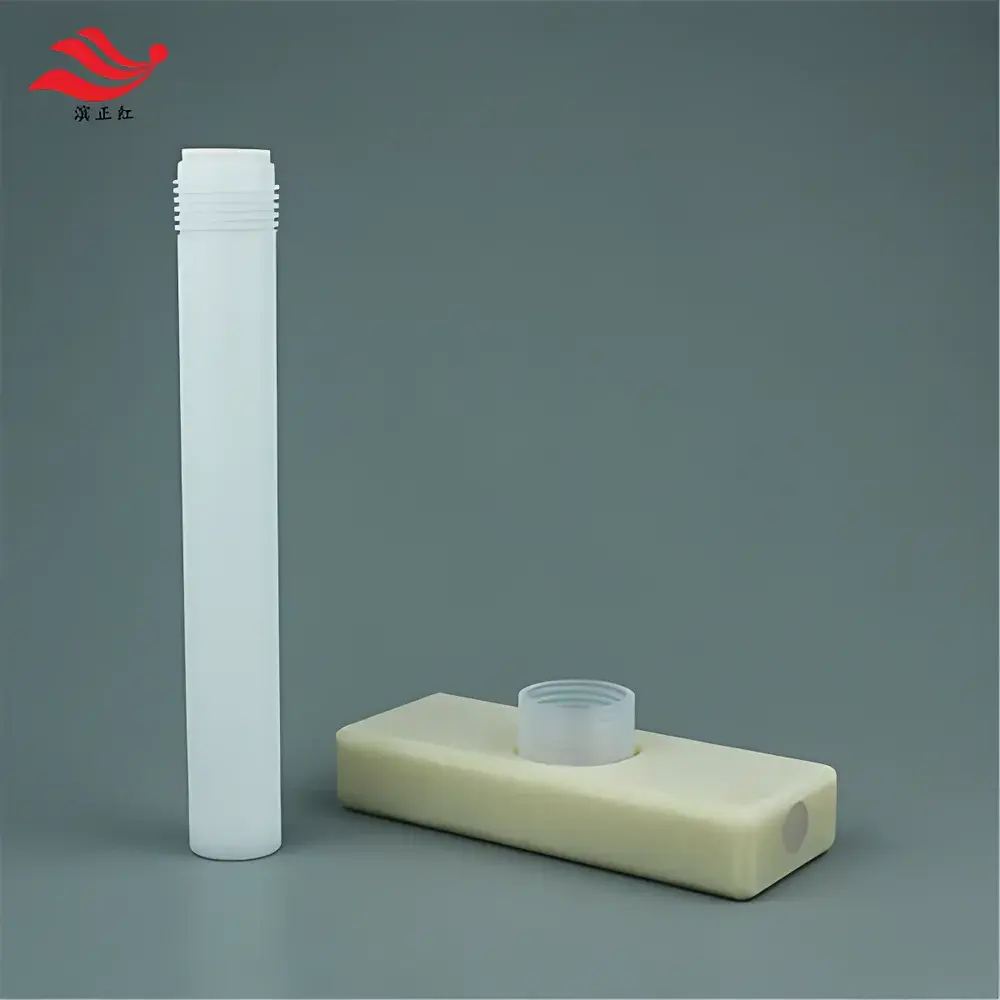
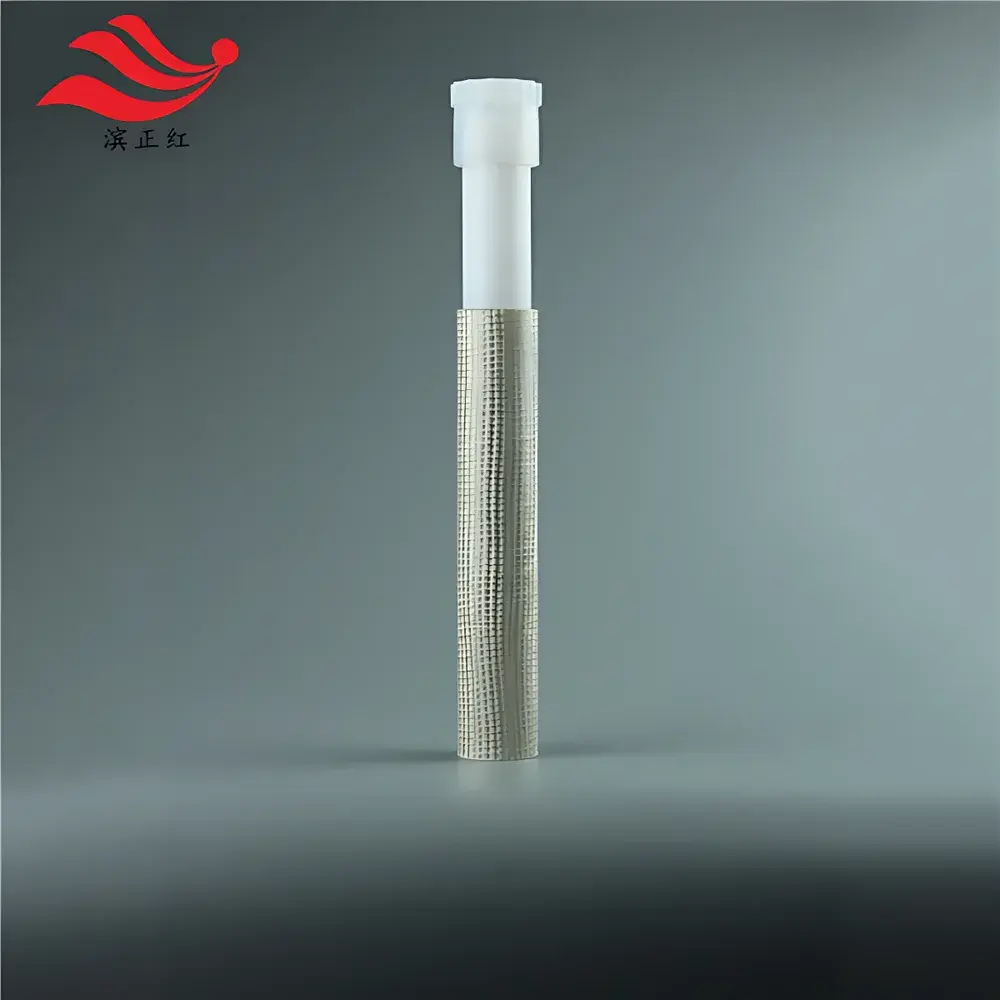
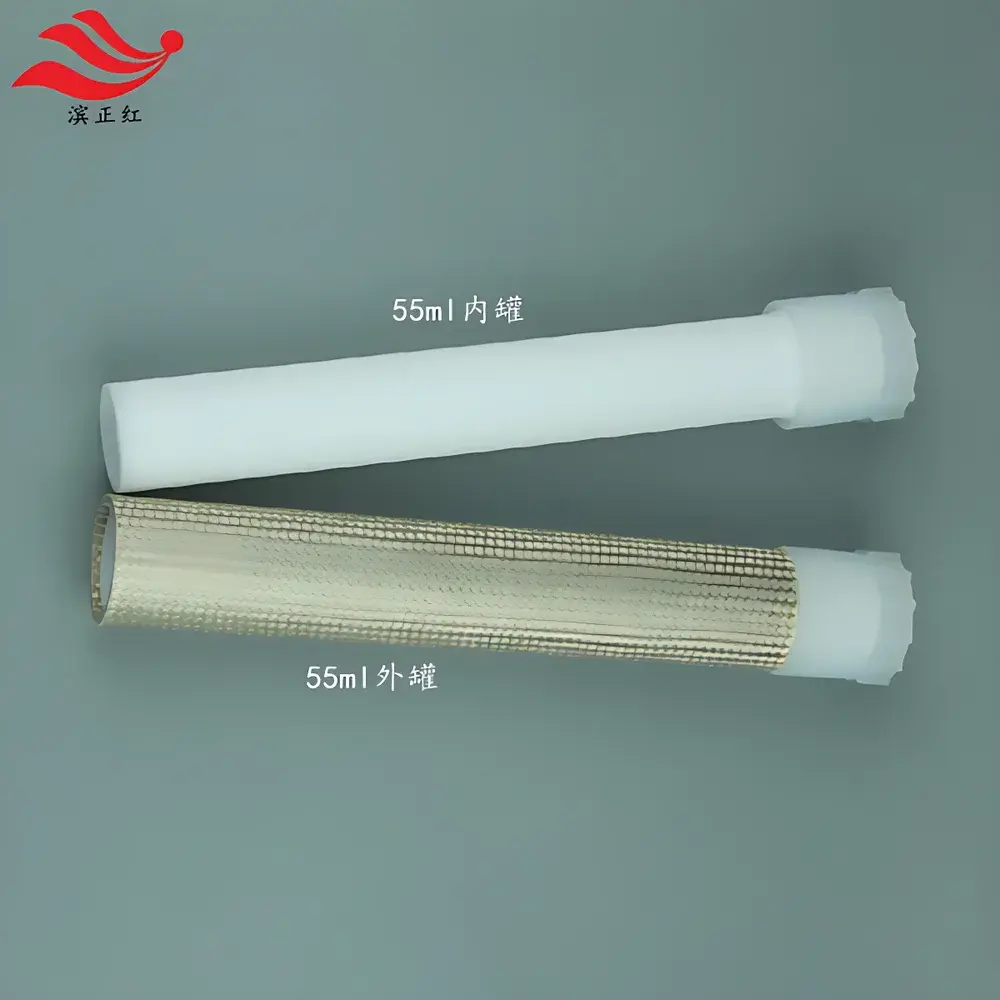
Brookfield MARS5/6 55 mL TFM Microwave Digestion Vessels with Graphite Block Acid Evaporation System
| Brand | Binzhenghong |
|---|---|
| Origin | Jiangsu, China |
| Manufacturer Type | OEM/ODM Producer |
| Country of Origin | China |
| Model | MARS5 / MARS6 |
| Vessel Material | TFM (Perfluoroalkoxy Alkane) |
| Outer Vessel Material | Aerospace-Grade Fiber-Reinforced Composite |
| Temperature Range | −200 °C to +260 °C |
| Vessel Capacity | 55 mL |
| Compatible Platforms | CEM MARS 5, MARS 6, OMNI, EasyPrep, MARS 240/50 |
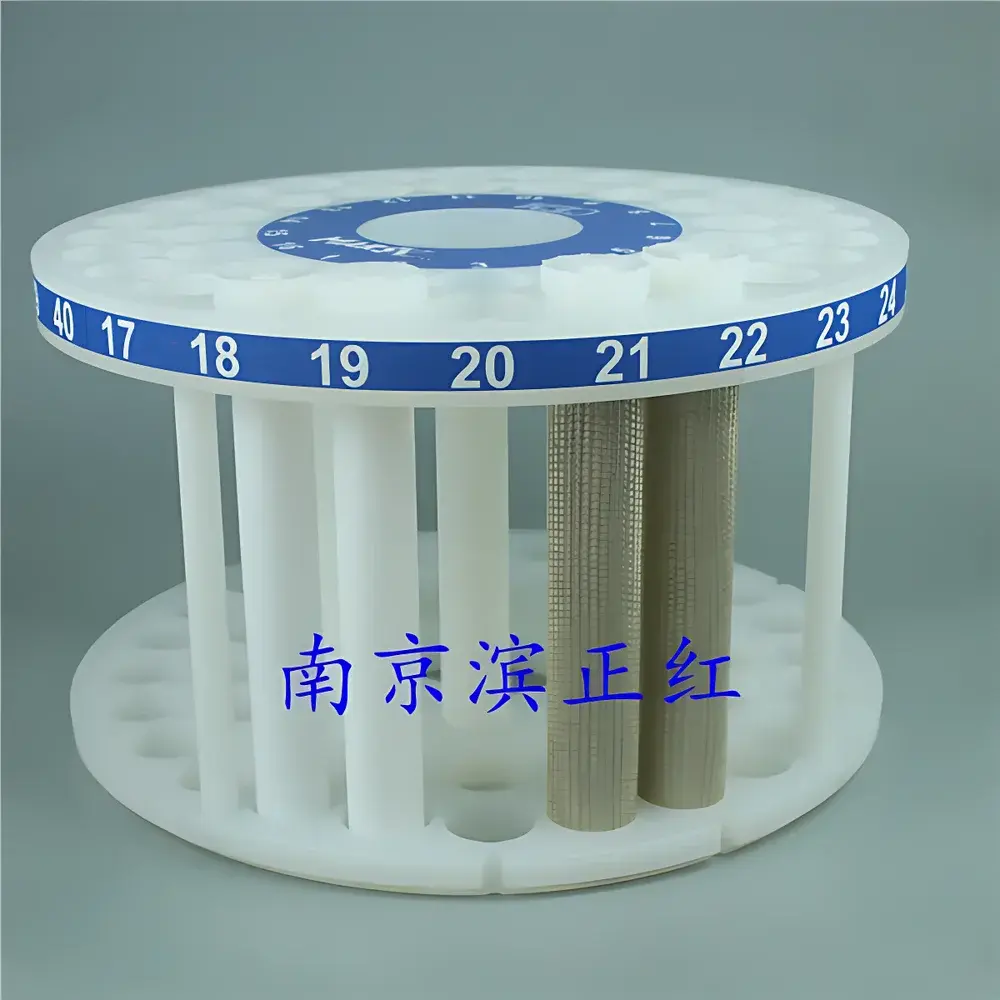
| Includes | Vessels, Racks, Rotating Turntables, Seals & Compression Gaskets |
| Application | Closed-Vessel Microwave-Assisted Acid Digestion |
Overview
The Binzhenghong MARS5/6 55 mL TFM Microwave Digestion Vessels are engineered for high-fidelity, closed-vessel microwave-assisted acid digestion in regulated and research-grade laboratories. These vessels operate on the principle of controlled microwave energy absorption by polar solvents—primarily nitric, hydrochloric, and hydrofluoric acid mixtures—to rapidly elevate temperature and pressure within chemically inert containment. The core measurement objective is quantitative elemental liberation from complex organic and inorganic matrices (e.g., biological tissues, polymers, silicates, alloys) while minimizing analyte loss, contamination, or redox side reactions. Designed as direct-fit replacements for original CEM MARS platforms, they integrate seamlessly into validated workflows requiring trace-metal analysis by ICP-MS, ICP-OES, or AAS. Unlike generic PTFE alternatives, TFM offers superior cold-flow resistance, lower extractables, and enhanced mechanical stability under cyclic thermal stress—critical for reproducible digestion efficiency across 40-position rotor configurations.
Key Features
- High-purity TFM polymer construction ensures ultra-low background metal leaching (<0.1 pg/mL for Cr, Ni, Cu, Zn, Pb), verified per ASTM D5683 and ISO 17294-2 protocols
- Outer vessel fabricated from aerospace-grade carbon-fiber-reinforced polymer composites, rated for sustained operation at 260 °C and burst pressures exceeding 150 bar
- Precision-machined geometry guarantees consistent microwave coupling and uniform thermal distribution across all 40 positions in standard MARS rotors
- Integrated sealing system with dual-layer compression gaskets (FEP-coated silicone + PEEK backup ring) maintains leak-tight integrity through repeated thermal cycling (−200 °C to +260 °C)
- Autoclavable and compatible with HNO₃/HF/H₂O₂, aqua regia, and mixed-acid protocols per USP , EPA Method 3052, and ISO 11885
- Traceable lot documentation provided; each batch undergoes FTIR verification and extractables testing per USP
Sample Compatibility & Compliance
These vessels support digestion of diverse sample types including plant biomass, animal tissue, pharmaceutical excipients, catalyst residues, soil/sediment, fly ash, and polymer composites. They comply with GLP and GMP documentation requirements for method validation, supporting full audit trails when used with CEM’s SMART software or third-party LIMS integrations. All materials meet USP Class VI biocompatibility standards and are certified free of RoHS-restricted substances (Pb, Cd, Hg, Cr⁶⁺, PBB, PBDE). The TFM formulation conforms to FDA 21 CFR §177.1550 for food-contact applications, enabling use in nutritional supplement and infant formula testing.
Software & Data Management
While the vessels themselves are hardware components, their performance is fully traceable within CEM’s MARS Touch interface and associated compliance modules. When deployed in validated methods, vessel lot numbers, digestion run parameters (ramp time, hold temperature, pressure setpoint), and instrument calibration logs are captured automatically. Audit trail functionality satisfies FDA 21 CFR Part 11 requirements for electronic records and signatures. Raw data export supports CSV, XML, and PDF formats compatible with ELN systems such as LabArchives or Benchling.
Applications
- Environmental monitoring: heavy metal speciation in wastewater sludge (EPA 6020B), sediment analysis (ISO 17294-2)
- Pharmaceutical QA/QC: residual catalyst quantification in API synthesis (ICH Q2(R2))
- Clinical and forensic toxicology: arsenic/bismuth determination in hair and nail keratin (CLSI C38-A2)
- Geochemical exploration: rare earth element recovery from monazite and bastnäsite ores
- Food safety: lead and cadmium screening in spices and infant cereals (EU Commission Regulation (EC) No 1881/2006)
- Materials science: dissolution kinetics of battery cathode materials (LiCoO₂, NMC) for recycling process development
FAQ
Are these vessels compatible with CEM MARS 6 instruments equipped with SMART Link connectivity?
Yes—mechanical and dimensional tolerances match CEM’s OEM specifications for MARS 5 and MARS 6 platforms, including rotor alignment, cap engagement depth, and pressure sensor interface geometry.
What cleaning protocol is recommended between digestions?
Rinse with 1% v/v HNO₃ followed by ultrapure water (18.2 MΩ·cm); air-dry in Class 100 laminar flow hood. Avoid ultrasonic cleaning unless validated for your specific matrix to prevent microfracture propagation.
Do you provide certificates of conformance and extractables test reports?
Yes—each shipment includes a CoC referencing ISO 9001:2015 manufacturing controls and batch-specific ICP-MS extractables data against a 24-hour 5% HNO₃ leach at 80 °C.
Can these vessels be used for hydrofluoric acid digestion of siliceous samples?
Yes—TFM exhibits exceptional resistance to HF up to 40% concentration at temperatures ≤200 °C; however, outer composite housings must remain dry and free of HF condensate per CEM safety advisories.
Is long-term storage stability documented for unused vessels?
Accelerated aging studies (40 °C/75% RH for 12 months) confirm no measurable degradation in tensile strength or fluorine leach profile—vessels retain full specification compliance for ≥36 months from date of manufacture.



