
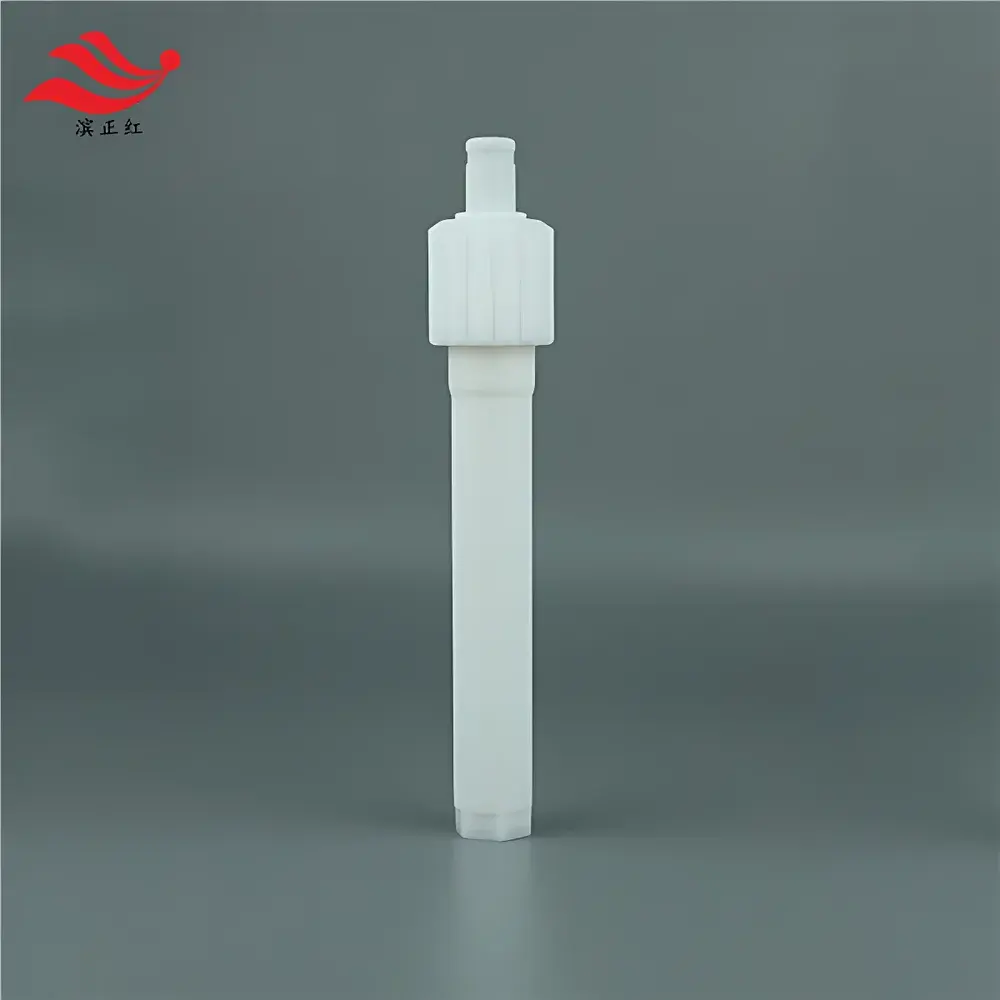
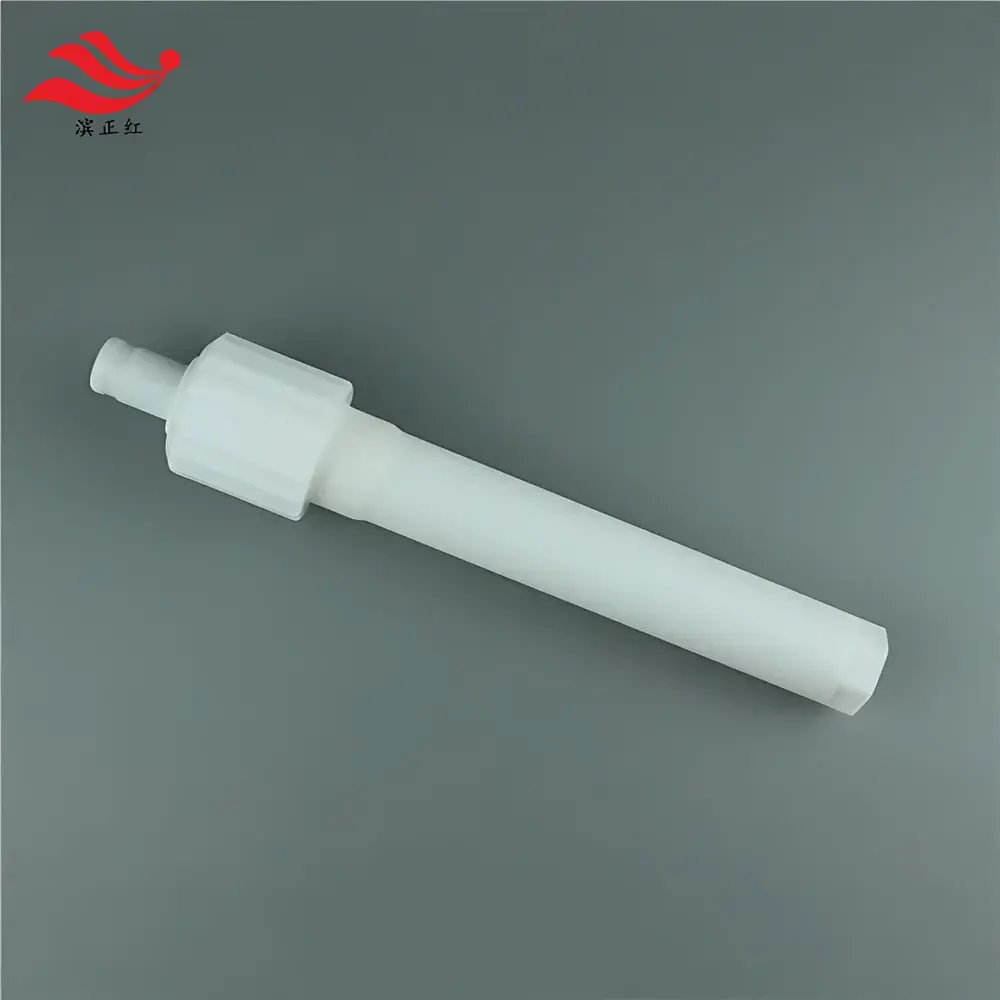
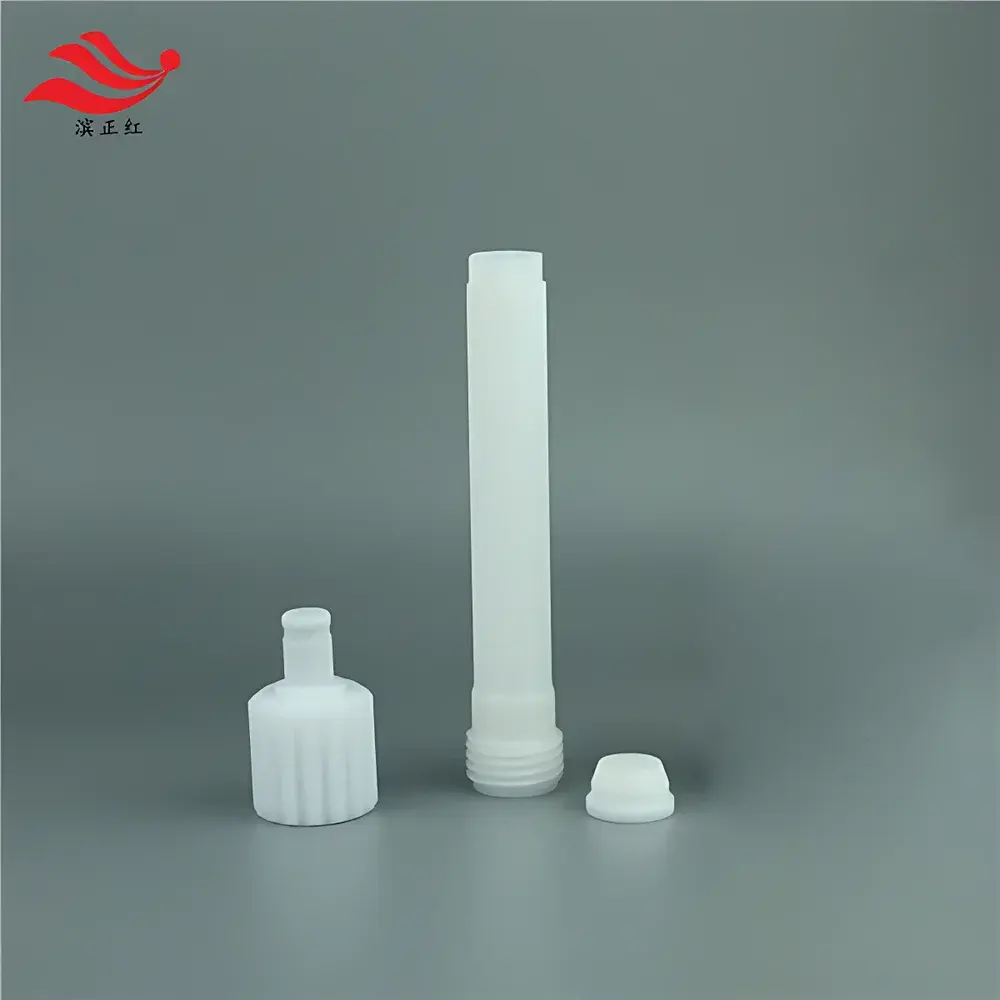
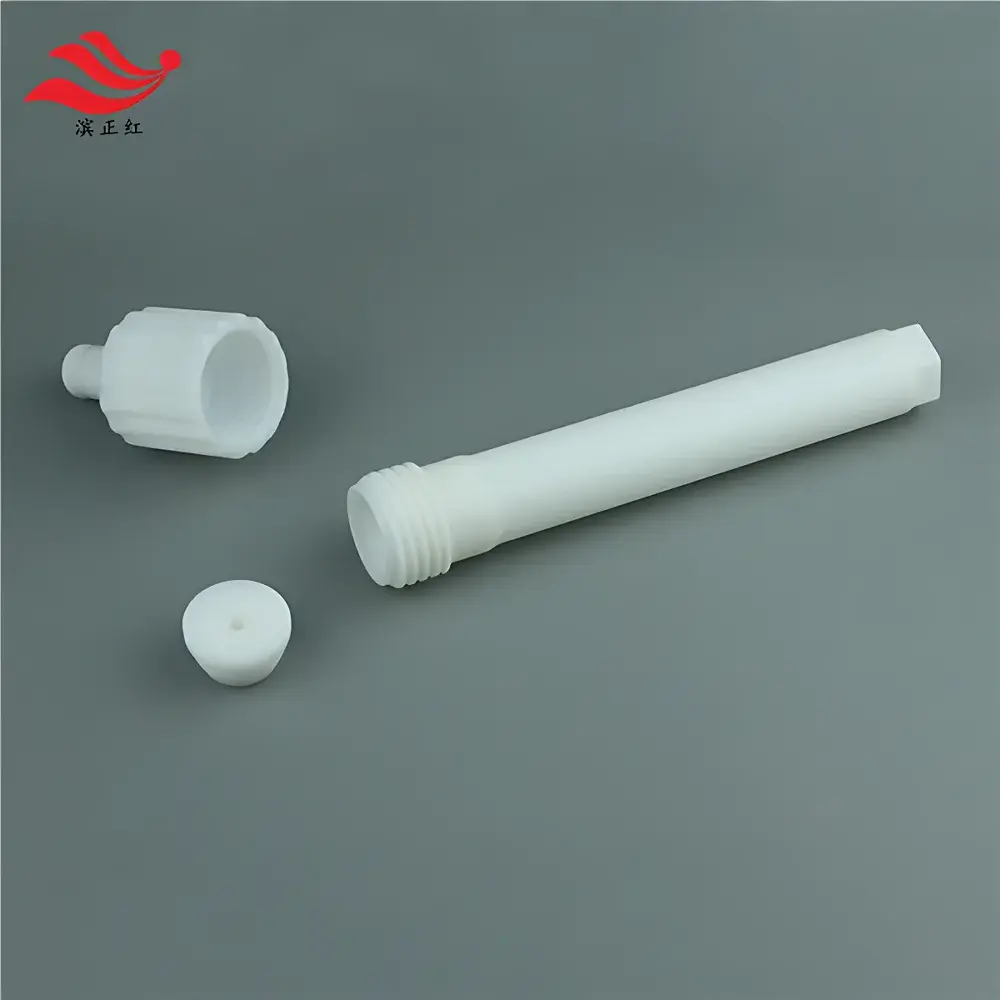
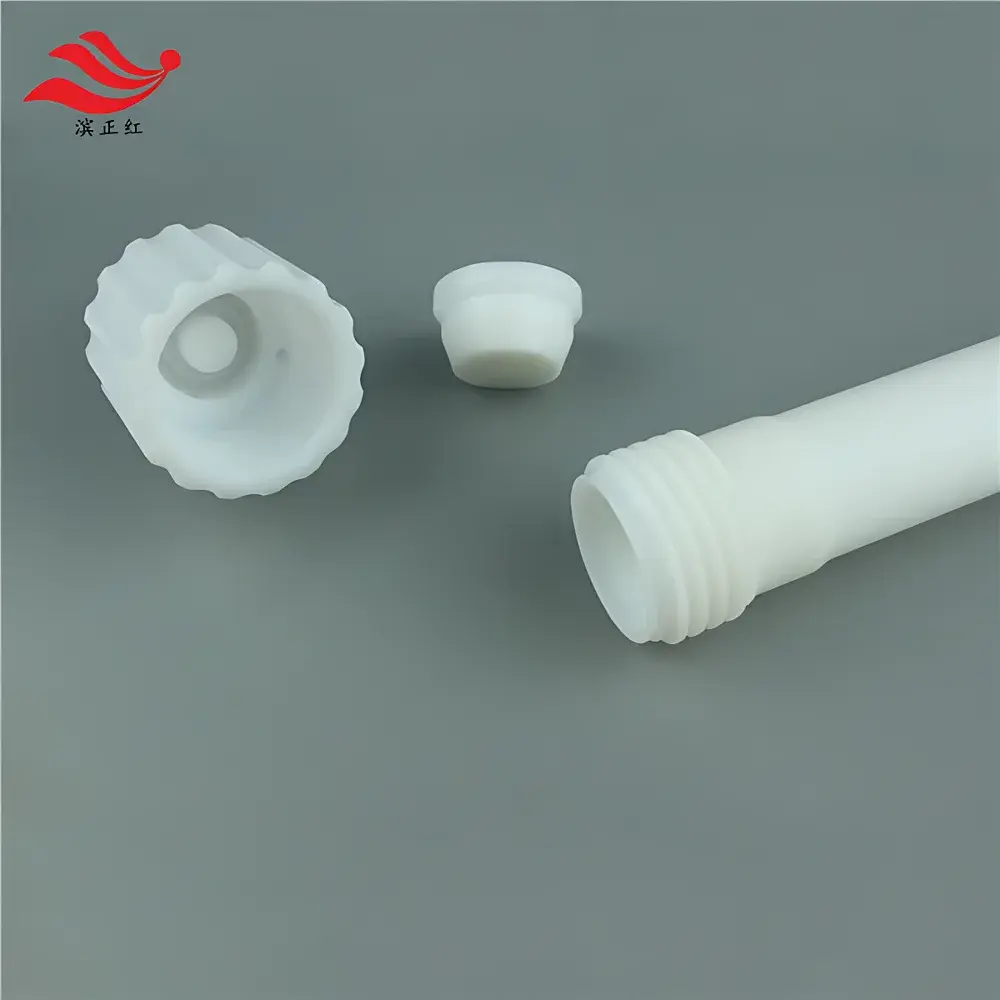
GT-400 Microwave Digestion Vessels for Instrument Use (CashCow Series)
| Brand | Binzhenghong |
|---|---|
| Origin | Jiangsu, China |
| Manufacturer Type | Direct Producer |
| Country of Origin | PRC |
| Model | GT-40 Position |
| Pricing | Upon Request |
Overview
The GT-400 Microwave Digestion Vessels (CashCow Series) are high-performance, chemically resistant consumables engineered for use with benchtop microwave digestion systems in analytical laboratories. Designed to support closed-vessel, high-pressure acid digestion protocols, these vessels operate on the principle of controlled microwave energy absorption by polar solvents—primarily nitric acid, hydrochloric acid, and hydrogen peroxide—to rapidly decompose organic matrices and mineralize inorganic samples. The system enables complete dissolution of complex sample types—including soils, biological tissues, polymers, foodstuffs, and environmental solids—prior to elemental analysis by ICP-OES, ICP-MS, AAS, or HG-AFS. Each GT-400 vessel set is configured for compatibility with 40-position rotor platforms, ensuring high-throughput batch processing while maintaining thermal and pressure uniformity across all cavities.
Key Features
- Construction from high-purity, low-metal-content polytetrafluoroethylene (PTFE) and reinforced perfluoroalkoxy (PFA) composite materials, offering exceptional resistance to concentrated acids (e.g., HNO₃, HF, HCl) and oxidative reagents up to 260 °C and 80 bar internal pressure.
- Multi-layer vessel architecture featuring inner PTFE liner, outer PFA protective jacket, and integrated pressure-relief safety cap with rupture disc mechanism compliant with ISO 17025–recommended risk mitigation practices.
- Precision-machined sealing geometry ensures gas-tight closure and repeatable torque application, minimizing cross-contamination and supporting method reproducibility across sequential digestions.
- Autoclavable and reusable design—subject to validated cleaning protocols—reducing long-term operational cost per sample without compromising trace-metal integrity.
- Calibrated volume markings (10 mL and 20 mL reference lines) etched directly onto the vessel wall for volumetric consistency; compatible with gravimetric and volumetric dilution workflows post-digestion.
Sample Compatibility & Compliance
The GT-400 vessels accommodate solid, semi-solid, and liquid samples weighing up to 1.0 g (dry mass) or 5.0 mL (liquid volume), supporting digestion methods aligned with EPA Method 3051A, ISO 11466, and GB/T 17141–1997. All materials comply with USP Class VI biocompatibility requirements and exhibit extractables levels below 1 ng/g for Al, Cr, Fe, Ni, and Zn—critical for ultra-trace elemental quantification. Vessel assemblies undergo batch-certified leaching tests per ASTM D511 and are supplied with Certificate of Conformance documenting lot-specific heavy metal background data. Designed for GLP- and ISO/IEC 17025–accredited laboratories, the system supports full audit trails when integrated with validated microwave control software.
Software & Data Management
While the GT-400 vessels themselves are passive consumables, they are fully interoperable with major microwave digestion platform control suites—including CEM Mars 6, Anton Paar Multiwave PRO, and Milestone ETHOS UP—enabling automated method recall, pressure/temperature profile logging, and digital record retention. When used in conjunction with LIMS-integrated digestion workstations, vessel usage history (lot number, cycle count, cleaning status) can be tracked via barcode scanning, satisfying FDA 21 CFR Part 11 requirements for electronic records and signatures. Raw digestion parameters (ramp time, hold temperature, final pressure) are exportable in CSV or XML format for QA/QC review and regulatory submission.
Applications
- Environmental monitoring: Total metal recovery from sediments, sludge, airborne particulates (PM₂.₅/PM₁₀), and leachates per TCLP and SPLP protocols.
- Clinical and forensic toxicology: Quantitative digestion of hair, nail, and tissue specimens for As, Cd, Pb, and Hg determination.
- Food safety testing: Multi-element analysis (Ca, Mg, Fe, Zn, Cu, Se) in fortified cereals, infant formula, and dietary supplements under AOAC 999.10 and ISO 11171.
- Geochemical research: Silicate rock dissolution using HF-HNO₃ mixtures for rare earth element (REE) profiling via ICP-MS.
- Materials science: Characterization of catalysts, battery cathode materials, and nanocomposites requiring complete matrix breakdown prior to speciation analysis.
FAQ
Are GT-400 vessels compatible with microwave systems from non-Chinese manufacturers?
Yes—they conform to ISO 7207-1 dimensional standards for 40-position rotors and have been verified for use with CEM, Anton Paar, Milestone, and Berghof instrumentation.
What is the recommended maximum number of reuse cycles?
Under routine QC-controlled conditions (including post-cycle visual inspection, ultrasonic cleaning in 10% HNO₃, and blank testing), up to 100 cycles are achievable without measurable analyte carryover or seal degradation.
Do vessels include individual lot traceability documentation?
Each shipment includes a Certificate of Conformance listing material certification, pressure test results, and certified blank values for ≥12 elements, traceable to NIST SRM 2710a and 2783.
Is HF acid digestion supported?
Yes—the PTFE/PFA composite construction provides full compatibility with hydrofluoric acid concentrations up to 40% v/v at temperatures ≤220 °C, provided appropriate fume hood ventilation and PPE protocols are observed.
Can vessels be sterilized for microbiological sample prep?
Yes—autoclaving at 121 °C, 15 psi for 20 minutes does not compromise structural integrity or chemical inertness; however, repeated steam sterilization beyond 20 cycles may affect cap seal longevity.



