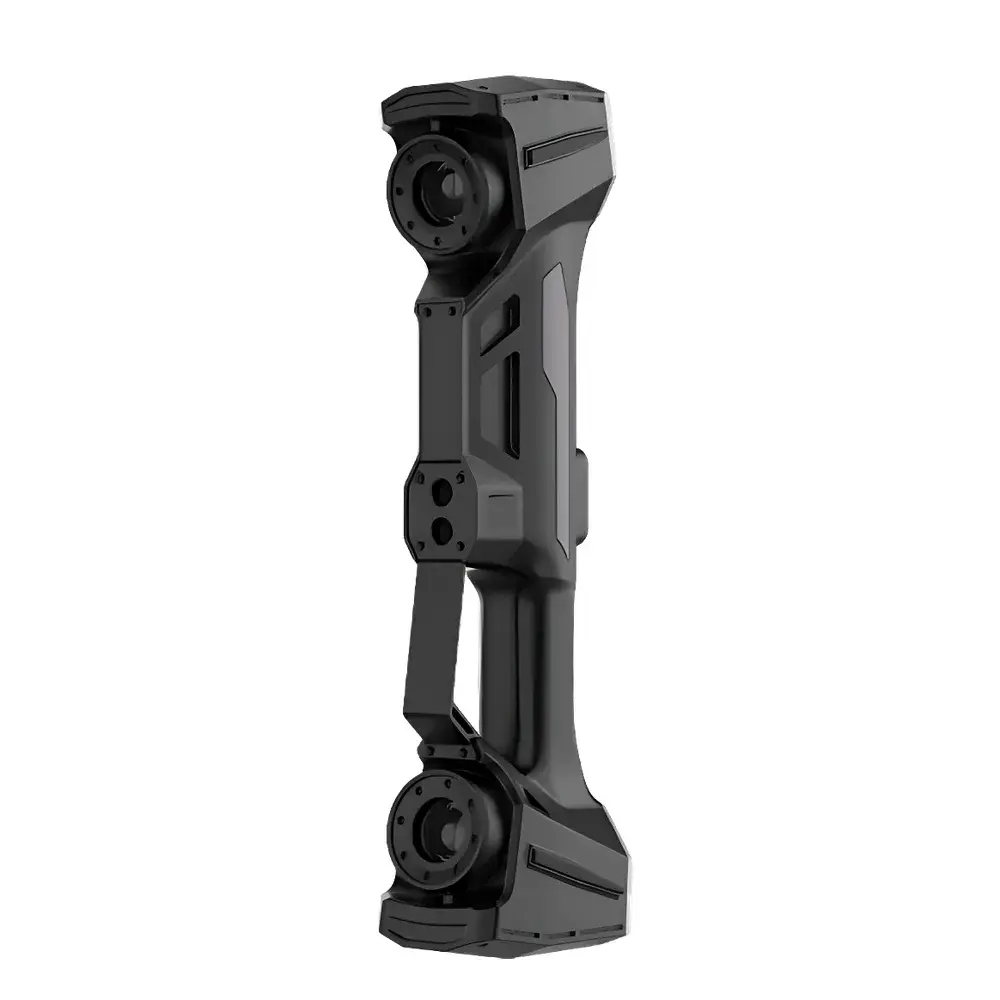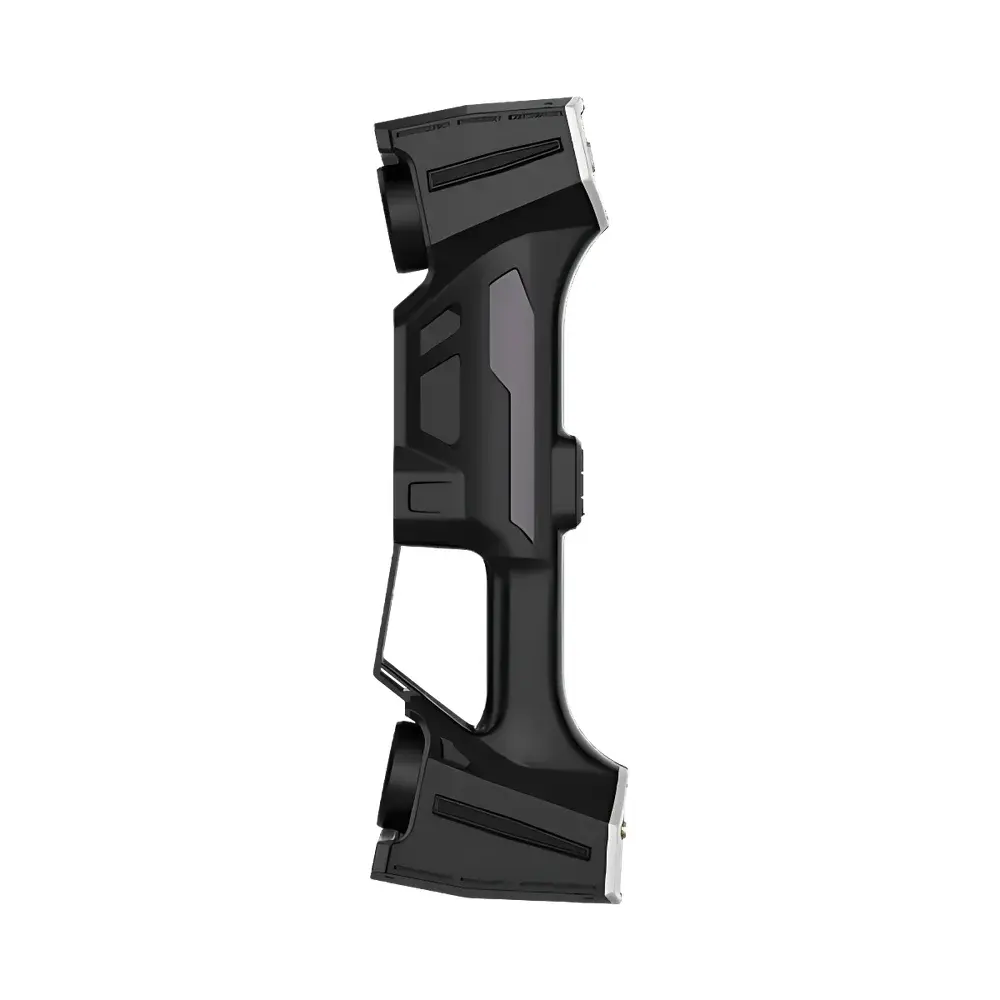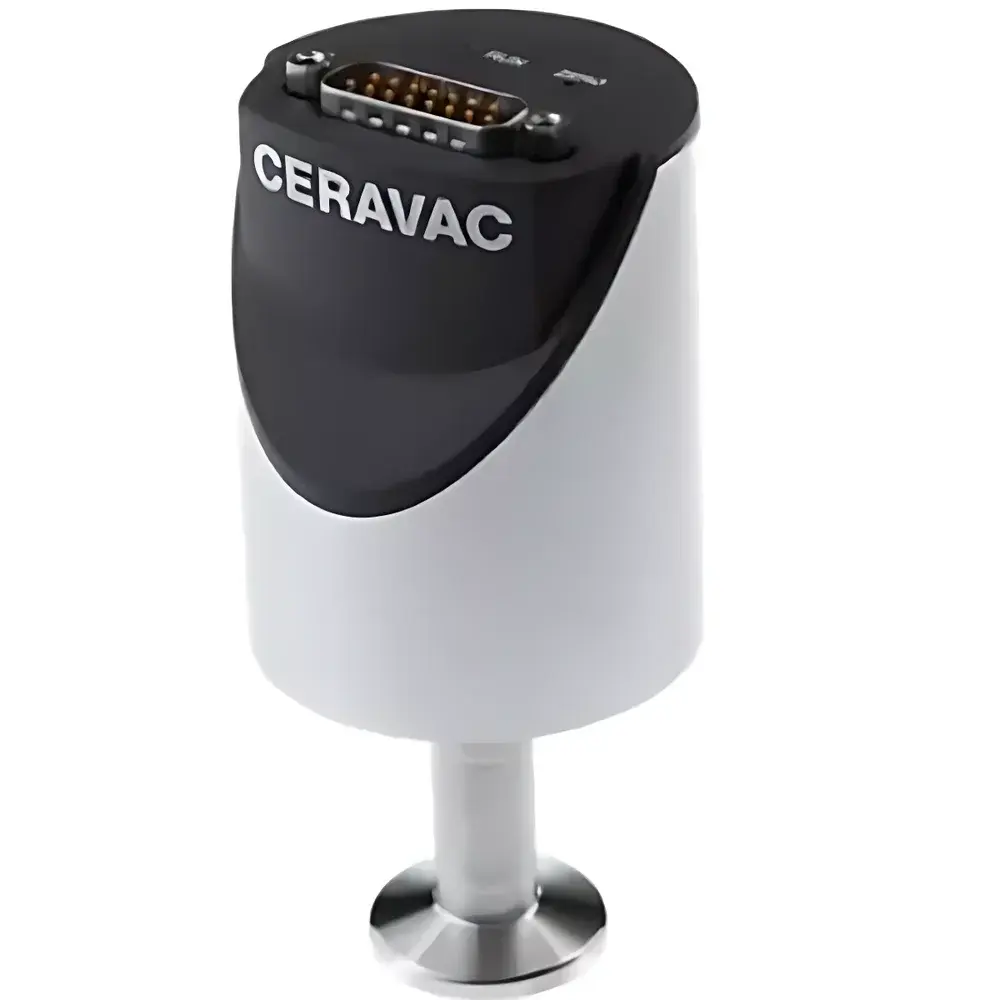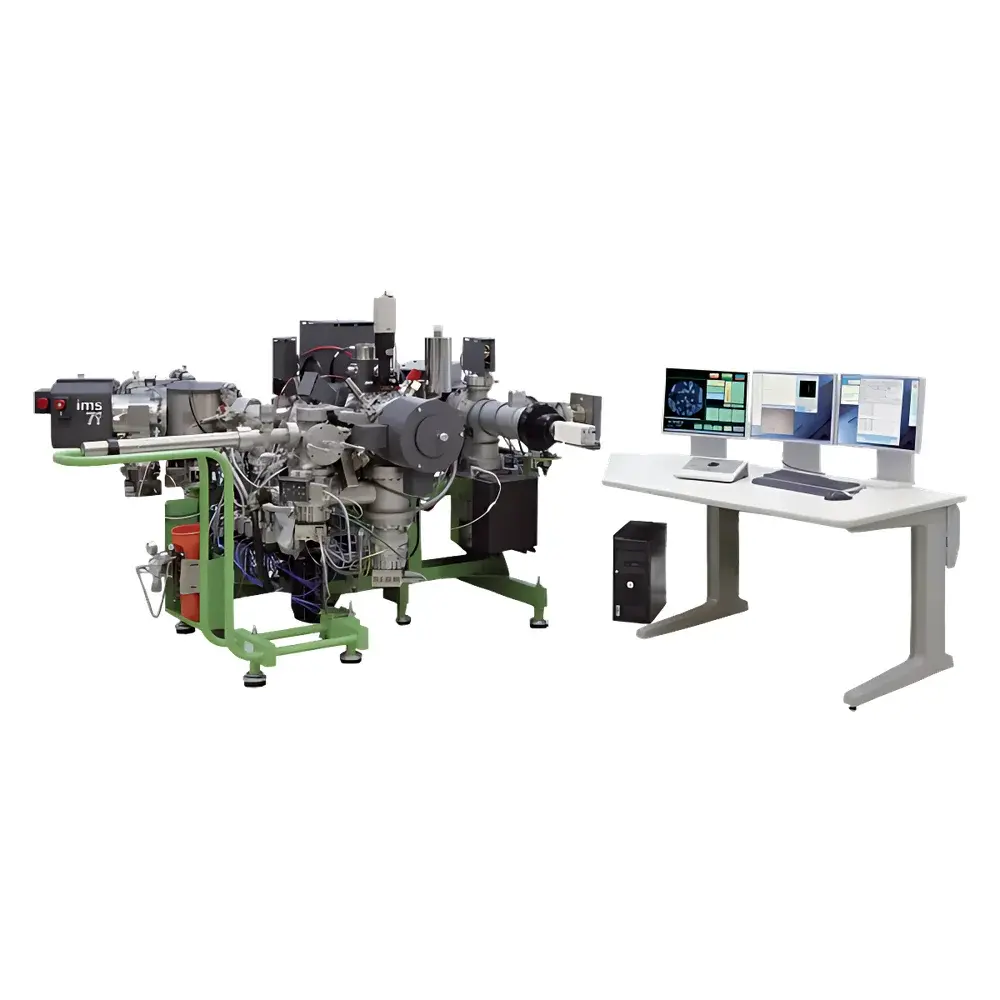
CAMECA IMS 7f-Auto and LEAP 5000 Series SIMS & Atom Probe Tomography Systems
| Brand | CAMECA |
|---|---|
| Origin | France |
| Model | IMS 7f-Auto, LEAP 5000 XR / XS / R |
| Type | Secondary Ion Mass Spectrometry (SIMS) and Laser/Field-Assisted Atom Probe Tomography (APT) Platforms |
| Compliance | ASTM E1527, ISO/IEC 17025, GLP/GMP-ready data audit trails, FDA 21 CFR Part 11–compliant software options |
| Sample Form | Bulk solids, thin films, epitaxial layers, semiconductors (Si, III-V, II-VI), metals, ceramics, glasses, insulators |
| Depth Resolution | <0.3 nm (SIMS) |
| Spatial Resolution | <0.3 nm (APT, 3D) |
| Detection Limit | Sub-ppq (SIMS) |
| Throughput | Fully automated multi-sample analysis chain |
| Reproducibility | RSD < 0.5% (SIMS depth profiling) |
Overview
CAMECA’s IMS 7f-Auto and LEAP 5000 Series represent the industry benchmark for quantitative, high-resolution elemental and isotopic analysis at the nanoscale. The IMS 7f-Auto is a next-generation magnetic sector-based Secondary Ion Mass Spectrometer (SIMS), engineered for ultra-high sensitivity, depth resolution, and operational robustness across demanding industrial and academic applications. It employs dual high-density reactive primary ion sources (O2+ and Cs+) coupled with a high-transmission mass spectrometer to achieve sub-part-per-quadrillion (ppq) detection limits and depth resolutions below 0.3 nm. Complementing this capability, the LEAP 5000 family—comprising the XR, XS, and R variants—constitutes a suite of laser- and voltage-pulsed Atom Probe Tomography (APT) instruments. These systems reconstruct atomic-scale 3D compositional maps by field-evaporating atoms from a needle-shaped specimen and precisely determining their time-of-flight and impact position on a microchannel plate detector. Developed in close collaboration with the GPM Institute (University of Rouen Normandy), these platforms deliver unparalleled detection efficiency (up to 80% for LEAP 5000 XS), sub-nanometer spatial fidelity, and statistically robust compositional quantification without matrix calibration.
Key Features
- IMS 7f-Auto: Coaxial primary ion column enabling rapid beam tuning, enhanced current stability, and minimized operator-induced variability
- Integrated direct ion microscopy and scanning probe imaging optics for real-time surface characterization prior to depth profiling
- Automated sample loading/unloading chamber with motorized sample transfer, supporting continuous multi-sample analysis chains
- LEAP 5000 XR: Advanced reflector design and optimized detector yield, achieving ~50% detection efficiency with up to 500 kHz laser pulse repetition rate
- LEAP 5000 XS: Extended flight path architecture and enhanced detector quantum efficiency delivering ~80% detection efficiency—the highest among commercial APT systems—and 2 MHz maximum pulse repetition rate
- LEAP 5000 R: Next-generation voltage pulsing system with +40% pulse amplitude and 500 kHz repetition rate, combined with improved reflector geometry for superior evaporation control in insulating and heterogeneous materials
- All systems support real-time data quality monitoring, automated drift correction, and hardware-level synchronization between laser/voltage pulses and detector acquisition
Sample Compatibility & Compliance
The IMS 7f-Auto and LEAP 5000 platforms accommodate a broad spectrum of solid-state materials—including single-crystal metals, polycrystalline alloys, doped silicon wafers, compound semiconductors (GaAs, InP, CdTe), oxide and nitride thin films, optical glasses, and ceramic composites. Specimen preparation for APT follows standardized electropolishing or focused ion beam (FIB) lift-out protocols compliant with ASTM F3182 and ISO 21369. Data acquisition workflows are designed to meet GLP and GMP requirements, with optional FDA 21 CFR Part 11-compliant electronic signatures, full audit trail logging, and secure user role management. Instrument calibration traceability aligns with ISO/IEC 17025 standards, and depth scale validation adheres to ASTM E1527 for SIMS depth profiling.
Software & Data Management
Both platforms operate under CAMECA’s unified IPAS (Integrated Platform Acquisition Software) environment—a modular, scriptable, and auditable framework supporting method development, remote operation, and batch processing. IPAS integrates real-time spectral deconvolution, multi-isotope ratio mapping, and 3D reconstruction algorithms (e.g., IVAS-compatible export for LEAP data). All raw datasets are stored in vendor-neutral HDF5 format with embedded metadata (acquisition parameters, calibration files, instrument logs). Data security includes AES-256 encryption at rest and TLS 1.3 in transit for remote access. Audit trails record every user action, parameter change, and data export event—fully compliant with regulatory review expectations for QC/QA labs and R&D documentation.
Applications
- Process development and failure analysis in semiconductor manufacturing (dopant profiling, interface contamination, gate stack integrity)
- High-temperature alloy characterization for aerospace turbine components (γ′/γ″ phase distribution, segregation kinetics)
- Quantitative oxygen isotope tracing in geological and nuclear fuel materials
- 3D dopant mapping in FinFET and nanowire transistor structures
- Interface chemistry analysis in solid-state battery cathodes and solid electrolytes
- Trace impurity detection in photovoltaic-grade silicon ingots (B, P, Fe, Cr, Ni)
- Atomic-scale segregation studies in precipitation-hardened steels and Ni-based superalloys
FAQ
What distinguishes IMS 7f-Auto from earlier IMS xf models?
The IMS 7f-Auto introduces a coaxial primary ion column, fully motorized sample handling, enhanced vacuum architecture, and redesigned ion optics that collectively improve depth resolution stability, reduce analysis time per sample by up to 35%, and eliminate manual beam alignment steps.
Can LEAP 5000 systems analyze insulating materials?
Yes—LEAP 5000 R and XR configurations support voltage-pulsed evaporation of dielectrics (e.g., Al2O3, HfO2, LiCoO2) via adaptive pulse amplitude ramping and cryogenic specimen cooling down to 20 K.
Is cross-platform data correlation between SIMS and APT supported?
CAMECA provides co-registered workflow modules within IPAS that enable overlay of SIMS depth profiles with APT-derived 3D compositional volumes using common coordinate frameworks and shared calibration standards.
What level of training and service support is available internationally?
CAMECA offers factory-certified application scientist-led installation qualification (IQ), operational qualification (OQ), and performance qualification (PQ) services, plus annual preventive maintenance contracts with remote diagnostics and priority escalation pathways.
Are software updates and algorithm improvements included post-purchase?
All IPAS software releases—including new quantification models, reconstruction enhancements, and compliance patches—are delivered free of charge for the duration of the instrument’s warranty period and optionally extended via software maintenance agreements.