
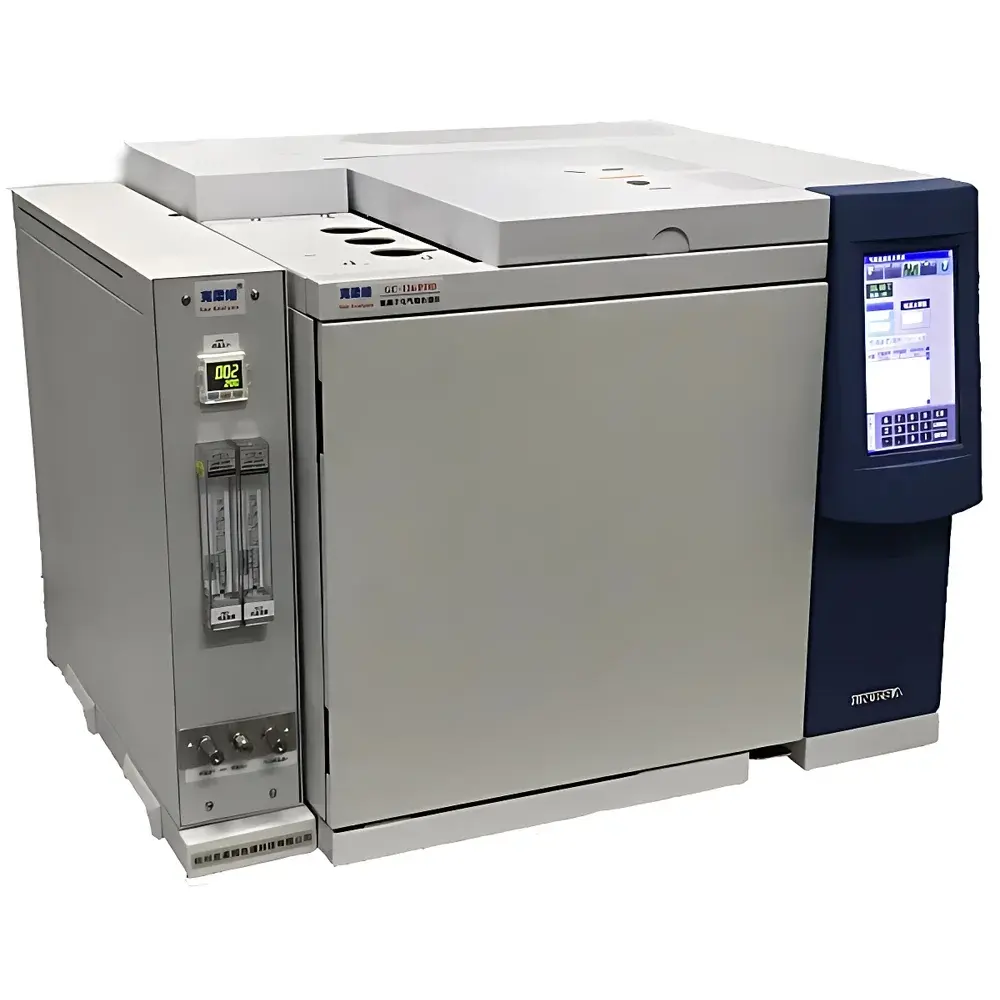
Chrom GC-126N PDD Helium Ionization Gas Chromatograph
| Brand | Chrom |
|---|---|
| Origin | Zhejiang, China |
| Manufacturer Type | Authorized Distributor |
| Regional Classification | Domestic (PRC) |
| Model | GC-126N PDD |
| Instrument Type | Laboratory Gas Chromatograph |
| Application | Ultra-High-Purity (UHP) and Electronic Specialty Gases Analysis |
| Oven Temperature Range | +5 °C above ambient to 400 °C |
| Max. Ramp Rate | 60 °C/min |
| Cooling Rate | 350 °C → 50 °C in ≤9 min |
| Carrier Gas Flow Control (He) | 0–500 mL/min |
| Carrier Gas Pressure Control (He) | 0–0.8 MPa |
| Injector Max. Temp. | 400 °C |
| Injector Pressure Setting Range | 0–1 MPa |
| Injector Total Flow Setting Range | 0–200 mL/min |
Overview
The Chrom GC-126N PDD Helium Ionization Gas Chromatograph is a purpose-built analytical system engineered for the quantitative detection of trace-level impurities—down to sub-ppb concentrations—in ultra-high-purity (UHP) industrial gases and electronic specialty gases. It operates on the principle of pulsed discharge helium ionization detection (PDHID), a highly selective and universally responsive detection mode for permanent gases and light hydrocarbons. Unlike flame ionization (FID) or thermal conductivity (TCD) detectors, PDHID delivers uniform response factors across H2, O2, N2, CO, CO2, CH4, Ar, Kr, Xe, Ne, and other inert and reactive species—enabling accurate, calibration-robust quantification without compound-specific correction factors. The system integrates a multi-valve, multi-column architecture with center-cutting and backflush capabilities, eliminating the need for manual column switching or method reconfiguration when analyzing diverse gas matrices—including high-purity nitrogen (GB/T 8979–2008), oxygen (GB/T 14599–2008), helium (GB/T 4844.3–1995), argon (GB/T 4842–2006), hydrogen (GB/T 7445–1995), and electronic-grade silane (GB/T 15909–2009).
Key Features
- Valco-sourced pulsed discharge helium ionization detector (PDHID) with <5 ppb detection limit for H2, O2, N2, CO, CH4, and CO2—validated per ISO 10156 and ASTM D1945 methodologies
- Four-valve, five-column center-cutting and backflush configuration using Valco吹扫-type 10-port and 6-port switching valves with continuous purge gas protection to eliminate memory effects and cross-contamination
- Dedicated UHP gas handling architecture: 316 stainless steel tubing, gold-plated zero-dead-volume fittings, HP-2 helium purifier (residual impurities ≤10 ppb), and 2 μm carrier gas filtration
- Modular dual-zone column oven with independent temperature control for parallel optimization of separation and desorption conditions; ±0.1 °C stability over full range (+5 °C to 400 °C)
- Embedded 32-bit processor with USB-based bidirectional instrument control; supports automated valve sequencing, detector zeroing, polarity inversion, and sensitivity scaling via digital parameter input
- Backpressure-regulated injection system with zero-dead-volume sampling valves (four units supplied), designed to prevent atmospheric ingress during high-dilution gas sampling
Sample Compatibility & Compliance
The GC-126N PDD meets the stringent requirements of both industrial gas certification and semiconductor manufacturing environments. It is validated for conformance with Chinese national standards including GB/T 8979–2008 (high-purity N2), GB/T 14599–2008 (O2), GB/T 4842–2006 (Ar), and GB/T 16942–2009 through GB/T 21287–2007 (electronic-grade gases). Its hardware and operational design align with ISO/IEC 17025:2017 for testing laboratory competence and supports audit-ready data integrity under FDA 21 CFR Part 11 when paired with Chrom-2010PDD workstation software featuring electronic signatures, audit trails, and user-access controls. All wetted surfaces comply with SEMI F57-0301 for semiconductor process gas analysis systems.
Software & Data Management
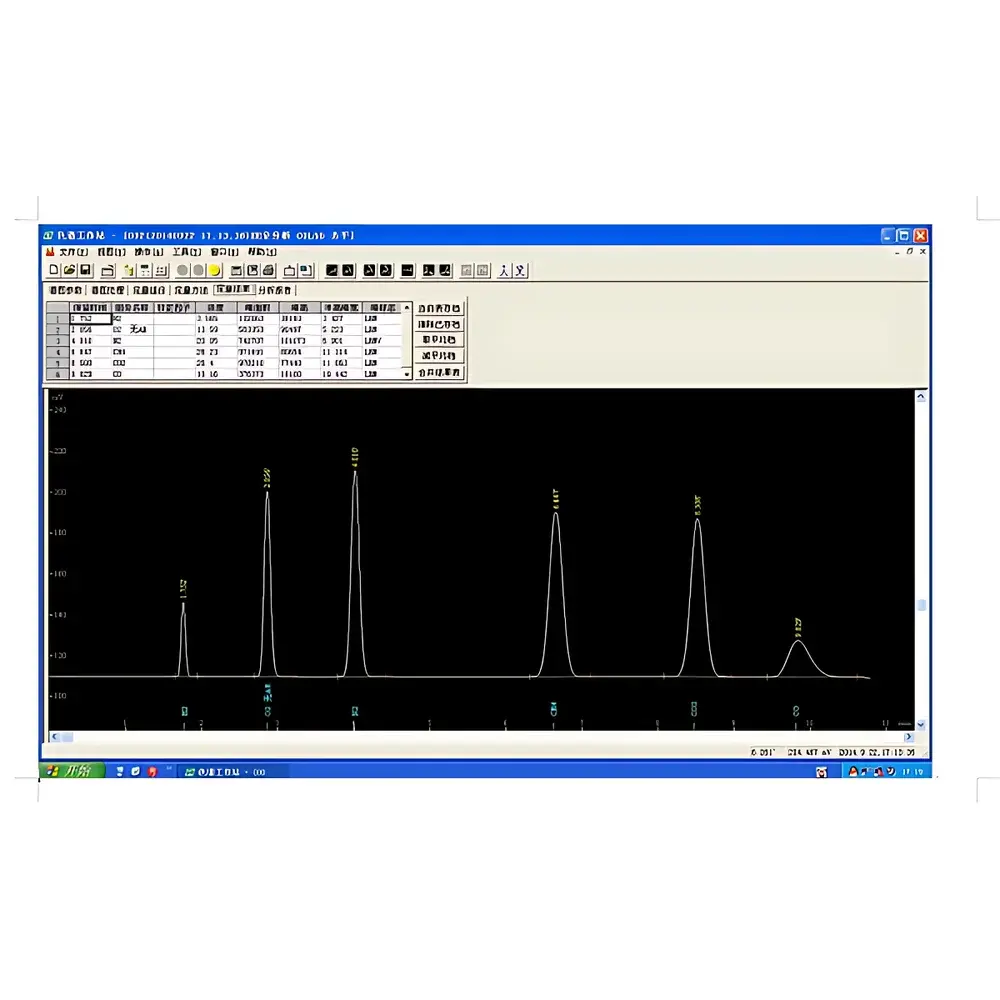
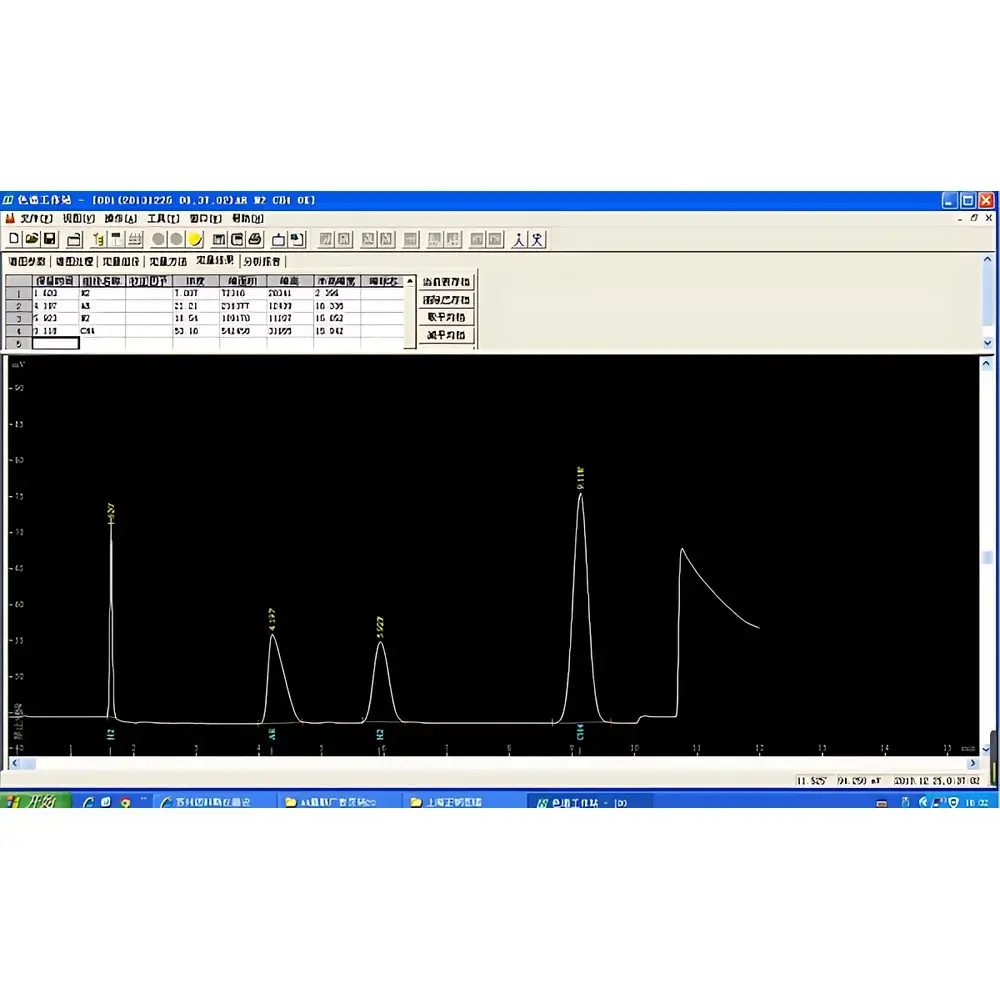
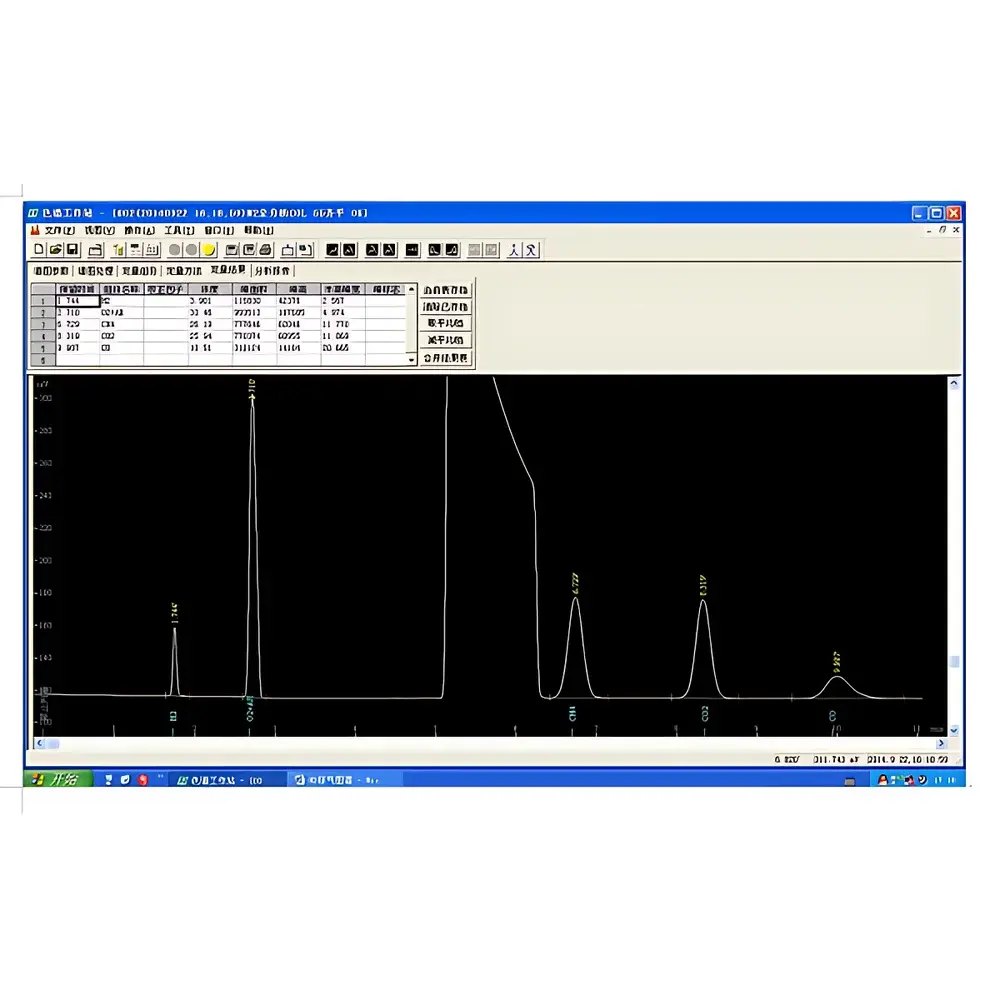
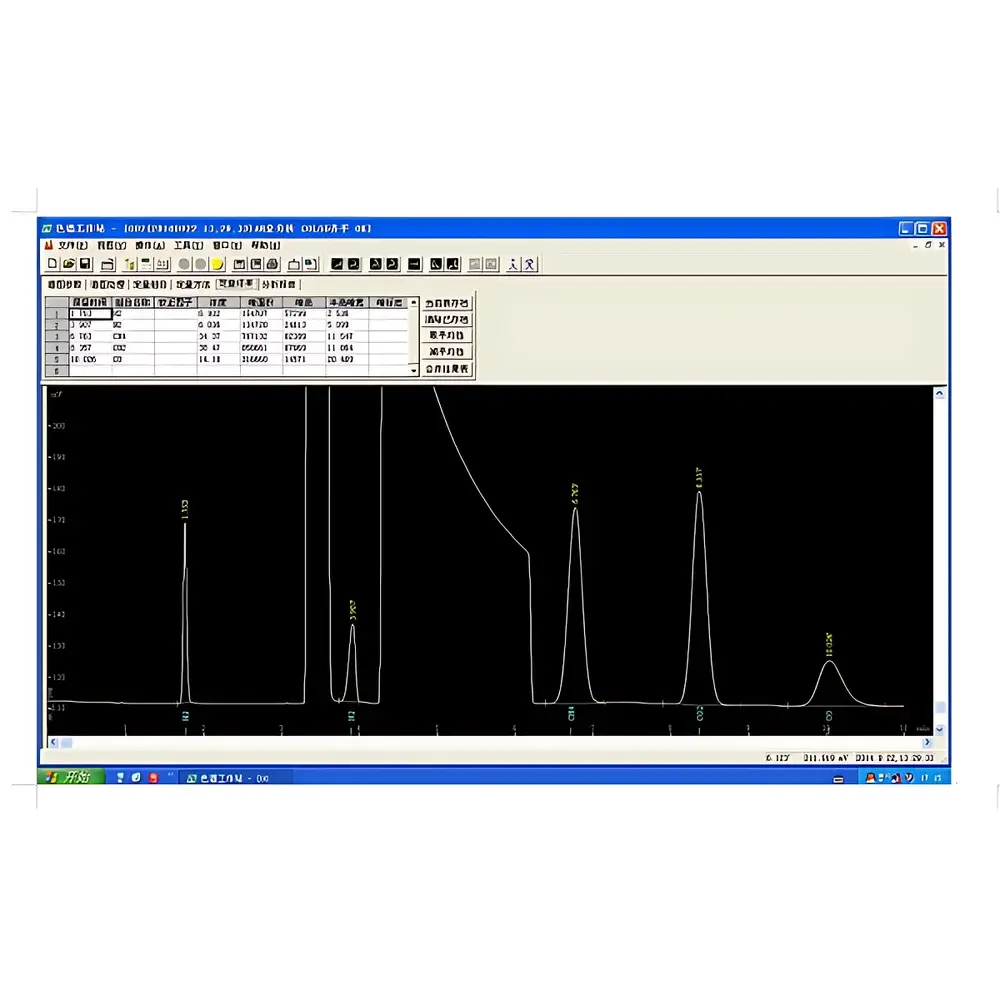
The Chrom-2010PDD chromatography data system (CDS) provides full bidirectional control of the GC-126N PDD via USB interface. It implements real-time acquisition at up to 50 Hz with 24-bit A/D resolution (±1 μV), dynamic range of 106, and peak area reproducibility better than 0.06% RSD. The software supports time-programmed valve actuation, automatic baseline subtraction, intelligent peak deconvolution (including shoulder, tailing, and co-eluting peaks), and customizable calibration curves using single-point, multi-point linear, or non-linear regression. Quantitative reports are exportable to CSV and Excel formats; spectral overlays, retention time locking, and method versioning ensure GLP/GMP traceability. Raw data files retain full metadata—including instrument parameters, valve timing logs, and detector operating conditions—for regulatory review.
Applications
- Trace impurity profiling in bulk and cylinder-delivered UHP gases for semiconductor fab supply chains
- Residual moisture, oxygen, and hydrocarbon verification in cryogenic liquid storage and distribution systems
- Quality control of electronic specialty gases (e.g., SiH4, NF3, BCl3, PH3) per SEMI C37 guidelines
- Validation of helium recovery and purification train performance in medical and research facilities
- Compliance testing for food-grade CO2 (GB 10621–2006) and pharmaceutical nitrogen (USP )
- Environmental monitoring of greenhouse gas standards (CO2, CH4) in calibration laboratories
FAQ
What detection principle does the GC-126N PDD employ?
It utilizes pulsed discharge helium ionization detection (PDHID), generating metastable He* species that ionize analytes with near-uniform response across permanent gases and C1–C2 compounds.
Is the system compliant with FDA 21 CFR Part 11?
Yes—when operated with Chrom-2010PDD CDS configured with audit trail logging, electronic signatures, and role-based access control.
Can it analyze both hydrogen and oxygen in the same run?
Yes—via the integrated center-cutting/backflush sequence using Hayesep Q/R and MS 5A columns, eliminating interference from matrix helium or argon.
What carrier gas purity is required?
Helium ≥99.999% (5.0 grade), with optional inline HP-2 purifier to reduce residual H2, O2, N2, and H2O to ≤10 ppb.
Does the column oven support simultaneous dual-zone programming?
Yes—the modular furnace design allows independent temperature setpoints and ramp profiles for pre-separation and analytical columns.
Are all fluidic components certified for UHP service?
All valves, fittings, and tubing are Valco-specified 316 stainless steel with electropolished interiors and gold-plated zero-dead-volume connections, rated for 1000 psi operation.






