
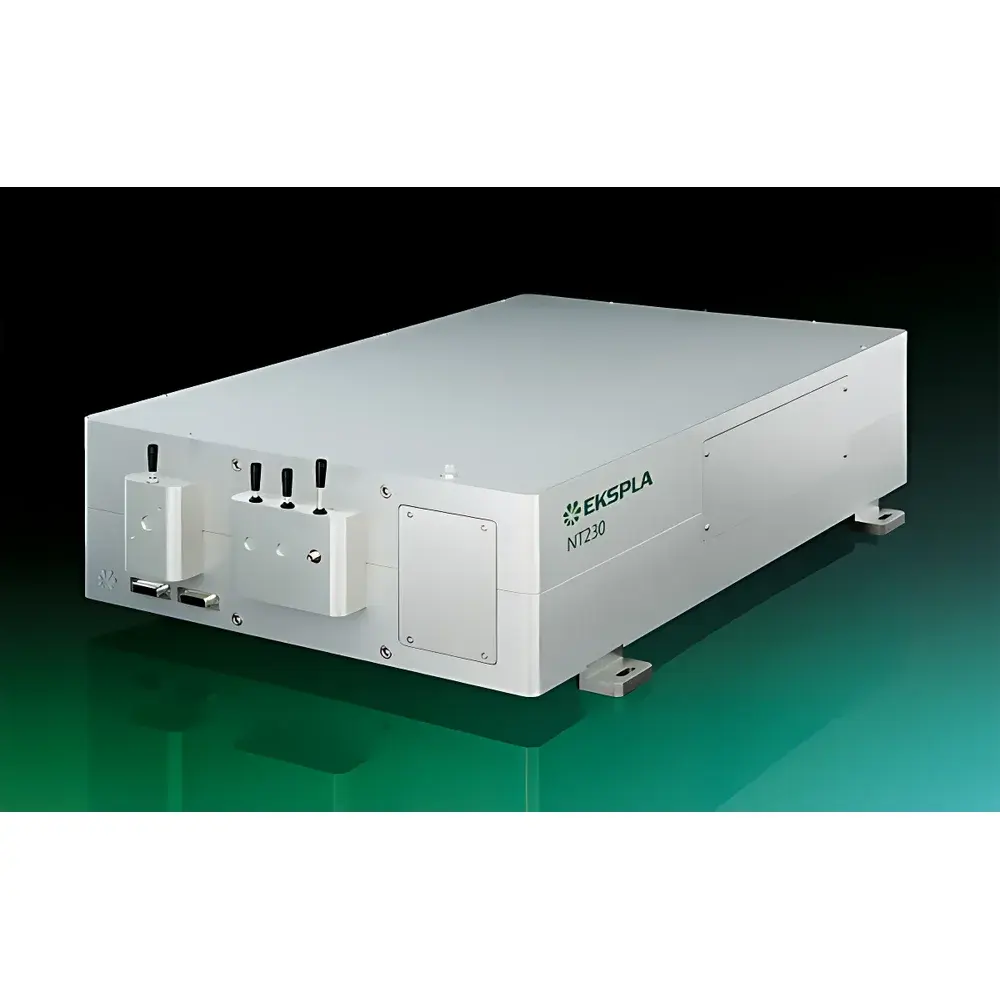
Ekspla NT230 High-Energy, Broadly Tunable DPSS Laser System
| Brand | Ekspla |
|---|---|
| Origin | Lithuania |
| Manufacturer Type | Original Equipment Manufacturer (OEM) |
| Product Type | Diode-Pumped Solid-State (DPSS) Laser with Integrated Optical Parametric Oscillator (OPO) |
| Model | NT230 |
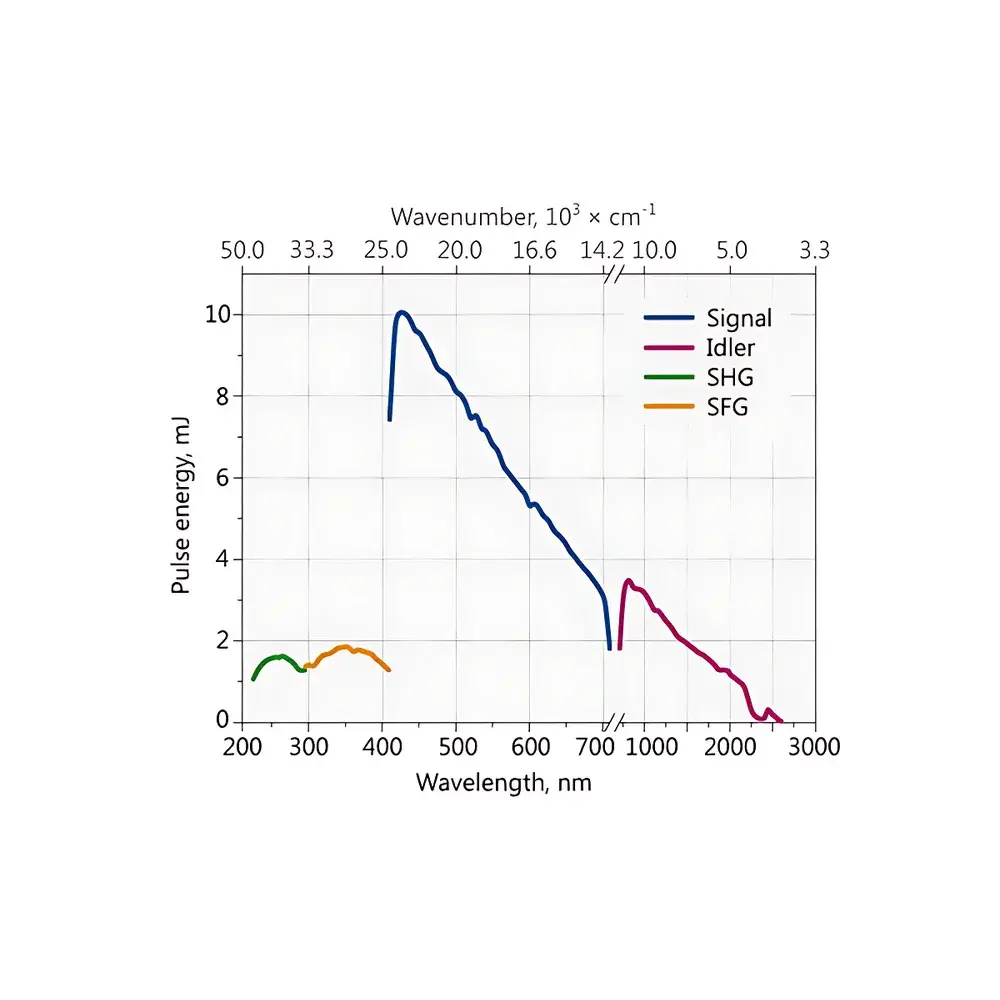
| Output Wavelength Range | 193–2600 nm (continuous, motorized tuning) |
| Pulse Energy (OPO) | up to 10 mJ @ 100 Hz |
| UV Output (266 nm / 355 nm) | ≥1.5 mJ @ 100 Hz |
| Spectral Linewidth | <5 cm⁻¹ |
| Pulse Duration | 3–6 ns |
| Control Interface | USB (RS232 optional), LabVIEW™ drivers included |
| Optional Fixed-Wavelength Outputs | 355 nm, 532 nm, 1064 nm (independent beam paths) |
| Cooling | Closed-loop water cooling |
| Compliance | CE, RoHS, IEC 60825-1:2014 Class 4 Laser Product |
Overview
The Ekspla NT230 is a fully integrated, turnkey diode-pumped solid-state (DPSS) laser system combining a high-stability Q-switched Nd:YAG master oscillator with a synchronously pumped, broadly tunable optical parametric oscillator (OPO) in a single, rigidly aligned chassis. Engineered for demanding spectroscopic and time-resolved applications, the NT230 delivers seamless, motorized wavelength tuning across an exceptional spectral span—from deep ultraviolet (193 nm, generated via quadrupled frequency conversion) through visible and near-infrared (up to 2600 nm)—without manual realignment or optical reconfiguration. Its core architecture leverages intracavity frequency doubling and sum/difference frequency generation within the OPO cavity to achieve high-conversion efficiency and excellent pulse-to-pulse stability. The system operates at a fixed 100 Hz repetition rate with pulse durations of 3–6 ns (FWHM), enabling precise temporal resolution in pump-probe and time-gated detection schemes. All critical alignment optics are factory-optimized and hermetically sealed, ensuring long-term pointing stability and minimal maintenance under continuous laboratory operation.
Key Features
- Monolithic integration of DPSS pump laser and OPO in one thermally stabilized enclosure—eliminates inter-unit coupling losses and alignment drift
- Automated, software-controlled wavelength scanning across 193–2600 nm with ≤0.1 nm step resolution and repeatability better than ±0.3 nm
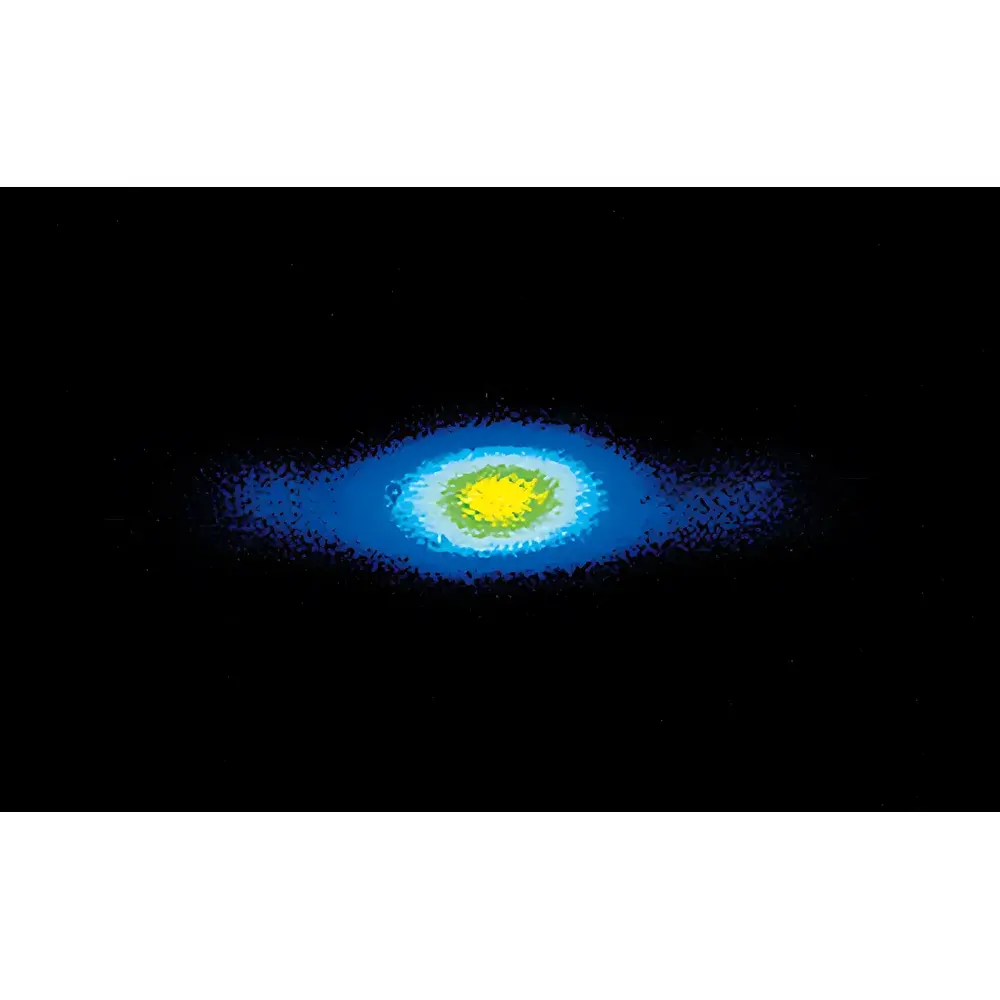
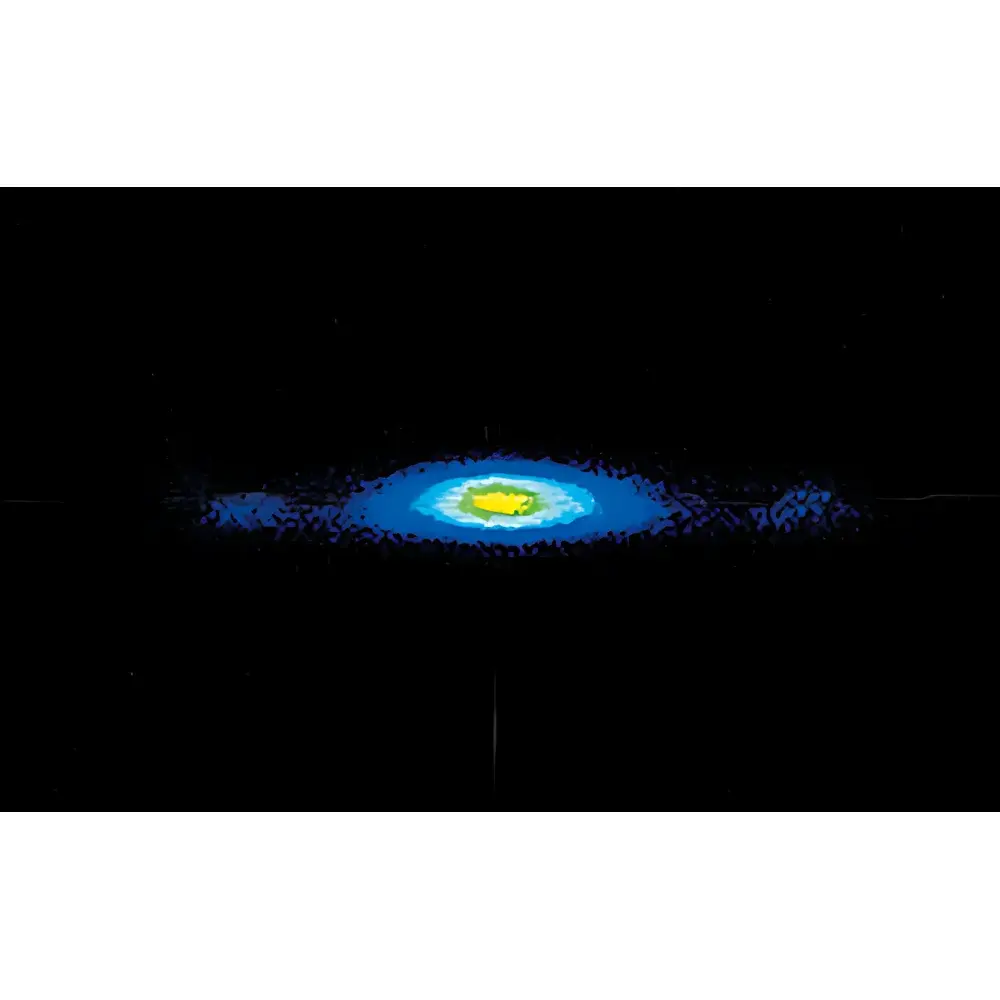
- OPO output energy up to 10 mJ at 100 Hz; UV outputs (266 nm, 355 nm) deliver ≥1.5 mJ per pulse with M² <1.3
- Spectral bandwidth <5 cm⁻¹ (transform-limited for most tuning ranges), supporting high-resolution absorption and Raman excitation
- Dual-control architecture: intuitive handheld remote for rapid parameter adjustment + full PC-based control via USB (RS232 optional)
- Native LabVIEW™ driver suite (NI-VISA compliant) with documented API for custom automation, synchronization with detectors (e.g., ICCD, PMT), and integration into multi-instrument platforms
- Optional independent harmonic output ports (355 nm, 532 nm, 1064 nm) with adjustable attenuation and spatial filtering—enabling simultaneous multi-wavelength experiments
Sample Compatibility & Compliance
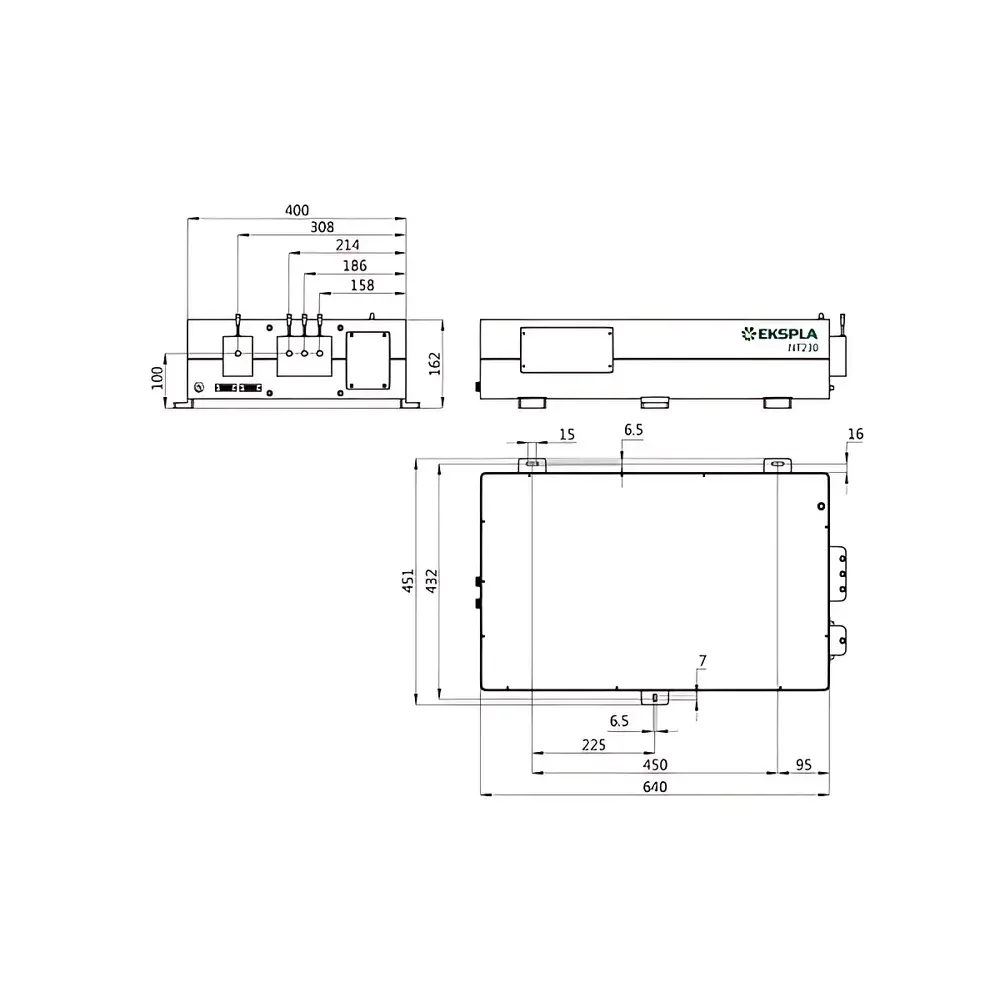
The NT230 is designed for compatibility with standard optical tables, breadboards, and vacuum-compatible beam delivery systems (e.g., fused silica lenses, CaF₂ prisms, reflective off-axis paraboloids). Its beam height (standard 120 mm above baseplate) and mechanical footprint (720 × 620 × 220 mm) conform to ISO 80000-3 dimensional conventions for modular photonics integration. The system meets IEC 60825-1:2014 requirements for Class 4 laser products, including mandatory key-switch interlock, emission indicator LEDs, and shutter-integrated beam dump. Full documentation supports GLP-compliant instrument qualification (IQ/OQ/PQ), and firmware logs include timestamped operational parameters required for audit trails under FDA 21 CFR Part 11 when used in regulated analytical workflows.
Software & Data Management
Control is executed via Ekspla’s proprietary LaserStudio software (Windows 10/11 compatible), offering real-time monitoring of pulse energy (via internal pyroelectric sensor), temperature stabilization status, OPO crystal angle position, and fault diagnostics. All user-defined scan sequences—including wavelength ramps, dwell times, and energy normalization routines—are exportable as XML configuration files. Raw acquisition data (wavelength, energy, shot count) are logged in HDF5 format with embedded metadata (UTC timestamps, operator ID, environmental conditions if external sensors are connected). The LabVIEW™ driver supports asynchronous event handling and hardware-timed triggering (TTL sync input/output), facilitating synchronization with streak cameras, time-correlated single-photon counting (TCSPC) modules, or lock-in amplifiers.
Applications
The NT230 serves as a primary excitation source in advanced photonic research laboratories requiring broad spectral coverage and high pulse energy. It is routinely deployed in laser-induced fluorescence (LIF) studies of transient radicals in combustion diagnostics; ultrafast flash photolysis for tracking photochemical intermediates with sub-nanosecond resolution; multiphoton excitation in optogenetics and photon biology; differential absorption lidar (DIAL) for atmospheric trace gas sensing; coherent anti-Stokes Raman scattering (CARS) microscopy; and photoacoustic tomography where tunable NIR penetration depth optimization is critical. Its stable UV output also supports calibration of spectroradiometers per NIST-traceable protocols (e.g., ASTM E275, ISO 17025).
FAQ
Is the NT230 suitable for use in cleanroom environments?
Yes—the system features sealed optical compartments, low-outgassing materials, and optional HEPA-filtered air purge interface for ISO Class 5 compatibility.
Can the OPO tuning be synchronized with external data acquisition hardware?
Yes—via TTL trigger outputs (programmable delay, width, polarity) and hardware handshake lines compliant with National Instruments PXI and PCIe timing standards.
What maintenance intervals are recommended for continuous operation?
No routine optical alignment is required; annual preventive maintenance includes coolant replacement, thermal sensor calibration, and interlock verification—documented per ISO/IEC 17025 guidelines.
Is remote firmware update supported over USB?
Yes—firmware updates are delivered as signed .bin packages with checksum validation and rollback capability to ensure system integrity during field upgrades.





