
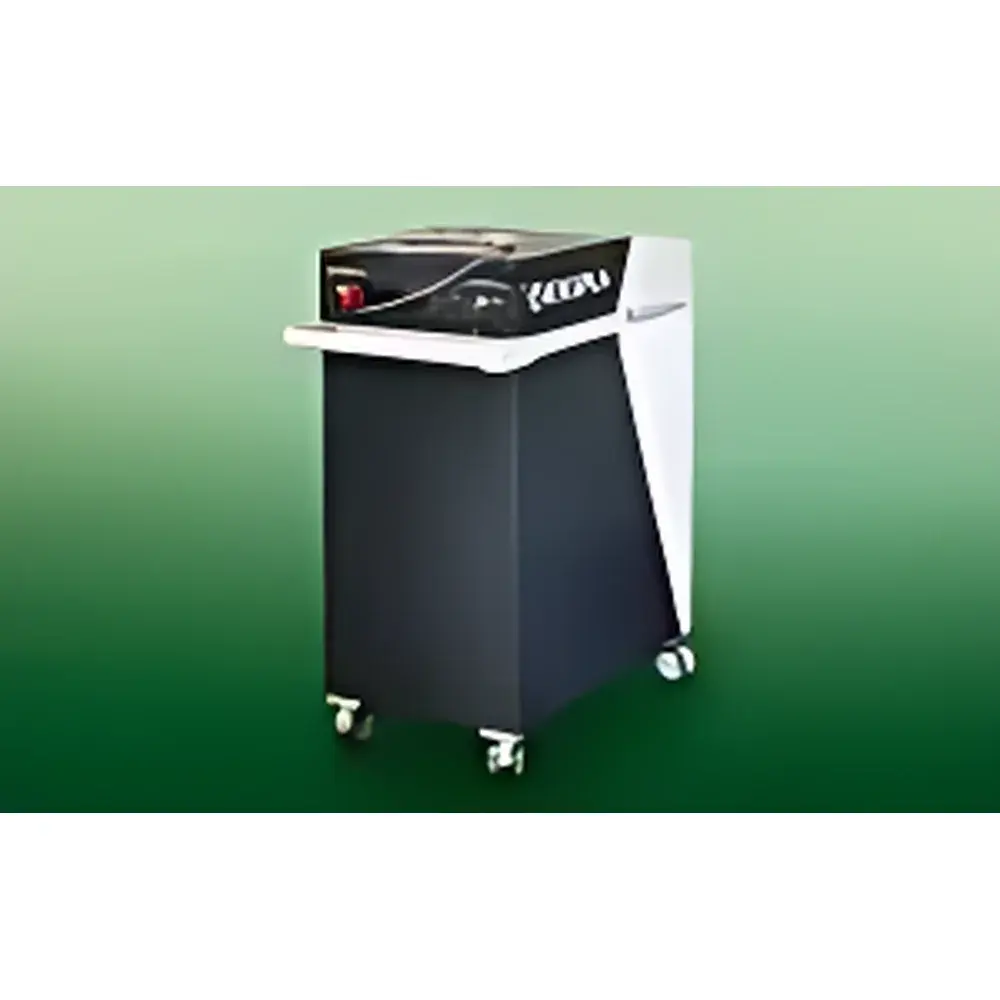
Ekspla PhotoSonus High-Energy Tunable Pulsed Optical Parametric Oscillator Laser System
| Brand | Ekspla |
|---|---|
| Origin | Lithuania |
| Manufacturer Type | OEM Manufacturer |
| Product Category | Imported |
| Model | PhotoSonus |
| Output Energy | Up to 200 mJ per pulse |
| Pulse Repetition Rate | 10 Hz or 20 Hz |
| Wavelength Tuning Speed | ≤100 ms (10 Hz tuning rate) |
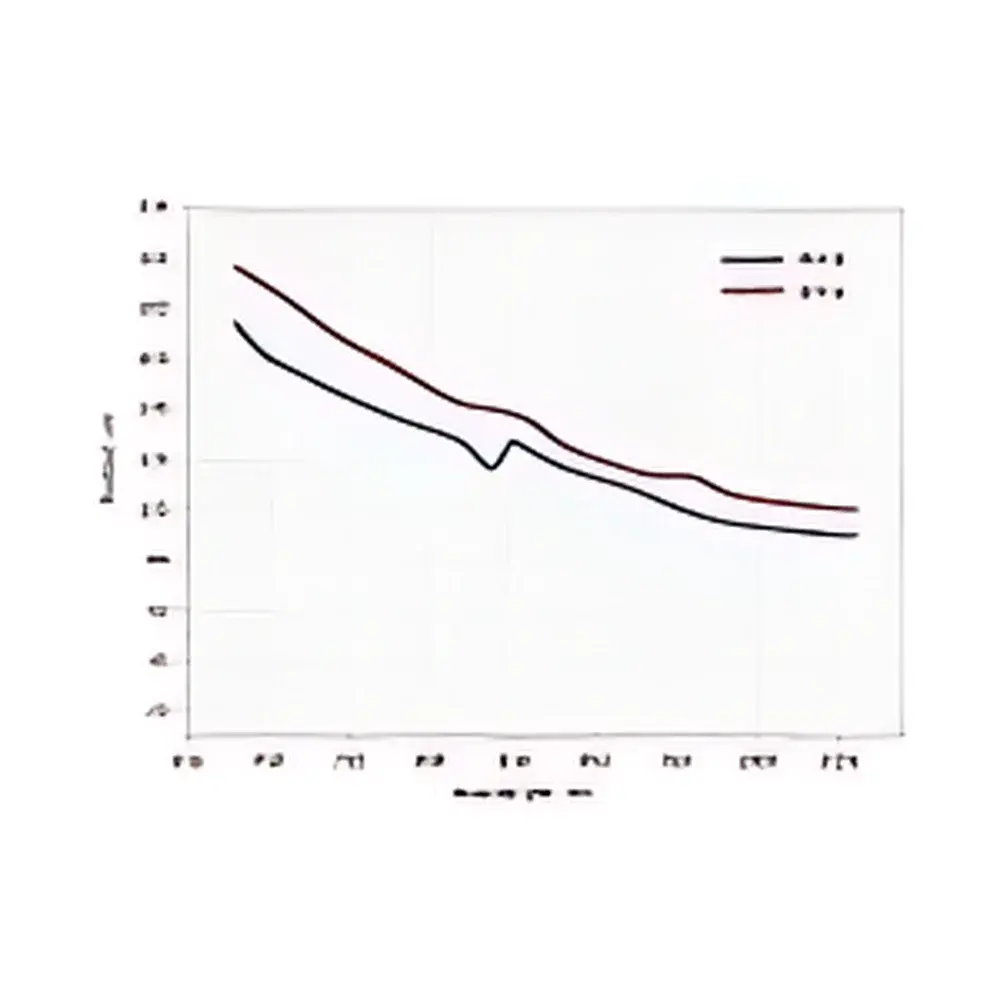
| Tuning Range (Signal) | 410–2600 nm |
| Tuning Range (Idler, optional) | 1064–2300 nm |
| Pump Wavelengths | 1064 nm (fundamental), 532 nm (SHG) |
| Beam Delivery | Customizable fiber-coupled output |
| Control Interface | USB 2.0, LabVIEW-compatible drivers |
| Cooling | Closed-loop air-water hybrid system |
| Power Supply | Integrated universal line voltage (100–240 VAC, 50/60 Hz) |
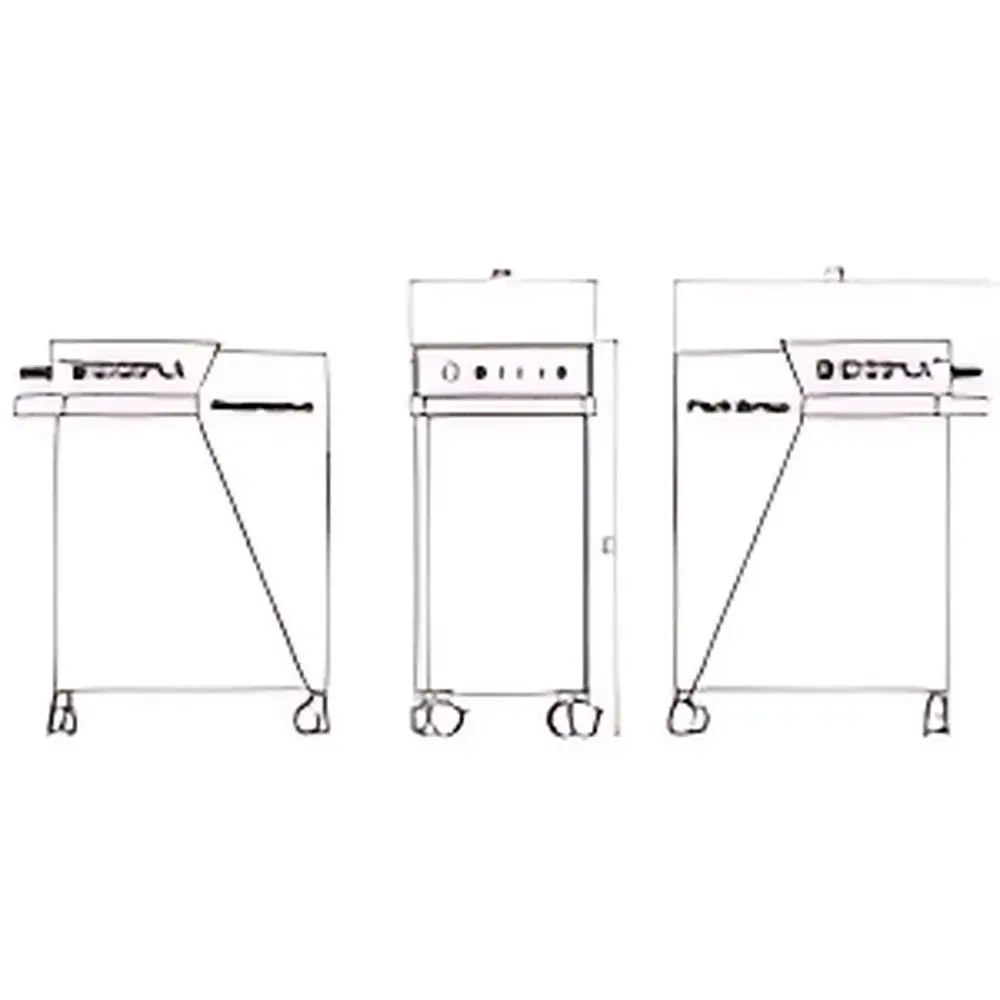
| Dimensions (L×W×H) | 850 × 600 × 250 mm |
| Weight | ~75 kg |
| Compliance | CE, RoHS, IEC 60825-1:2014 Class 4 Laser Product |
Overview
The Ekspla PhotoSonus is a turn-key, high-energy, wavelength-tunable pulsed laser system engineered specifically for photoacoustic imaging (PAI) and time-resolved spectroscopy applications requiring deep tissue penetration and broad spectral coverage. Based on optical parametric oscillator (OPO) technology pumped by a robust, industrial-grade picosecond Nd:YAG laser, the PhotoSonus delivers up to 200 mJ per pulse across a continuous signal tuning range from 410 nm to 2600 nm — with optional access to the idler beam (1064–2300 nm) for extended mid-infrared probing. Its fully integrated architecture consolidates the pump laser, OPO cavity, power supply unit (PSU), and closed-loop air-water cooling system into a single portable chassis, eliminating external water chillers and complex alignment setups. Designed for laboratory mobility and system integration, the PhotoSonus operates as a self-contained source that meets stringent requirements for spatial beam uniformity, pulse-to-pulse stability (<2% RMS), and temporal synchronization — essential for quantitative PAI reconstruction and multi-wavelength spectral unmixing.
Key Features
- High pulse energy output: up to 200 mJ per pulse in the visible–NIR signal band, enabling efficient optoacoustic excitation in scattering biological media
- Fully motorized, computer-controlled wavelength tuning with ≤100 ms step response (10 Hz tuning rate), supporting rapid spectral scanning protocols
- Simultaneous dual-output capability: selectable toggling between OPO signal and fundamental pump wavelengths (1064 nm or 532 nm) via internal beam routing
- Integrated fiber coupling interface with adjustable beam diameter and homogenized spatial profile — optimized for uniform illumination of multimode fiber bundles (up to 1 mm core)
- External triggering support (TTL-compatible inputs/outputs) for precise synchronization with ultrasound detection hardware or data acquisition systems
- LabVIEW-ready drivers and USB 2.0 communication protocol for seamless integration into custom PAI platforms and automated test benches
- Onboard energy monitoring with calibrated photodiode-based energy meter (optional) for real-time pulse energy feedback and closed-loop stabilization
- Motorized variable attenuator (optional) for fine energy control without compromising beam quality or spectral fidelity
Sample Compatibility & Compliance
The PhotoSonus is compatible with standard optical fiber delivery systems used in clinical and preclinical photoacoustic tomography (PAT), including silica-based multimode fibers (400 µm–1 mm core) and hollow-core photonic crystal fibers for mid-IR extension. Its output beam meets ISO 11146-1 M² < 1.3 specifications at key wavelengths (e.g., 700 nm, 1064 nm), ensuring diffraction-limited focusing and reproducible fluence distribution. The system complies with IEC 60825-1:2014 as a Class 4 laser product, incorporating interlocked safety shutters, emission indicators, and emergency stop circuitry. It conforms to CE marking directives (2014/35/EU Low Voltage, 2014/30/EU EMC, 2011/65/EU RoHS), and supports GLP-compliant operation through audit-trail-capable software logging (via third-party DAQ integration). While not FDA-cleared, its performance parameters align with ASTM F2697-21 guidelines for laser sources used in biomedical photoacoustic instrumentation.
Software & Data Management
The PhotoSonus is operated via Ekspla’s proprietary PhotoSonus Control Suite — a Windows-based application offering intuitive wavelength selection, pulse energy monitoring, repetition rate configuration, and trigger delay calibration. All user actions are timestamped and logged in CSV format, supporting traceability for QA/QC documentation. Native LabVIEW VIs (with source code) enable full programmatic control of tuning, attenuation, and synchronization functions within larger imaging pipelines. The system supports IEEE 1451.4 TEDS-compliant metadata embedding for energy sensors and can export calibrated spectral irradiance profiles (W/cm²/nm) directly to MATLAB or Python environments via HDF5 or ASCII interfaces. No cloud connectivity or proprietary firmware lock-in is implemented; all firmware updates are delivered as signed binary packages with version-controlled release notes.
Applications
- Preclinical and clinical photoacoustic tomography (PAT) for functional and molecular imaging of vasculature, oxygen saturation (sO₂), and exogenous contrast agents (e.g., gold nanorods, indocyanine green)
- Time-resolved pump-probe spectroscopy in condensed-phase chemistry and ultrafast material science
- Multi-spectral photoacoustic endoscopy (PAE) using fiber-bundle illumination with wavelength-agile excitation
- Photoacoustic microscopy (PAM) requiring high peak power and sub-10 ns pulse durations for optical-resolution depth sectioning
- Calibration and validation of broadband ultrasound transducers and hydrophones in the 0.1–100 MHz range
- Standoff detection of explosives and hazardous chemicals via mid-IR photoacoustic spectroscopy (using idler output)
FAQ
What is the minimum pulse-to-pulse timing jitter when externally triggered?
Timing jitter is < ±500 ps RMS under TTL triggering conditions, measured at the laser head output port with a fast photodiode and oscilloscope.
Can the system operate continuously at 20 Hz across the entire tuning range?
Yes — thermal management and pump diode duty cycle are engineered for sustained 20 Hz operation at all wavelengths; average power dissipation remains within safe limits due to the closed-loop air-water cooling architecture.
Is the idler beam available simultaneously with the signal output?
No — signal and idler outputs are mutually exclusive by default; simultaneous extraction requires an optional dichroic beam splitter and separate collimation path, which must be specified at order entry.
Does the system include beam diagnostics such as M² or divergence measurement tools?
No built-in M² analyzer is included, but the output beam satisfies ISO 11146-1 specifications; users may integrate third-party beam profilers via standard kinematic mounts on the output port.
What is the expected lifetime of the OPO crystal under normal operating conditions?
The BBO/LiNbO₃ OPO crystal set is rated for >1 × 10⁹ shots at maximum energy and 20 Hz repetition rate, assuming proper thermal stabilization and clean-room handling during maintenance intervals.





