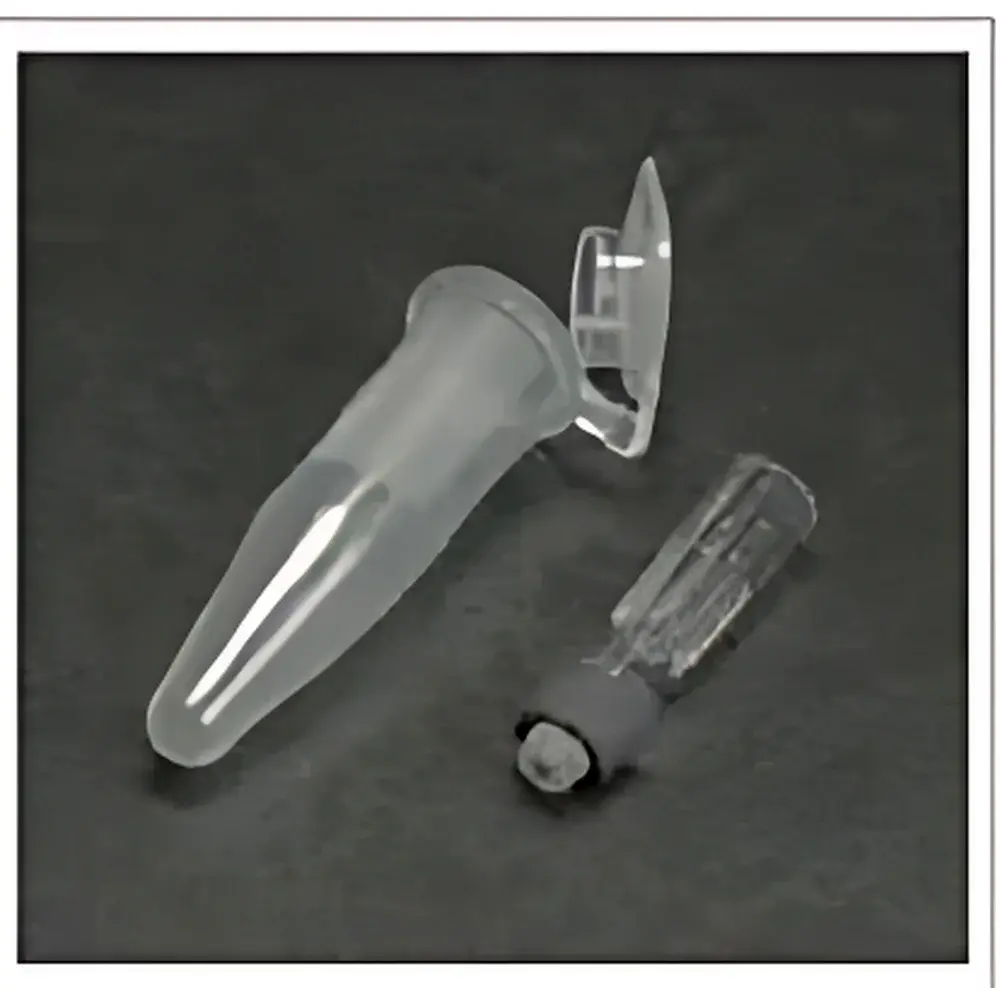
Fast Micro-Equilibrium DIALYZERTM
| Origin | USA |
|---|---|
| Manufacturer Type | Distributor |
| Origin Category | Imported |
| Model | Fast Micro-Equilibrium DIALYZERTM |
| Pricing | Upon Request |
Overview
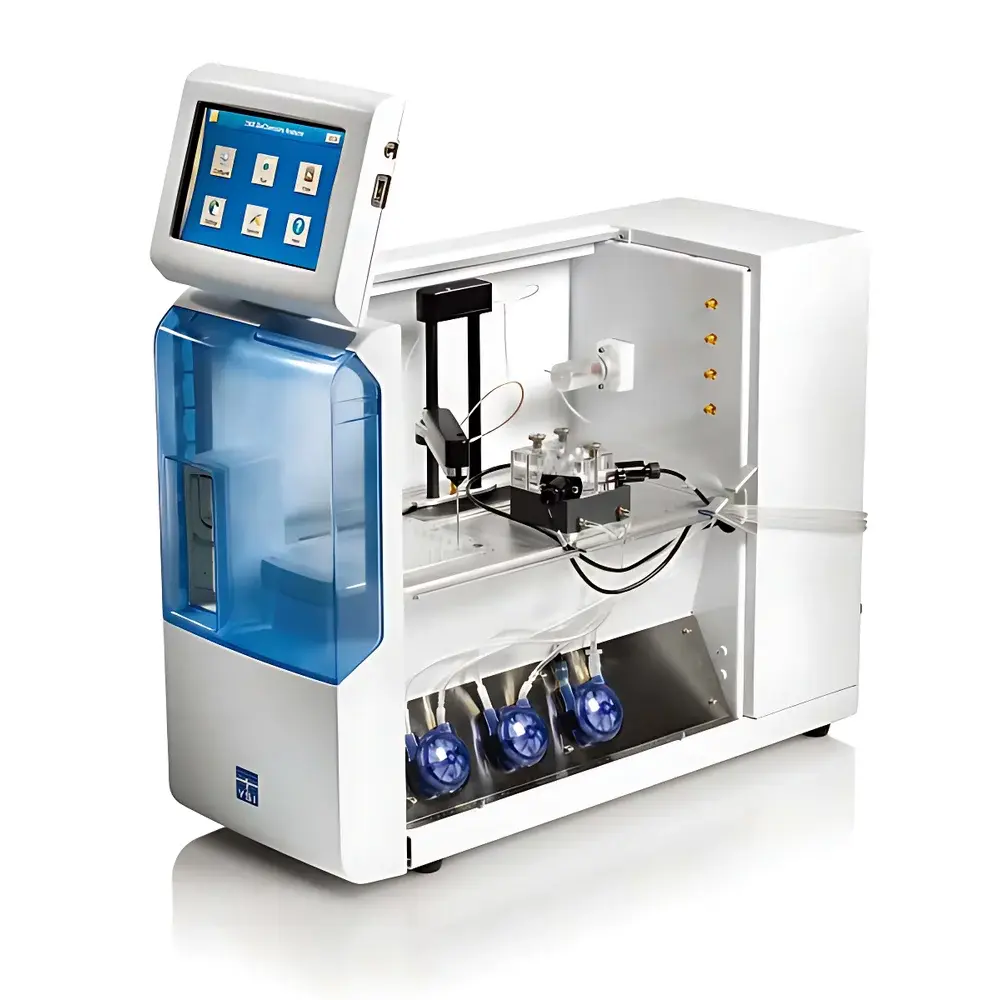
The Fast Micro-Equilibrium DIALYZERTM is a precision-engineered microdialysis device designed for rapid, reliable, and quantitative assessment of ligand-protein binding equilibria in physiological and pharmacological research. Operating on the principle of equilibrium dialysis—where analyte distribution across a semi-permeable membrane reaches thermodynamic equilibrium—the system enables direct measurement of free versus bound drug fractions under controlled buffer conditions. Unlike conventional macro-scale dialysis setups, this instrument is optimized for ultra-low-volume sample handling (25–1500 µL), minimizing reagent consumption while maintaining high mass-transfer efficiency and kinetic fidelity. Its compact, modular architecture supports integration into automated liquid-handling workflows and is routinely deployed in early-stage ADME (Absorption, Distribution, Metabolism, Excretion) profiling, plasma protein binding studies, and receptor-ligand affinity screening.
Key Features
- Micro-volume compatibility: Precisely engineered chambers accommodate sample volumes from 25 µL to 1500 µL, enabling efficient use of scarce biological matrices (e.g., human cerebrospinal fluid, micro-sampled plasma, or recombinant protein preparations).
- High-integrity membrane interface: Utilizes certified regenerated cellulose or polyethersulfone membranes with defined molecular weight cutoffs (typically 10–14 kDa), ensuring consistent retention of target proteins while permitting unimpeded diffusion of low-MW ligands.
- Thermostatically stabilized chamber design: Integrated temperature control (±0.2 °C) maintains physiological or assay-specific incubation conditions (e.g., 37 °C for plasma binding, 4 °C for labile complexes), critical for preserving complex stability during equilibration.
- Reduced adsorption surfaces: All wetted components are fabricated from low-binding polymers (e.g., cyclo-olefin copolymer) and undergo rigorous surface passivation to minimize non-specific ligand loss—a key requirement for accurate Kd determination at sub-nanomolar concentrations.
- Modular scalability: Multiple units can be operated in parallel under identical environmental conditions, supporting statistical replication and high-throughput comparative studies without cross-contamination risk.
Sample Compatibility & Compliance
The Fast Micro-Equilibrium DIALYZERTM is validated for use with human and animal serum, plasma, cerebrospinal fluid (CSF), tissue homogenates, and purified protein solutions (e.g., HSA, α1-acid glycoprotein, cytochrome P450 isoforms). It complies with core methodological standards referenced in regulatory guidance documents—including FDA’s Guidance for Industry: In Vitro Drug Metabolism and Pharmacokinetics Studies and EMA’s Note for Guidance on Investigation of Drug Interactions. While the device itself is not a medical device per ISO 13485, its configuration supports GLP-compliant study execution when paired with validated analytical endpoints (e.g., LC-MS/MS quantification) and documented instrument qualification (IQ/OQ/PQ). Full audit trails for experimental parameters (temperature, equilibration time, batch identifiers) are maintained through compatible laboratory information management systems (LIMS).
Software & Data Management
No embedded firmware or proprietary software is required for operation; the system functions as a passive, hardware-based equilibrium platform. However, it is fully interoperable with standard laboratory data acquisition and analysis environments—including Excel-based calculation templates aligned with USP General Chapter <1058> Analytical Instrument Qualification, GraphPad Prism for nonlinear regression fitting of binding isotherms, and Watson LIMS for electronic record retention. Experimental metadata (sample ID, membrane lot number, incubation duration, temperature log files) can be exported in CSV or XML format to support 21 CFR Part 11–compliant workflows when integrated with validated electronic signature modules.
Applications
- Quantitative plasma protein binding (PPB) assessment across lead compound libraries during preclinical candidate selection.
- Determination of unbound fraction (fu) for CNS-penetrant drugs using paired CSF/plasma dialysis experiments.
- Characterization of competitive binding displacement by co-administered therapeutics or metabolites.
- Validation of in silico binding predictions via empirical equilibrium partitioning measurements.
- Stability assessment of drug-protein complexes under varying pH or ionic strength conditions.
FAQ
What is the recommended equilibration time for most small-molecule drugs?
Equilibration times are analyte-dependent but typically range from 4 to 24 hours at 37 °C; validation experiments should establish time-to-equilibrium for each compound using serial sampling.
Can the device be used with viscous or lipid-rich matrices such as whole blood or liposomal formulations?
No—whole blood requires prior centrifugation to isolate plasma or serum; liposomal suspensions may clog membranes and are not supported without pre-filtration or alternative separation methods.
Is membrane reuse permitted between experiments?
Membranes are single-use components to prevent carryover and ensure reproducible mass transfer characteristics; reuse invalidates binding calculations and violates GLP best practices.
How is temperature uniformity verified across multiple units in parallel operation?
Independent digital temperature loggers (NIST-traceable) are recommended for periodic verification; chamber design ensures thermal coupling within ±0.3 °C across adjacent units under steady-state conditions.