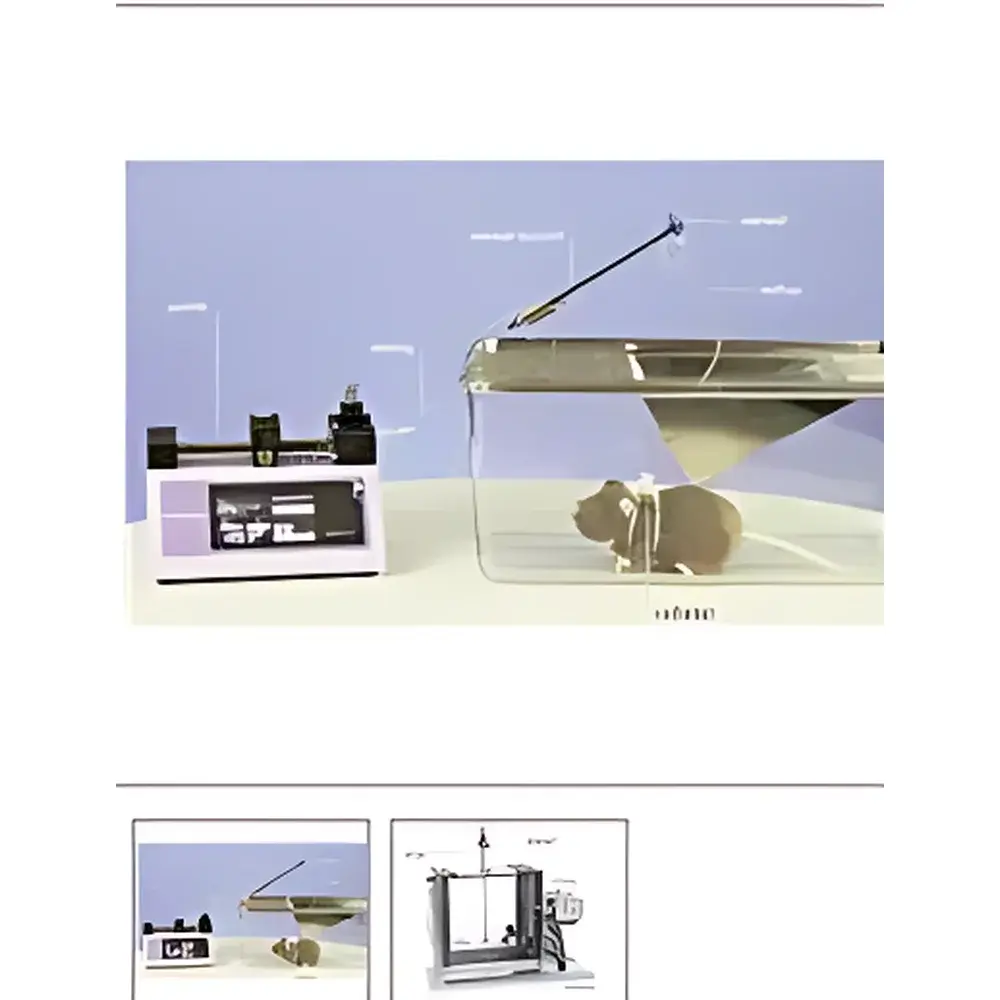
Free-moving Conscious Animal Blood Sampling and Drug Administration System
| Origin | USA |
|---|---|
| Manufacturer Type | Distributor |
| Origin Category | Imported |
| Model | Custom Configurable |
| Pricing | Upon Request |
Overview
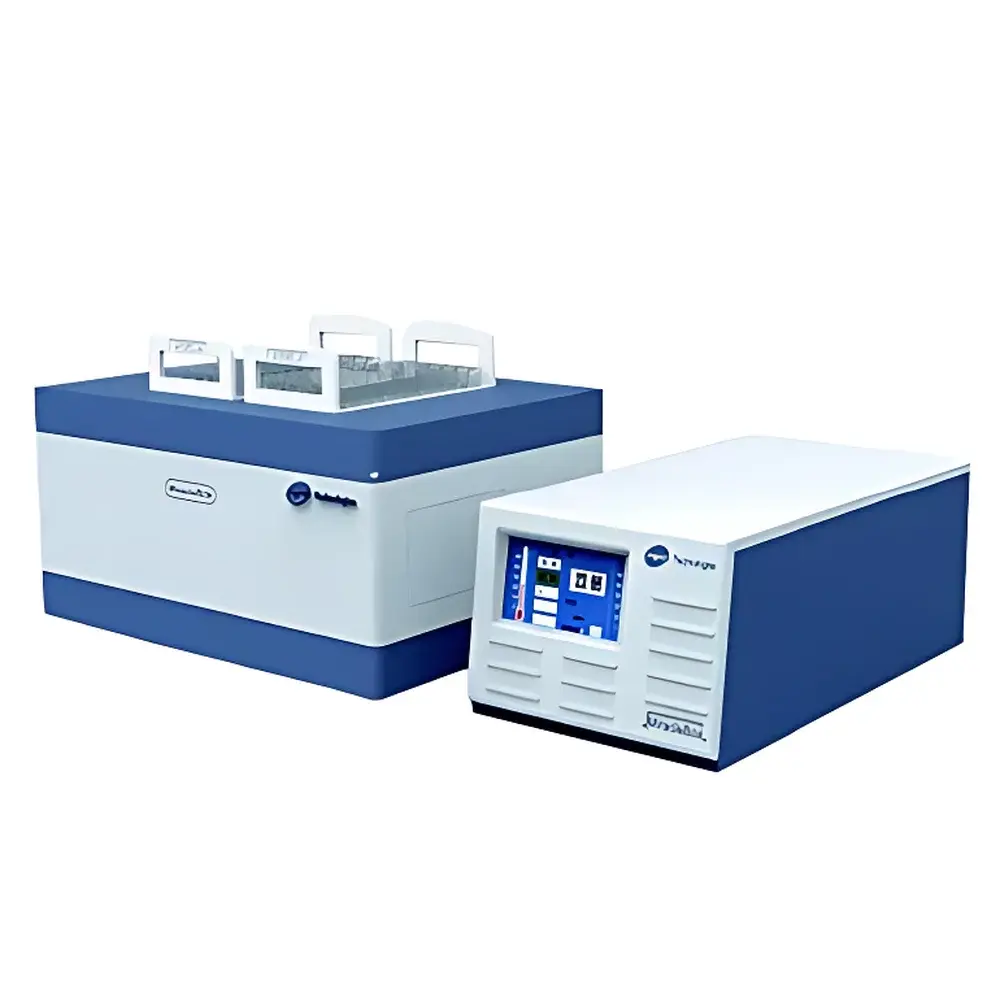
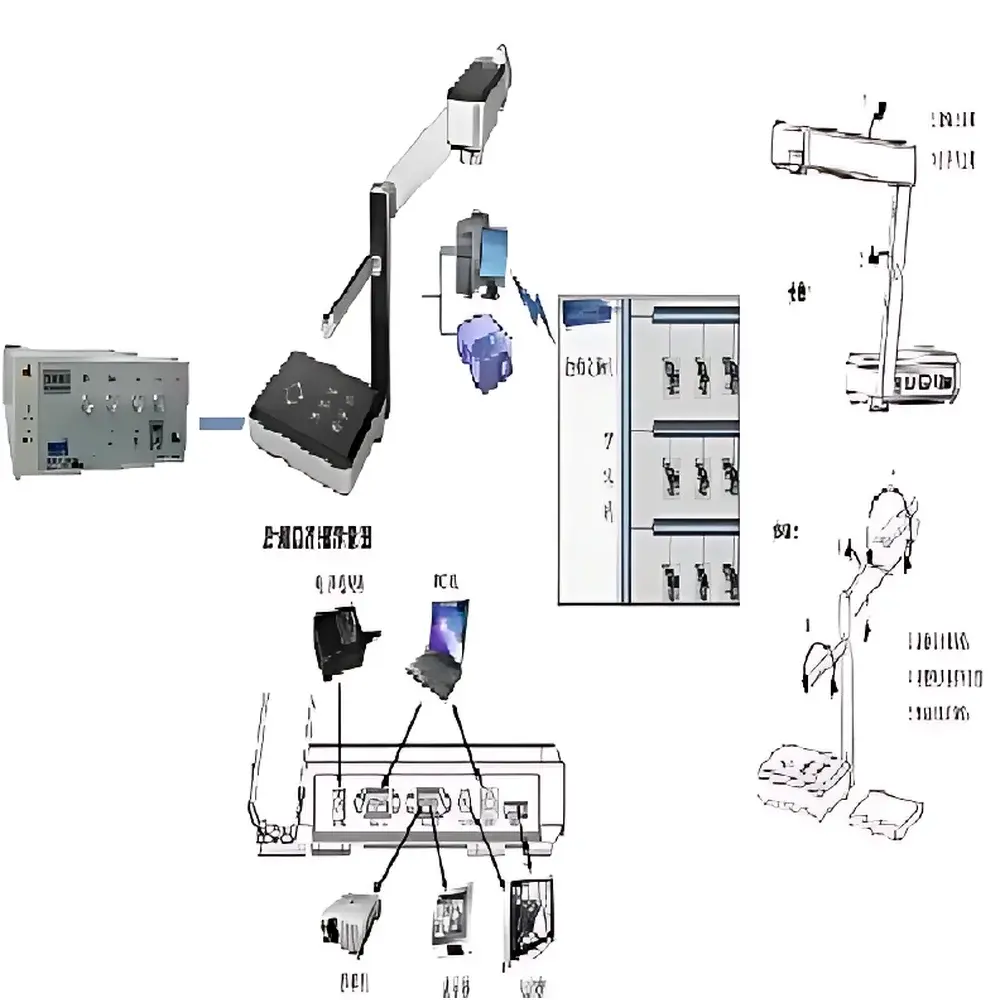
The Free-moving Conscious Animal Blood Sampling and Drug Administration System is an integrated preclinical research platform engineered for longitudinal, stress-free physiological and pharmacokinetic studies in unrestrained, conscious animals. Unlike conventional intermittent injection or terminal sampling methods—which induce acute stress responses, circadian disruption, and hemodynamic artifacts—this system enables continuous, automated intravenous or subcutaneous drug delivery alongside serial blood or interstitial fluid sampling without physical restraint or anesthesia. Its operational principle relies on chronically implanted vascular catheters (e.g., jugular vein or carotid artery) connected via flexible, low-torque tethering to externally mounted precision syringe pumps and automated fraction collectors. A rotating swivel joint (torque-compensated commutator) eliminates cable twist during natural ambulation, preserving baseline locomotor behavior and autonomic stability. Designed for compliance with NIH Guide for the Care and Use of Laboratory Animals and AAALAC International standards, the system supports GLP-aligned study execution where physiological fidelity is non-negotiable.
Key Features
- Modular tethered architecture with 360° low-friction rotary swivel (stainless steel or PEEK housing), rated for ≥10⁶ rotations and compatible with up to 4 independent fluid lines
- High-precision programmable syringe pumps (0.001–10 mL/h flow range, ≤±0.35% accuracy, pulseless peristaltic or micro-stepper-driven delivery)
- Automated sequential blood sampling module with real-time heparinized flush, clot inhibition, and temperature-controlled (4°C) fraction collection (0.1–2.0 mL/vial, up to 96 fractions)
- Animal-specific wearable harnesses and vest systems—adjustable for mice (18–35 g), rats (200–500 g), rabbits, dogs (5–25 kg), and cats—with breathable mesh, pressure-distributed load bearing, and quick-release buckles
- Integrated telemetry-ready interface for synchronization with physiological monitors (ECG, BP, EEG, temperature) via TTL or analog output triggers
- Chemical-resistant, biocompatible tubing (PEEK, FEP, or silicone) with USP Class VI certification and endotoxin-free processing
Sample Compatibility & Compliance
The system accommodates whole blood, plasma, serum, cerebrospinal fluid (CSF), and microdialysate across rodent and non-rodent species. All wetted components comply with ISO 10993-5 (cytotoxicity) and ISO 10993-10 (irritation/sensitization) requirements. Catheter materials meet ASTM F640 (radiopacity) and USP / biological reactivity standards. Data acquisition workflows support 21 CFR Part 11-compliant electronic signatures and audit trails when paired with validated LIMS or CDS platforms. System validation documentation—including IQ/OQ protocols, pump calibration certificates, and swivel torque verification reports—is provided per client request to facilitate IACUC protocol submission and regulatory inspection readiness.
Software & Data Management
Control and scheduling are managed via Windows-based application with intuitive graphical timeline programming (e.g., staggered IV bolus + constant-rate infusion + timed sampling windows). Software logs timestamped event records (pump activation, sample trigger, swivel position, error codes) with UTC-synchronized clocks. Export formats include CSV, HDF5, and XML for direct ingestion into Phoenix WinNonlin®, MATLAB®, or Python-based PK/PD modeling pipelines. Optional API integration (RESTful HTTP/JSON) enables bidirectional communication with third-party data warehouses and ELN systems. Audit trail functionality captures user ID, action type, timestamp, and pre-/post-value for all parameter modifications—fully traceable for FDA or EMA audit review.
Applications
- Pharmacokinetic/pharmacodynamic (PK/PD) profiling under physiologically relevant conditions, including circadian rhythm-intact dosing regimens
- Neuropharmacology studies requiring simultaneous systemic drug administration and CSF sampling or microdialysis
- Toxicokinetic assessment of metabolite accumulation during multi-day repeat-dose studies
- Endocrine challenge testing (e.g., insulin tolerance, dexamethasone suppression) with minimally perturbed HPA axis response
- Immunomodulator evaluation where stress-induced cytokine release would confound interpretation
- Cardiovascular safety pharmacology integrating continuous BP/HR telemetry with timed biomarker sampling
FAQ
Can this system be used for both intravenous and subcutaneous drug administration?
Yes—the modular fluid path design supports dual-line configurations for concurrent IV infusion and SC bolus, with independent pump control and line priming sequences.
What is the maximum duration of uninterrupted operation for chronic studies?
With appropriate catheter maintenance and anticoagulant regimen, validated protocols support continuous operation for up to 28 days in rats and 14 days in dogs, per published literature and internal longevity testing.
Is the system compatible with MRI or PET imaging environments?
Non-magnetic configurations (titanium swivel, carbon-fiber arm, MR-safe tubing) are available; full MRI compatibility requires custom shielding and RF-decoupled electronics—contact engineering support for site-specific qualification.
How is sample integrity maintained during automated collection?
Each fraction vial is purged with inert gas (N₂ or Ar), chilled to 4°C prior to collection, and sealed under positive pressure to prevent oxidation, protease activity, and microbial contamination.
Do you provide surgical implantation guidance and post-operative care protocols?
Comprehensive SOPs—including aseptic catheterization techniques, analgesia schedules, and harness acclimatization timelines—are included with every system shipment and updated annually per current AVMA guidelines.