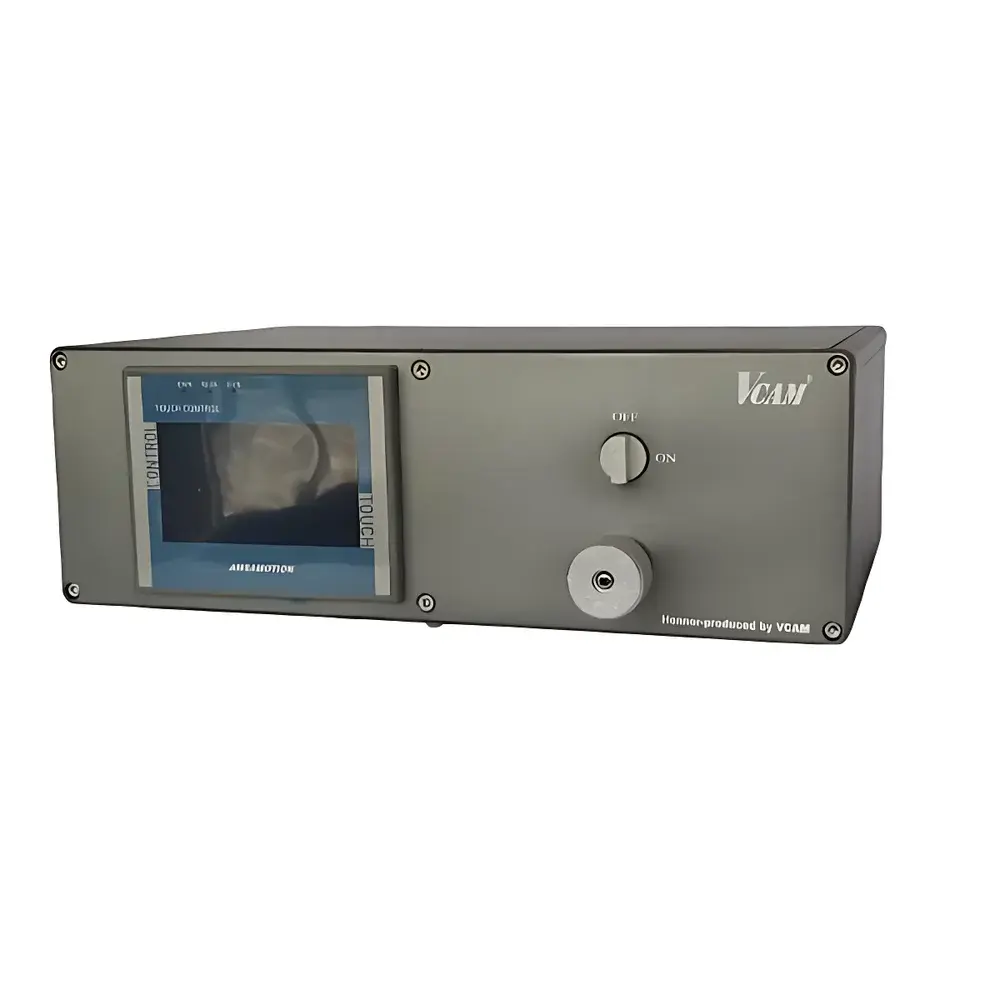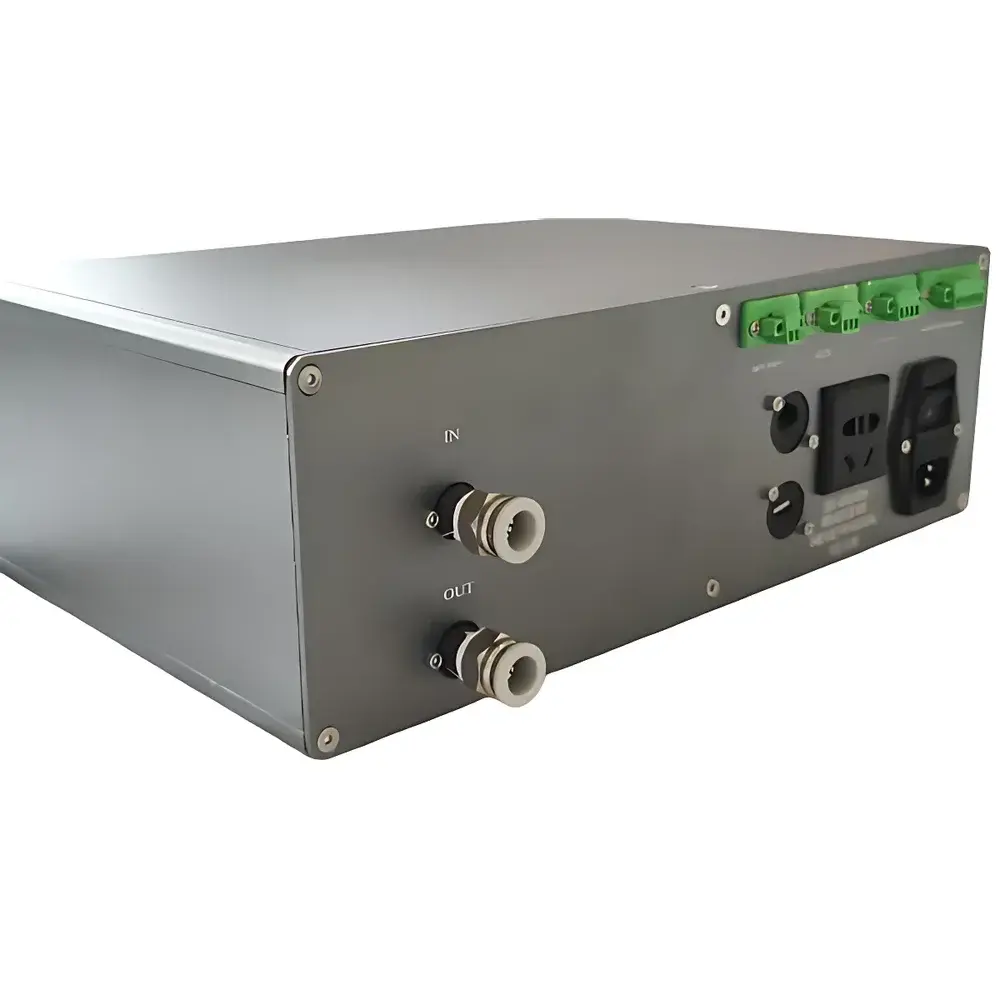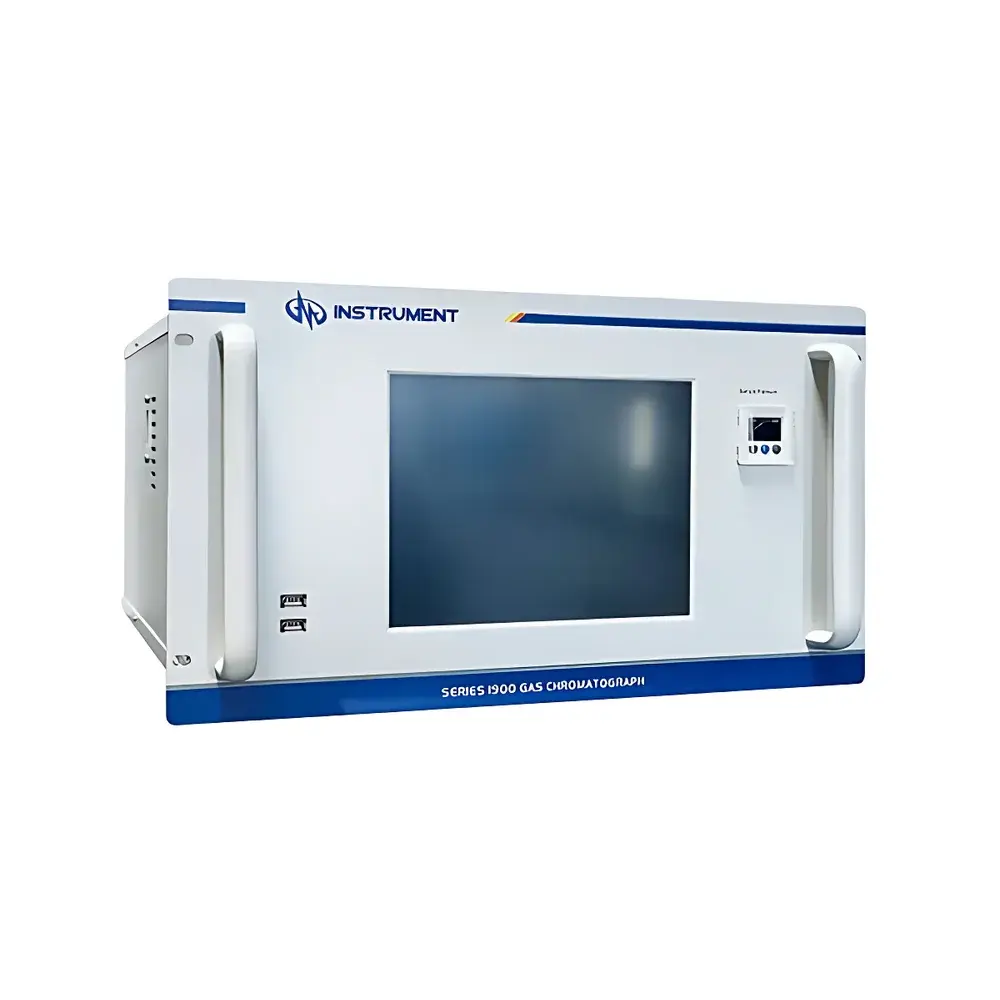
GOW-MAC GM 1900 Series Online Gas Chromatograph
| Brand | GOW-MAC |
|---|---|
| Model | GM 1900 |
| Origin | Beijing, China |
| Detector Options | DID-V, TCD, FID |
| Detection Limit (CH₄) | <10 ppb |
| Operating Mode | Continuous 24/7 online analysis |
| Temperature Control | Microprocessor-regulated inlet, column oven, and detector zones |
| User Interface | High-resolution resistive touch LCD panel |
| Corrosion Protection | Wet-coated wetted surfaces |
| Compliance Features | Built-in self-diagnostic, purge gas safeguard, auto-reboot on power recovery, alarm logging |
Overview
The GOW-MAC GM 1900 Series Online Gas Chromatograph is an industrial-grade analytical platform engineered for continuous, unattended gas composition monitoring in process environments. Based on proven packed- and capillary-column gas chromatography principles, the system separates volatile compounds via differential partitioning between a mobile gas phase (carrier gas) and a stationary phase coated inside the chromatographic column. Retention time profiling enables compound identification, while peak area or height quantification supports precise concentration determination—down to sub-ppb levels for key species such as methane, hydrogen, oxygen, nitrogen, carbon monoxide, and hydrocarbon impurities. Designed for dual-use deployment, the GM 1900 operates reliably both as a dedicated online analyzer in petrochemical, semiconductor, and specialty gas production facilities, and as a high-stability laboratory reference instrument for method validation and calibration traceability.
Key Features
- Modular detector architecture supporting simultaneous or sequential installation of DID-V (Dielectric Ionization Detector – Vacuum), TCD (Thermal Conductivity Detector), and FID (Flame Ionization Detector), each optimized for specific compound classes and detection thresholds
- Microprocessor-controlled temperature management across all critical zones: programmable column oven (ambient to 250 °C), heated inlet (up to 200 °C), and detector blocks (independently regulated)
- Integrated mass flow controllers (MFCs) and pressure-regulated pneumatic system ensuring stable carrier gas delivery and reproducible retention times across extended run cycles
- Resistive-touch LCD interface with intuitive menu navigation; real-time display of system status, chromatograms, alarm logs, and configuration parameters
- Corrosion-resistant wetted-path construction using vacuum-deposited inert coatings (e.g., SilcoNert® or Sulfinert® equivalents) on valves, liners, and transfer lines—validated for aggressive matrices including HCl, HF, Cl₂, and NH₃
- Robust operational safeguards: automated power-on diagnostics, continuous purge gas supervision, configurable fault-triggered shutdown protocols, and non-volatile memory retention of method files during brownout events
Sample Compatibility & Compliance
The GM 1900 accommodates a broad range of permanent gases and light hydrocarbons—including He, Ne, Ar, H₂, O₂, N₂, CO, CO₂, CH₄, C₂H₂, C₂H₄, C₂H₆, and SF₆—across varying matrix compositions. Its valve-and-loop gas sampling manifold is configurable for background-specific separation schemes: e.g., helium-purged systems for ultra-trace hydrocarbon analysis in high-purity He, or argon-based configurations for oxygen/nitrogen determination in synthetic air. All hardware and firmware comply with IEC 61000-6-2 (EMC immunity) and IEC 61000-6-4 (EMC emissions) standards. Data integrity protocols align with ALCOA+ principles; audit trail functionality, electronic signature support, and user-access-level permissions are available through optional software modules compliant with FDA 21 CFR Part 11 and EU Annex 11 requirements.
Software & Data Management
The embedded GC control software provides full instrument orchestration: method creation (including multi-step temperature ramps, valve event sequencing, and detector parameter scheduling), real-time chromatogram visualization, peak integration with customizable baseline algorithms, and automated report generation in PDF or CSV format. Raw data files (.raw or .cdf) are stored locally on industrial-grade SD card or external USB drive with timestamped metadata. Optional network-enabled versions support Modbus TCP and OPC UA connectivity for integration into DCS/SCADA architectures. Remote access via secure TLS-encrypted web interface allows off-site method updates, diagnostic review, and alarm acknowledgment—without compromising local operational autonomy.
Applications
- Ultra-high-purity (UHP) electronic gas certification: ppb-level quantification of CH₄, CO, CO₂, H₂O, and total hydrocarbons in bulk silicon process gases (e.g., Ar, N₂, He, H₂)
- Petrochemical refinery stream monitoring: real-time C₁–C₅ hydrocarbon profiling in FCC off-gas, hydrotreater purge streams, and amine regeneration vents
- Industrial gas manufacturing QA/QC: batch release testing of medical oxygen, welding-grade argon, and laser-mix gases per ISO 8573-1 purity classes
- Environmental emission compliance: continuous measurement of VOCs and greenhouse gases from incineration stacks and biogas upgrading units
- Research-scale reaction monitoring: kinetic studies of catalytic reforming, methanation, or Fischer–Tropsch synthesis under controlled temperature/pressure conditions
FAQ
What carrier gases are compatible with the GM 1900 Series?
Helium, hydrogen, nitrogen, and argon are supported; optimal choice depends on detector type, column chemistry, and required resolution/speed trade-offs.
Can the system operate without a dedicated PC?
Yes—the onboard microcontroller handles all acquisition, processing, and storage functions independently; external PCs are only required for advanced reporting or remote supervision.
Is method transfer possible between laboratory and online GM 1900 units?
Absolutely—identical column sets, detector configurations, and software versions ensure direct method portability and inter-unit comparability under GLP/GMP conditions.
How often does the DID-V detector require maintenance?
Under typical UHP gas service, electrode cleaning and vacuum pump oil replacement are recommended every 6–12 months; no filament replacement is needed.
Does the system support ASTM or ISO-compliant reporting templates?
Preconfigured report layouts conform to ASTM D1945 (analysis of natural gas), ISO 6974 (natural gas—determination of composition), and ISO 8573-5 (compressed air—test methods for oil content).