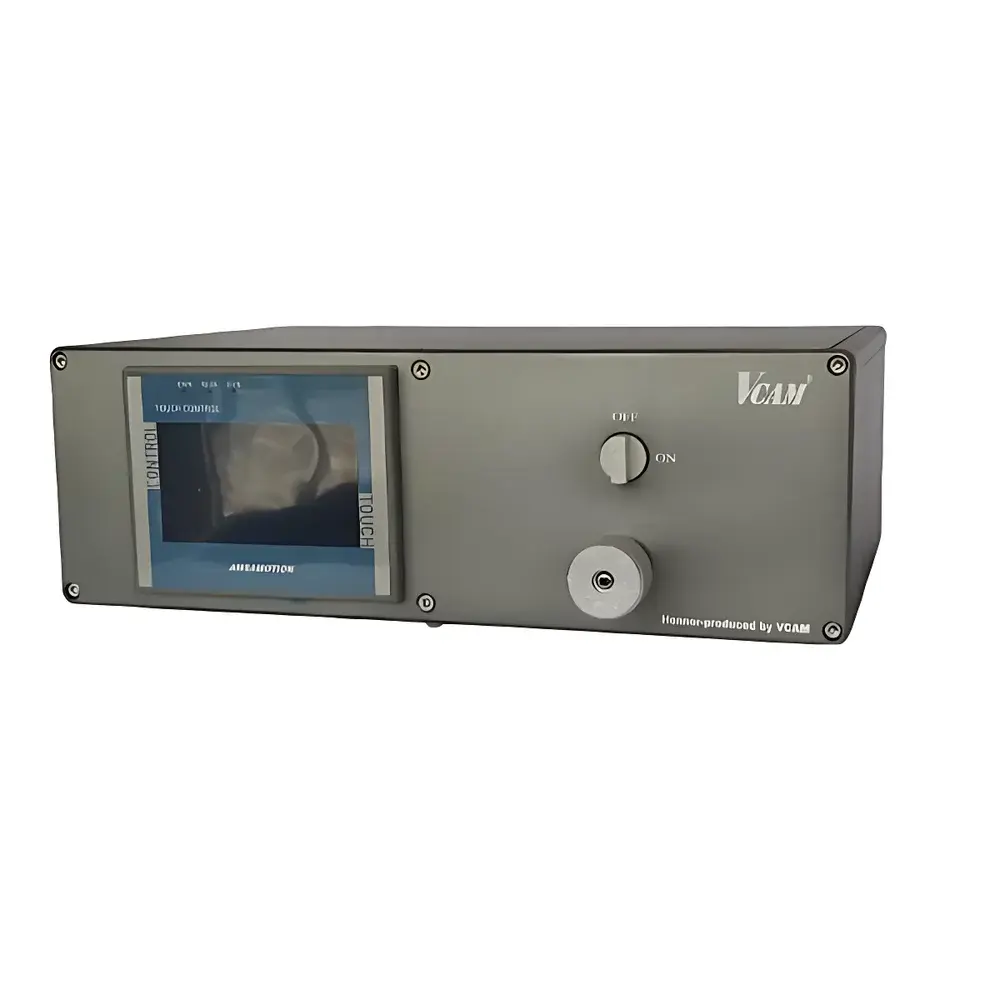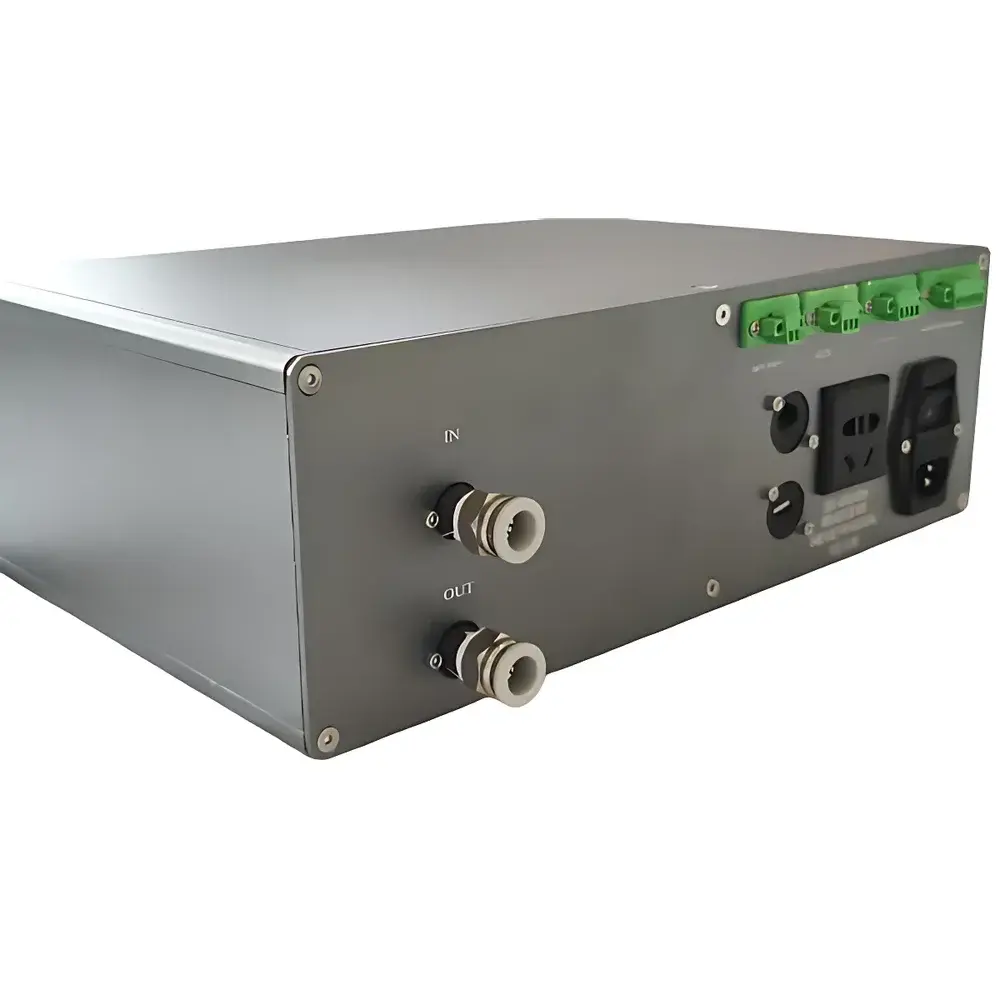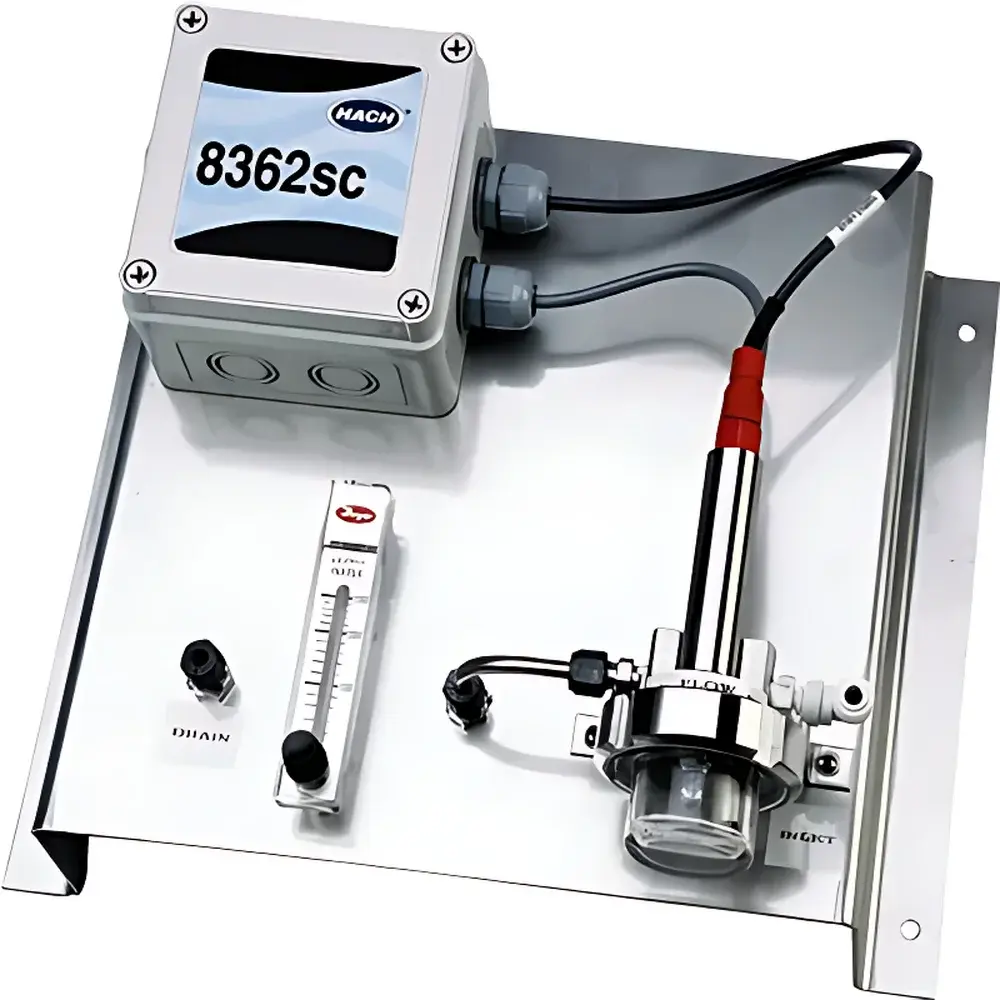
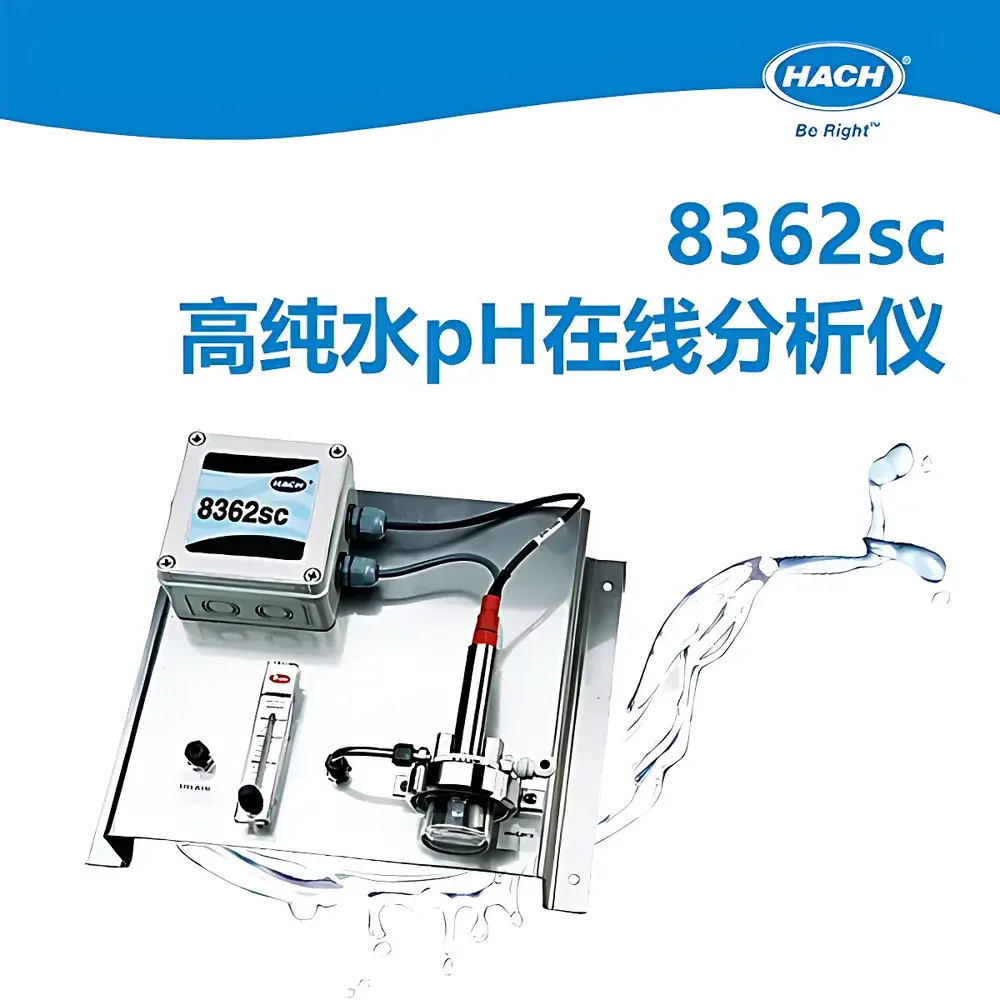
HACH 8362sc High-Purity Water Online pH Analyzer
| Brand | HACH |
|---|---|
| Origin | USA |
| Manufacturer Type | Original Equipment Manufacturer (OEM) |
| Country of Origin | Imported |
| Model | 8362sc |
| Pricing | Upon Request |
| Measurement Range | pH 2–12 |
| ORP | −1500 to +1500 mV |
| Sample Temperature Range | 0–80 °C |
| Accuracy | ±0.05 pH / ±3 mV (at 25 °C, conductivity >1 μS/cm, stable flow) |
| Enhanced Accuracy Mode | ±0.01 pH / ±3 mV (same conditions) |
| Repeatability | 0.01 pH |
| Temperature Sensor Accuracy | ±0.1 °C (0–80 °C) |
| Ambient Operating Temperature | 0–60 °C |
| Ambient Humidity | 0–100 % RH (non-condensing) |
| Sample Flow Rate | 100–300 mL/min |
| Max Sample Pressure | 4 bar (at 25 °C) |
Overview
The HACH 8362sc Online pH Analyzer is an engineered solution for continuous, high-accuracy pH and ORP monitoring in ultrapure water systems—commonly deployed in semiconductor manufacturing, pharmaceutical water-for-injection (WFI) loops, power plant boiler feedwater, and laboratory-grade deionized water distribution networks. It operates on the potentiometric principle, measuring the electromotive force (EMF) generated across a glass pH sensing membrane relative to a solid-state reference electrode. Unlike conventional gel-filled or liquid-junction reference electrodes, the 8362sc integrates a proprietary solid-state pressure-balanced reference system that eliminates electrolyte leakage, minimizes junction potential drift, and ensures long-term stability without routine refilling or maintenance. Its design complies with fundamental electrochemical measurement requirements defined in ASTM D1129 (Standard Terminology Relating to Water), ISO 7888 (Water quality — Determination of electrical conductivity), and supports traceable calibration practices aligned with ISO/IEC 17025-accredited laboratories.
Key Features
- Integrated flow-through cell housing all critical components: pH sensor, temperature sensor, flow meter, and solid-state reference electrode—eliminating external plumbing complexity and minimizing dead volume.
- Digital communication via HACH’s proprietary 7-meter shielded digital cable with integrated junction box, supporting noise-immune signal transmission and simplified installation in electrically noisy industrial environments.
- Low-flow operation (100–300 mL/min) ensures representative sampling without excessive water waste—a critical advantage in high-purity recirculating loops where flow conservation directly impacts system recovery time and operational cost.
- Advanced automatic temperature compensation (ATC) using a Pt1000 RTD sensor with ±0.1 °C accuracy across 0–80 °C, enabling precise Nernstian slope correction even under dynamic thermal conditions typical of steam condensate or cooling tower bypass streams.
- Self-contained calibration capability: the flow cell doubles as a calibration cup—no auxiliary hardware required. Users perform two-point (pH 4.01/7.00 or 7.00/10.01) or single-point verification directly in-line.
- Full stainless-steel (316L) and conductive polymer construction provides galvanic isolation, ESD-safe grounding, and resistance to chloride-induced pitting corrosion—essential for extended service life in low-conductivity (<1 μS/cm), high-dissolved-oxygen environments.
- Quick-connect sensor interface enables tool-free electrode replacement in under 90 seconds, reducing mean time to repair (MTTR) and supporting predictive maintenance scheduling per ISA-84.00.01 (Functional Safety standards).
Sample Compatibility & Compliance
The 8362sc is specifically validated for use in waters with conductivity ≥1 μS/cm, including purified water (PW), water for injection (WFI), and ultra-pure water (UPW) per USP and EP 2.2.38. Its low-impedance glass membrane and zero-current measurement architecture mitigate polarization errors common in high-resistivity matrices. The analyzer meets IP66 enclosure rating for panel-mounted installations and conforms to CE, UL 61010-1, and ATEX Zone 2/22 (if specified) safety directives. All firmware and configuration data are stored in non-volatile memory compliant with FDA 21 CFR Part 11 requirements for electronic records and signatures when used with HACH SC1000 or SC200 controllers.
Software & Data Management
When paired with HACH’s SC1000 Universal Controller or SC200 Smart Controller, the 8362sc supports full audit-trail logging—including calibration events, sensor diagnostics, drift alerts, and user authentication timestamps—enabling GLP/GMP-compliant data integrity. Configuration is performed via intuitive web-based interface (HTTPS-enabled) or Modbus TCP/RTU for integration into DCS/SCADA platforms (e.g., Siemens PCS7, Emerson DeltaV). Raw pH, mV, temperature, and flow data are timestamped at 1-second intervals and exportable in CSV or OPC UA format for trending, SPC analysis, or LIMS ingestion.
Applications
- Real-time pH control in mixed-bed ion exchange polishers and electrodeionization (EDI) modules.
- Leak detection in steam condensate return lines through rapid pH excursion monitoring.
- Validation of sanitization cycles (e.g., ozone or hot water) in pharmaceutical clean utilities.
- Monitoring of amine-treated boiler feedwater to prevent acidic corrosion in HRSG economizers.
- Quality assurance during UPW distribution in 300mm wafer fab sub-fab loops.
FAQ
Does the 8362sc require periodic refilling of the reference electrolyte?
No. It uses a maintenance-free solid-state pressure-reference electrode with no liquid junction or electrolyte reservoir.
Can it be calibrated while online without interrupting the process?
Yes. The integrated flow cell serves as a calibration chamber—simply divert calibration buffer through the existing sample line using a three-way valve or automated calibration manifold.
Is temperature compensation automatic and adjustable?
Yes. It features factory-calibrated Pt1000 RTD-based ATC with optional user-defined Nernst slope override for non-standard applications.
What is the minimum conductivity required for reliable measurement?
The instrument is optimized for conductivity ≥1 μS/cm; below this, specialized low-conductivity electrodes (e.g., HACH 8365sc) are recommended.
How does the grounding system prevent stray current interference?
All wetted parts and housing are electrically bonded to a common ground point via conductive polymer elements and stainless-steel body—meeting IEEE Std 80-2013 grounding requirements for instrumentation in grounded power systems.
Related Products