
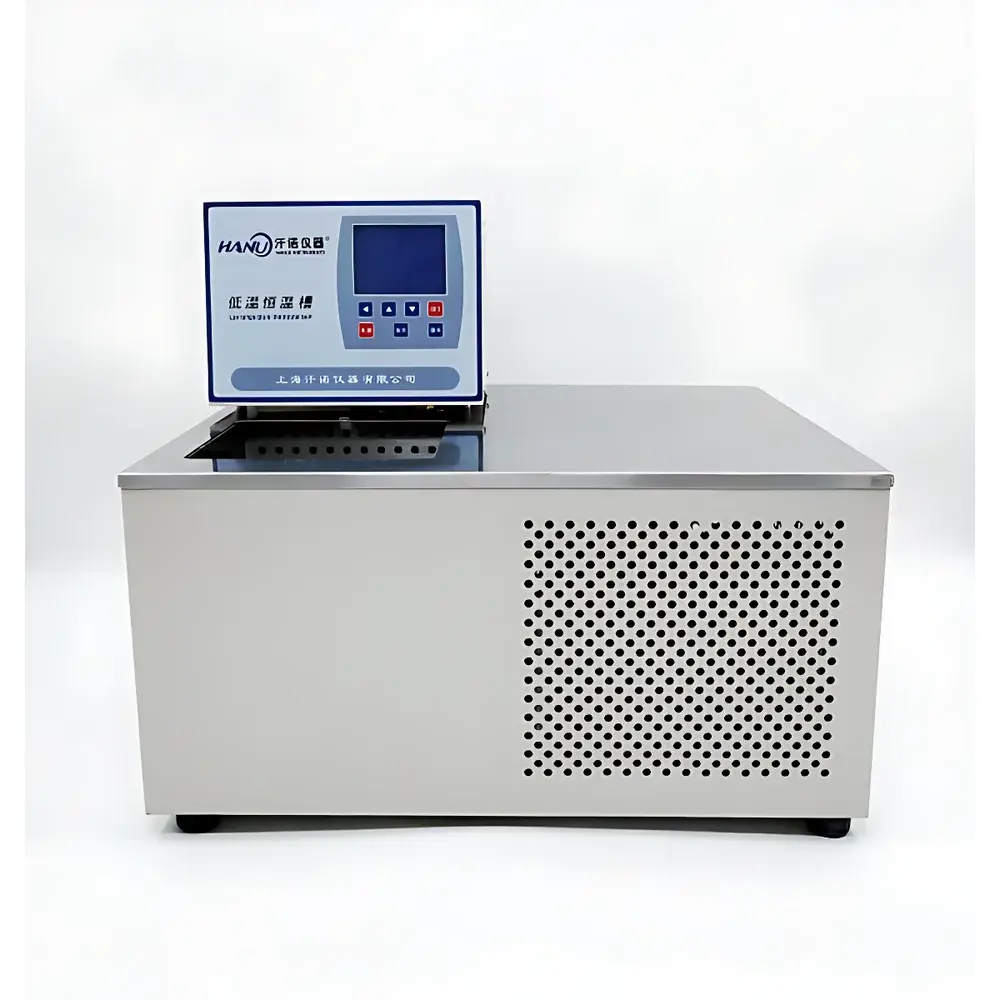
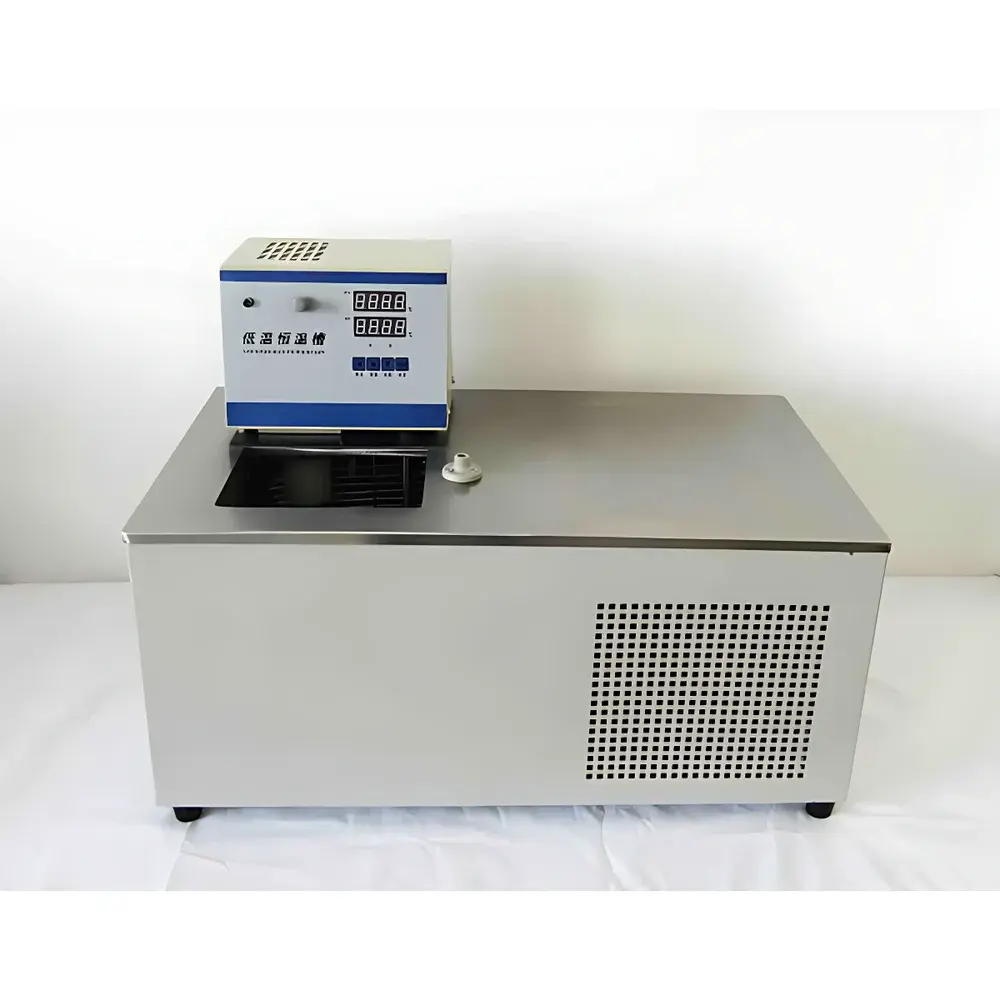
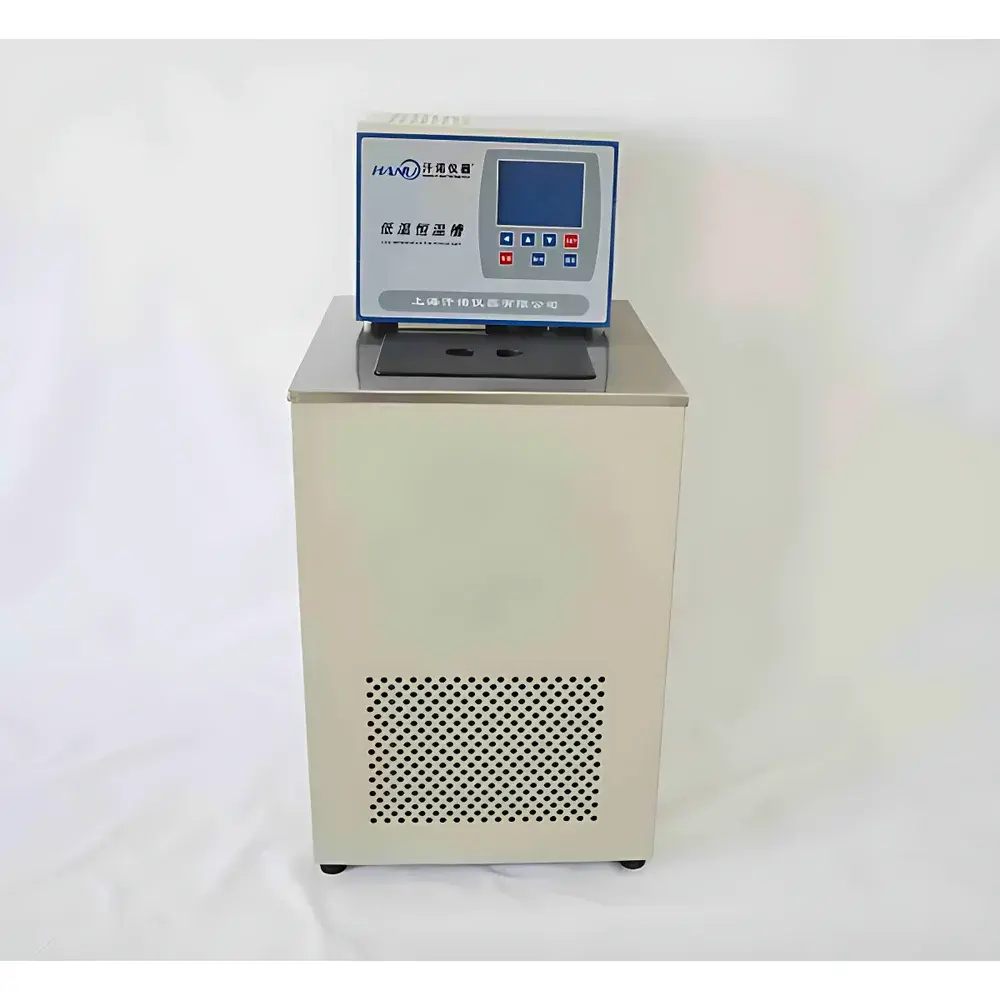
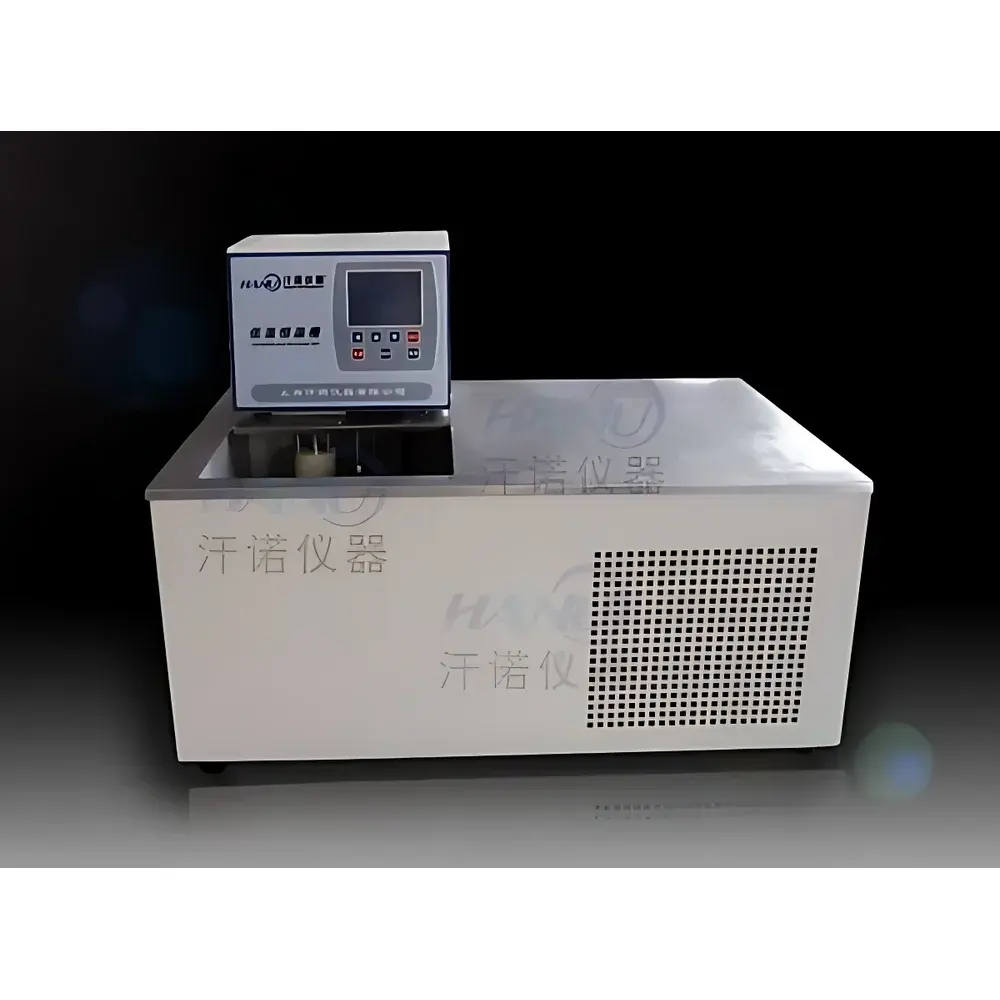
Hanuo DCW-0515 Horizontal Low-Temperature Constant-Temperature Circulating Bath
| Brand | Hanuo |
|---|---|
| Origin | Shanghai, China |
| Model | DCW-0515 |
| Bath Volume | 15 L |
| Temperature Range | −5 °C to +99 °C |
| Temperature Stability | ±0.05 °C |
| Temperature Resolution | 0.01 °C |
| Bath Dimensions (W×D×H) | 300 mm × 250 mm × 200 mm |
| Opening Size | 235 mm × 160 mm |
| Depth | 200 mm |
| Circulation Flow Rate | 6 L/min |
| Control System | XMT Digital PID Controller |
| Cooling Method | Hermetically Sealed Compressor |
| Protection Features | Overheat & Overcurrent Protection |
| Circulation Mode | Internal & External |
| Construction | Full Stainless Steel Interior and Work Surface |
Overview
The Hanuo DCW-0515 Horizontal Low-Temperature Constant-Temperature Circulating Bath is a precision-engineered thermal management system designed for laboratory environments requiring stable, controllable temperature fields across a broad operational range (−5 °C to +99 °C). Utilizing a hermetically sealed compressor-based refrigeration circuit combined with high-efficiency resistive heating elements, the unit delivers simultaneous cooling and heating capability with exceptional thermal uniformity and dynamic response. Its horizontal footprint enables seamless integration into benchtop workflows—particularly where space constraints or ergonomic access to adjacent instrumentation (e.g., spectrophotometers, viscometers, or reaction calorimeters) are critical. Unlike vertical bath configurations, the DCW-0515 positions the circulation port and control interface at optimal height for tubing routing and operator interaction, minimizing hose kinking and thermal loss in external loops.
Key Features
- Horizontal form factor optimized for compact benchtop deployment and compatibility with under-bench cabinets or integrated lab furniture systems.
- Full stainless steel tank interior and work surface—resistant to corrosion from water, ethanol, glycol–water mixtures, and mild aqueous chemical solutions; supports ISO 14644-compliant cleaning protocols.
- XMT-series digital PID temperature controller with real-time display, programmable setpoint memory, and adjustable ramp/soak profiles—enabling reproducible thermal conditioning per ASTM E2877 and ISO 17025 traceability requirements.
- Dual-mode circulation system: internal recirculation ensures rapid bath homogenization; external pumping (6 L/min max flow) permits precise temperature control of auxiliary equipment such as jacketed reactors, sample holders, or optical cells.
- Compressor-based cooling architecture with dual-stage safety interlocks—monitors discharge temperature and current draw to prevent thermal runaway or mechanical failure during extended low-temperature operation.
- Ergonomic drain valve positioned at tank base for complete fluid evacuation without tilting; compatible with standard laboratory waste collection standards (e.g., EPA 40 CFR Part 261).
Sample Compatibility & Compliance
The DCW-0515 accommodates a wide range of working fluids—including deionized water, 30–50% ethylene glycol/water blends, and silicone oils up to 100 cSt viscosity—enabling application flexibility across physical chemistry, materials testing, and biopharmaceutical QC. Its temperature stability of ±0.05 °C (at setpoint) meets the performance criteria specified in USP for thermal calibration baths and aligns with the repeatability thresholds required for ISO/IEC 17025-accredited laboratories conducting viscosity, density, or refractive index measurements. The unit’s construction complies with IEC 61010-1:2010 for electrical safety in laboratory equipment, and its sealed refrigerant loop adheres to EU F-Gas Regulation (EU) No 517/2014. While not certified for GMP manufacturing environments, its audit-ready digital logging (when paired with optional RS485/Modbus interface) supports GLP-aligned data integrity practices including time-stamped setpoint changes and alarm history.
Software & Data Management
The DCW-0515 operates via embedded firmware with no proprietary software dependency—temperature setpoints, ramp rates, and hold durations are configured directly on the front-panel keypad. For automated data capture, the optional RS485 communication port (Modbus RTU protocol) enables integration with LabVIEW, MATLAB, or SCADA platforms for remote monitoring, scheduled thermal profiling, and CSV export of real-time temperature logs. When used with compliant data acquisition systems, the unit supports ALCOA+ principles: attributable (user ID tagging), legible (ASCII timestamping), contemporaneous (real-time logging), original (raw sensor output), accurate (±0.02 °C internal thermistor calibration), complete (no auto-deletion), consistent (sequential record numbering), enduring (non-volatile memory), and available (audit trail export). Firmware updates are performed via USB interface using signed binaries verified against SHA-256 checksums.
Applications
- Calibration of temperature-sensitive probes (RTDs, thermistors, infrared sensors) per ISO/IEC 17025 Clause 6.5.2.
- Thermal conditioning of optical components during interferometric alignment or laser cavity stabilization.
- Controlled-rate cooling of polymer samples prior to DSC or TMA analysis to eliminate thermal history effects.
- Maintaining constant bath temperature for viscometer calibration baths (ASTM D445, ISO 3104) and density meter reference standards (ASTM D1298).
- Providing secondary cold/hot source for HPLC column ovens, GC injector blocks, or electrophoresis power supplies.
- Sustaining physiological temperatures (37 °C) or hypothermic conditions (4–10 °C) in cell culture media pre-equilibration or enzyme activity assays.
FAQ
What working fluids are compatible with the DCW-0515?
Deionized water, 30–50% ethylene glycol/water mixtures, and low-volatility silicone oils (up to 100 cSt) are recommended. Avoid chlorinated solvents, acetone, or strong acids due to potential seal degradation.
Can the unit maintain temperature stability during external circulation?
Yes—when connected to an external load ≤2 kW thermal capacity and tubing ≤5 m total length with ≤12 mm ID, stability remains within ±0.1 °C at setpoint, verified per ISO 17025 internal validation SOP.
Is the DCW-0515 suitable for GLP-regulated environments?
It supports GLP data integrity when used with validated third-party data loggers and Modbus-enabled SCADA systems; however, it does not include built-in 21 CFR Part 11 electronic signature functionality.
How often does the refrigerant require servicing?
Under normal operation (≤8 hrs/day, ambient ≤30 °C), the sealed R134a system requires no maintenance for ≥5 years; annual visual inspection of condenser coil cleanliness is advised.
What is the maximum external load capacity for stable temperature control?
For ±0.05 °C stability, external thermal load should not exceed 1.2 kW; for ±0.1 °C tolerance, up to 2.0 kW is permissible with appropriate insulation of supply/return lines.



