
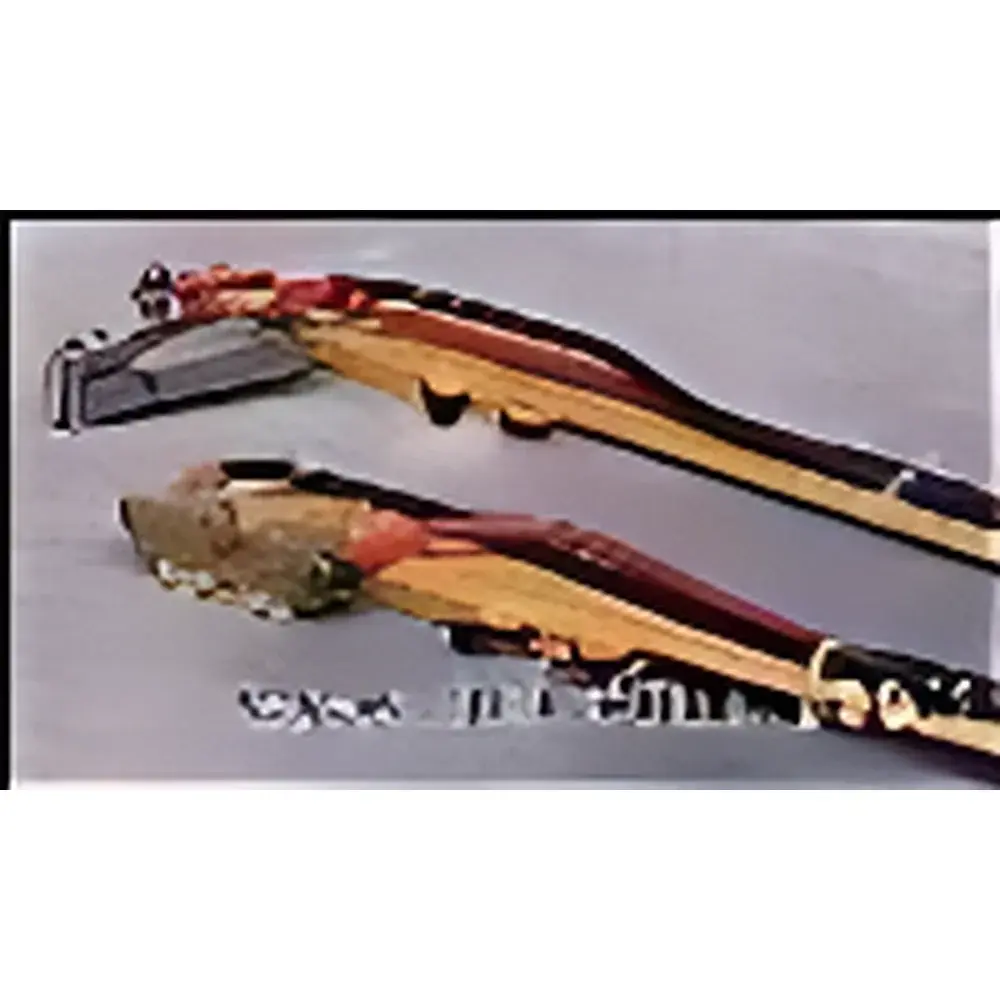
Harvard Apparatus BTX 384L Caliper Electrode for In Vivo Electroporation
| Brand | Harvard Apparatus |
|---|---|
| Origin | USA |
| Manufacturer Type | Authorized Distributor |
| Origin Category | Imported |
| Model | BTX 384L |
| Pricing | Upon Request |
Overview
The Harvard Apparatus BTX 384L Caliper Electrode is a precision-engineered, reusable in vivo electroporation electrode system designed for targeted intramuscular and transdermal delivery of nucleic acids (e.g., plasmid DNA, siRNA, mRNA) and therapeutic compounds in preclinical animal models. It operates on the principle of reversible electroporation—applying controlled, high-voltage, short-duration electrical pulses across tissue to transiently increase cell membrane permeability—enabling efficient uptake of macromolecules into myofibers, skin layers, or intact plant tissues without surgical exposure. Unlike single-use needle or plate electrodes, the BTX 384L features an adjustable caliper architecture that maintains consistent inter-electrode spacing and uniform field distribution during application, critical for reproducible transfection efficiency and minimized tissue damage. Its mechanical design supports repeatable positioning over anatomically variable regions—including murine hindlimb muscles, porcine dorsal skin, and whole-plant stems—making it suitable for longitudinal studies requiring multiple treatment sessions.
Key Features
- Adjustable caliper frame with micrometer-precision spacing control (range: 5–40 mm), ensuring consistent electric field geometry across diverse tissue thicknesses.
- Two interchangeable electrode tip configurations: (1) 45-0101—dual 1 × 1 cm brass electrodes optimized for small rodents (e.g., mice, rats); (2) 45-0102—dual 1.5 × 1.5 cm or 2 × 2 cm stainless steel electrodes for larger surface areas (e.g., rabbit muscle, pig skin, or plant stems).
- Autoclavable and ethanol-compatible construction, enabling full sterilization between uses per GLP-compliant animal study protocols.
- Low-profile, ergonomic handle with non-slip grip and integrated cable strain relief, facilitating stable manual operation during in vivo procedures.
- Compatible with all BTX electroporators (e.g., ECM 830, ECM 630, Gemini X2) and third-party pulse generators delivering biphasic or monophasic square-wave pulses (voltage range: 10–300 V; pulse width: 1–100 ms; number of pulses: 1–99).
Sample Compatibility & Compliance
The BTX 384L supports electroporation in intact biological systems without incision or dissection, including skeletal muscle (tibialis anterior, gastrocnemius), dermal layers (full-thickness skin), and whole-plant structures (e.g., Arabidopsis stems, tobacco leaves). It conforms to ASTM F2997–15 standards for electroporation device performance verification and is routinely validated in studies adhering to NIH Guide for the Care and Use of Laboratory Animals. The stainless steel (45-0102) and brass (45-0101) electrode materials meet ISO 10993-5 biocompatibility requirements for short-term tissue contact. Device documentation includes traceable calibration records and material safety data sheets (MSDS), supporting FDA 21 CFR Part 11–aligned audit trails when paired with compliant electroporator software.
Software & Data Management
While the BTX 384L itself is a passive electrode assembly, its integration with Harvard Apparatus’ BTX electroporators enables full experimental parameter logging—including voltage, pulse duration, interval, and total pulse count—stored with timestamped metadata. When used with the BTX Control Software Suite (v3.2+), users can export CSV-formatted logs for statistical analysis in MATLAB, GraphPad Prism, or Python-based pipelines. Audit trail functionality complies with ALCOA+ principles (Attributable, Legible, Contemporaneous, Original, Accurate), satisfying GLP/GMP documentation requirements for IND-enabling toxicology and biodistribution studies.
Applications
- In vivo DNA vaccination and immunotherapy vector delivery in murine and large-animal models.
- Localized RNAi or CRISPR-Cas9 RNP delivery for functional genomics and disease modeling.
- Transdermal delivery of peptide therapeutics or antisense oligonucleotides through intact epidermis.
- Non-invasive gene transfer in plant biotechnology research, including transient expression assays in intact tissues.
- Pharmacokinetic/pharmacodynamic (PK/PD) evaluation of novel biologics via intramuscular depot formation.
FAQ
Is the BTX 384L compatible with non-BTX electroporators?
Yes—provided the external generator delivers square-wave pulses within the specified voltage (10–300 V), pulse width (1–100 ms), and impedance-matching output characteristics (50 Ω nominal load).
Can the electrode tips be replaced independently?
No—the 45-0101 and 45-0102 assemblies are fully integrated units; replacement requires ordering the complete tip set (P/N 45-0101 or 45-0102) from Harvard Apparatus authorized channels.
What is the recommended cleaning protocol between animal subjects?
Immerse in 70% ethanol for 5 minutes, rinse with sterile PBS, air-dry under laminar flow, and verify integrity visually before reuse. Autoclaving at 121°C/15 psi for 20 min is approved for stainless steel tips only (45-0102).
Does the caliper mechanism require periodic recalibration?
No—the micrometer-adjustable scale is factory-calibrated and mechanically locked; no user recalibration is required. A physical zero-point verification using gauge blocks is recommended annually in GLP environments.





