
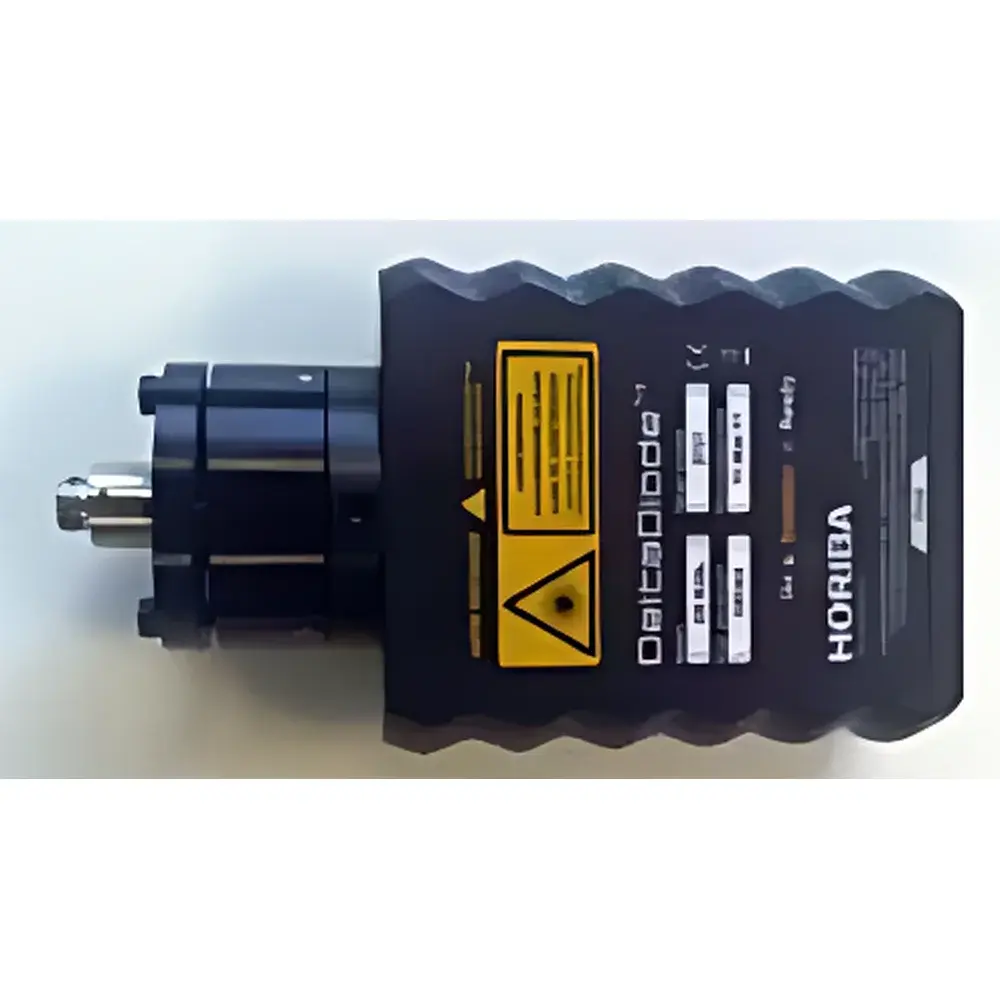
HORIBA DeltaHUB Time-Correlated Single-Photon Counting (TCSPC) Fluorescence Lifetime Spectrometer
| Brand | HORIBA |
|---|---|
| Origin | United Kingdom |
| Model | DeltaHUB |
| Core Technology | Time-Correlated Single-Photon Counting (TCSPC) |
| Lifetime Range | 25 ps – 11 s (source-dependent) |
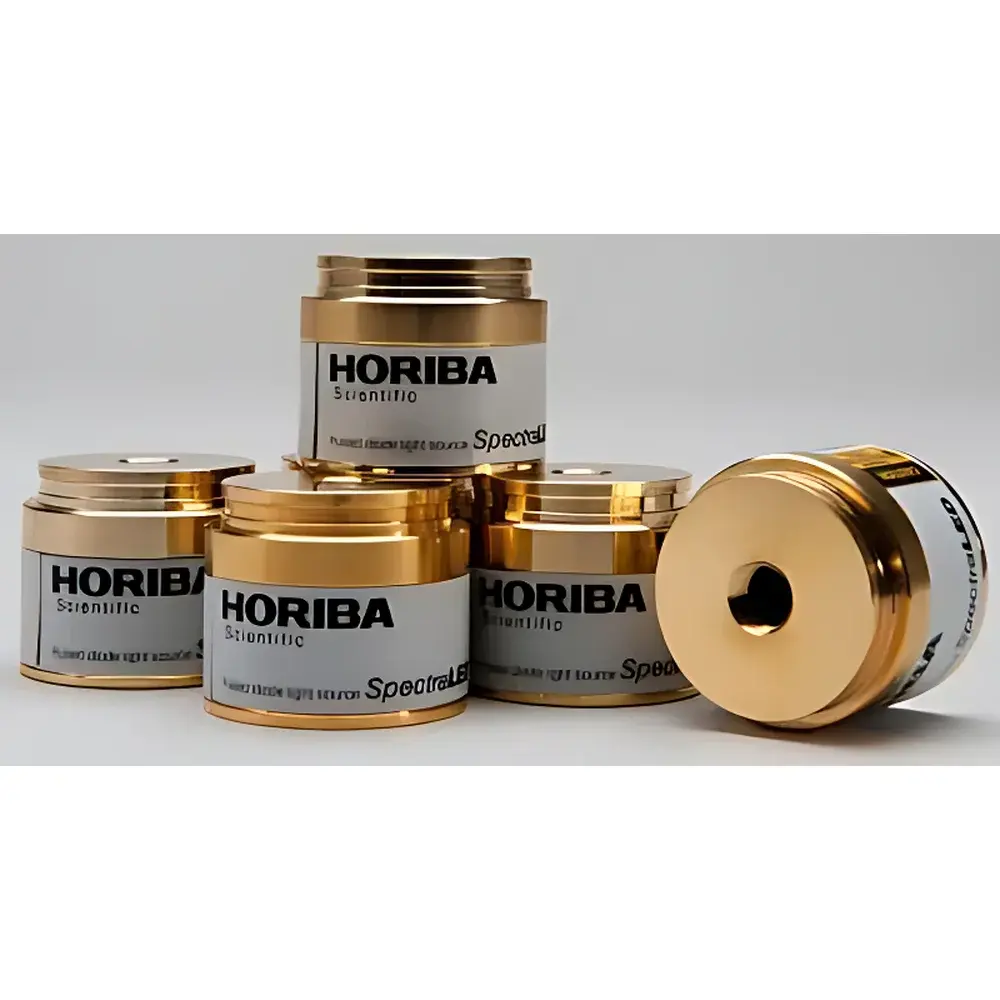
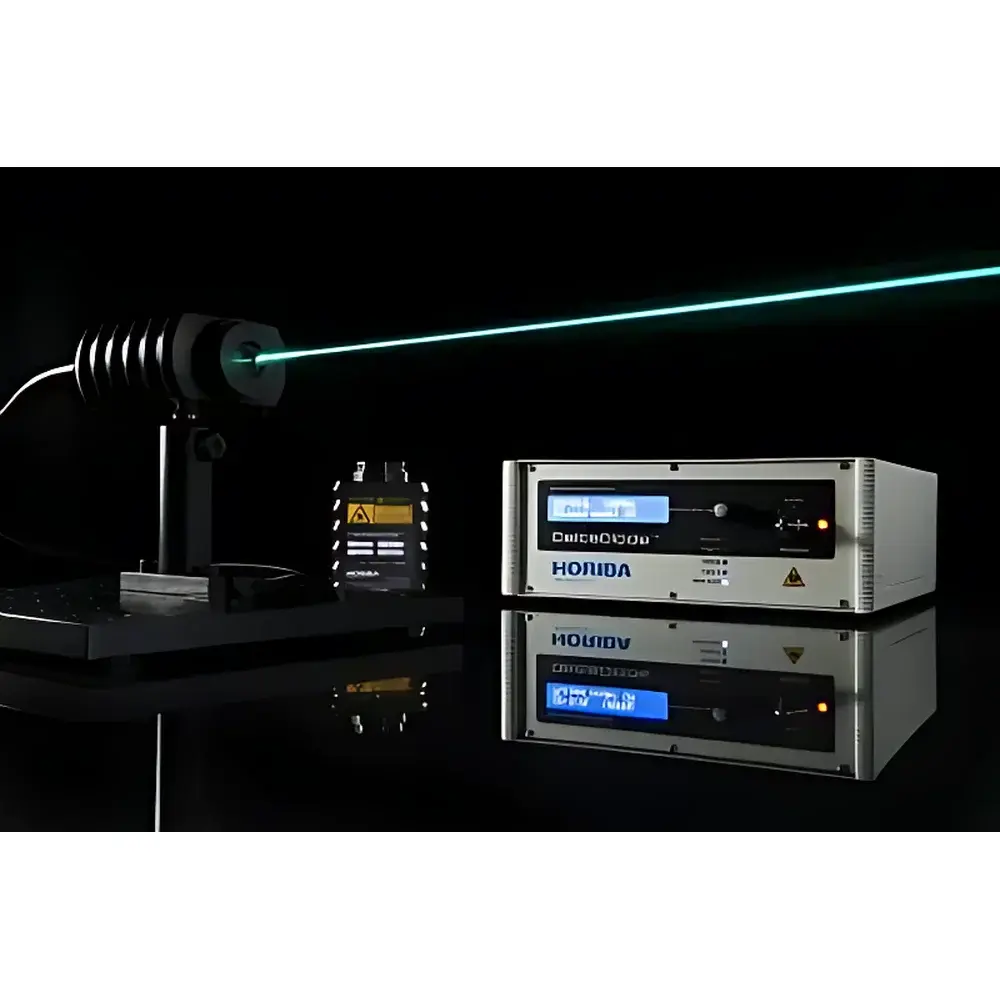
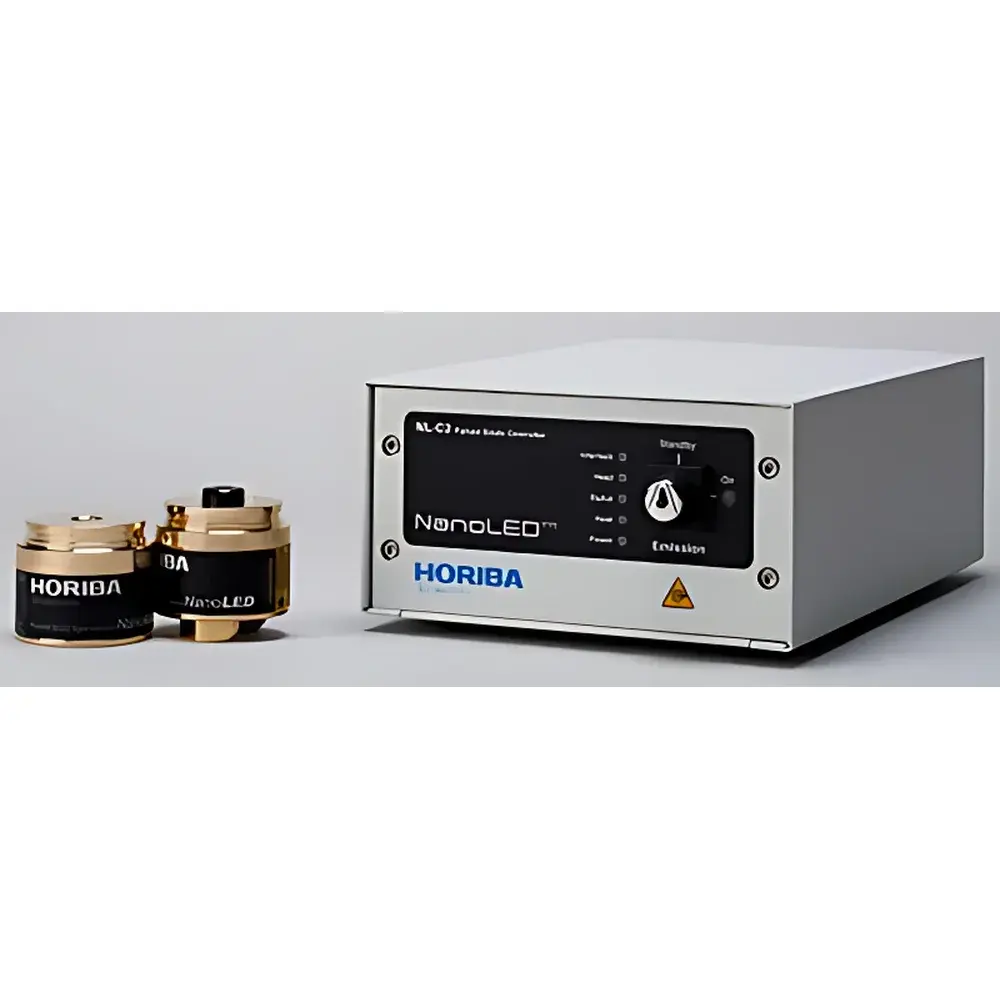
| Excitation Sources | 100 MHz Deltadiode ps-Laser, NanoLED, or SpectraLED |
| Detector | Picosecond Photon-Counting Detector |
| Integrated Platform | TCSPC-HUB Workstation |
| Optional Accessories | Monochromator for Time-Resolved Emission Spectra (TRES), Liquid Nitrogen Cryostat, 400 MPa High-Pressure Liquid Cell |
Overview
The HORIBA DeltaHUB is a high-performance, modular time-correlated single-photon counting (TCSPC) fluorescence lifetime spectrometer engineered for precision measurement of fluorescence decay kinetics across an exceptionally broad temporal range—from 25 picoseconds to 11 seconds. Unlike conventional intensity-based fluorimeters, the DeltaHUB operates on the fundamental principle of TCSPC: it records the arrival time of individual photons relative to a precisely synchronized excitation pulse, enabling statistical reconstruction of the full fluorescence decay profile with sub-picosecond timing resolution. This technique delivers superior signal-to-noise ratio, minimal pile-up distortion at low count rates, and quantitative fidelity essential for multi-exponential decay analysis, energy transfer studies (e.g., FRET), and microenvironment-sensitive probe characterization. The system is built around the TCSPC-HUB workstation—a dedicated hardware platform integrating time-to-digital conversion (TDC), fast routing logic, and real-time histogramming—ensuring deterministic dead-time behavior and high temporal stability under continuous operation.
Key Features
- Ultra-wide dynamic range: Covers fluorescence lifetimes from 25 ps to 11 s via selectable excitation sources (Deltadiode ps-laser, NanoLED, or SpectraLED) and optimized detector gating.
- High repetition rate compatibility: Fully supports 100 MHz pulsed excitation without timing drift, enabling rapid acquisition of statistically robust decay histograms in under 1 ms per measurement.
- Modular architecture: Designed for seamless integration of optional components including monochromators for time-resolved emission spectroscopy (TRES), cryogenic liquid nitrogen stages for temperature-dependent studies (77 K–300 K), and high-pressure cells rated to 400 MPa for solvent compression and conformational dynamics investigations.
- Dedicated TCSPC electronics: The DeltaHUB workstation incorporates FPGA-based TDC with <10 ps intrinsic resolution, zero-dead-time histogramming, and hardware-level background subtraction to minimize afterpulsing artifacts.
- Vendor-validated software ecosystem: Native support for IBH DataStation and DAS6—industry-standard packages compliant with ISO/IEC 17025 data handling protocols—providing rigorous non-linear least-squares fitting, global analysis, and residual diagnostics aligned with IUPAC fluorescence lifetime reporting guidelines.
Sample Compatibility & Compliance
The DeltaHUB accommodates diverse sample formats—including cuvettes (10 mm pathlength), capillaries, thin-film substrates, and fiber-coupled microfluidic devices—via interchangeable optical interfaces. Its modular design permits vacuum-, inert-gas-, or ambient-environment operation, supporting photolabile, oxygen-sensitive, or air-stable species. All firmware and software modules comply with GLP/GMP-aligned audit trail requirements (21 CFR Part 11 ready), with timestamped raw histogram files stored in HDF5 format for long-term traceability. System validation adheres to ASTM E2982-21 (Standard Guide for Fluorescence Lifetime Measurements) and ISO 17025-accredited calibration procedures using NIST-traceable reference standards (e.g., quinine sulfate in 0.1 M H₂SO₄, fluorescein in 0.1 M NaOH).
Software & Data Management
Data acquisition and analysis are executed through the IBH DataStation interface, which provides real-time histogram visualization, live decay fitting, and batch processing workflows. DAS6 enables advanced global analysis across wavelength, temperature, or pressure dimensions—critical for dissecting heterogeneous decay populations in complex biological assemblies or polymer blends. Raw TCSPC datasets are stored with embedded metadata (excitation wavelength, detector bias, instrument response function IRF), ensuring reproducibility and interoperability with third-party tools such as MATLAB, Python (via PyTCSPC), or OriginLab. All software modules implement secure user access levels, electronic signature logging, and automated backup to network-attached storage (NAS) or cloud repositories meeting HIPAA/FDA-compliant encryption standards.
Applications
- Photophysics of organic emitters and quantum dots: Resolving ultrafast intersystem crossing, triplet harvesting, and Auger recombination pathways.
- Protein folding and conformational dynamics: Monitoring nanosecond-to-millisecond structural transitions via tryptophan or extrinsic fluorophore labeling.
- Time-resolved Förster resonance energy transfer (TR-FRET): Quantifying donor–acceptor distances and binding kinetics in multiplexed immunoassays.
- High-pressure photochemistry: Investigating solvation shell rearrangements and reaction intermediates in supercritical CO₂ or aqueous systems up to 400 MPa.
- Materials science: Characterizing charge-carrier recombination lifetimes in perovskite solar cells, OLED emissive layers, and photocatalytic frameworks.
FAQ
What is the minimum measurable fluorescence lifetime with the DeltaHUB system?
The system achieves a timing resolution of <10 ps (instrument response function full width at half maximum), allowing reliable quantification of decays down to 25 ps when paired with appropriate excitation sources and detectors.
Can the DeltaHUB perform wavelength-resolved lifetime measurements without external monochromators?
No—time-resolved emission spectra (TRES) require integration of a scanning monochromator or imaging spectrograph; this is available as a factory-configured option.
Is the system compatible with cryogenic temperature control?
Yes—liquid nitrogen cryostats (77 K–300 K) are supported as OEM accessories, with thermal shielding and vacuum-jacketed optical paths to maintain timing stability.
How does the DeltaHUB handle high-count-rate conditions to avoid pile-up distortion?
It employs active count-rate limiting, adaptive dead-time correction algorithms, and hardware-based photon rejection logic—ensuring linear response up to 5% of the laser repetition rate (i.e., ~5 Mcps at 100 MHz).
Does the software support compliance with regulatory data integrity requirements?
Yes—DataStation and DAS6 include 21 CFR Part 11–compliant features: role-based access control, electronic signatures, immutable audit trails, and ALCOA+ (Attributable, Legible, Contemporaneous, Original, Accurate, Complete, Consistent, Enduring, Available) data governance frameworks.






