
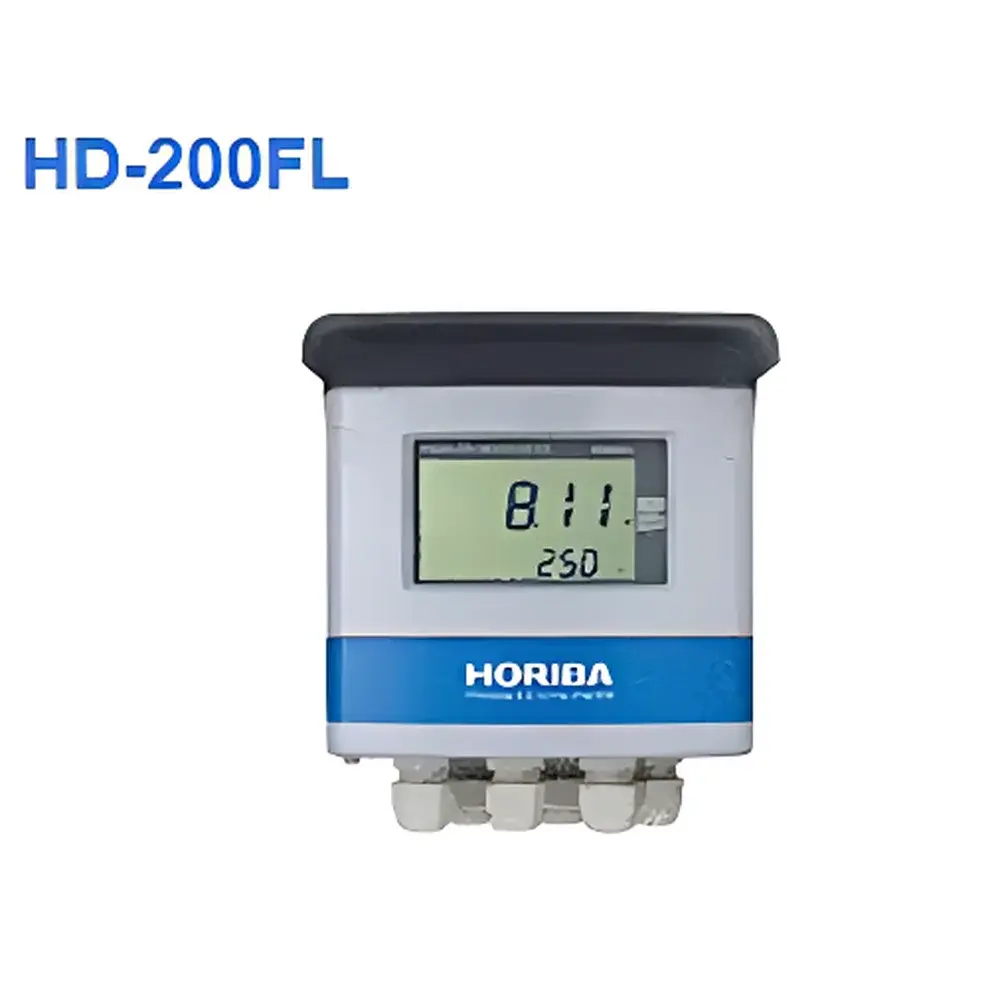
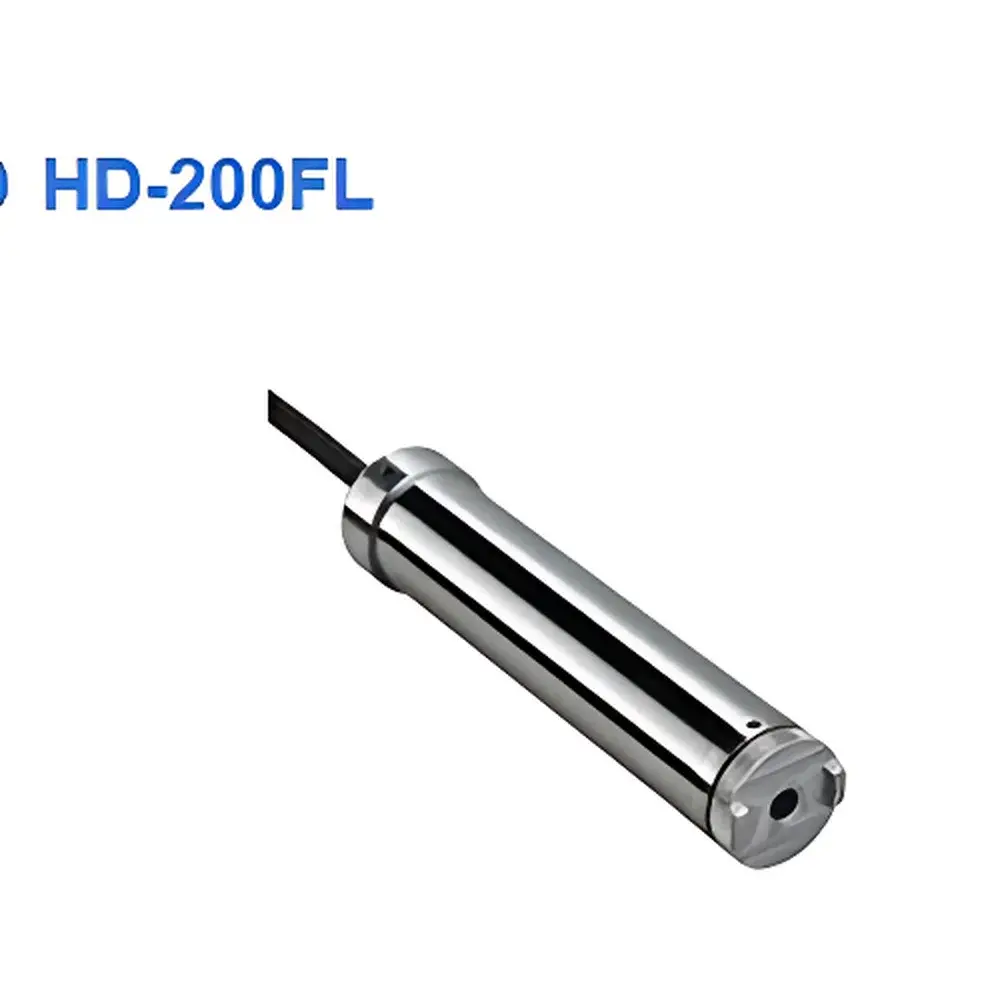
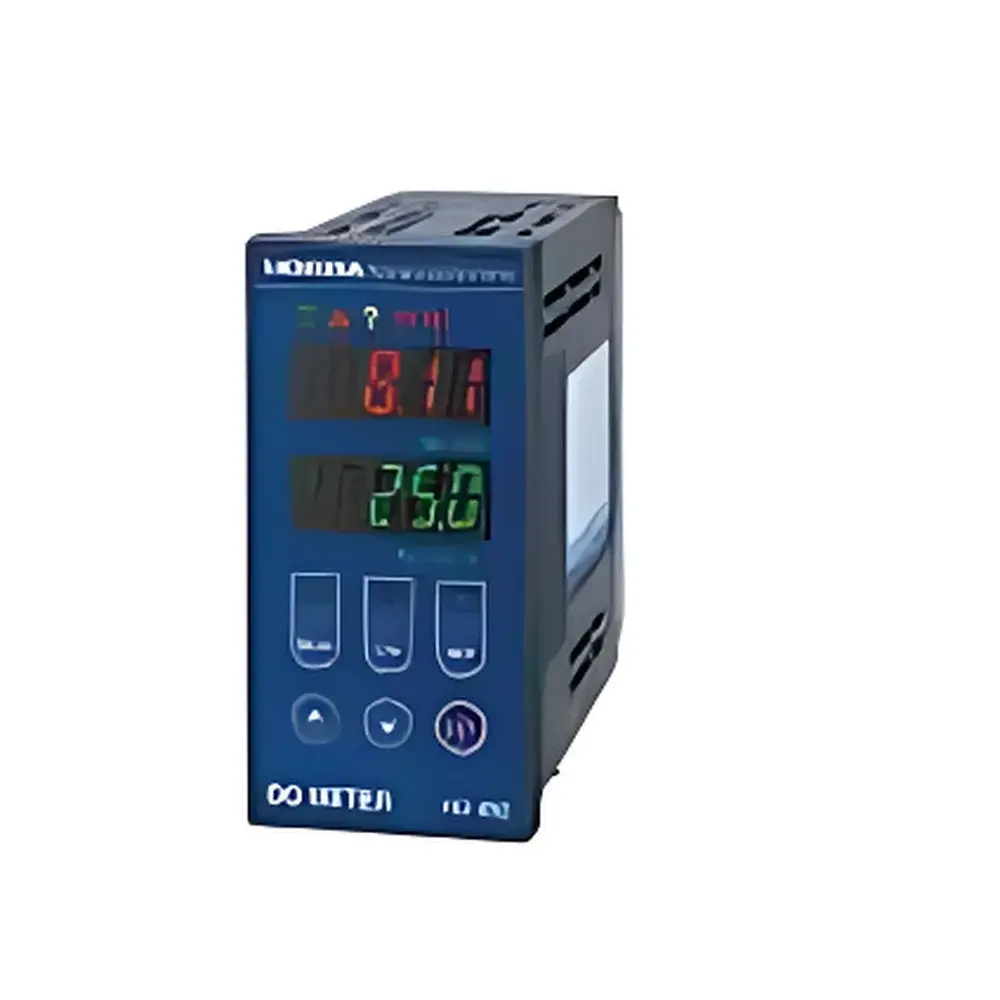
HORIBA HD-480 and HD-200FL Dissolved Oxygen Online Analyzers
| Brand | HORIBA |
|---|---|
| Origin | Japan |
| Model | HD-480 (Electrochemical Membrane-Type), HD-200FL (Optical Fluorescence-Based) |
| Measurement Principle | Clark-type membrane electrode (HD-480) |
| Output Signal | 4–20 mA, RS-485 (Modbus RTU) |
| Operating Temperature | 0–50 °C |
| IP Rating | IP66/IP67 |
| Power Supply | 12–24 VDC |
| Sensor Cable Length | Standard 5 m (extendable up to 30 m) |
| Compliance | CE, RoHS, ISO 5814:2012 (DO measurement), ASTM D888-22 (dissolved oxygen in water) |
Overview
The HORIBA HD-480 and HD-200FL are industrial-grade dissolved oxygen (DO) online analyzers engineered for continuous, real-time monitoring in municipal and industrial wastewater treatment processes. The HD-480 employs a polarographic Clark-type membrane electrode system—relying on electrochemical reduction of molecular oxygen at a cathode through a gas-permeable Teflon membrane—to deliver stable, field-proven DO measurements across variable flow and suspended solids conditions. In contrast, the HD-200FL implements an optical fluorescence-based detection principle: it uses blue LED excitation to induce oxygen-quenched luminescence in a proprietary ruthenium-complex sensing layer; phase-shift analysis of the emitted signal enables highly selective, zero-consumption DO quantification without electrolyte depletion or membrane fouling. Both instruments are designed for permanent installation in bioreactors, aeration basins, effluent channels, and final discharge points—supporting process control, regulatory reporting, and energy optimization in activated sludge, MBR, and SBR systems.
Key Features
- HD-200FL eliminates routine maintenance associated with membrane replacement, electrolyte refilling, and polarization stabilization—reducing scheduled downtime by >70% compared to conventional amperometric sensors.
- Both models integrate temperature compensation via built-in Pt1000 RTD, ensuring accuracy across 0–50 °C operating range per ISO 5814:2012 requirements.
- Non-contact optical sensing (HD-200FL) provides immunity to H₂S, Cl⁻, and heavy metal interference common in digester supernatant and industrial influent streams.
- Embedded microSD memory card (standard on both units) logs timestamped DO, temperature, and diagnostic data locally for offline retrieval—critical for GLP-compliant audit trails and troubleshooting without network dependency.
- Ruggedized stainless steel (316L) housing and IP66/IP67-rated enclosure meet NEMA 4X specifications for outdoor and wet-location deployment.
- Configurable analog output (4–20 mA) and digital communication (RS-485 Modbus RTU) enable seamless integration into existing SCADA, DCS, and PLC architectures.
Sample Compatibility & Compliance
The HD-480 and HD-200FL are validated for use in raw sewage, primary and secondary effluents, reclaimed water, and stormwater overflows—with no requirement for sample filtration or conditioning under typical municipal hydraulic loading. The HD-200FL’s solid-state optical sensor maintains performance in high-turbidity environments (>400 NTU) where traditional membrane electrodes suffer drift from biofilm adhesion. Both analyzers comply with ISO 5814:2012 (Water quality — Determination of dissolved oxygen — Electrochemical probe method) and ASTM D888-22 (Standard Test Methods for Dissolved Oxygen in Water). Electrical safety conforms to IEC 61000-6-2 (EMC immunity) and IEC 61000-6-4 (EMC emissions). All firmware and configuration tools support audit-ready logging per FDA 21 CFR Part 11 requirements when deployed in regulated wastewater reuse applications.
Software & Data Management
HORIBA’s dedicated configuration software—HORIBA DO Manager—supports Windows-based commissioning, calibration validation, and historical trend review. Each analyzer stores ≥12 months of 1-minute interval data on its internal microSD card (up to 32 GB), including calibration timestamps, sensor health diagnostics (e.g., membrane integrity index for HD-480; photodiode stability metrics for HD-200FL), and environmental error flags. Data export is available in CSV and Excel-compatible formats, with optional time-synchronized alignment to external flow or pH records. Remote access via Modbus TCP gateway enables centralized dashboard integration using industry-standard platforms such as Ignition SCADA or Siemens Desigo CC.
Applications
- Real-time aeration control in activated sludge plants to minimize blower energy consumption while maintaining nitrification efficiency.
- Monitoring DO gradients across oxidation ditches and sequencing batch reactors (SBRs) for cycle timing optimization.
- Effluent compliance verification against local discharge permits (e.g., EPA NPDES limits, EU Urban Wastewater Treatment Directive).
- Process troubleshooting in anaerobic digesters where low-level DO intrusion compromises methanogen activity.
- Industrial pretreatment monitoring for pharmaceutical, food & beverage, and pulp & paper facilities subject to stringent COD/DO correlation reporting.
FAQ
What is the recommended calibration frequency for the HD-200FL in continuous wastewater service?
For most municipal applications, quarterly zero/span calibration using air-saturated water and sodium sulfite solution is sufficient; annual factory recalibration is advised to maintain traceability to NIST standards.
Can the HD-480 operate reliably in high-sulfide environments?
Yes—the HD-480’s silver/silver chloride reference system and hydrophobic membrane provide enhanced resistance to sulfide poisoning versus standard Clark electrodes; however, periodic membrane cleaning with 10% HCl is recommended in digester sidestream applications.
Is sensor replacement required for the HD-200FL after a fixed service life?
No—the HD-200FL’s optical sensing element has no consumable components; lifetime is governed by LED driver stability and photodiode aging—typically exceeding 5 years under continuous operation at ambient temperatures ≤40 °C.
Does the microSD logging function support password-protected access or encrypted storage?
Data files are stored in plain-text CSV format for universal compatibility; encryption and user authentication are managed externally via host SCADA systems or IT security policies applied at the network level.
Are replacement sensors for the HD-480 compatible with legacy HORIBA DO transmitters?
HD-480 sensors utilize a proprietary 8-pin connector and firmware handshake protocol; they are not backward-compatible with earlier HORIBA DO-300 or DO-200 series transmitters without hardware retrofitting.
Related Products







