
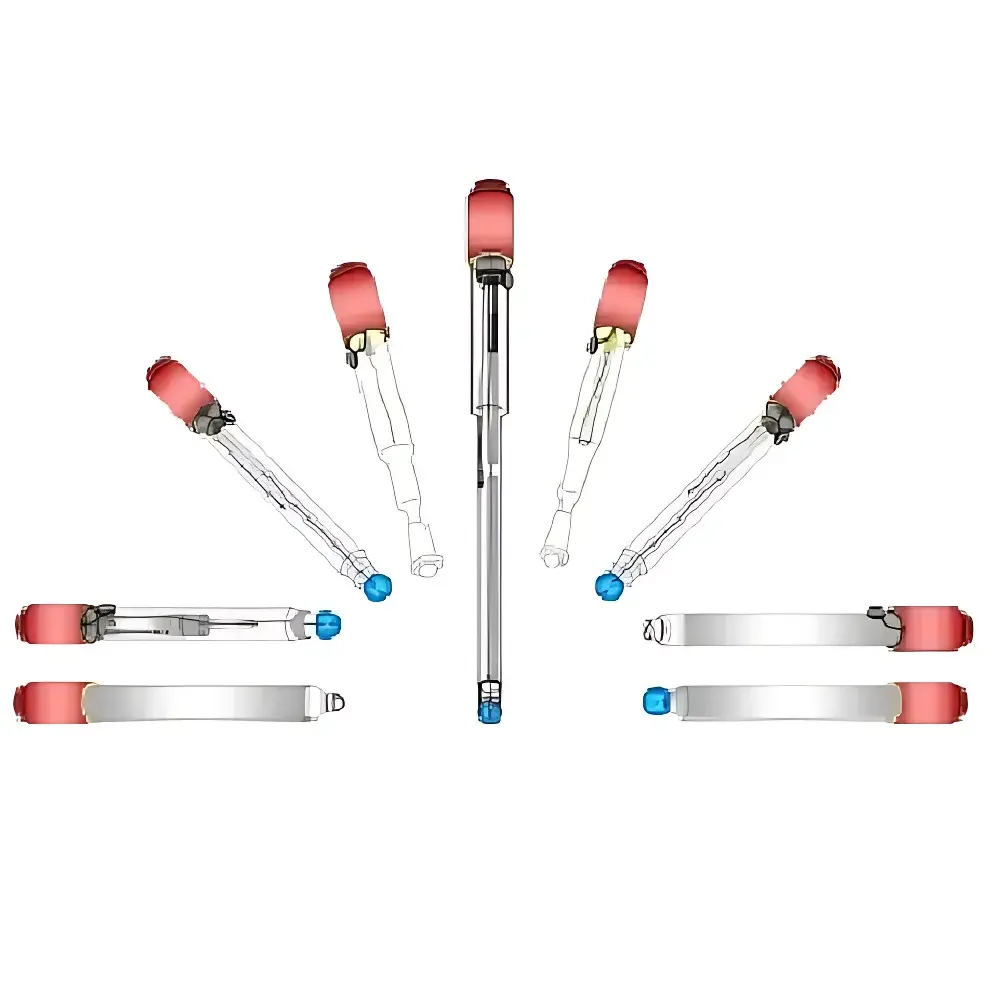
KEM Electrodes for Automatic Potentiometric Titrators
| Brand | KEM (Kyoto Electronics Manufacturing) |
|---|---|
| Origin | Japan |
| Manufacturer Type | Original Equipment Manufacturer (OEM) |
| Import Status | Imported |
| Model Designation | Electrode Series for DV-100 / AT-710 / AT-710M Titrators |
| Measurement Range | ±20 pH, ±2000 mV |
| Meter Accuracy | ±0.2% of full scale |
| Meter Resolution | 0.001 pH, 0.1 mV |
| Titration Potential Stability | ±0.3 mV |
| Analog-to-Digital Resolution | 1/20000 (16-bit ADC) |
Overview
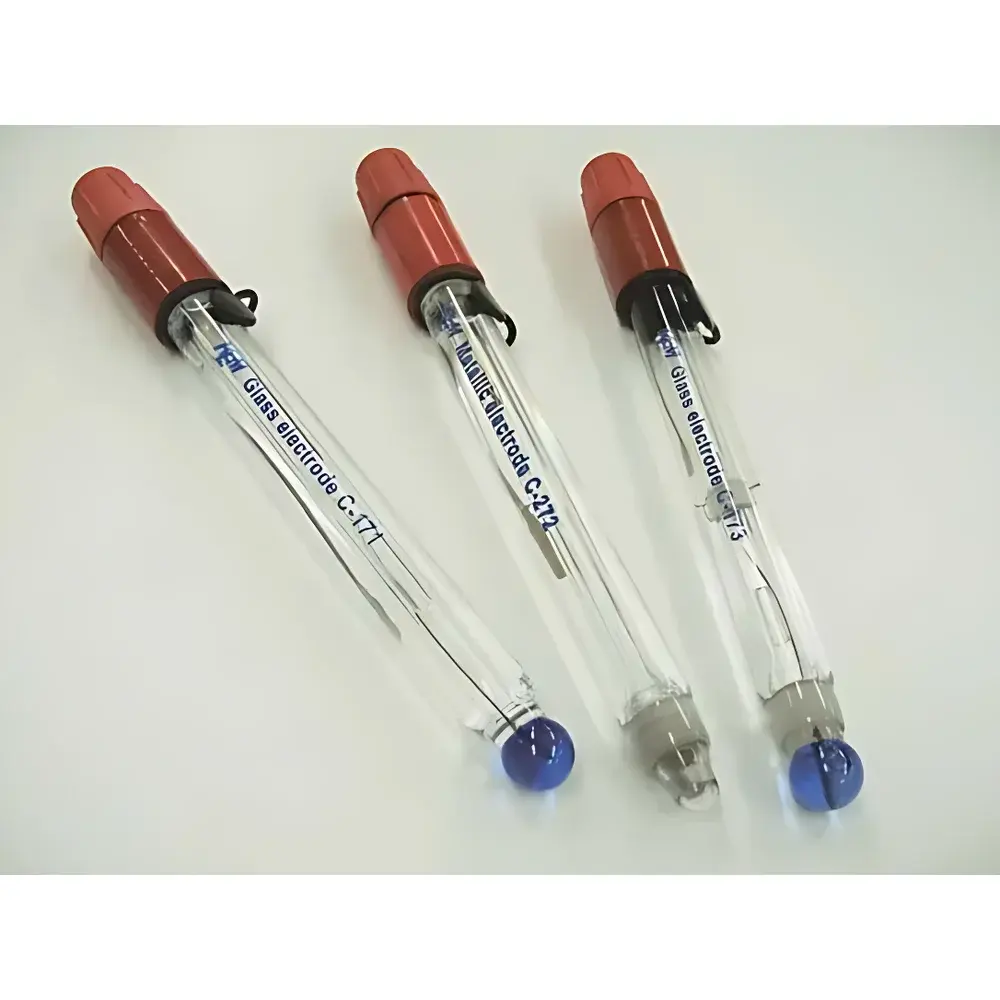
KEM Electrodes for Automatic Potentiometric Titrators are a comprehensive, application-optimized suite of reference, indicator, and specialized ion-selective electrodes engineered to interface seamlessly with Kyoto Electronics Manufacturing’s (KEM) flagship titration platforms—including the AT-710, AT-710M, and DV-100 series. These electrodes operate on the fundamental principle of potentiometric measurement: detecting the electromotive force (EMF) generated at the interface between sample solution and electrode membrane, enabling precise endpoint determination in volumetric titrations governed by Nernstian response. Designed for high reproducibility and long-term stability under routine laboratory conditions, each electrode is calibrated against traceable standards and validated for compliance with ISO/IEC 17025–aligned quality control protocols. Their robust construction—featuring chemically resistant glass membranes, stable Ag/AgCl reference systems, and low-drift junction designs—ensures consistent performance across aqueous, non-aqueous, and mixed-solvent matrices.
Key Features
- Application-specific electrode families: pH glass, redox (Pt/Ag), precipitation (Ag), polarographic (dual-Pt), ion-selective (Ca²⁺, Cl⁻, Cu²⁺, Pb²⁺, F⁻, surfactant), conductivity (K-321), and photometric (optical) electrodes
- Multiple physical configurations: standard-length (180 mm), extended-length (220 mm), and micro-volume formats (e.g., C-675, C-775) for low-sample or confined-cell applications
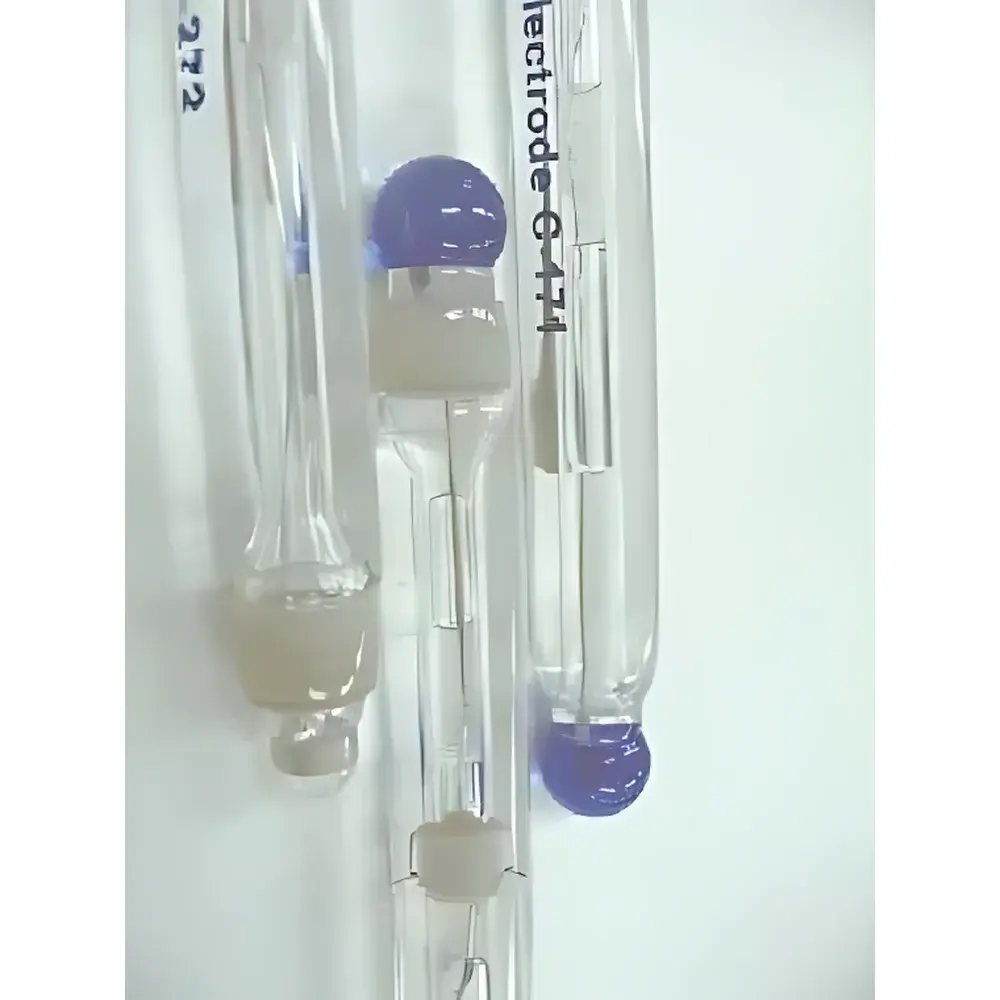
- Chemically inert housings: epoxy resin (C-181), PTFE-shielded glass (C-173/C-176), and corrosion-resistant metal bodies for aggressive media
- Integrated temperature compensation: T-111 and T-171 thermistor-equipped electrodes compliant with ASTM E2064 for automatic thermal correction in pH and redox measurements
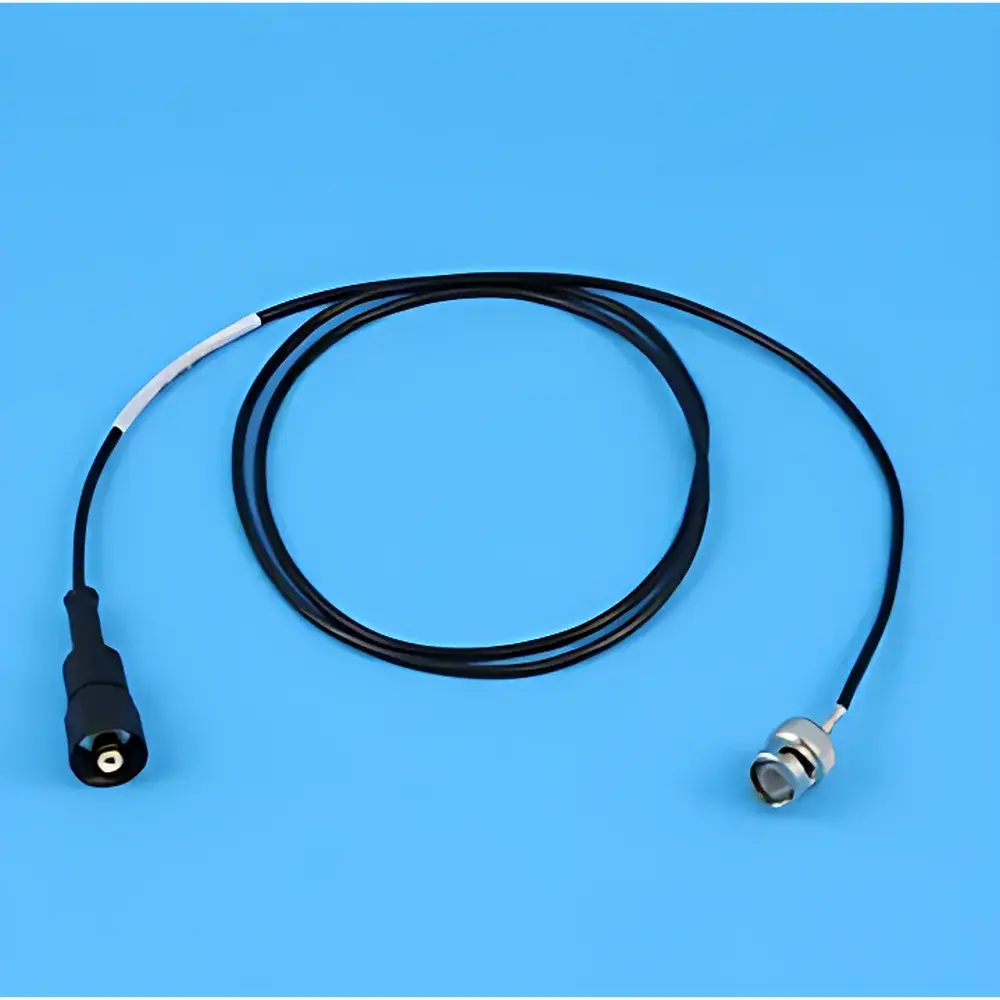
- Interchangeable connector options: BNC, US-style (DIN 19253), and needle-pin terminations—each supplied with 90 cm or 210 cm shielded coaxial cables meeting IEC 61000-4-3 EMC requirements
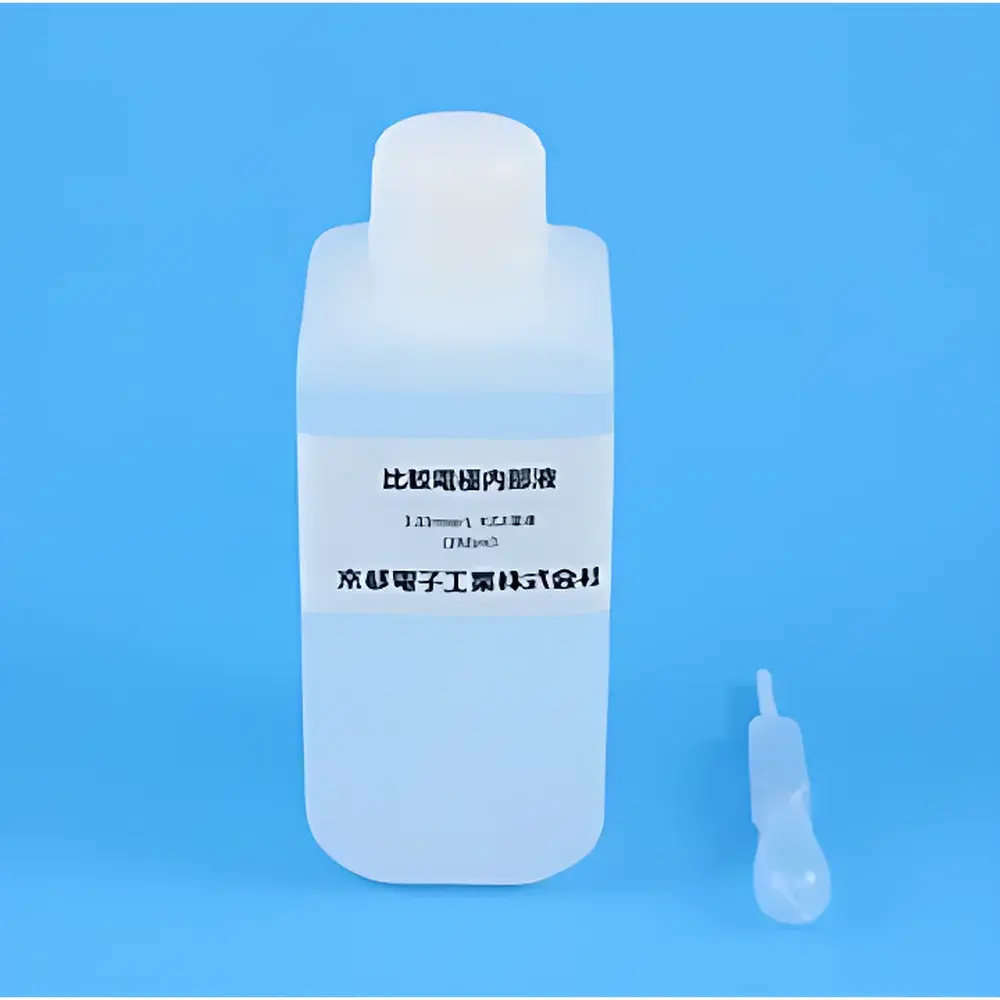
- Pre-filled and refillable reference compartments with standardized electrolyte formulations (3.3 M KCl, saturated K₂SO₄, 1 M LiCl in glacial acetic acid or ethanol) optimized for minimal liquid junction potential drift
Sample Compatibility & Compliance
KEM electrodes support a broad operational matrix encompassing aqueous buffers, organic solvents (methanol, acetonitrile, chloroform), viscous samples (oils, polymers), and low-ionic-strength solutions. The C-173 and C-176 non-aqueous electrodes utilize hydrophobic reference junctions and LiCl-based electrolytes to maintain stable potentials in anhydrous environments—critical for Karl Fischer and weak-acid titrations per ASTM D6304 and ISO 12937. All pH and redox electrodes comply with ISO 3696 Grade 2 water specifications for calibration and rinsing. Reference electrodes (R-171, R-173, R-272) meet IUPAC recommended junction potentials (< ±10 mV drift over 8 h). For regulated environments, electrode calibration logs, batch traceability (via KEM’s serialized QR-coded packaging), and compatibility with GLP/GMP audit trails (when paired with AT-710M’s 21 CFR Part 11-compliant software) ensure full data integrity.
Software & Data Management
Each electrode is natively recognized by KEM’s dedicated titration software (KEM Titrator Control v4.x), which auto-configures measurement parameters—including slope validation thresholds, drift limits, and electrode-specific Nernst factors—based on scanned QR codes or manual model selection. Real-time potential monitoring, automatic electrode diagnostics (impedance check, offset verification), and built-in calibration curve generation (single-/multi-point) are supported. Raw EMF data (mV vs. time/volume) and derived first/second derivative plots are exportable in CSV, PDF, and XML formats compatible with LIMS integration (via ASTM E1384 or HL7 messaging). Audit trails record electrode ID, calibration date, operator, and environmental metadata—fully compliant with FDA 21 CFR Part 11 electronic signature requirements when used with validated system configurations.
Applications
- Acid-base titrations: Standardization of HCl, NaOH, and organic bases using C-171, C-181, or H-171 electrodes per ISO 8655 and USP
- Oxidation-reduction titrations: Ce⁴⁺/Fe²⁺, KMnO₄, and iodometric assays with C-272 or dual-Pt electrodes (M-511/M-512) per ISO 5813
- Precipitation titrations: Chloride analysis via Mohr or Volhard methods using C-373 or M-214 electrodes
- Complexometric titrations: EDTA-based Ca²⁺/Mg²⁺ quantification with I-171 calcium-selective electrode
- Conductometric and photometric endpoints: K-321 conductivity cell for strong electrolyte titrations; optical electrode 12-00110-00 for colored or turbid samples
- Environmental and pharmaceutical QC: Fluoride in drinking water (I-571), chloride in parenteral solutions (I-271), and COD determination (C-598) per EPA Method 410.4 and Ph. Eur. 2.2.45
FAQ
Are KEM electrodes compatible with non-KEM titrators?
Yes—electrodes with standard BNC or DIN connectors are interoperable with most third-party potentiometric titrators (e.g., Metrohm, Hanna, Thermo Fisher) provided the input impedance (>10¹² Ω) and voltage range (±2000 mV) match.
What is the recommended storage solution for glass pH electrodes?
Store C-171, C-181, and H-171 electrodes in 3.3 M KCl solution (product #12-00911); avoid distilled water or dry storage to prevent dehydration-induced asymmetry potential drift.
How often should reference electrodes be refilled or replaced?
Refill R-171/R-173 every 3 months under daily use; replace R-272 (Hg/Hg₂SO₄) after 12 months or upon observed sluggish response (>30 s to stabilize within ±0.5 mV).
Can ion-selective electrodes be used for direct concentration measurement?
Yes—I-171, I-271, and I-571 electrodes support direct ISE mode with built-in Nernst slope calibration; however, sample ionic strength must be controlled using ISA (ionic strength adjuster) per ISO 17034 guidelines.
Is temperature compensation mandatory for accurate titration results?
It is strongly recommended: uncorrected thermal effects introduce up to 0.03 pH unit error per °C deviation from calibration temperature—T-111/T-171 electrodes reduce this uncertainty to <±0.002 pH/°C.
Related Products




