
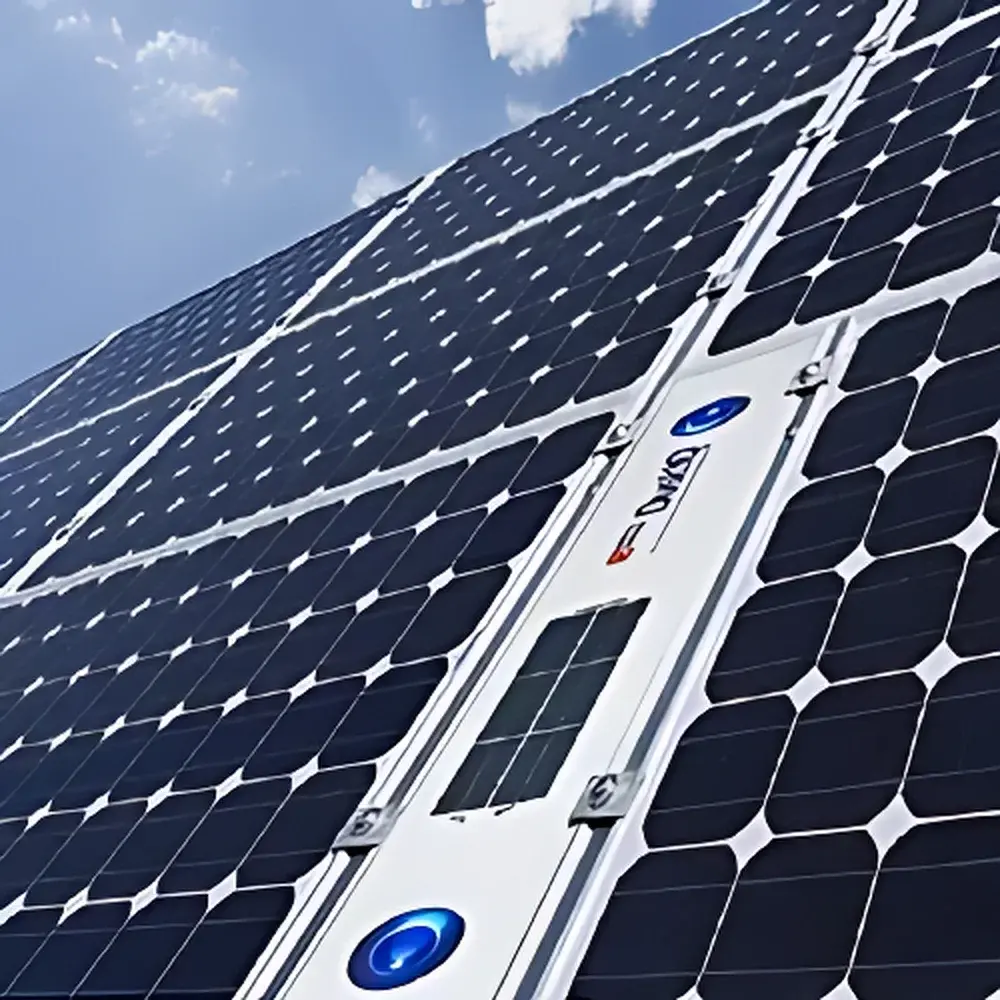
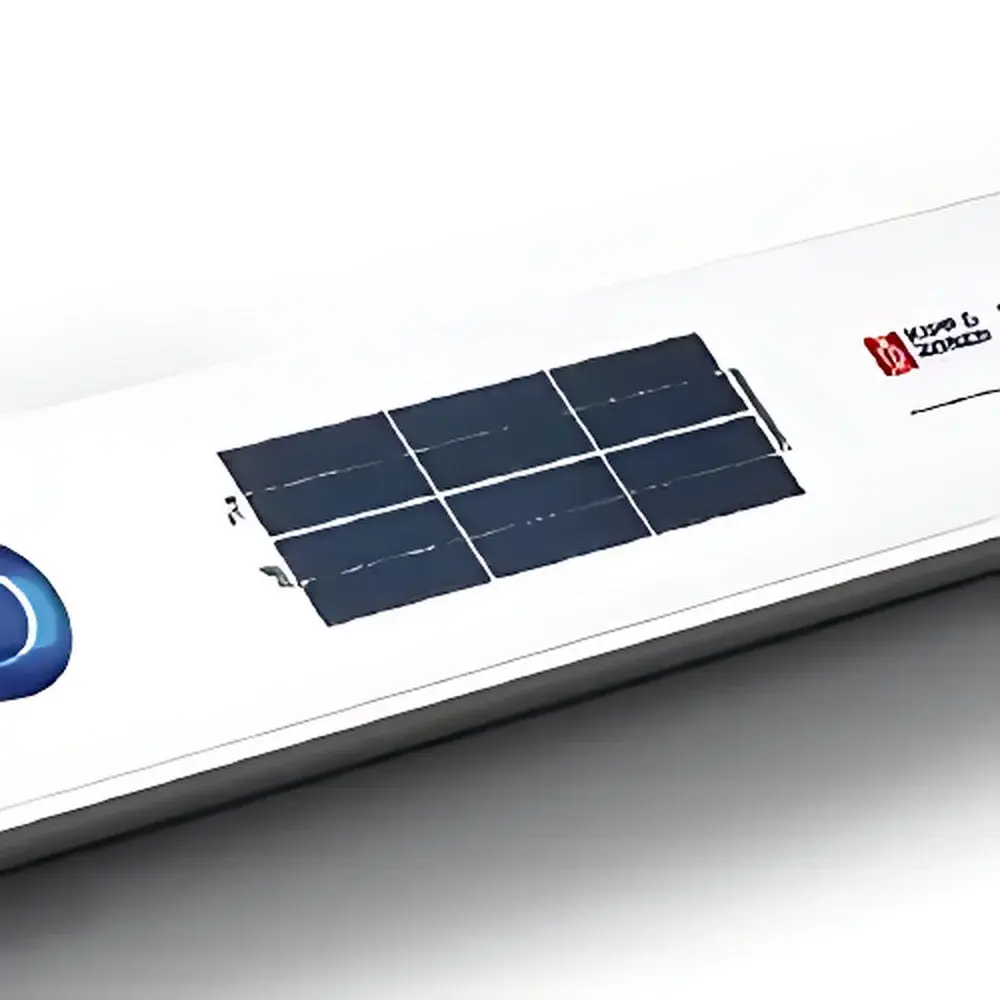
Kipp & Zonen DustIQ Solar Panel Soiling Monitor
| Brand | Kipp & Zonen |
|---|---|
| Origin | Netherlands |
| Model | DustIQ |
| Power Supply | 12–24 V DC, 300 mA |
| Communication | RS-485 Modbus® RTU |
| IP Rating | IP67 |
| Cable Options | Standard 10 m UV-resistant cable (8-pin connector), optional 25 m or 50 m |
| Operating Temperature | –40 °C to +70 °C |
| Calibration | Factory-calibrated for glass surface soiling |
Overview
The Kipp & Zonen DustIQ Solar Panel Soiling Monitor is an industrial-grade optical sensor engineered to quantify photovoltaic (PV) panel performance degradation caused by airborne particulate deposition—commonly referred to as soiling. Unlike indirect estimation methods, the DustIQ directly measures two fundamental optical parameters: Transmission Loss (TL), defined as the reduction in incident irradiance due to light absorption and scattering by contaminants on the glass surface; and Soiling Ratio (SR), calculated as the ratio of irradiance measured through a soiled reference surface to that measured through a clean reference surface under identical spectral and angular conditions. The instrument operates on the principle of dual-channel reflectance and transmittance monitoring using a collimated near-infrared (NIR) LED source and matched silicon photodetectors. Its optical architecture is optimized for spectral response alignment with standard PV module quantum efficiency curves (IEC 60904-3), ensuring field-relevant soiling quantification—not just generic dust accumulation.
Key Features
- IP67-rated, fully sealed housing designed for permanent outdoor deployment in harsh solar farm environments—including desert, coastal, and agrivoltaic sites.
- Dual-parameter output: real-time, synchronized measurement of Transmission Loss (TL %) and Soiling Ratio (SR), both traceable to NIST-traceable calibration protocols.
- Integrated temperature-compensated digital signal processing (DSP) engine corrects detector responsivity drift across –40 °C to +70 °C ambient operating range.
- Modbus® RTU over RS-485 interface enables seamless integration into SCADA, PLC, and inverter-based monitoring systems without requiring protocol gateways or edge computing layers.
- UV-stabilized optical window and self-cleaning compatible surface geometry allow maintenance routines identical to those applied to adjacent PV modules—no specialized cleaning procedures required.
- Low-power design (300 mA @ 12–24 V DC) supports integration with existing solar site power infrastructure, including auxiliary battery-backed supplies.
Sample Compatibility & Compliance
The DustIQ is calibrated for use with standard 3.2 mm tempered soda-lime float glass—the industry-standard front sheet material used in >95% of crystalline silicon PV modules (per IEC 61215-2 and UL 61730). It does not require direct contact with the PV module and is mounted coplanar with the array surface, minimizing shadowing artifacts and ensuring representative soiling exposure. The device complies with IEC 61724-1:2021 Annex D (soiling monitoring requirements for PV system performance assessment) and supports data traceability per ISO/IEC 17025:2017 for measurement uncertainty reporting. Its Modbus register map is structured to align with SunSpec Modbus Map v2.0 for interoperability with third-party energy management platforms.
Software & Data Management
The DustIQ delivers raw TL and SR values via discrete Modbus holding registers (40001–40004), enabling direct ingestion into supervisory control systems without proprietary middleware. Optional firmware updates—distributed via Kipp & Zonen’s secure customer portal—introduce enhanced diagnostics, such as internal humidity trend logging and LED aging compensation algorithms. While the sensor itself does not store historical data, its deterministic polling interval (configurable from 1 to 300 seconds) ensures time-synchronized datasets suitable for long-term soiling rate modeling (e.g., mg/m²/day or %/week). When deployed in conjunction with pyranometers or reference cells, DustIQ data can be incorporated into IEC 61724-1-compliant soiling correction workflows for Levelized Cost of Energy (LCOE) analysis and O&M optimization.
Applications
- Automated soiling loss attribution in utility-scale solar farms for predictive cleaning scheduling and ROI analysis of robotic or waterless cleaning systems.
- Validation of anti-soiling coating efficacy under real-world exposure conditions per ASTM E2847 (Standard Practice for Evaluating Anti-Soiling Coatings on Solar Reflectors).
- Research-grade soiling characterization in atmospheric science studies, including PM10/PM2.5 correlation modeling and regional dust transport pattern analysis.
- Performance guarantee enforcement in PPA (Power Purchase Agreement) frameworks where soiling-induced yield loss triggers contractual remediation clauses.
- Integration into digital twin models of PV plants for dynamic soiling forecasting using machine learning algorithms trained on multi-year DustIQ time-series data.
FAQ
How is the DustIQ calibrated, and is field recalibration required?
The DustIQ undergoes factory calibration against reference glass surfaces contaminated with standardized Arizona Road Dust (ISO 12103-1, A2 test dust) under controlled irradiance conditions. Field recalibration is not required; however, users must establish a site-specific correlation between DustIQ-derived SR and actual energy yield loss via concurrent IV curve tracing or reference cell comparison during initial commissioning.
Can the DustIQ distinguish between different types of soiling (e.g., dust vs. bird droppings vs. pollen)?
No—it reports aggregate optical impact only. Spectral discrimination is outside its design scope. However, temporal pattern analysis (e.g., rapid SR drop followed by slow recovery) combined with weather station data enables empirical classification of soiling event typology.
Does the DustIQ meet cybersecurity requirements for industrial IoT deployments?
Yes. As a Modbus RTU endpoint with no embedded web server, cloud connectivity, or remote firmware update capability over open networks, it adheres to ISA/IEC 62443-3-3 SL1 security level requirements for passive field devices in critical infrastructure environments.
Related Products







