
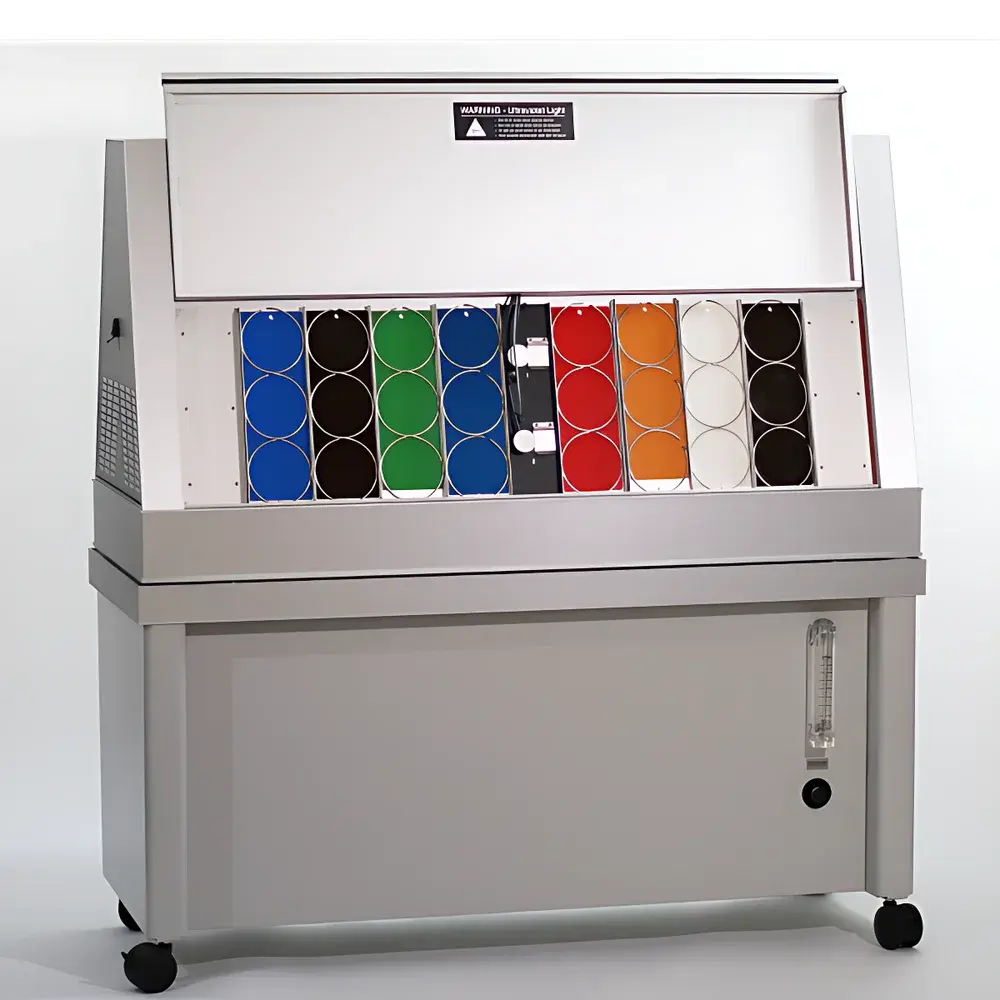
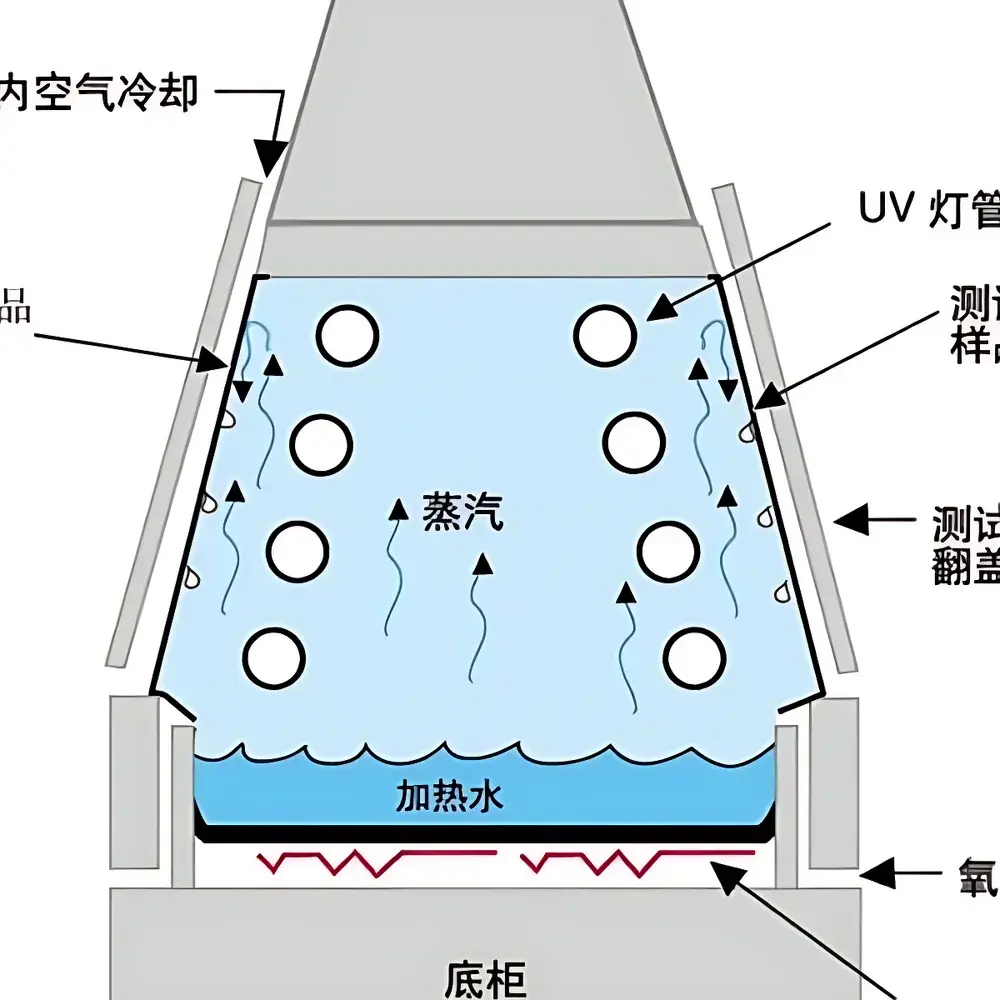
Q-Lab QUV/se and QUV/spray UV Accelerated Weathering Test Chambers
| Brand | Q-Lab |
|---|---|
| Origin | USA |
| Model | QUV/se, QUV/spray |
| Irradiance Range | 0.48–0.95 W/m² @ 340 nm |
| Exposure Duration | 1–9999 hours (programmable) |
| UV Wavelength Range | 250–400 nm |
| Chamber Capacity | Up to 48 specimens (75 mm × 150 mm each) |
| Compliance | ASTM G154, ISO 4892-3, IEC 61215, SAE J2020, GB/T 14522, FDA 21 CFR Part 11 (software-enabled audit trail optional) |
Overview
The Q-Lab QUV/se and QUV/spray are benchtop ultraviolet (UV) accelerated weathering test chambers engineered for precision simulation of solar UV radiation, condensation, and—where equipped—controlled water spray exposure. Based on the fundamental principles of photochemical degradation and moisture-induced stress, these instruments replicate the dominant aging mechanisms observed in outdoor service environments: UV photon absorption (primarily in the 295–365 nm range), thermal cycling, and hygrothermal cycling. Unlike broad-spectrum xenon arc or carbon arc testers, the QUV platform employs fluorescent UV lamps—specifically UVA-340—to deliver spectral irradiance closely matching terrestrial sunlight below 360 nm, the most photochemically aggressive region for polymers, coatings, adhesives, and composites. This targeted spectral fidelity enables high correlation between accelerated QUV exposure and natural outdoor exposure data, particularly for materials susceptible to short-wavelength UV damage.
Key Features
- SOLAR EYE™ Irradiance Control System: Integrated broadband UV sensor with automatic lamp power modulation ensures stable, repeatable irradiance levels (0.48–0.95 W/m² at 340 nm) across lamp life—eliminating manual recalibration and drift-related test variability.
- Cold Condensation Cycle: Chamber wall cooling induces controlled water condensation on specimen surfaces, simulating nocturnal dew formation without requiring distilled water or complex plumbing—operational with standard municipal tap water.
- Optional Water Spray Function (QUV/spray only): Programmable spray cycles deliver precise water volume, duration, and temperature profiles; enables thermal shock testing (rapid cooling) and mechanical erosion assessment (prolonged wetting).
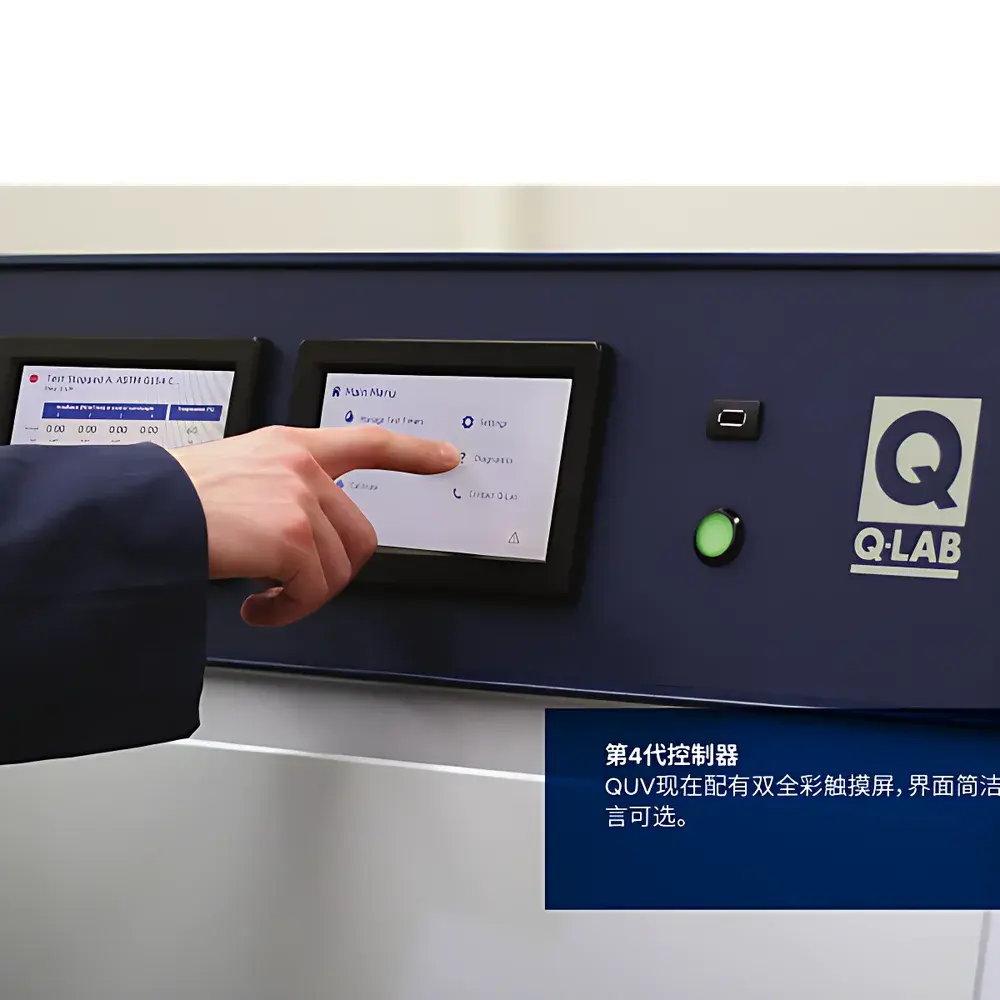
- Third-Generation Touchscreen Controller: Intuitive interface with real-time display of irradiance, chamber temperature, condensation time, and spray status; supports multi-step exposure profiles with up to 100 program segments.
- AutoCal™ Quick Calibration: On-board optical calibration routine verifies sensor response against NIST-traceable reference standards in under 90 seconds—no external hardware required.
- REPAIRPEDIA™ Diagnostic Support: Free, web-accessible troubleshooting database with annotated schematics, error code explanations, and step-by-step repair videos—designed for lab technicians without field service contracts.
Sample Compatibility & Compliance
The QUV accommodates flat-panel specimens up to 75 mm × 150 mm, with a total capacity of 48 positions per cycle. Specimen racks are corrosion-resistant aluminum, compatible with metallic substrates, painted panels, plastic coupons, textile swatches, and encapsulated photovoltaic modules. The system is validated for compliance with key international standards including ASTM G154 (Standard Practice for Operating Fluorescent Ultraviolet (UV) Lamp Apparatus for Exposure of Non-Metallic Materials), ISO 4892-3 (Plastics — Methods of Exposure to Laboratory Light Sources — Part 3: Fluorescent UV Lamps), IEC 61215 (Terrestrial Photovoltaic Modules), and SAE J2020 (Automotive Exterior Materials). Optional software packages support 21 CFR Part 11-compliant electronic records, including full audit trails, user authentication, and electronic signatures—essential for GLP and GMP-regulated laboratories.
Software & Data Management
Q-Lab’s optional QUV Software Suite provides centralized control of multiple chambers, automated report generation (PDF/CSV), and raw data export with timestamped metadata (irradiance, temperature, humidity, cycle phase). All exposure logs include checksum-verified entries and are stored redundantly on internal flash memory and external USB drives. The software architecture supports role-based access control (RBAC), configurable alert thresholds (e.g., irradiance deviation >±3%), and scheduled integrity verification—ensuring data integrity meets ALCOA+ (Attributable, Legible, Contemporaneous, Original, Accurate, Complete, Consistent, Enduring, Available) principles for regulated testing environments.
Applications
- Accelerated durability validation of automotive clearcoats, interior trim, and headlamp lenses per OEM specifications (e.g., GMW14872, Ford CETP).
- Photostability screening of pharmaceutical packaging (blister foils, HDPE bottles) per ICH Q1B guidelines.
- UV resistance certification of roofing membranes, PVC siding, and architectural sealants per ASTM D4329 and EN 1297.
- Correlation studies between QUV exposure and Florida or Arizona outdoor rack data for polymer stabilization R&D.
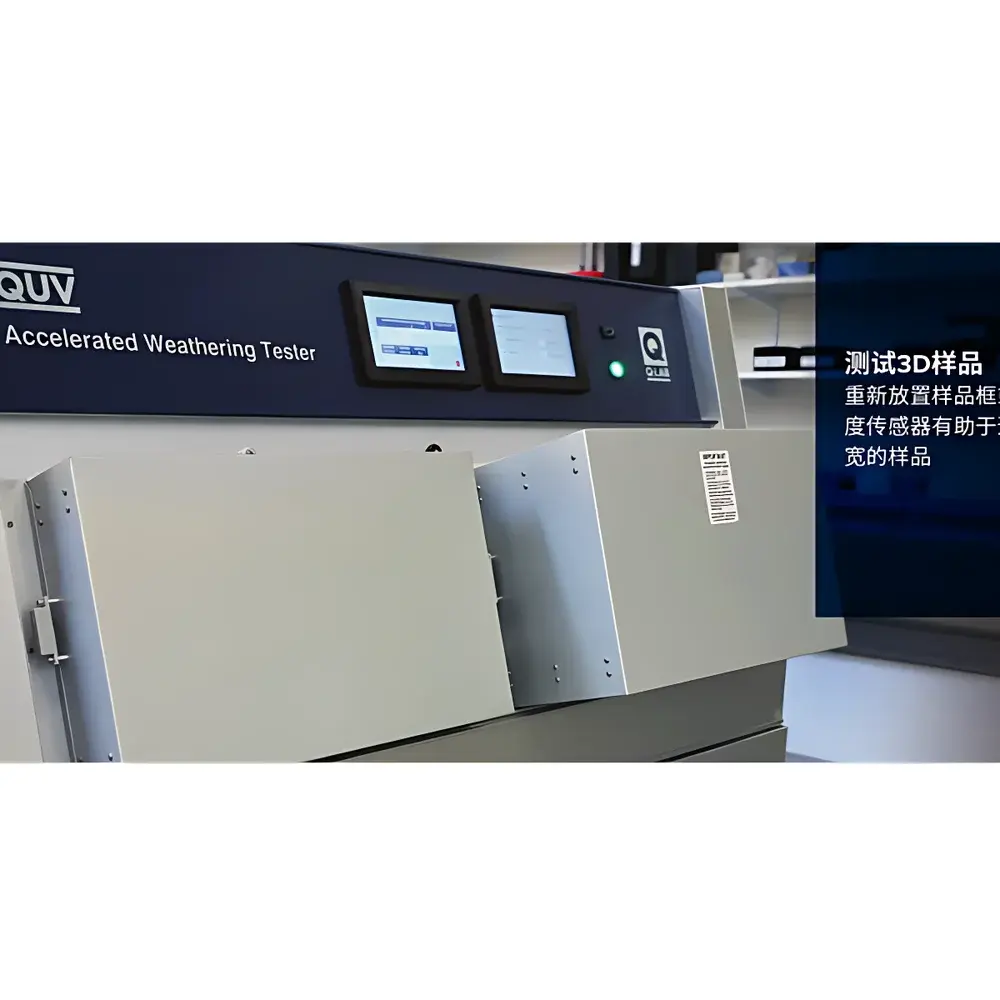
- Qualification of UV-curable inks, adhesives, and 3D-printed resins under controlled spectral and hygric stress conditions.
FAQ
What UV lamp types are supported, and how do they differ?
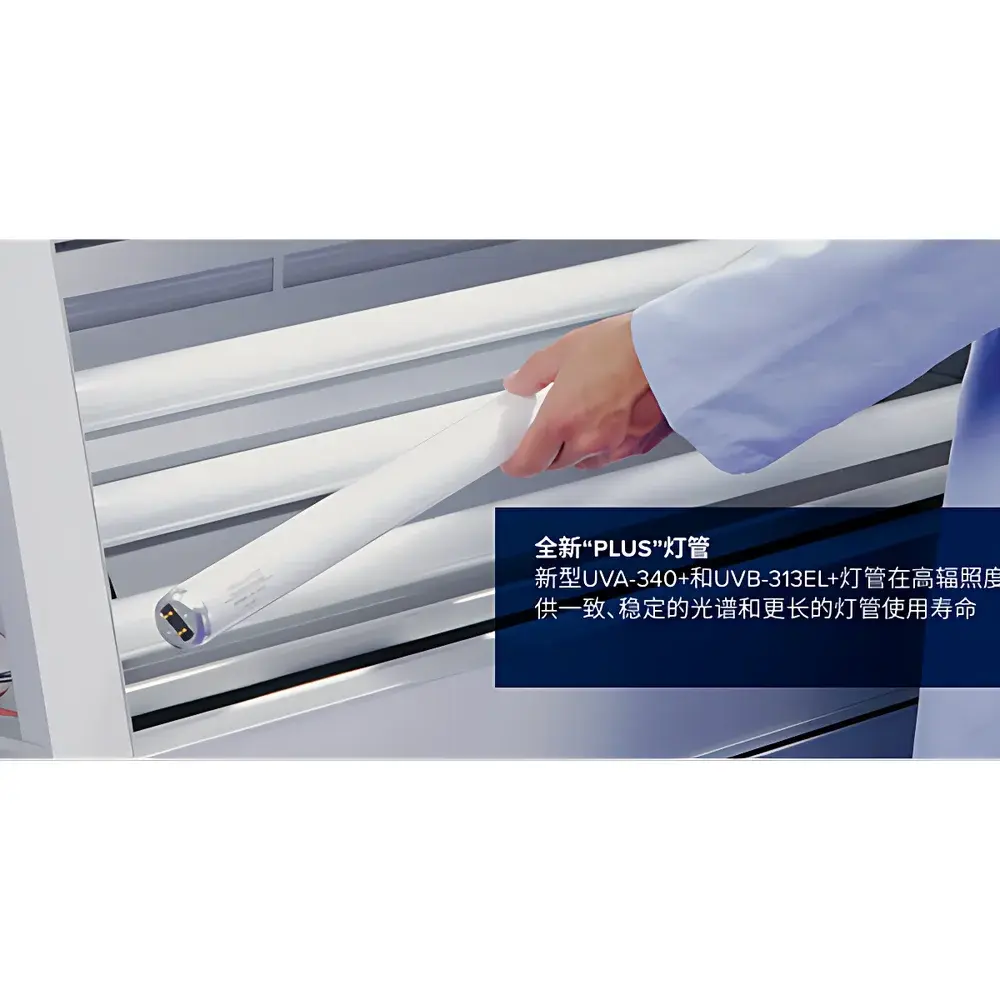
The QUV/se and QUV/spray accept UVA-340 (295–365 nm), UVB-313 (280–360 nm), and UVC-254 (254 nm) lamps. UVA-340 best matches solar UV below 360 nm; UVB-313 delivers more aggressive, shorter-wavelength output for highly accelerated screening; UVC-254 is used exclusively for germicidal material degradation studies.
Can the QUV meet ISO/IEC 17025 accreditation requirements?
Yes—when operated with SOLAR EYE-controlled lamps, NIST-traceable calibration certificates, documented preventive maintenance logs, and validated software (with 21 CFR Part 11 mode enabled), the QUV satisfies technical competence criteria for accredited materials testing laboratories.
Is distilled or deionized water required for condensation?
No. Tap water with ≤200 ppm total dissolved solids (TDS) is fully compatible with the condensation system. For spray applications, filtered tap water (≤5 µm particulate) is recommended to prevent nozzle clogging.
How often must UV sensors be recalibrated?
Annual recalibration against a NIST-traceable reference sensor is recommended. AutoCal™ verifies sensor linearity and zero offset daily; significant drift triggers operator alerts before test validity is compromised.



