
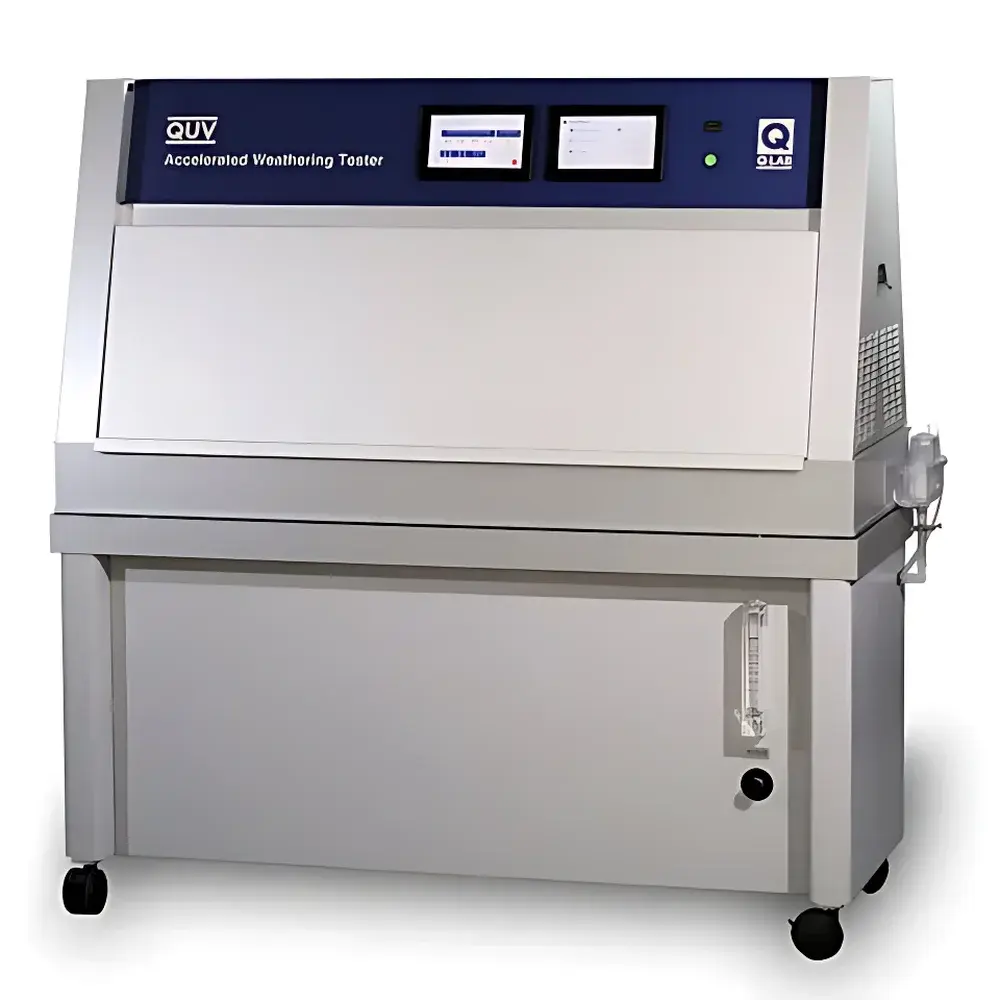
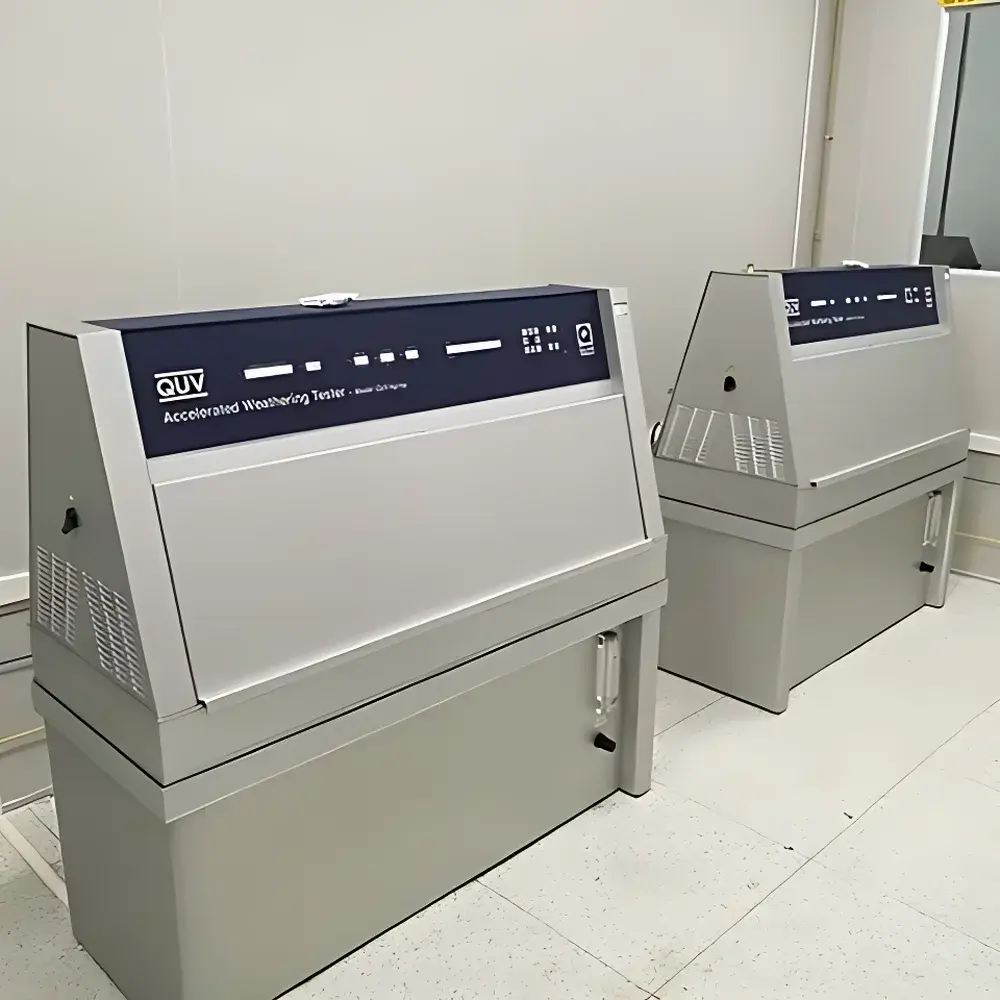
Q-LAB QUV Ultraviolet Weathering Tester
| Brand | Q-LAB |
|---|---|
| Origin | USA |
| Model | QUV/se / QUV/Spray / QUV/basic / QUV/cw |
| Exposure Time Range | 1–9999 h (adjustable) |
| Irradiance Control | Yes |
| UV Lamp Power Adjustment | Yes |
| Humidity Control | Yes |
| Light-Exposed Temperature Range | 45–80 °C |
| Black Panel Temperature Range | 45–80 °C |
| UV Wavelength Range | 340–420 nm |
| Chamber Internal Dimensions (L×W×H) | 48 × 75 × 150 mm |
| Sample Capacity | Up to 48 specimens (75 × 150 mm) or 24 specimens (75 × 300 mm) |
| Lamp Life (typical) | 5000 h (UVA-340/UVB-313), 1600 h (UVC) |
| Compliance | ASTM G151, ASTM G154, ISO 4892-3, ISO 11507, IEC 61215, IEC 61345, GM 9125P |
Overview
The Q-LAB QUV Ultraviolet Weathering Tester is an industry-standard accelerated weathering instrument engineered for precision simulation of solar UV radiation and moisture-induced degradation mechanisms. Unlike broad-spectrum xenon arc or carbon arc systems, the QUV employs fluorescent ultraviolet lamps—primarily UVA-340 (mimicking terrestrial sunlight down to 340 nm) and UVB-313 (for aggressive, short-wavelength stress testing)—to deliver reproducible, high-intensity UV exposure under tightly controlled thermal and hygric conditions. Its core architecture integrates two distinct moisture simulation modes: condensation cycling (representing dew-driven surface hydration in outdoor environments) and optional water spray (introducing thermal shock and mechanical erosion effects). This dual-moisture capability enables correlation with real-world failure modes—including polymer chain scission, pigment photolysis, coating delamination, and loss of tensile strength—in plastics, coatings, automotive trim, photovoltaic encapsulants, and architectural finishes.
Key Features
- Fluorescent UV lamp options: UVA-340 (sunlight-spectrum simulation), UVB-313 (accelerated degradation), and UVC (for specialized sterilization or extreme stress studies)
- Programmable exposure cycles: Independent control of UV irradiance, light-phase temperature, condensation duration, and spray timing
- Black panel thermometer (BPT) and chamber air temperature sensors provide traceable, NIST-traceable thermal monitoring per ASTM G151 requirements
- Condensation system: Heated water reservoir generates saturated vapor; sample surface cooling induces continuous dew formation—replicating >12 h/day natural dew exposure
- Water spray function (QUV/Spray models): Ambient-temperature deionized water delivered via calibrated nozzles; induces rapid thermal gradients and surface washing effects per GM 9125P and ISO 4892-3 Annex B
- Interlocked safety system: Automatic UV lamp shutoff during door opening, overtemperature cutoff, and low-water-level detection
- Modular design supports field-upgradable lamp banks, sensor calibration kits, and software updates without chamber disassembly
Sample Compatibility & Compliance
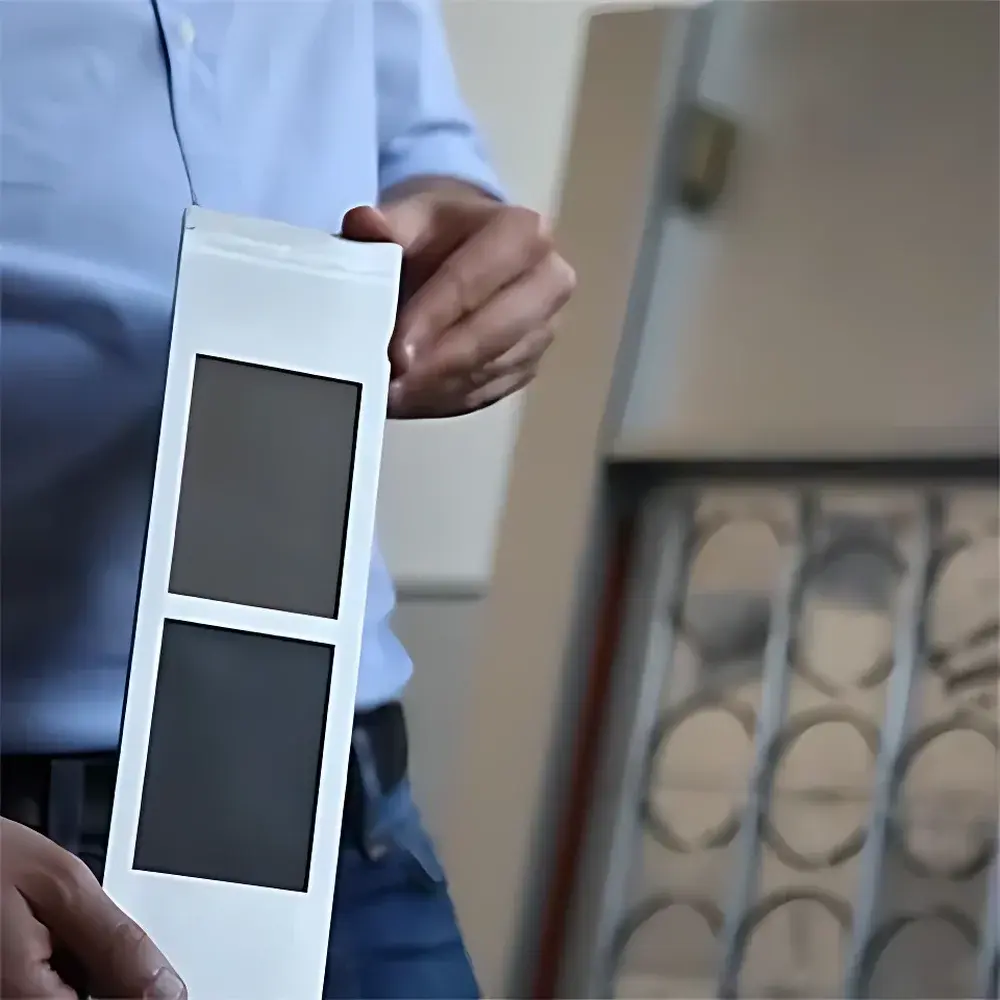
The QUV accommodates flat-panel specimens up to 75 mm × 300 mm (24 positions) or 75 mm × 150 mm (48 positions), with standardized specimen holders ensuring uniform irradiance distribution across all test surfaces. Specimen mounting fixtures are compatible with ASTM D7869, ISO 11507, and IEC 61345 PV module edge-seal validation protocols. All QUV variants comply with the essential operational and reporting requirements of ASTM G154 (fluorescent UV exposure), ISO 4892-3 (plastics—fluorescent UV method), and ISO 11507 (coatings—UV/condensation cycling). For regulated industries, optional 21 CFR Part 11-compliant software packages provide electronic audit trails, user access controls, and data integrity assurance required for GLP and GMP environments. The system meets CE marking requirements for electromagnetic compatibility (EMC) and low-voltage directive compliance.
Software & Data Management
The QUV operates via embedded microprocessor control with intuitive push-button interface for setting exposure profiles, monitoring real-time BPT/air temperature, irradiance output (% of setpoint), and cycle progression. Optional Q-LAB’s Windows-based SOLAR EYE™ software enables remote monitoring, automated data logging (timestamped temperature, irradiance, cycle stage), and export to CSV or PDF reports compliant with internal QA documentation standards. SOLAR EYE supports multi-chamber synchronization, alarm notification via email/SMS, and integration with LIMS platforms through OPC UA protocol. Calibration records—including lamp spectral output verification, BPT sensor drift compensation, and humidity sensor validation—are stored within the software and accessible for regulatory audits.
Applications
The QUV is extensively deployed in R&D and quality assurance laboratories across sectors where UV stability dictates product lifetime: automotive OEMs validate exterior trim, headlamp lenses, and interior fabrics per GM 9125P and Ford CETP; photovoltaic manufacturers assess EVA encapsulant yellowing and backsheet cracking per IEC 61215 Clause 10.11 (UV pre-conditioning); paint and resin producers evaluate chalking resistance and gloss retention per ISO 11507; and medical device suppliers screen UV-curable adhesives and polymer housings for ISO 10993-12 biocompatibility support testing. Its reproducibility makes it suitable for comparative ranking of stabilizer packages, QC release testing of incoming raw materials, and failure analysis root-cause investigations.
FAQ
What UV lamp types are supported, and how do they differ?
The QUV accepts UVA-340 (peak at 340 nm, best match to solar UV below 360 nm), UVB-313 (peak at 313 nm, higher energy for rapid screening), and UVC (254 nm, used for disinfection validation or extreme oxidative stress studies). Lamp selection must align with applicable test standards.
Is condensation cycling mandatory, or can UV-only exposure be run?
All QUV models support UV-only operation, but condensation cycling is enabled by default in most standard methods (e.g., ASTM G154 Cycle 1). Disabling condensation requires explicit program configuration.
How is irradiance calibrated, and what is the recommended recalibration interval?
Irradiance is measured using a NIST-traceable UV radiometer; Q-LAB recommends quarterly verification and annual full calibration using certified reference sensors and lamp spectral characterization reports.
Can the QUV meet FDA 21 CFR Part 11 requirements for electronic records?
Yes—when equipped with SOLAR EYE™ v5.0+ and configured with role-based user accounts, digital signatures, and immutable audit logs, the system satisfies Part 11 technical controls for electronic records and signatures.
What maintenance is required to ensure long-term measurement stability?
Routine tasks include monthly cleaning of lamp reflectors and specimen holders, quarterly inspection of water reservoir seals and spray nozzles, biannual replacement of UV filters (if installed), and annual thermocouple and humidity sensor verification per Q-LAB Technical Bulletin TB-002.



