
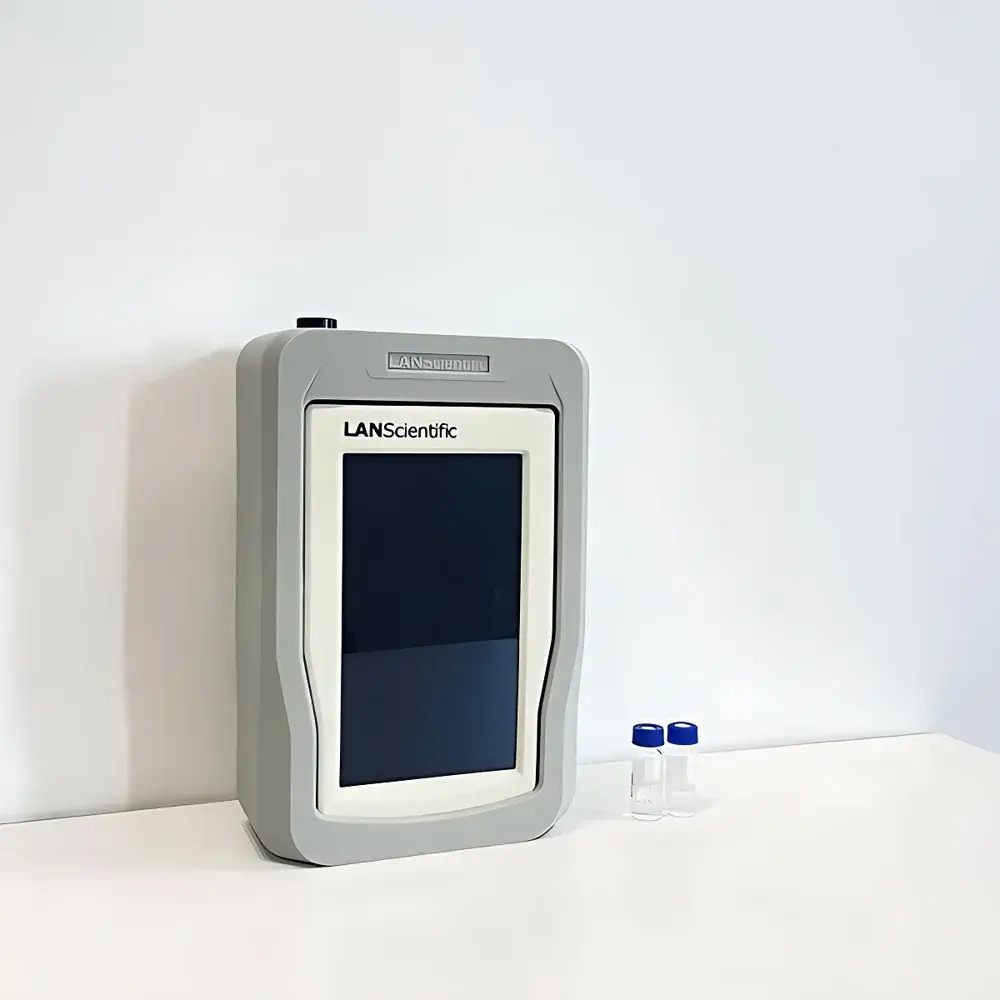
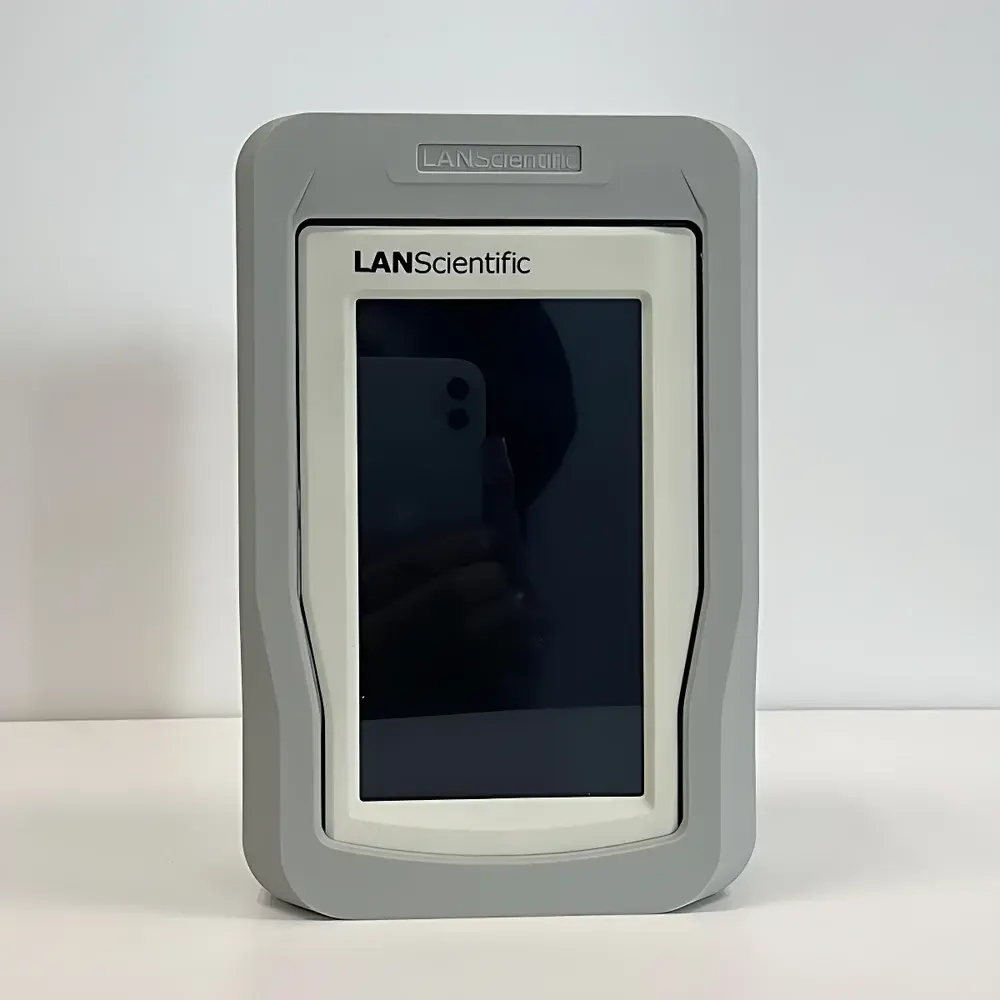
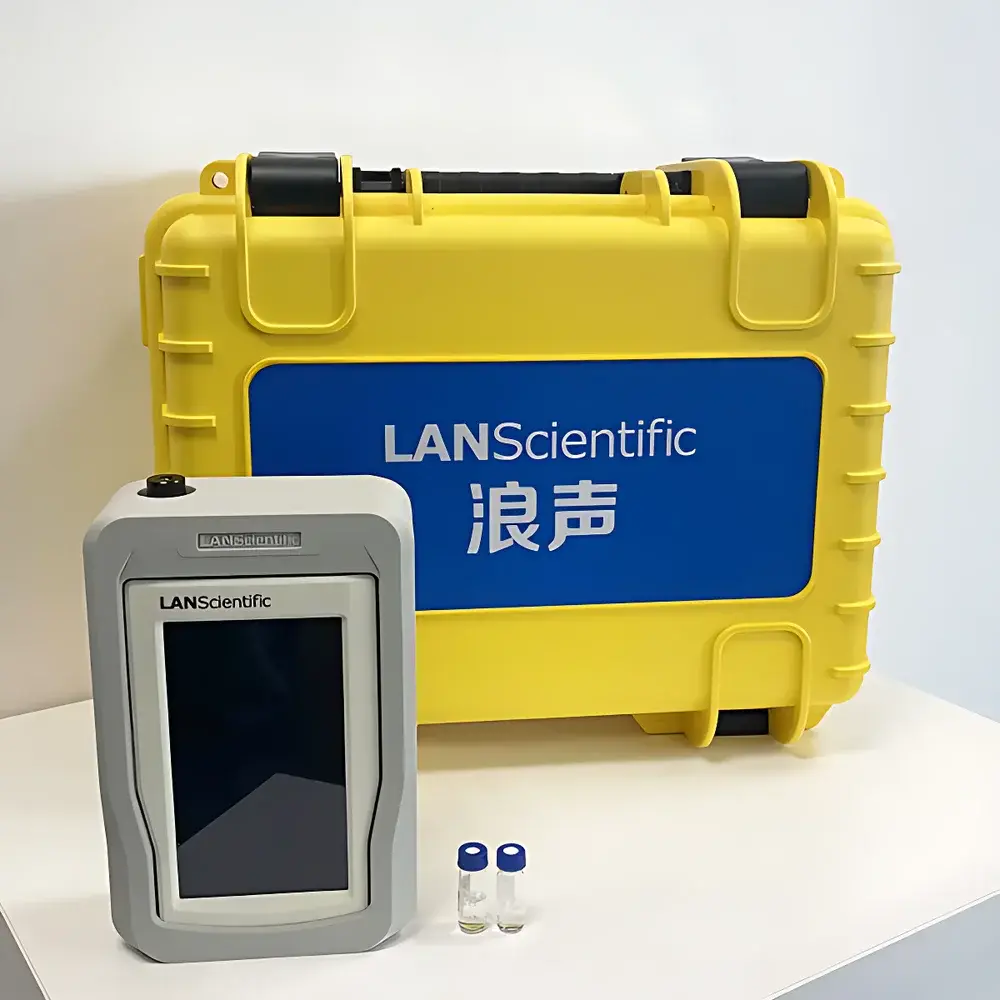
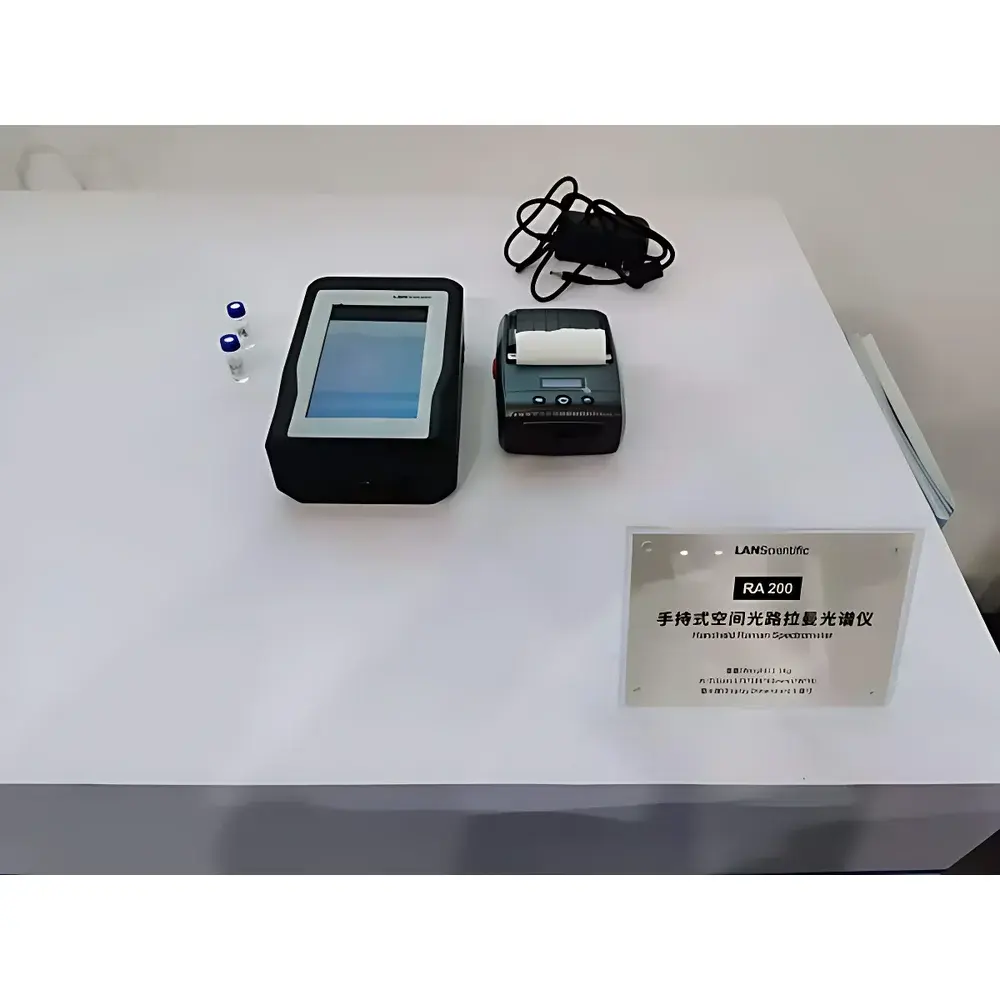
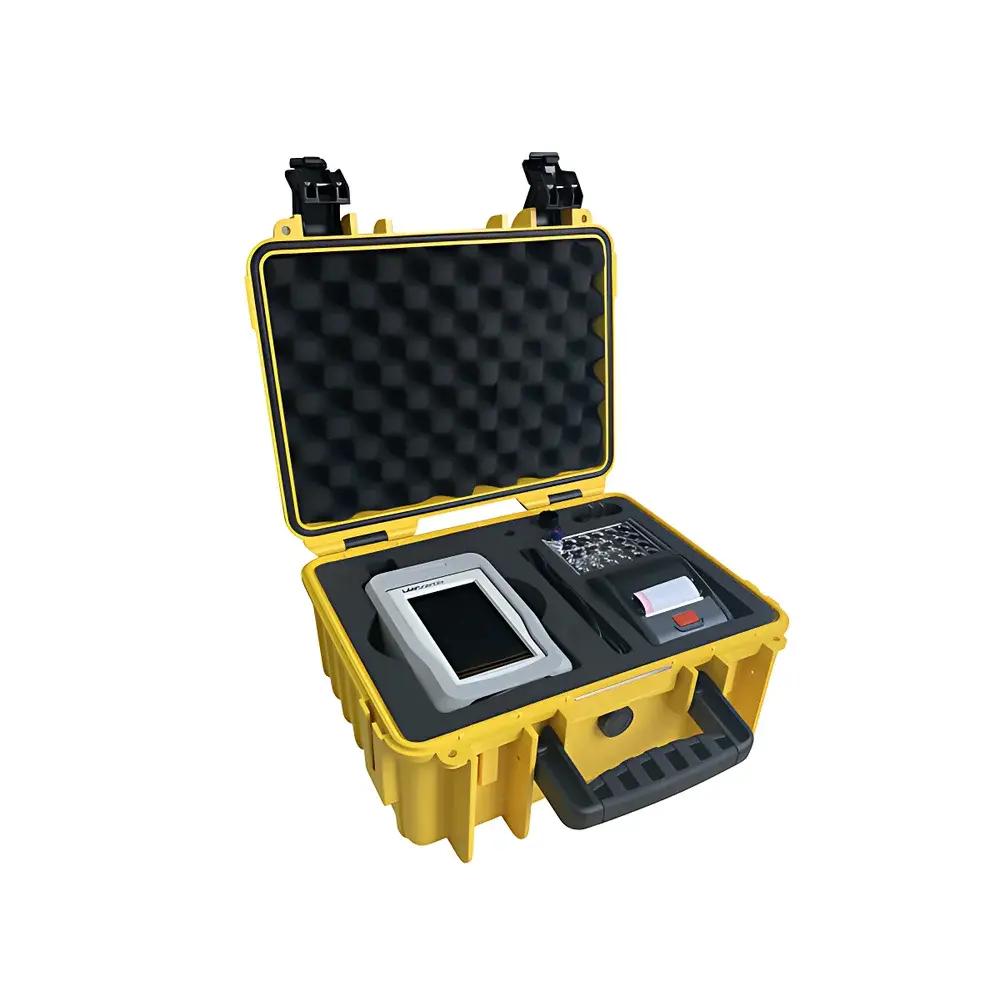
LANScientific RA200 Handheld Spatial-Optic Raman Spectrometer
| Brand | LANScientific |
|---|---|
| Origin | Jiangsu, China |
| Manufacturer Type | Original Equipment Manufacturer (OEM) |
| Product Category | Domestic |
| Model | RA 200 |
| Instrument Type | Portable/Handheld Raman Spectrometer |
| Spectral Range | 200–3000 cm⁻¹ |
| Spectral Resolution | <6 cm⁻¹ |
| Spatial Resolution | Micron-level |
| Minimum Wavenumber | 150 cm⁻¹ |
| Spectral Reproducibility | ≤ ±0.15 cm⁻¹ |
Overview
The LANScientific RA200 is a handheld Raman spectrometer engineered for field-deployable molecular identification using spatial-optic coupling architecture. Unlike fiber-coupled or free-space benchtop systems, the RA200 employs a rigid, alignment-free spatial light path—minimizing optical drift and enabling stable spectral acquisition under variable environmental conditions (e.g., temperature fluctuations, mechanical vibration, ambient lighting). Its 785 nm diode laser excitation source balances fluorescence suppression and signal-to-noise ratio for organic and inorganic compounds, while the back-illuminated CCD detector ensures high quantum efficiency across the full 200–3000 cm⁻¹ fingerprint region. Designed for operational continuity in non-laboratory settings, the RA200 delivers laboratory-grade spectral fidelity without requiring optical recalibration between measurements.
Key Features
- Spatial-optic beam path: Eliminates fiber coupling losses and alignment sensitivity; enhances long-term wavelength stability and photometric reproducibility.
- Integrated touchscreen interface: 7-inch capacitive color display with intuitive icon-driven workflow—no spectroscopy training required for basic ID tasks.
- Non-contact, non-destructive analysis: Capable of direct measurement through transparent and semi-transparent packaging (glass vials, PET bottles, polyethylene bags, blister packs) without sample preparation.
- User-configurable spectral library: Supports import/export of custom .csv or .raman library files; enables creation of domain-specific reference sets (e.g., pharmaceutical APIs, explosive precursors, adulterants).
- On-device spectral matching engine: Implements correlation-based peak matching with adjustable confidence thresholds and built-in outlier rejection for ambiguous spectra.
- Embedded audit trail: Logs operator ID, timestamp, GPS coordinates (optional), instrument serial number, and spectral acquisition parameters per measurement—aligned with GLP documentation requirements.
Sample Compatibility & Compliance
The RA200 accommodates heterogeneous sample forms—including solids (crystalline, amorphous, powders), liquids (aqueous and organic solvents), gels, ointments, suspensions, and emulsions—without physical contact or dilution. Its micron-level spatial resolution supports targeted interrogation of heterogeneous surfaces (e.g., tablet coatings, composite materials, forensic traces). The system complies with IEC 61326-1 (EMC for laboratory equipment) and meets IP54 ingress protection standards for dust and water resistance. While not certified for intrinsic safety (ATEX/IECEx), it is routinely deployed in Class 1 Division 2 environments under controlled protocols. Spectral data output formats (CSV, PDF, Excel) support traceability in regulated workflows governed by FDA 21 CFR Part 11 (when paired with external identity management and electronic signature systems).
Software & Data Management
Firmware v3.2 includes embedded Raman Analysis Suite (RAS) with real-time baseline correction, cosmic ray removal, and Savitzky-Golay smoothing. Spectral libraries are managed via hierarchical folder structure with version tagging and metadata fields (CAS number, purity grade, supplier ID). Data export supports automated report generation with configurable templates—including instrument calibration status, measurement uncertainty estimates (based on wavenumber reproducibility specification), and spectral overlay comparisons. Bluetooth 5.0 connectivity enables wireless printing to certified portable thermal printers (Zebra ZQ520, Brother QL-1115N) and secure transfer to enterprise LIMS via encrypted Wi-Fi or USB-C host mode. All spectral acquisitions are stored with SHA-256 checksums to ensure data integrity.
Applications
- Pharmaceutical Quality Control: Rapid verification of active pharmaceutical ingredients (APIs), excipients, and counterfeit drug screening per USP and Ph. Eur. 2.2.48 guidelines.
- Petrochemical Field Analysis: Identification of hydrocarbon classes, sulfur compounds, and additive concentrations in fuels and lubricants without solvent extraction.
- Forensic & Law Enforcement: On-scene detection of illicit substances (e.g., fentanyl analogues, synthetic cannabinoids), explosives (TNT, PETN, RDX), and cutting agents per INTERPOL Forensic Library standards.
- Materials Science: Polymorph discrimination in APIs, crystallinity assessment in battery cathode materials, and stress/strain mapping in semiconductor wafers.
- Food Safety: Detection of melamine, Sudan dyes, pesticide residues, and adulterants (e.g., milk powder dilution with maltodextrin) through sealed packaging.
- Cultural Heritage & Geology: In situ pigment identification on artworks, mineral phase mapping in rock specimens, and detection of conservation treatment residues.
FAQ
Does the RA200 require routine wavelength calibration using standard reference materials?
No—its spatial-optic design and thermally stabilized laser/detector assembly maintain wavenumber accuracy within ±0.15 cm⁻¹ over 8 hours of continuous operation. NIST-traceable polystyrene or silicon standards are recommended only for annual verification.
Can the RA200 identify mixtures or quantify component concentrations?
It performs qualitative identification with high specificity; quantitative analysis requires method development with calibration standards and is supported via optional Chemometrics Module (PLS regression, PCA classification).
Is spectral data export compliant with 21 CFR Part 11?
The device generates ALCOA+ compliant data (Attributable, Legible, Contemporaneous, Original, Accurate); full Part 11 compliance requires integration with validated third-party electronic signature and audit trail software.
What is the typical measurement time per spectrum?
Acquisition time ranges from 0.5 s (high-concentration solids) to 10 s (low-fluorescence liquids), configurable via integration time and laser power settings (10–500 mW).
How is instrument performance verified during field use?
Built-in self-test diagnostics include laser power monitoring, detector dark current assessment, and spectral linearity validation using internal reference LEDs—results logged automatically with each session.





